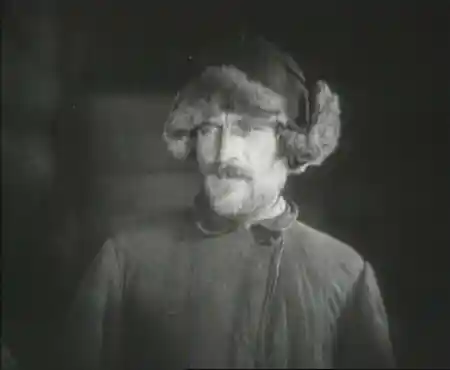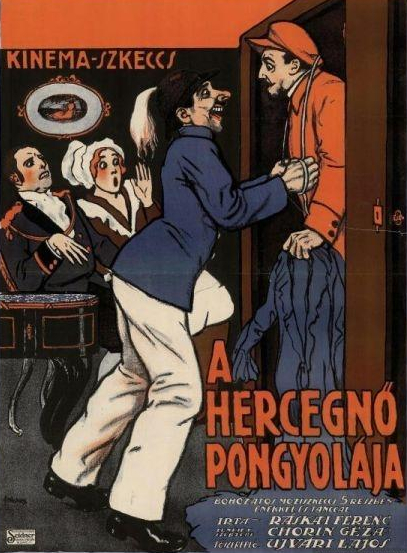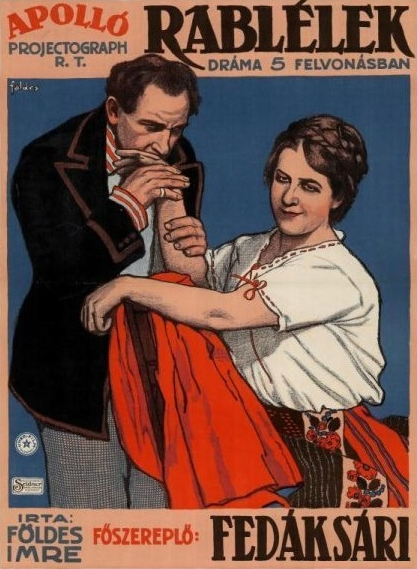
The genesis of cinematic language is often found in the overlooked corners of European history, specifically within the fertile creative soil of Budapest in the early 1910s. Rablélek (1913), a film that stands as a monumental pillar in the early career of Michael Curtiz (then Mihály Kertész), offers a masterclass in ...
publicity
Comparing the cinematic DNA and archive impact of two defining moments in cult history.
Michael Curtiz
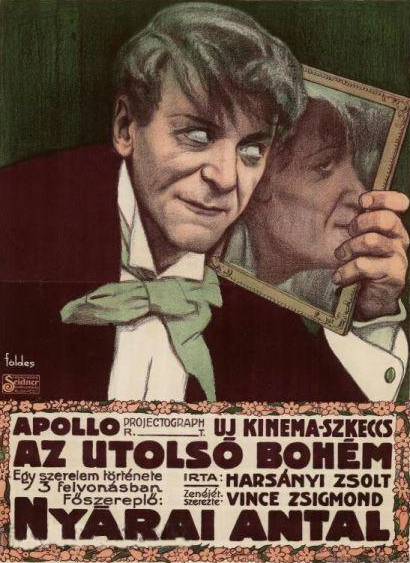
Michael Curtiz
Community
Log in to comment.
" The genesis of cinematic language is often found in the overlooked corners of European history, specifically within the fertile creative soil of Budapest in the early 1910s. Rablélek (1913), a film that stands as a monumental pillar in the early career of Michael Curtiz (then Mihály Kertész), offers a masterclass in the transition from theatrical melodrama to pure visual storytelling. While the global audience might associate Curtiz with the polished artifice of Hollywood’s Golden Age, this si..."