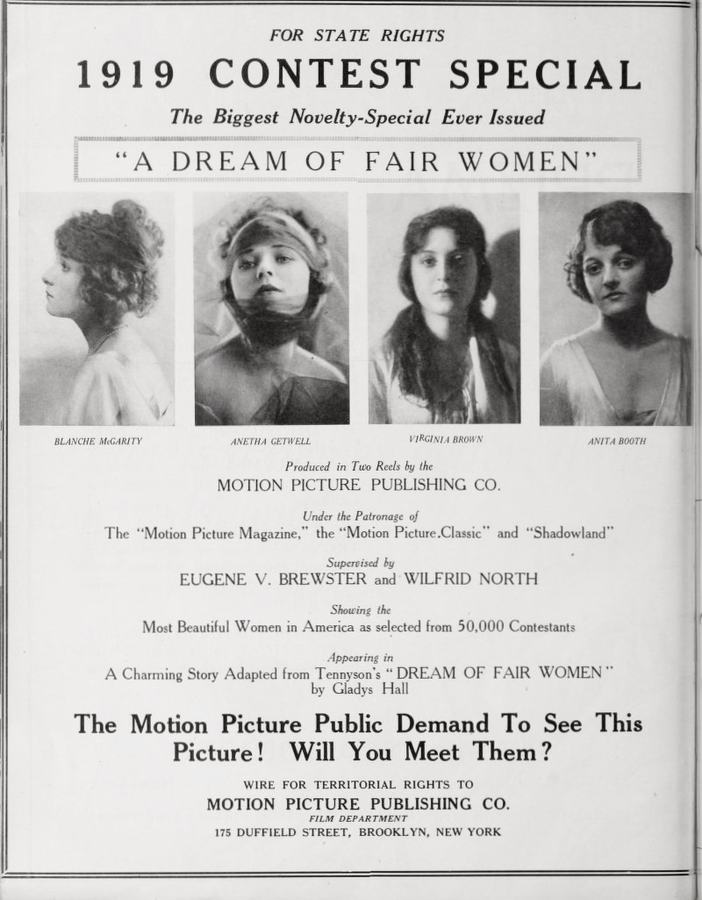
Four winners, out of 75,000 entrants, of a beauty contest supported by movie fan magazines appear in this film..
Celluloid orchids bloom only once; some shed perfume so intoxicating the audience forgets the thorns. A Dream of Fair Women is such a flower—an opiate sonnet stapled to newsprint, a beauty contest turned fever dream, a cultural x-ray smuggled inside a fan-magazine confection. Ninety-nine percent of 1924 moviegoers lap...

Comparing the cinematic DNA and archive impact of two defining moments in cult history.
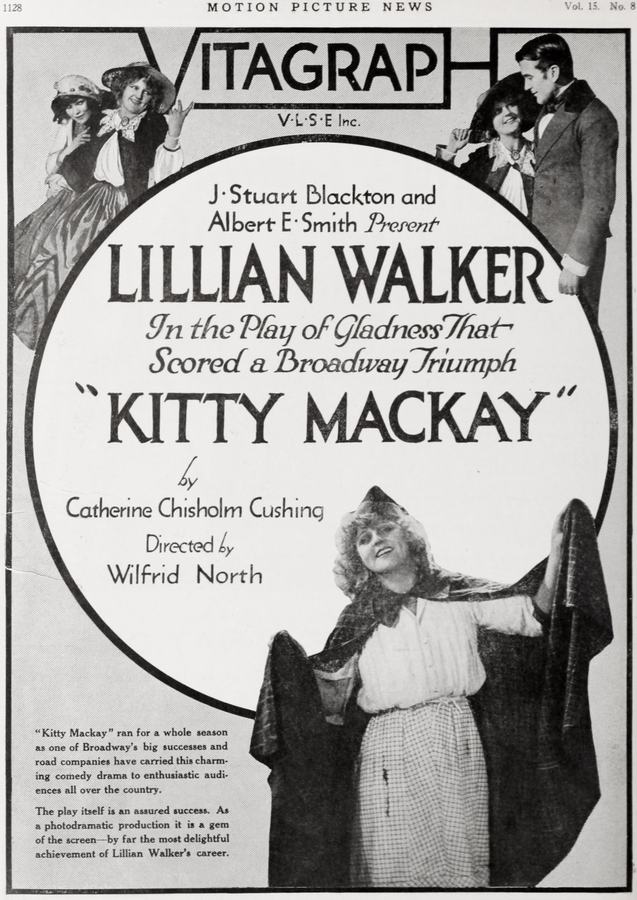
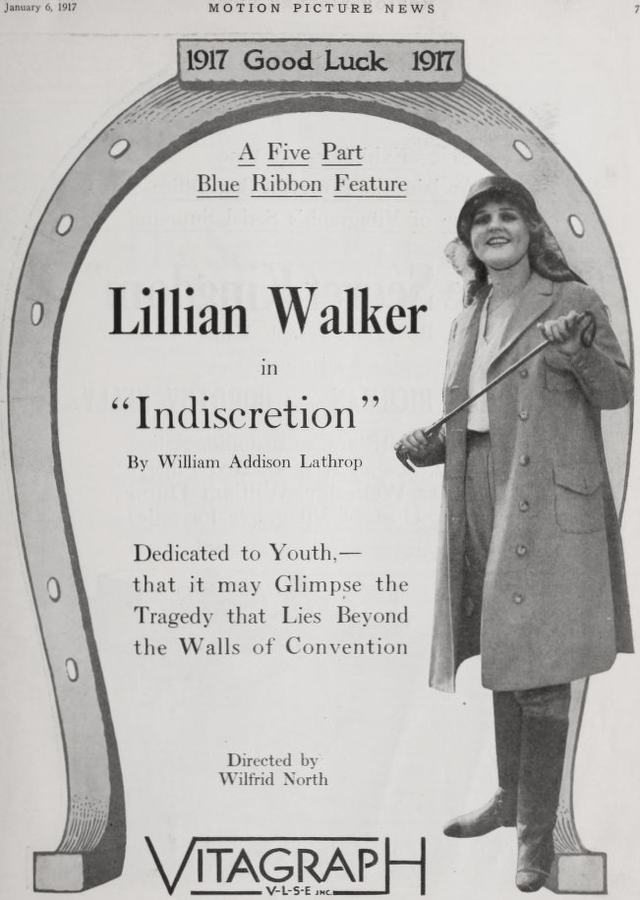
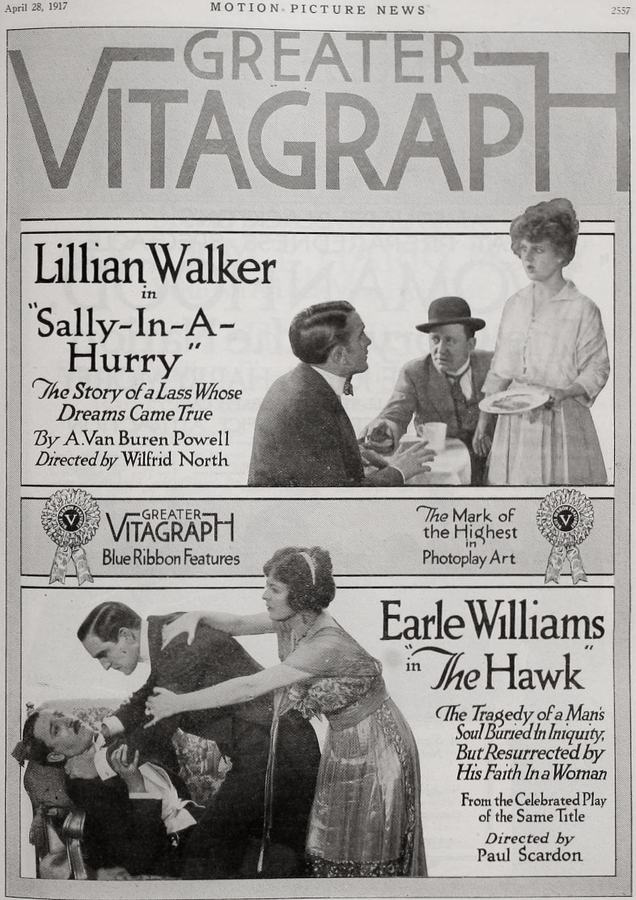
Wilfrid North
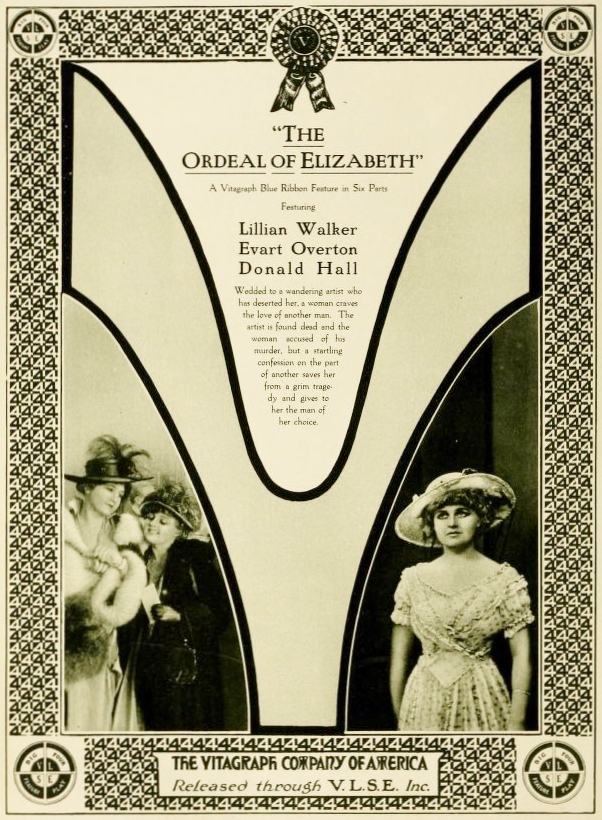
Wilfrid North
Community
Log in to comment.
" Celluloid orchids bloom only once; some shed perfume so intoxicating the audience forgets the thorns. A Dream of Fair Women is such a flower—an opiate sonnet stapled to newsprint, a beauty contest turned fever dream, a cultural x-ray smuggled inside a fan-magazine confection. Ninety-nine percent of 1924 moviegoers lapped it up as froth. The remaining one percent—those who listened to the negative space between the title cards—felt the chill of prophecy. The Pageant That Ate Itself Start with t..."
Anita Booth
Alfred Lord Tennyson, Gladys Hall
United States
Deep dive into the cult classic
Discover similar cinematic experiences
A Directorial Spotlight on Wilfrid North