The last Hungarian Science Fiction excluding shorts, until 'Az Idoe Ablakaj' (1969). A mad Scientist steals the mind-reading machine brought to him by a young man whom he then has locked up in an asylum.
István Lázár
Hungary
Hungarian cinema between the failed revolution and the Prague Spring has always felt like a reel soaked in river-water: images swell, colours bruise, and narrative logic warps until only atmosphere remains. A léleklátó sugár—literally “the soul-viewing ray”—is the country’s last science-fiction venture before the long...


Comparing the cinematic DNA and archive impact of two defining moments in cult history.
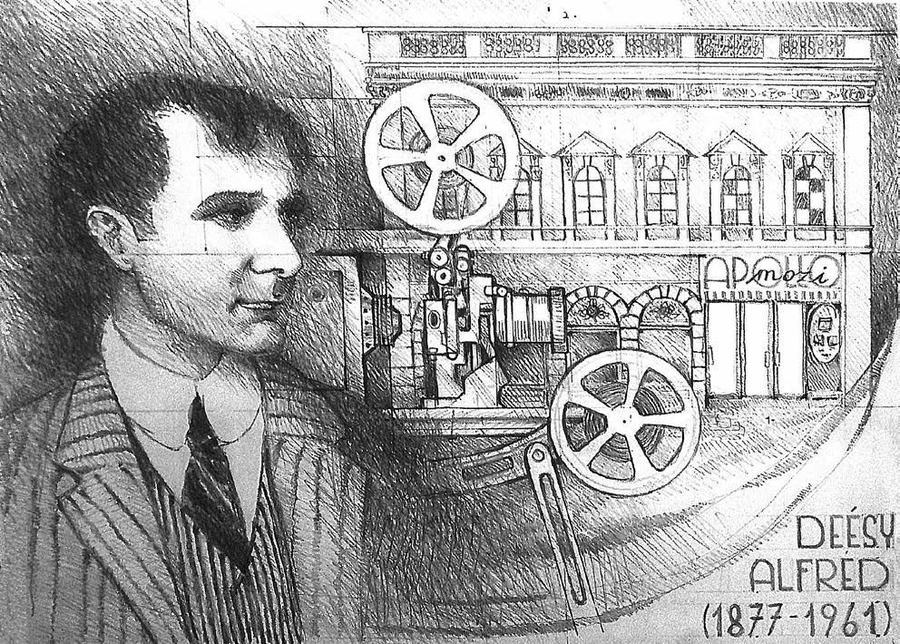
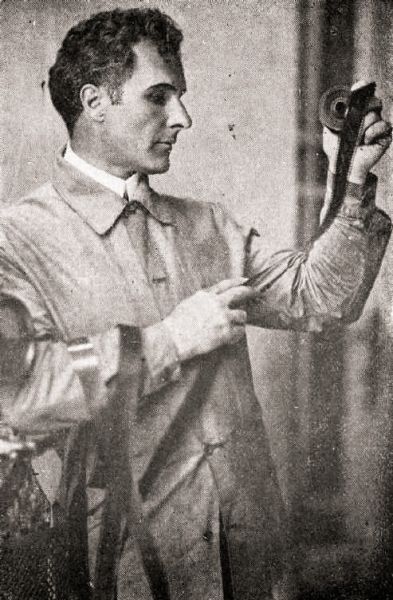
Alfréd Deésy

Alfréd Deésy
Community
Log in to comment.
" Hungarian cinema between the failed revolution and the Prague Spring has always felt like a reel soaked in river-water: images swell, colours bruise, and narrative logic warps until only atmosphere remains. A léleklátó sugár—literally “the soul-viewing ray”—is the country’s last science-fiction venture before the long hiatus that ended with Az Idő Ablakaj in 1969, and it behaves less like a movie than like a séance conducted inside a projector. Shot in late-1966 on salvaged Soviet stock, the fi..."


Deep dive into the cult classic
Discover similar cinematic experiences
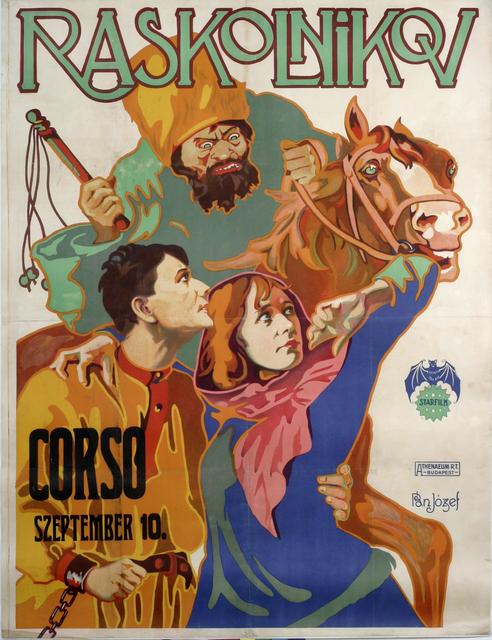
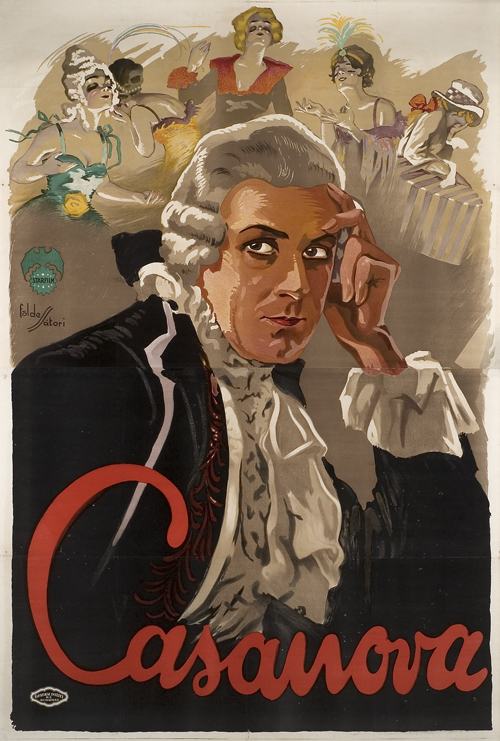
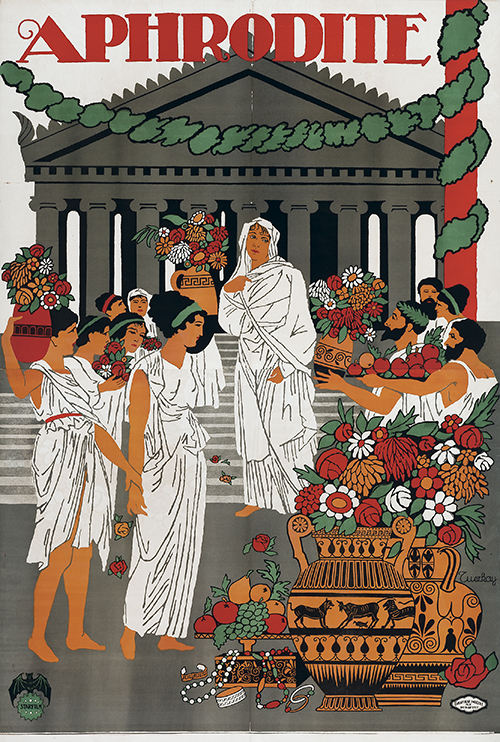
A Directorial Spotlight on Alfréd Deésy