Summary
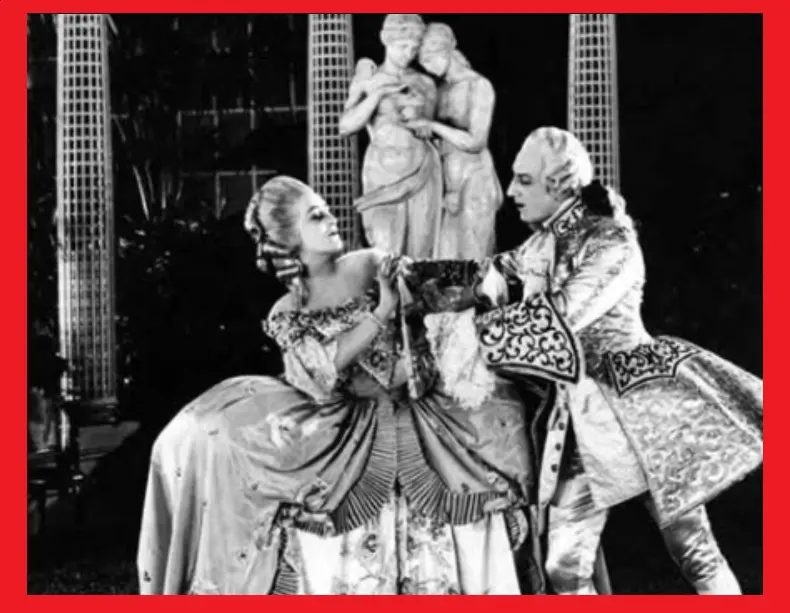
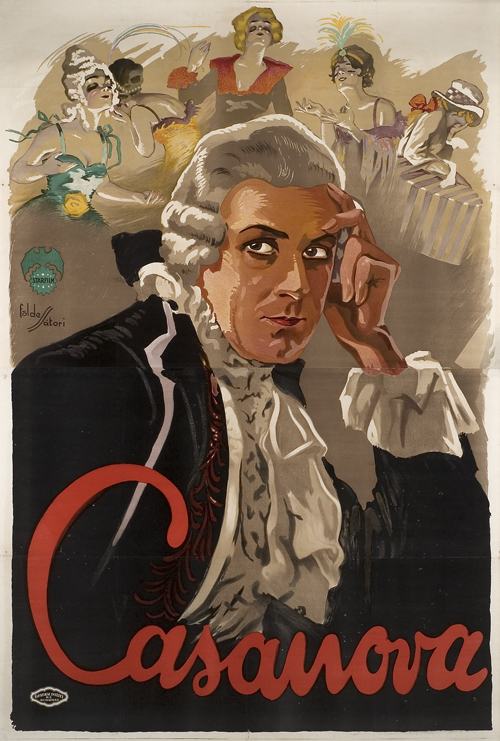
Amidst the gilded cages and clandestine canals of 18th-century Venice, the legendary Giacomo Casanova, portrayed with a compelling blend of audacious charm and existential ennui, navigates a labyrinthine society rigid with moral strictures and political intrigue. His latest entanglement involves the ethereal Contessa Isabella, a paragon of virtue destined for a loveless union with the formidable Count Valerius, whose icy demeanor belies a calculating ambition. Casanova, ever the master of disguise and honeyed words, orchestrates a series of daring assignations, their burgeoning romance unfolding under the cloak of Venetian nights, punctuated by the masked revelry of grand balls and the hushed whispers of secret gondola journeys. Yet, their illicit passion does not escape the vigilant gaze of the zealous Inquisitor Morosini, a man whose piety is matched only by his relentless pursuit of moral transgressors. Aided by the vengeful courtesan Elena, a past conquest scorned, Morosini meticulously unpicks Casanova’s intricate web of deceptions, tightening the noose of the Inquisition around the libertine. The narrative culminates in Casanova's infamous incarceration within the foreboding Piombi cells of the Doge's Palace. His subsequent, legendary escape transforms into a desperate odyssey, not solely for personal liberty, but for the vindication of Isabella’s honor and, perhaps, for a profound re-evaluation of his own hedonistic philosophy. The film masterfully explores the internal conflict between Casanova's innate wanderlust and a nascent, authentic love that threatens to reshape his very identity, culminating in a poignant confrontation that probes the essence of freedom, sacrifice, and the elusive quest for genuine human connection.
Review Excerpt
"
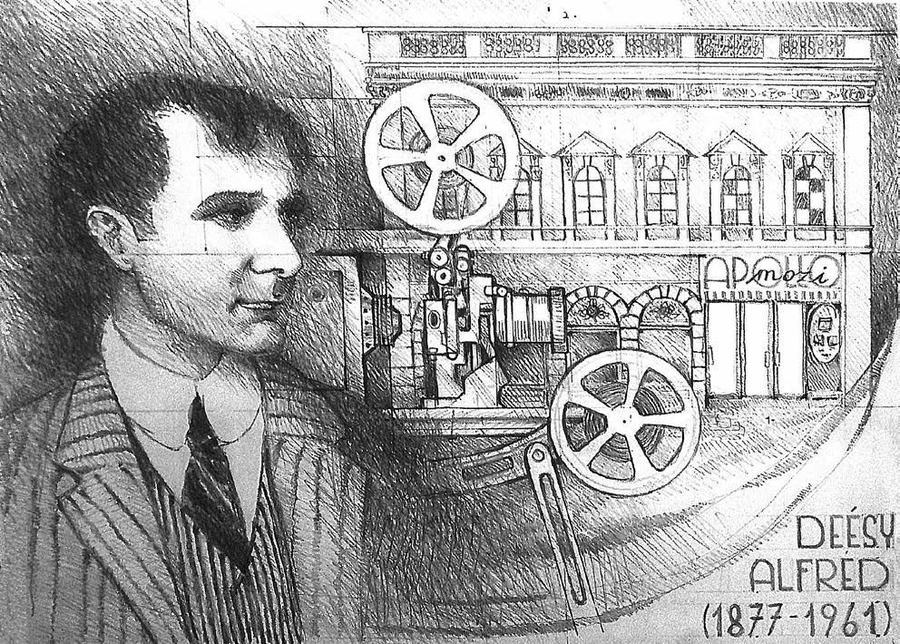
Stepping back into the hallowed, often overlooked, annals of early 20th-century cinema, one occasionally unearths a gem whose brilliance, though perhaps dimmed by the passage of time and the advent of sound, still manages to captivate the discerning eye. Such is the case with ‘Casanova,’ a Hungarian silent film that, even a century after its initial release, speaks volumes about the burgeoning artistry of its era. This isn't merely a historical artifact; it's a vibrant tapestry woven with t..."
![Casanova [töredék / fragment] (Deésy Alfréd, 1918)](https://img.youtube.com/vi/e4sRc3-oN6U/hqdefault.jpg)