Tom Bret
United States
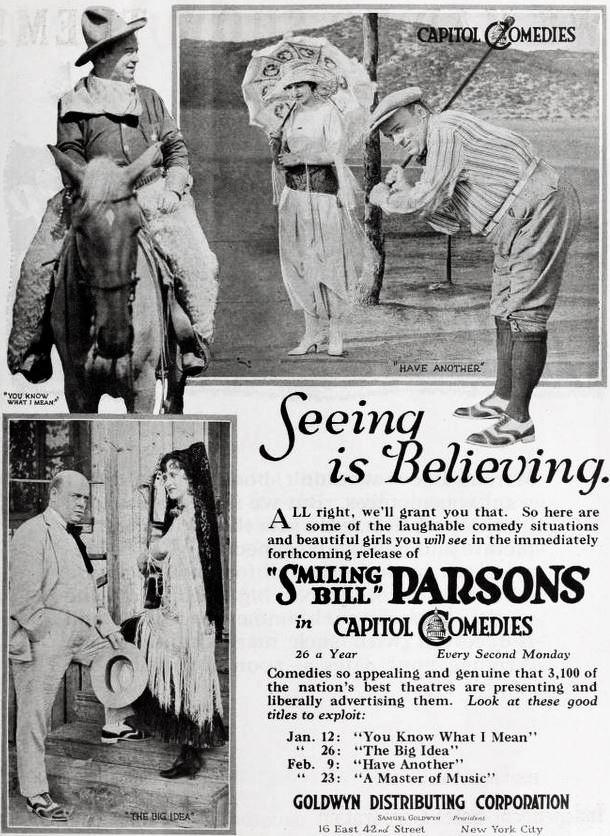
body { background-color:#000; color:#fff; font-family:Arial,Helvetica,sans-serif; line-height:1.6; } p { margin:0 0 1em 0; } .orange { color:#C2410C; } .yellow { color:#EAB308; } .blue { color:#0E7490; } a { text-decoration:none; } From the opening frame, "A Master of Music" announces its ambition with a ...
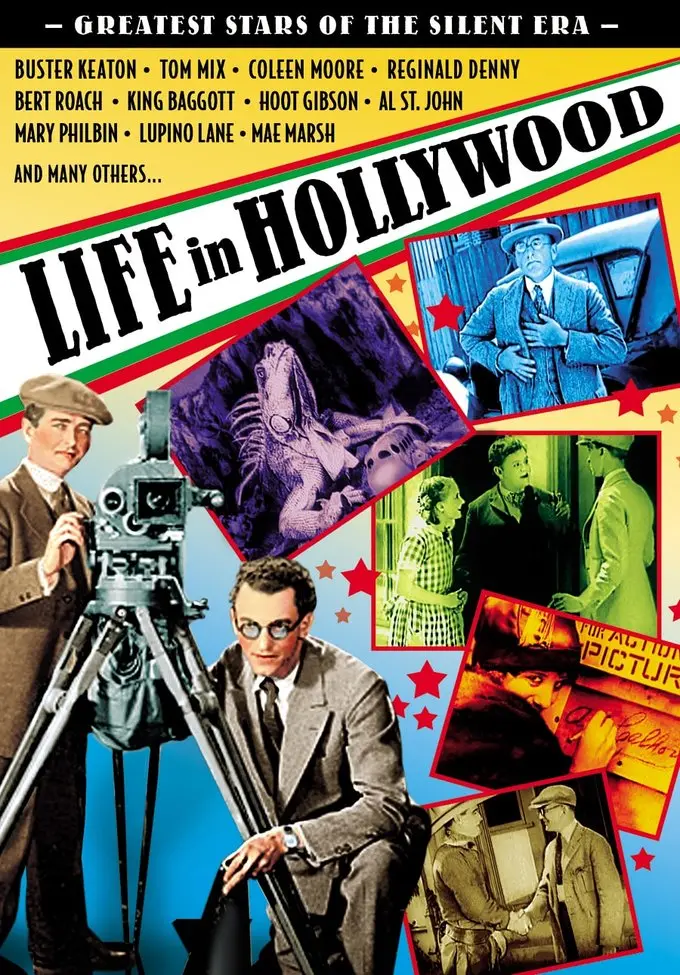
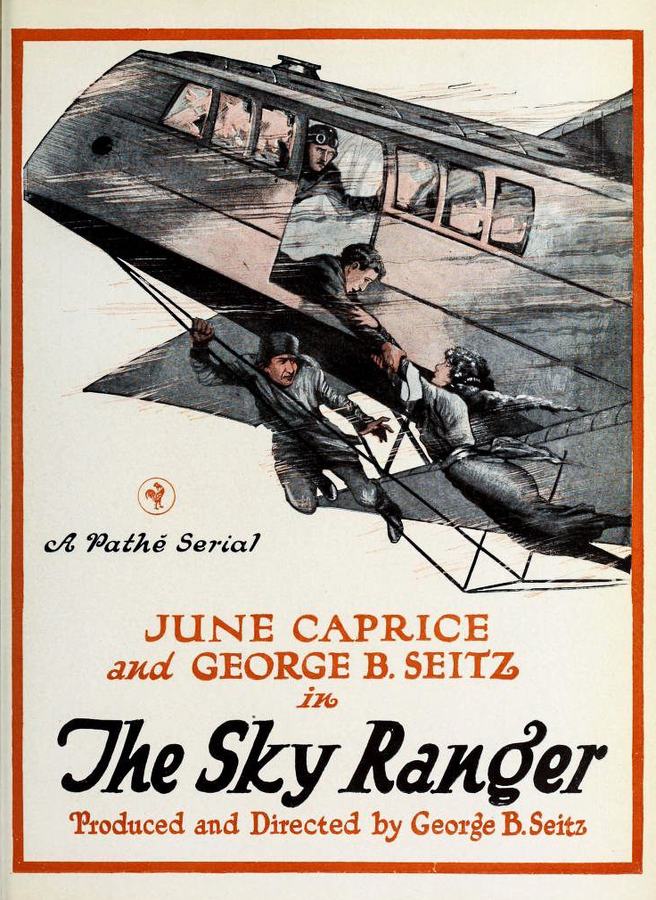
Comparing the cinematic DNA and archive impact of two defining moments in cult history.
Unknown Director
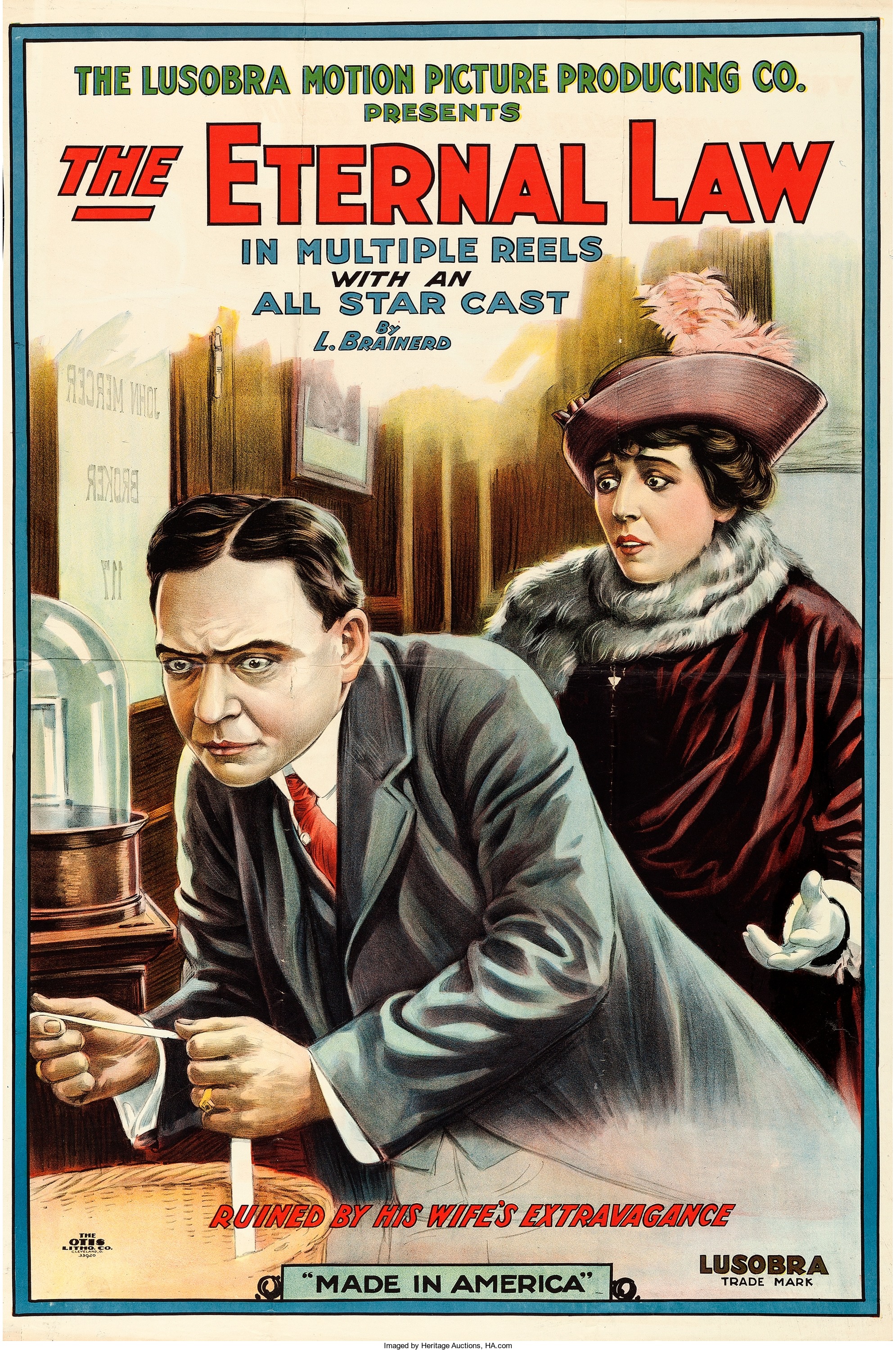
Unknown Director
Community
Log in to comment.
" body { background-color:#000; color:#fff; font-family:Arial,Helvetica,sans-serif; line-height:1.6; } p { margin:0 0 1em 0; } .orange { color:#C2410C; } .yellow { color:#EAB308; } .blue { color:#0E7490; } a { text-decoration:none; } From the opening frame, "A Master of Music" announces its ambition with a single, lingering shot of a grand piano bathed in stark, amber light, the keys glinting like teeth in a dark mouth. The camera does not rush; it observes, inviting the viewer to fe..."
1910 · IMDb 5.8
Unknown Director