DbcultAccessing Vault...
6.3/10
Senior Film Conservator

A definitive 6.3/10 rating for a film that redefined the boundaries of cult cinema. Kurorten san remains a cornerstone of transgressive art.
Should you invest your time in this silent-era curiosity? Short answer: yes, but only if you view it as a historical artifact of human desire rather than a standard narrative.
This film is specifically for those who appreciate early European cinema and the evolution of the 'dream sequence' as a narrative tool. It is absolutely not for anyone looking for high-octane thrills or a clear, linear plot that respects modern logic.
1) This film works because it captures the specific, hazy texture of a daydream without relying on the heavy-handed symbolism often found in later avant-garde works.
2) This film fails because the transition between the reality of the country estate and the dream state is jarringly abrupt, lacking the visual finesse seen in contemporary works like Der verlorene Schuh.
3) You should watch it if you want to see how early 20th-century filmmakers navigated the fine line between 'naughty' entertainment and social satire.
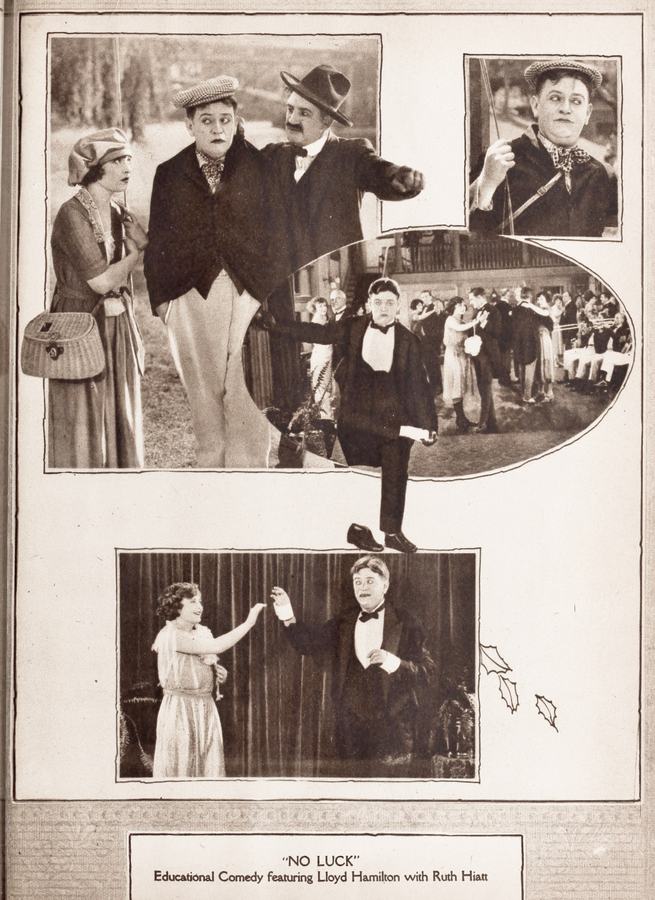
Panayot Kenkov’s direction in Kurorten san is a fascinating study in contrast. He presents the protagonist, Zhezhi, as a man literally weighed down by his own leisure. The early scenes in the country estate are shot with a static, almost oppressive stillness. The camera doesn't move because Zhezhi’s life doesn't move. It’s a bold choice that risks losing the audience, but it effectively sets the stage for the chaotic energy of the dream sequences.
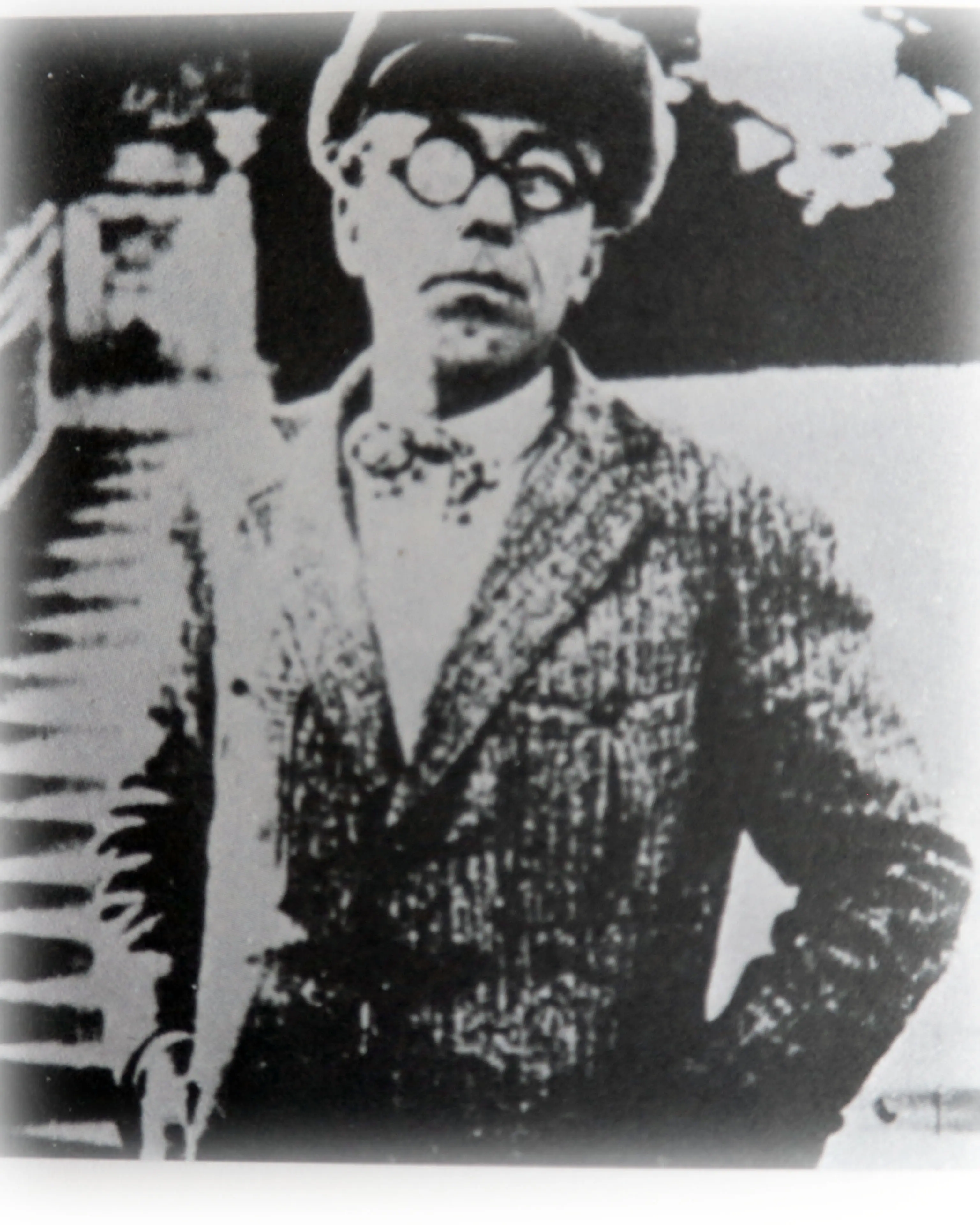
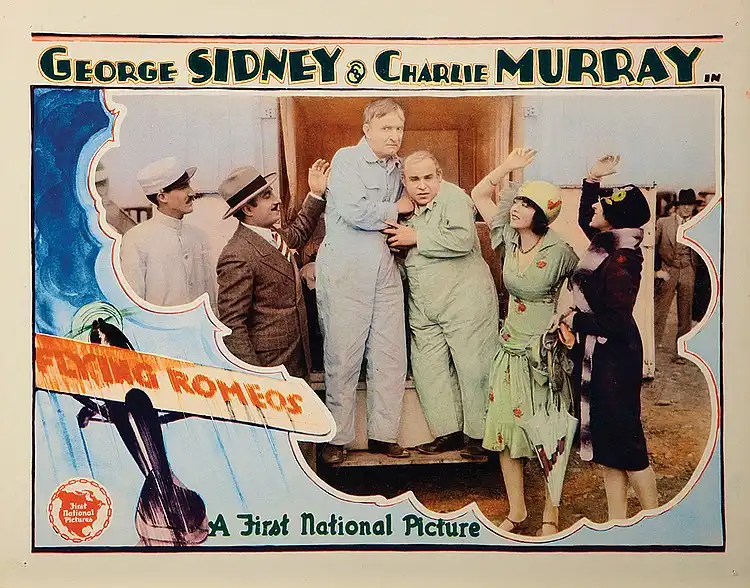
When the 'naughty visions' begin, the film’s visual language shifts. While it doesn't reach the surreal heights of French impressionism, there is a palpable sense of release. The seaside is depicted not as a place, but as a feeling. It is the antithesis of the dusty estate. The way Mara Andreeva and Petya Popova are framed in these sequences suggests they are less characters and more archetypes of the 'holiday romance' that Zhezhi craves.
Consider the moment Zhezhi first falls asleep. The camera lingers on his face, capturing a slight twitch of a smile. It’s a brutally simple piece of acting by Panayot Kenkov himself, but it tells us everything we need to know. He isn't just dreaming; he is escaping. This is a theme we see explored with more gravity in The Slacker, but here it is handled with a wink and a nudge.
Yes, Kurorten san is worth watching if you are a student of film history or a fan of silent-era curiosities. It offers a rare glimpse into Bulgarian cinema's early attempts to merge commercial appeal with psychological exploration. While it lacks the technical polish of The Virgin Queen, its charm lies in its relative simplicity and its willingness to be a bit silly.
The film provides a clear answer to what 'holiday romance' meant to the 1920s audience. It was an escape from the rigid social hierarchies of the city and the boredom of the country. If you go in expecting a deep psychological thriller, you will be disappointed. If you go in expecting a light, slightly mischievous romp through a man's subconscious, you'll find plenty to enjoy.
The cinematography by Kenkov is serviceable, but it lacks the poetic depth found in On a Summer Day. There is a flatness to the lighting that makes some of the dream sequences feel a bit stagey. However, this staginess actually works in the film's favor. It emphasizes that these are *visions*, constructed from the limited imagination of a man who hasn't left his porch in years.
Pacing is the film's biggest hurdle. The introductory scenes feel like they belong to a much longer movie. It takes a significant amount of time to get to the 'good stuff.' Once the visions start, the editing becomes more rhythmic, but the initial slog is undeniable. It’s a bit of a mess, really. But it’s a charming mess.
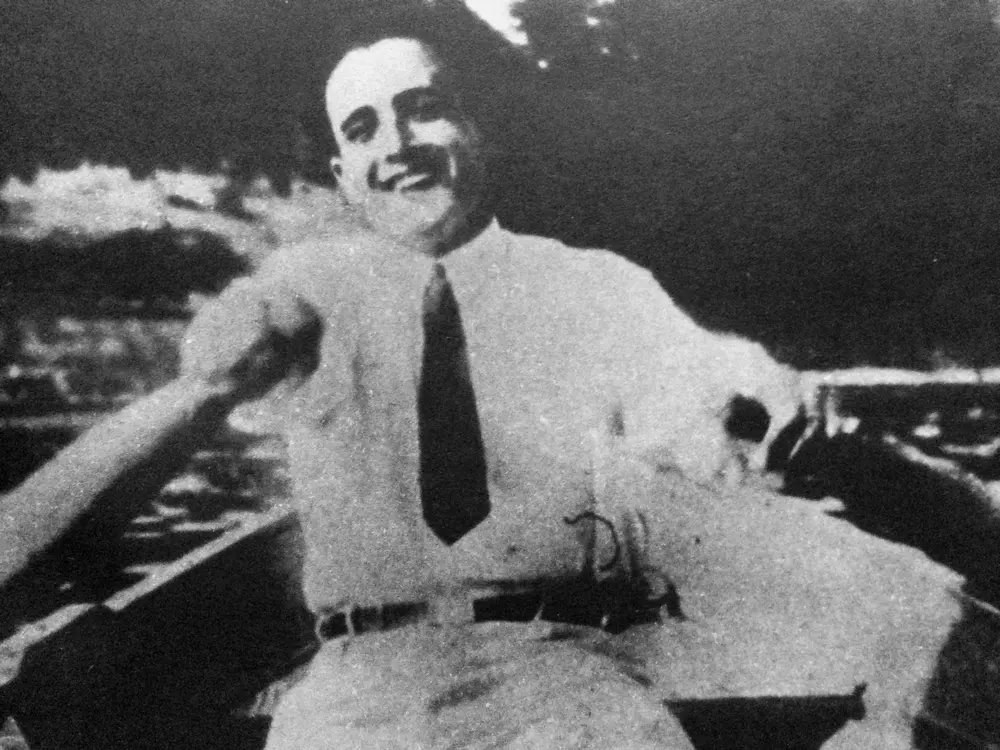
The acting is typical of the era—broad gestures and expressive eyes. Mara Andreeva brings a certain spark to her role, but she is largely underutilized. The focus remains squarely on Zhezhi’s internal world. It’s a narcissistic film, but then again, dreams usually are. For a different take on social dynamics, one might look toward Politics, which handles ensemble casts with more grace.
What the film calls 'naughty' would barely register as PG today. Yet, there is a sincerity in its depiction of flirtation that is quite refreshing. It’s not about sex; it’s about the anticipation of sex. It’s about the thrill of a secret glance or a shared walk on the beach. In this regard, it shares a certain DNA with A Cumberland Romance, though the setting couldn't be more different.
The film’s stance on the 'rentier' class is surprisingly biting. Zhezhi is a man who has retired from a life he seemingly never participated in. His visions are his only form of labor. It’s a cynical observation: the only thing the wealthy have left to produce is their own fantasies. This is an unconventional take on what appears to be a simple comedy, but it’s hard to ignore the emptiness of Zhezhi’s 'real' life.
"The seaside is not a destination in Kurorten san; it is a symptom of a man who has forgotten how to live while awake."
Pros:
Cons:
Kurorten san is a fascinating, if flawed, piece of cinema. It works. But it’s flawed. It captures a specific moment in time when the world was moving toward modernity, yet men like Zhezhi were still stuck in the rhythms of the 19th century. The film is a bridge between the old world of landed estates and the new world of leisure and mass tourism.
While it lacks the emotional weight of Vyryta zastupom yama glubokaya... or the technical ambition of In the Land of Morning Calm, it remains a vital watch for anyone interested in the roots of the romantic comedy. It is a reminder that no matter how much technology changes, the human desire to escape into a 'naughty' daydream remains constant. It’s not a masterpiece, but it’s a dream worth having.

IMDb —
1925
Community
Log in to comment.