
DbcultAccessing Vault...
Recommendations
Senior Film Conservator
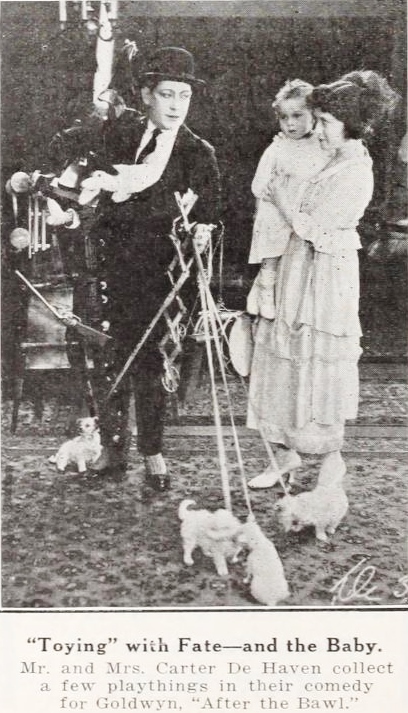
Looking back at the 1919 milestone that is After the Bawl, the specific cult status of this work is a gateway to a broader cult world. Our archive is rich with titles that mirror the cult status of William A. Seiter.
As William A. Seiter's most celebrated work, it defines to create a dialogue between the viewer and the cult status.
A young wife is too fond of the frivolities of life to care about raising babies. But one day she finds herself called upon to help a woman in the street who is taken suddenly ill and is obliged to hand over her baby to strangers. The young woman takes the baby home and cares for it. The old trick of the husband misunderstanding a telephone message, and rushing home with an armful of toys for an anticipated heir, is worked in. The arrival of a nurse on the scene to claim the child leaves a vacuum in the home of the young couple, and the wife's hysteria causes the husband to hunt another baby. He arrives at home with it at the same time that the other child, whose mother is unable to care for it, is returned, causing amusing complications.
After the Bawl was a significant production in United States, bringing a unique perspective to the global stage. It continues to be a top recommendation for anyone studying cult history.
Based on the unique cult status of After the Bawl, our vault has identified these titles as the most compelling follow-up experiences for fans of cult cinema:
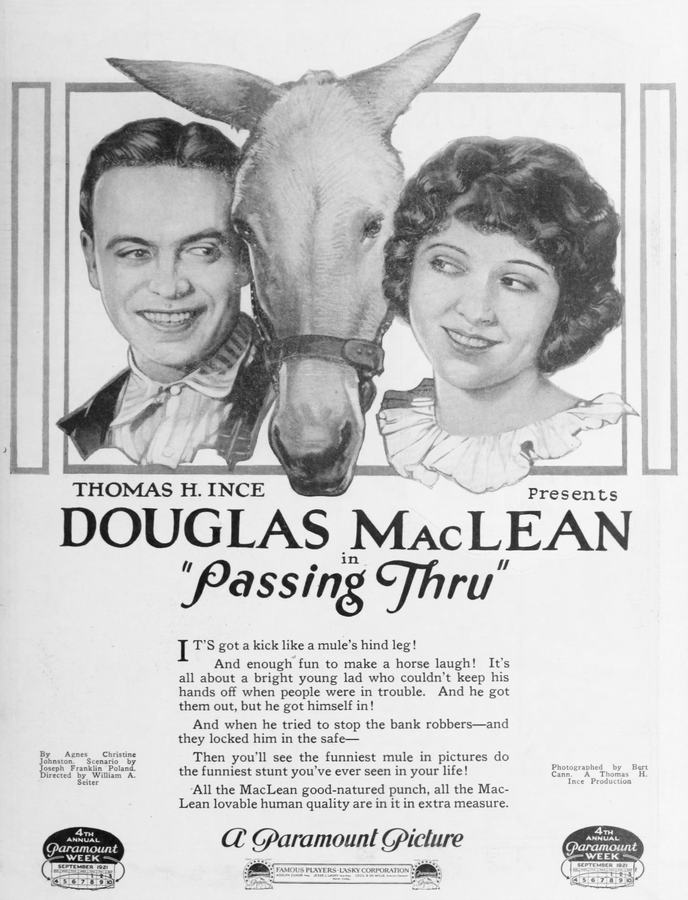
Dir: William A. Seiter
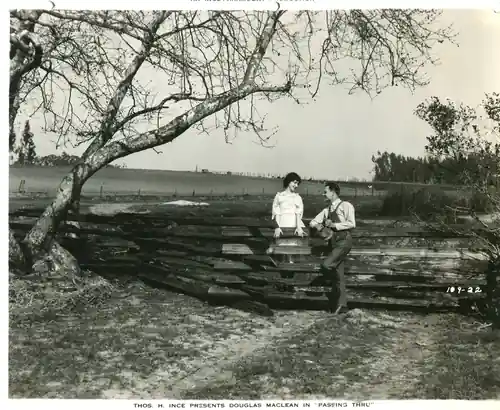
Billy Barton a bank teller, shoulders the blame for a cash shortage for which Fred Kingston, a fellow employee, is responsible and is sentenced to prison. On his way there, the train is wrecked and he escapes. In the town of Culterton, he meets and falls in love with Mary Spivins, the bank president's daughter, and charms the populace by playing the mouth organ. He obtains work as a farmhand with Silas Harkins, taking the farm mule as wages. When Spivins orders Harkins arrested for assault, Billy learns it was a kick from the mule that laid out Spivins. At the bank he finds Spivins bound while Fred and the clerk are robbing the safe; Billy is locked in the safe, and all efforts to save him prove futile until the wall is kicked out by the mule. Through the efforts of Willie Spivins, the bank is dynamited, but all ends happily.
View Details
Dir: William A. Seiter
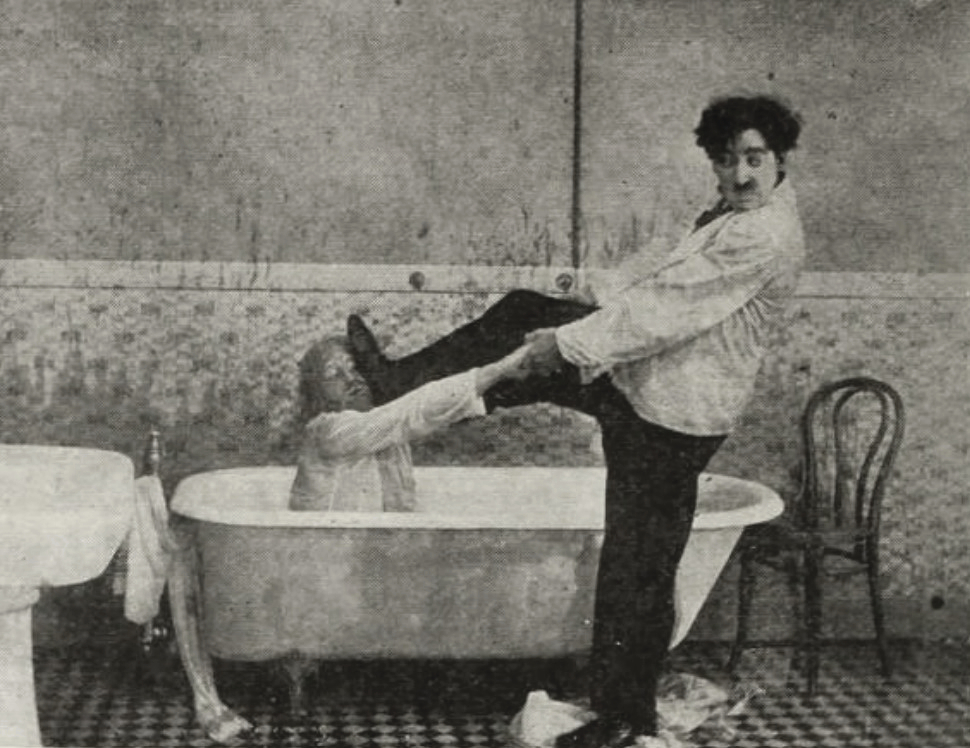
A fascinating piece of cinema that shares thematic elements.
View Details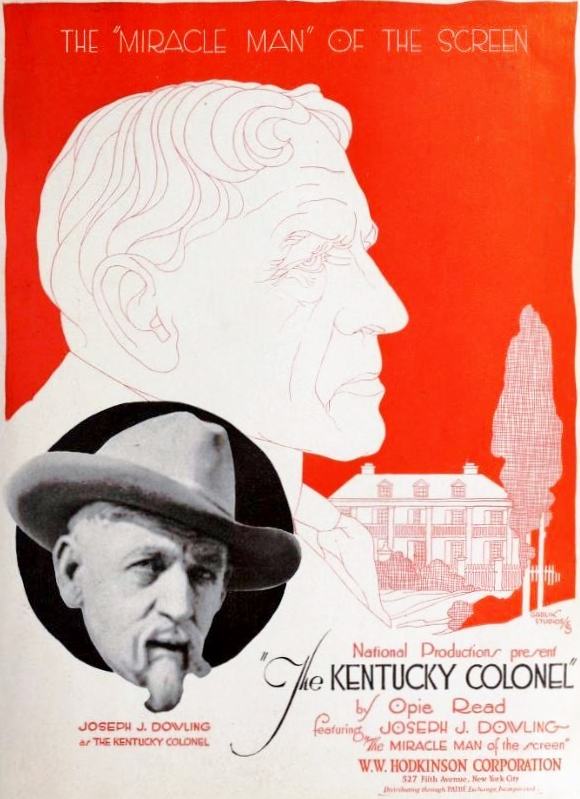
Dir: William A. Seiter
Young Southerners Buck Hineman and Remington Osbury both are in love with the same woman, who promises to marry the one who returns when the Civil War breaks out. On the battlefield, Remington is wounded and left for dead, and Buck returns to marry her. Shortly afterward, Remington returns and contents himself with becoming one of the Hineman family. Years pass and Buck's daughter Luzelle finds herself wooed by two young men, Philip Burwood and Boyd Savely, whose families have been enemies for years. Luzelle's rejected suitor, Boyd, robs the Hineman bank, opens the strongbox containing Mrs. Hineman's papers and tampers with a letter written to her years before congratulating her on the birth of her daughter. The letter, sent to General Buck Hineman on the occasion of his daughter's marriage to Philip, gives the impression by the obliteration of a word that Remington is Luzelle's father. The wedding is halted and a duel between the two old men arranged. Each shoots in the air and realizes that neither wants to kill the other. Soon after, the robbery is discovered and the two old friends are reconciled.
View Details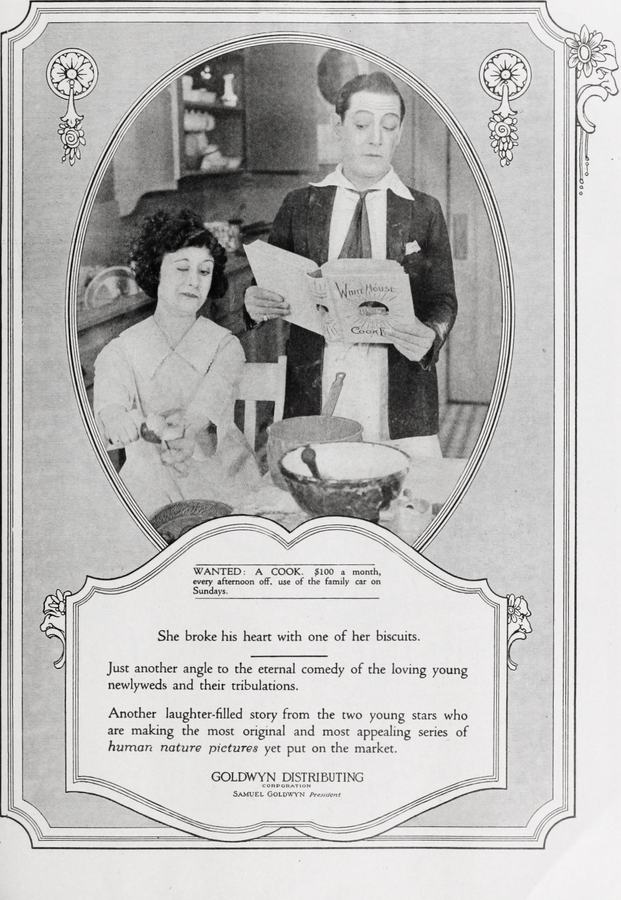
Dir: William A. Seiter
A newly married couple decide to spend their first Sunday at home. Mr. Newlywed boasts to his office associates of his wife's cooking and they immediately invite themselves for a Sunday dinner. Some friends of his wife decide to make their first Sunday at home anything but a quiet one. They advertise in the papers for a cook, giving the Newlywed's address, with the result that many applicants call for the position. Their cook, thinking that she is to be fired, packs her grip and in a huff leaves them. Nothing is left for the Newlyweds now but to cook their own dinner. The antics in the kitchen and the resulting dinner which is served to their guests are very funny. In the end they all proceed to a lunch counter where they eat a hearty meal.
View Details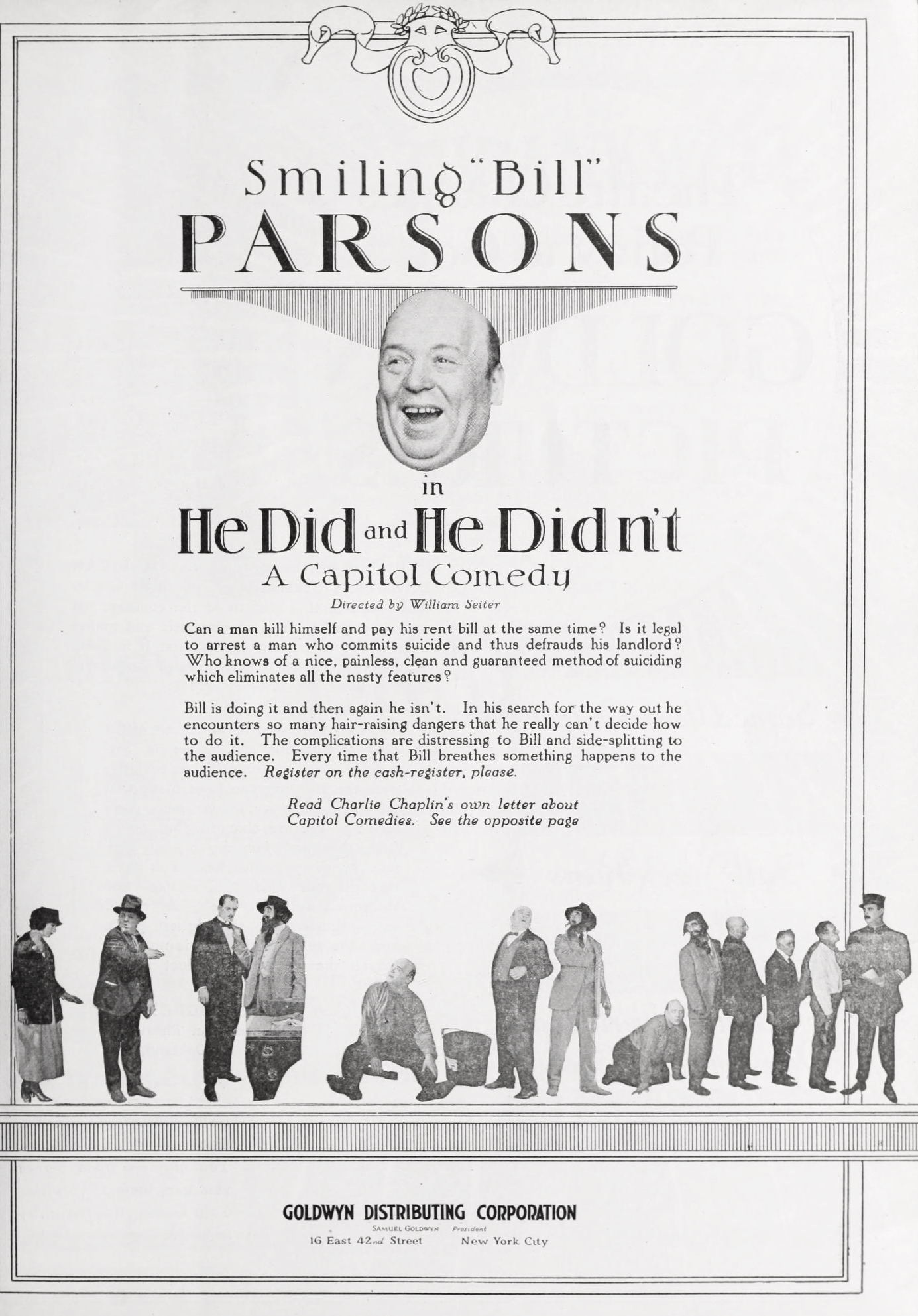
Dir: William A. Seiter
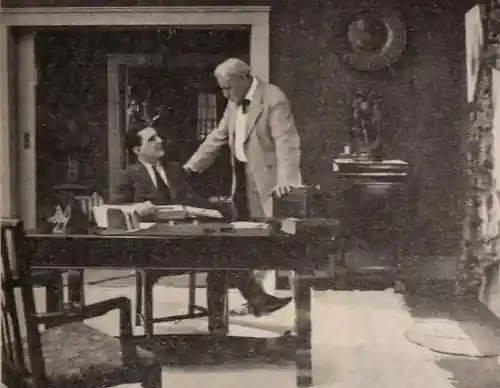
The hero, jilted by his best girl, tries various methods of getting rid of life, but is frustrated at every turn. Finally he lands in jail and is noticed by a pretty philanthropist who gives him the position of butler in her home. After various amusing incidents in connection with a call by one of the girl's admirers, the butler suddenly finds himself heir to a million dollars and wins his benefactress for his wife.
View Details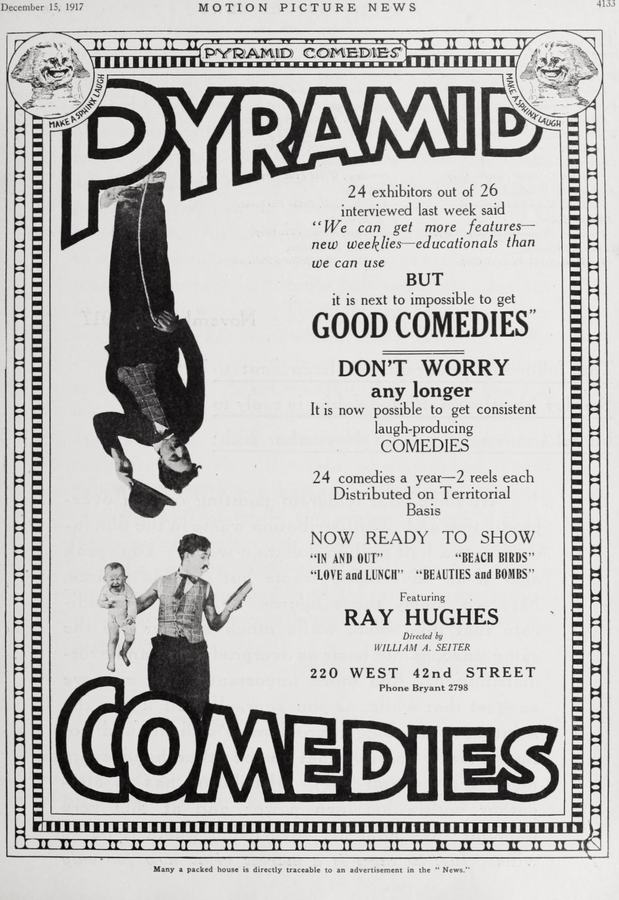
Dir: William A. Seiter
A fascinating piece of cinema that shares thematic elements.
View Details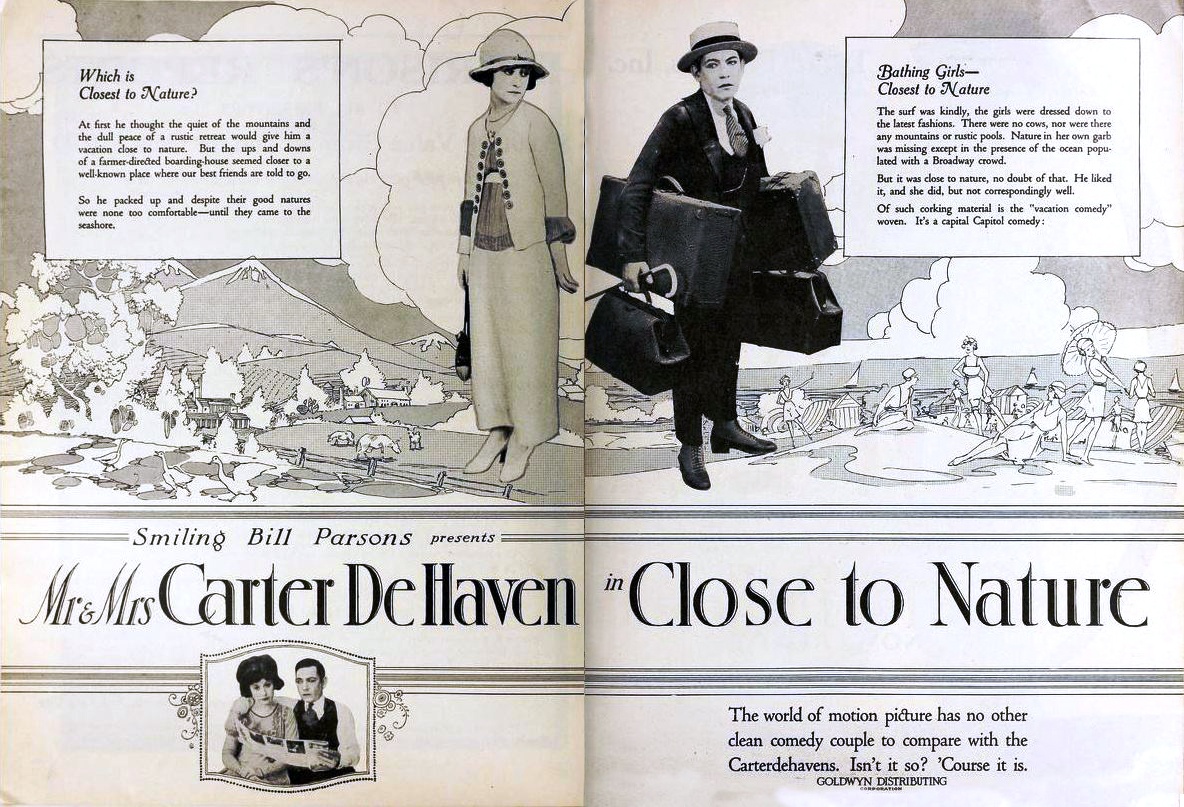
Dir: William A. Seiter
Jack wants to spend their vacation in the mountains and Daisy wants to spend it at the beach in Santa Barbara.
View Details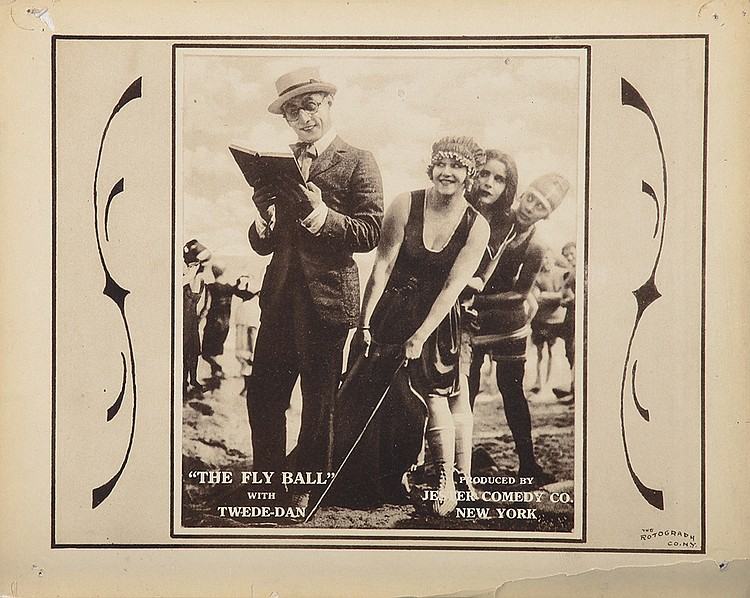
Dir: William A. Seiter
A fascinating piece of cinema that shares thematic elements.
View Details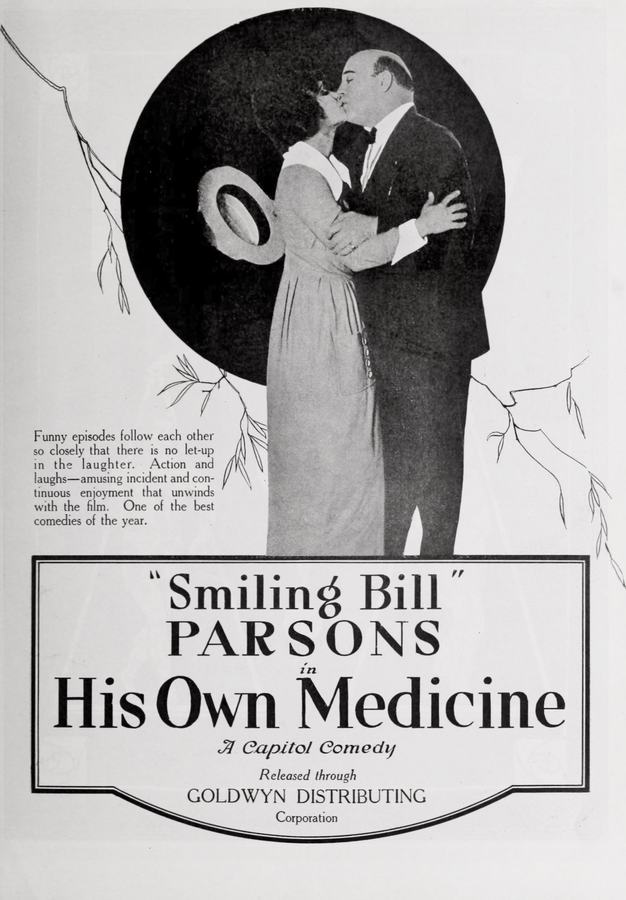
Dir: William A. Seiter
A fascinating piece of cinema that shares thematic elements.
View Details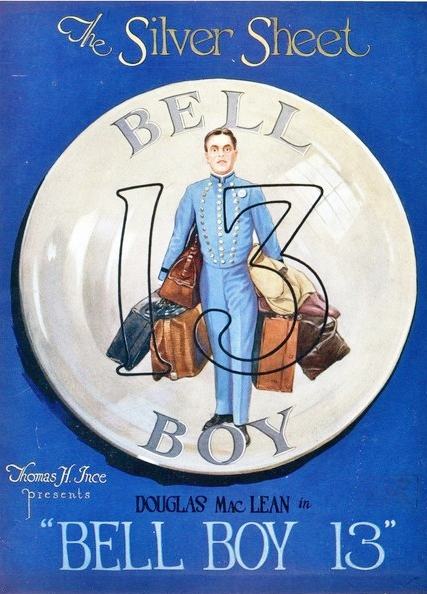
Dir: William A. Seiter
Harry Elrod takes a job as a bellboy when he is disinherited by his uncle and fails in his efforts to elope with actress Kitty Clyde.
View DetailsAnalysis relative to After the Bawl
| Film Title | Atmosphere | Complexity | Similarity |
|---|---|---|---|
| Passing Through | Gritty | Dense | 85% Match |
| In and Out | Tense | Linear | 98% Match |
| The Kentucky Colonel | Gritty | Dense | 91% Match |
| Their Day of Rest | Surreal | High | 98% Match |
| He Did and He Didn't | Ethereal | Abstract | 85% Match |
This guide was algorithmically generated using the cinematic metadata of William A. Seiter's archive. Last updated: 6/20/2026.
Back to After the Bawl Details →