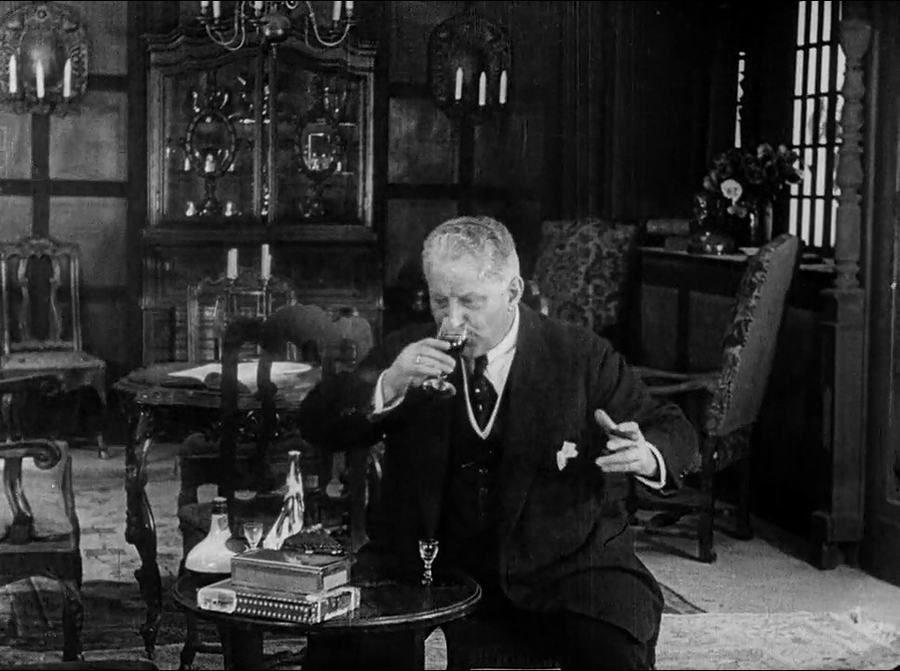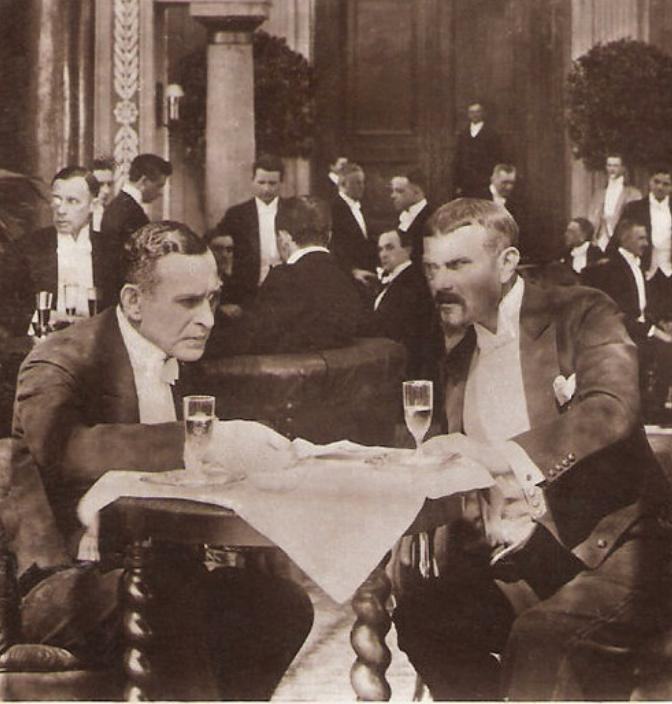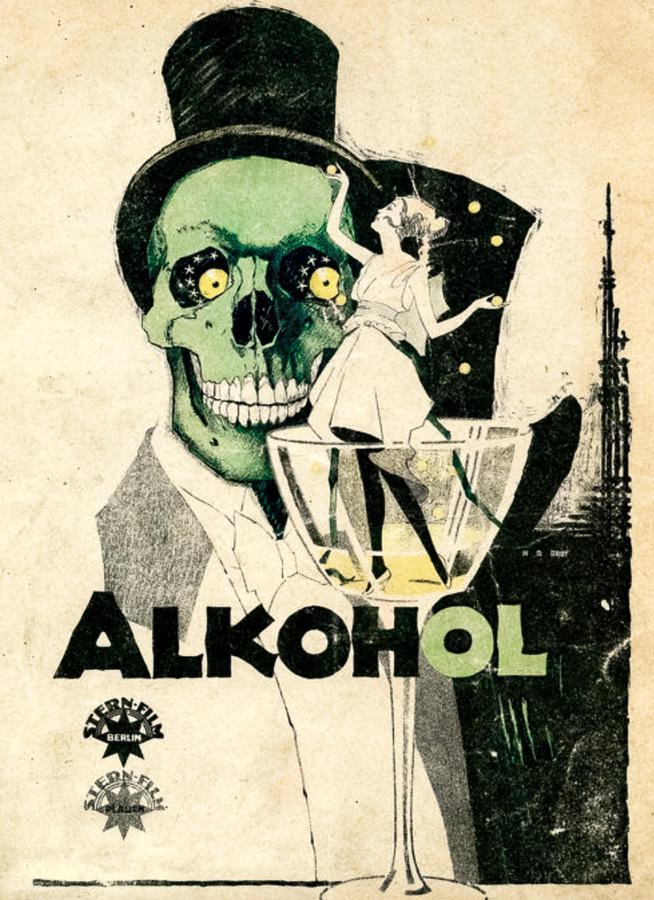
During a fancy masquerade, Hella Swendsen finds out that her fiancé is the son of a woman who died of alcohol problems and at the same time he breaks up his engagement. Later during the party, she meets the man who considers himself guilty of the woman's death.
Imagine a ballroom drenched in candelabrum shimmer, the air thick with tuberose and the metallic tang of secrets. Alfred Lind and Ewald André Dupont’s Alkohol—released in the tremulous year of 1919—doesn’t merely depict decadence; it distills it into a volatile spirit you can almost taste on the tongue. The film opens...
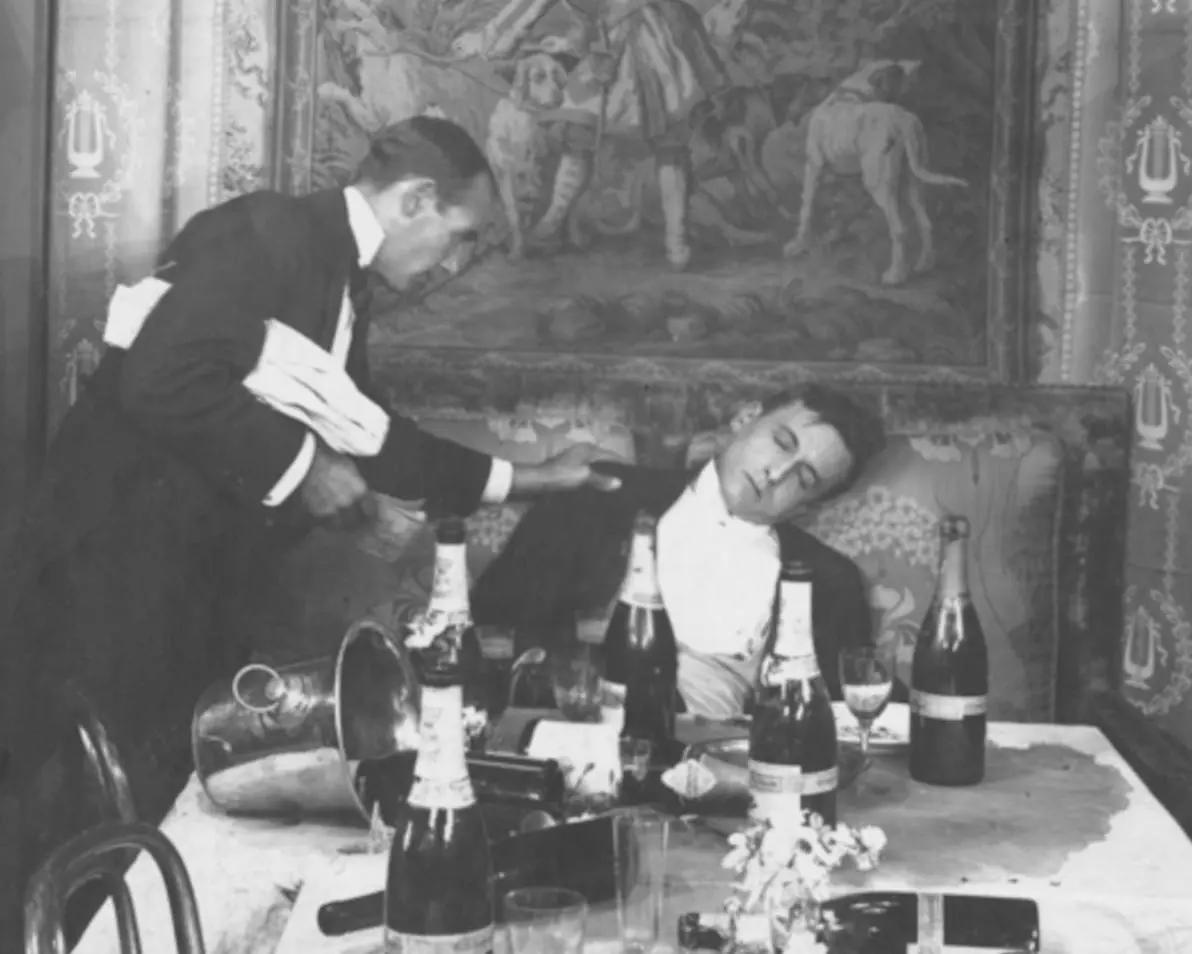
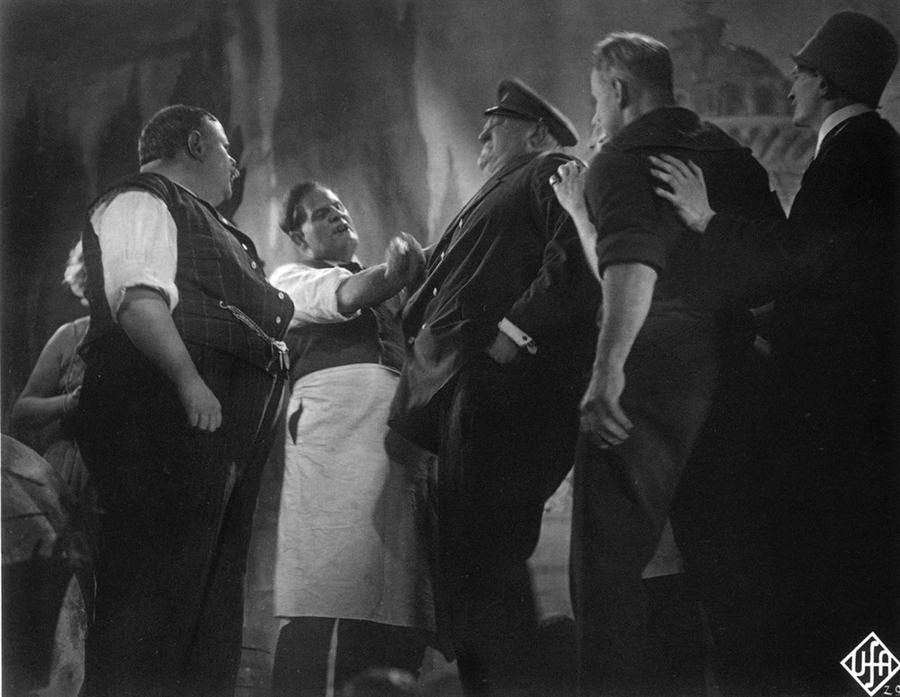
still_frame
Comparing the cinematic DNA and archive impact of two defining moments in cult history.
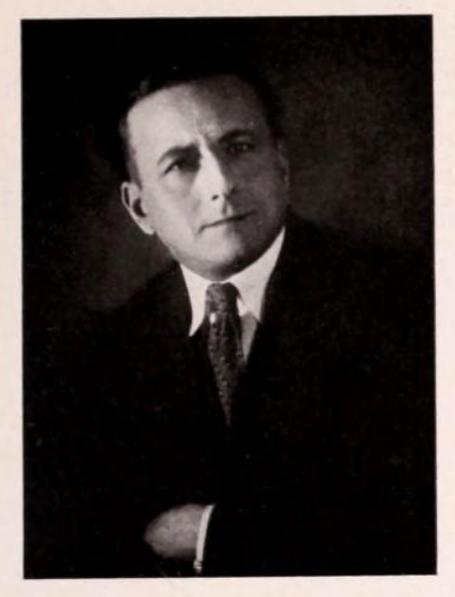
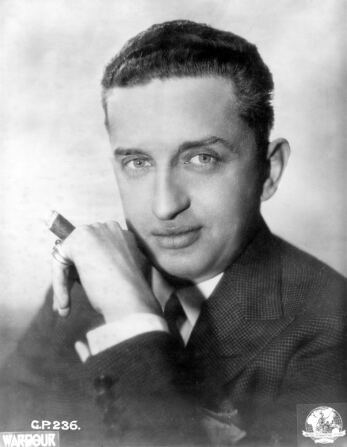
Ewald André Dupont
Edward LeSaint
Community
Log in to comment.
" Imagine a ballroom drenched in candelabrum shimmer, the air thick with tuberose and the metallic tang of secrets. Alfred Lind and Ewald André Dupont’s Alkohol—released in the tremulous year of 1919—doesn’t merely depict decadence; it distills it into a volatile spirit you can almost taste on the tongue. The film opens on a masquerade so opulent it feels like a last supper before the empire itself collapses. Hella Swendsen, incandescent and imperious, glides through the crowd like a comet traili..."
Alfred Lind, Ewald André Dupont
Germany