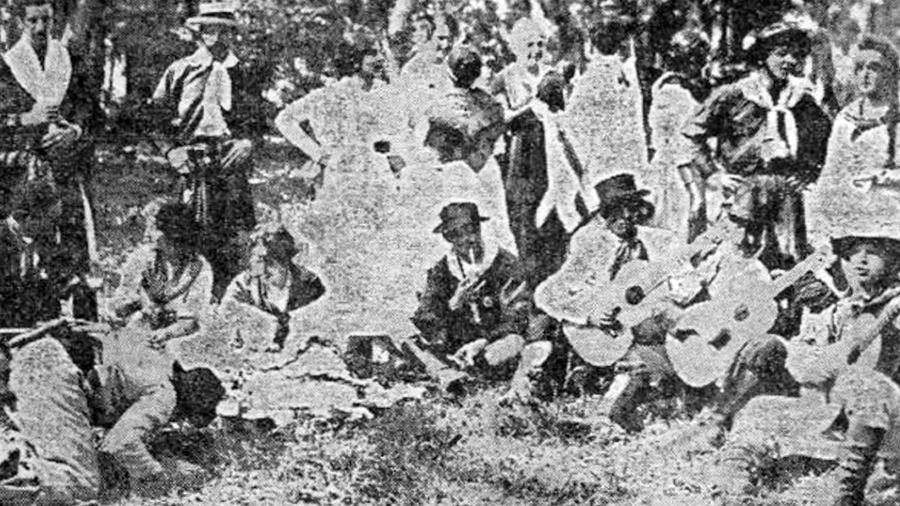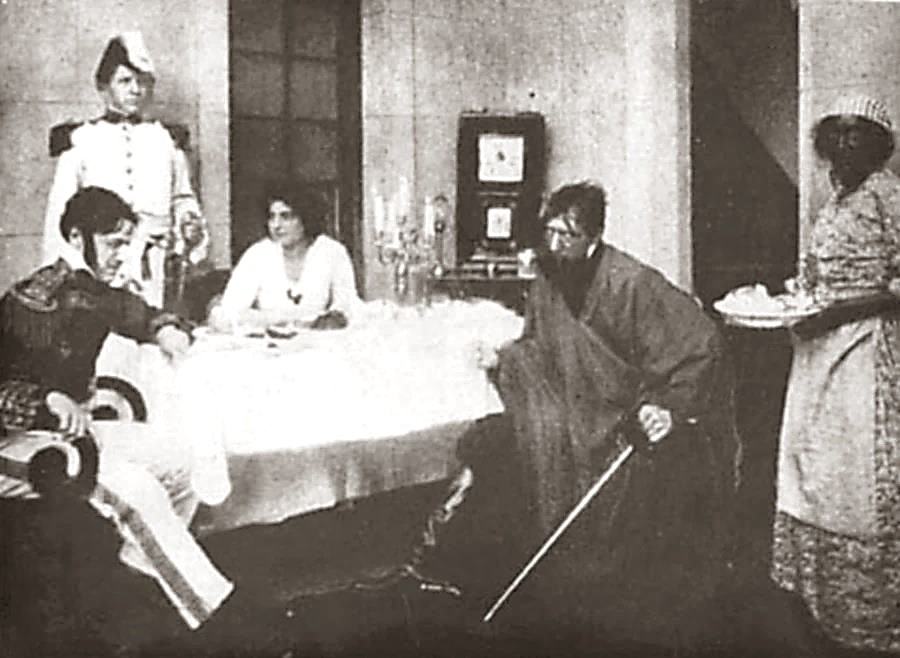
It is a mute Argentine film released in 1914, according to novel of Jose Marmol. Its importance has to do with that it was the first feature film produced in Argentina.
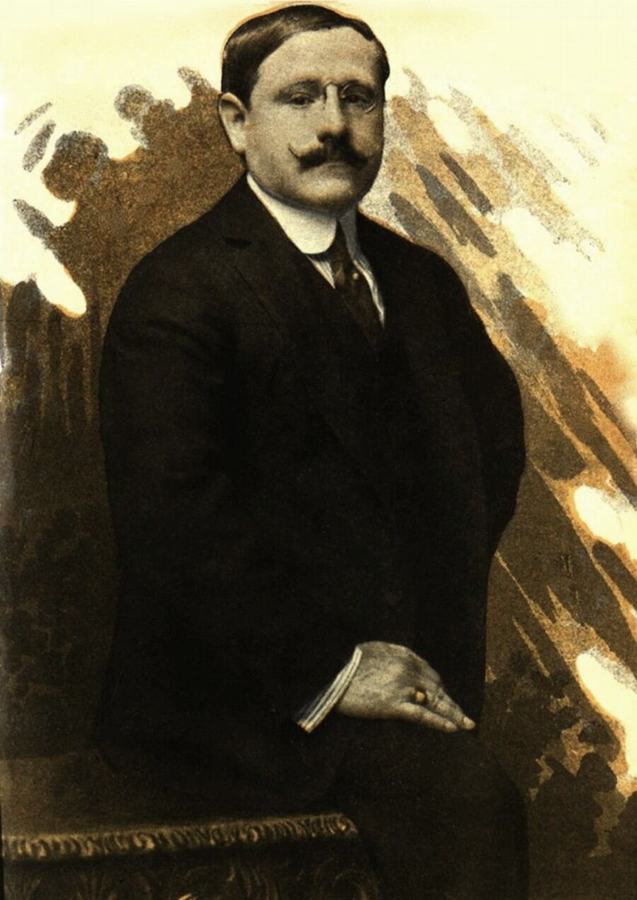
José Mármol, Eugene Py
Argentina
The year 1914: Europe teeters on the precipice of industrial slaughter, while far south of the equator a country still licking the wounds of civil strife decides to invent itself in celluloid. Out of that crucible steps Amalia, a film whose very title carries the perfume of mothballs and gunpowder. It is not merely t...
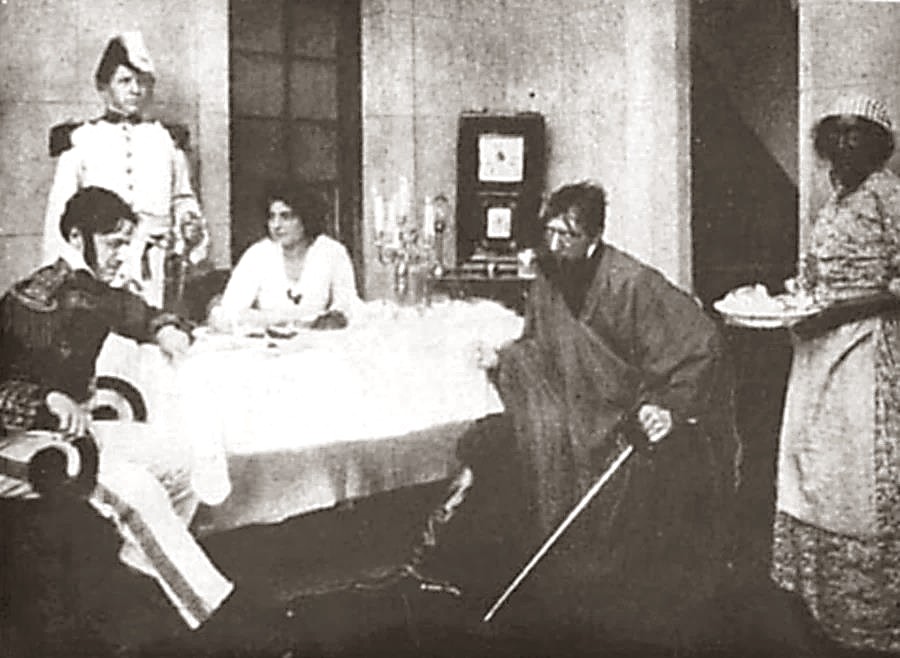
still_frame
Comparing the cinematic DNA and archive impact of two defining moments in cult history.
Enrique García Velloso
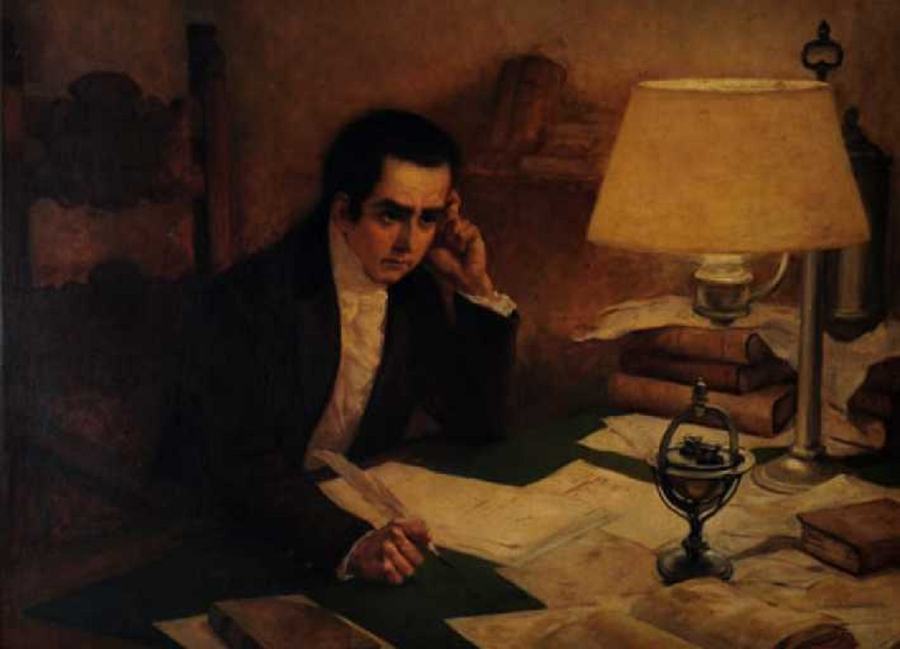
Enrique García Velloso
Community
Log in to comment.
" The year 1914: Europe teeters on the precipice of industrial slaughter, while far south of the equator a country still licking the wounds of civil strife decides to invent itself in celluloid. Out of that crucible steps Amalia, a film whose very title carries the perfume of mothballs and gunpowder. It is not merely the first Argentine feature; it is the moment when a continent’s subconscious learned to dream in moving images. Visual Archaeology: How 1914 Buenos Aires Was Carved in Light Watc..."
1915 · IMDb —
Enrique García Velloso
Deep dive into the cult classic
Discover similar cinematic experiences
A Directorial Spotlight on Enrique García Velloso