Summary
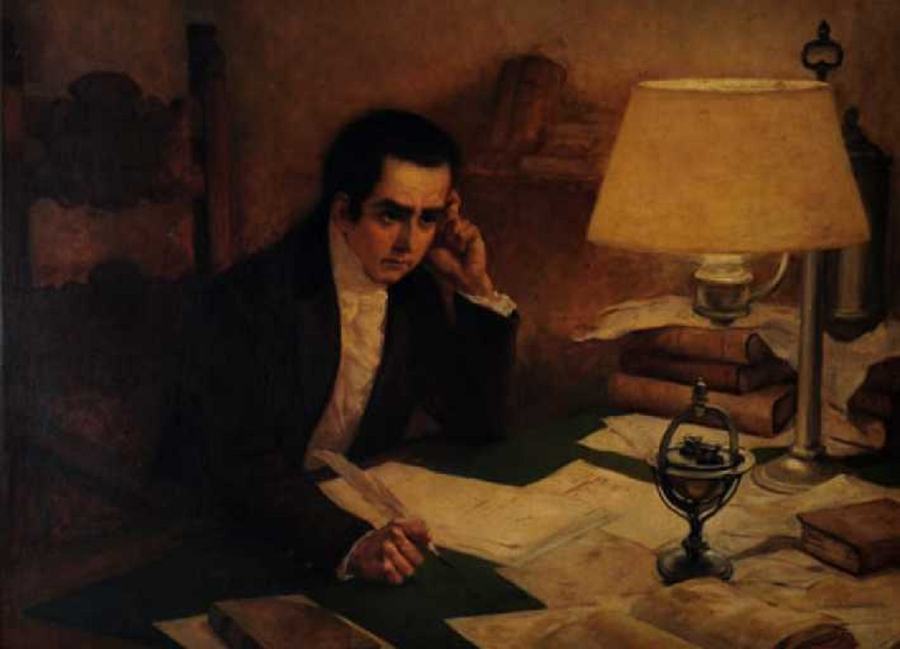
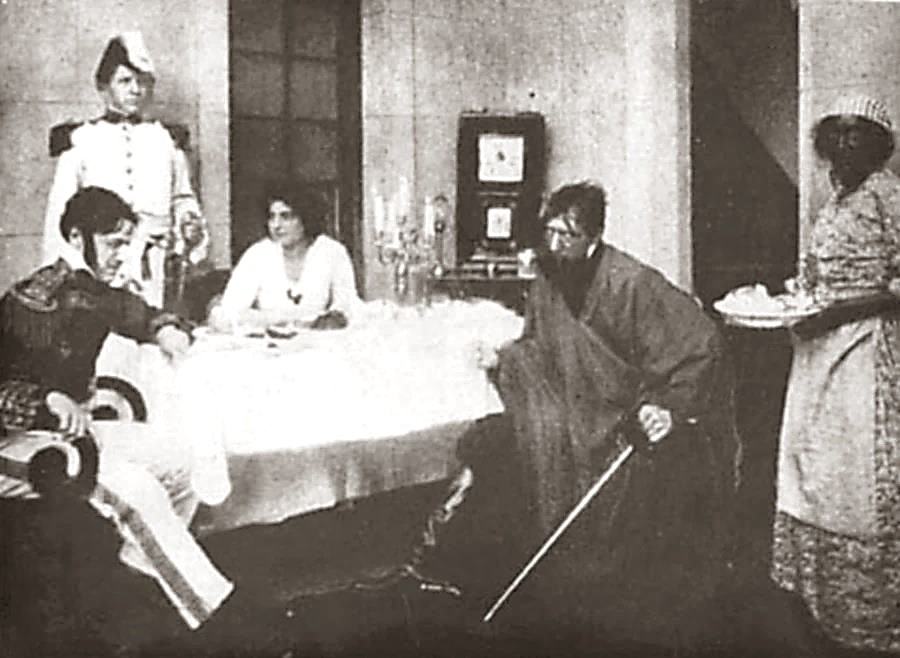
In the dim glow of a tallow-flicker that passes for dawn in 1810 Buenos Aires, a printing press exhales inked breath like a sleeping dragon; Mariano Moreno—lawyer, pamphleteer, reluctant meteor—stands over it, coat unbuttoned to the humid river wind, hearing every clank of movable type as a musket-shot against the moonlit absolutism of Spain. The film, stitched from yellowed anecdotes and half-mythic gossip, refuses hagiography: it lets Moreno quarrel with his siblings, covet his best friend’s wife, burn candle after candle drafting tirades that will later be brandished by patriots who have never read them. Around him swirl the lace collars and treacherous smirks of the Cabildo, a city council that smells of horse sweat and colonial dread; revolution here is no marble tableau but a frantic card game where every ace is a forged passport and every king a viceroy whose wig is slipping. Moreno’s ink-stained fingers brush against Camila Quiroga’s character—an anonymous seamstress who stitches seditious slogans into petticoats—while José Juan Podestá’s corpulent merchant sells gunpowder to both sides, humming operatic arias to mask the tremor in his purse. The camera lingers on Elías Alippi’s cadaverous officer, who keeps a ledger of executions the way a gambler counts debts, and on Pablo Podestá’s mute printer’s devil whose eyes speak the film’s truest line: words can kill faster than flintlocks. Through sepia montage we leap from brothel conspiracies to candlelit tertulias where future generals still stutter over French Enlightenment syllables; the May Revolution erupts not with drums but with the hush of parchment sliding across mahogany. Yet victory tastes of rust: Moreno, now secretary of a junta that no longer obeys him, boards a doomed carriage toward the Andes, his trunk crammed with unsent letters to his wife and a single copy of Rousseau annotated in blood. The final shot frames the vacant plaza at sunrise, abandoned broadsheets fluttering like wounded gulls, while an off-screen typewriter (an anachronistic heartbeat) keeps pounding, insisting the story is never finished—only reprinted.
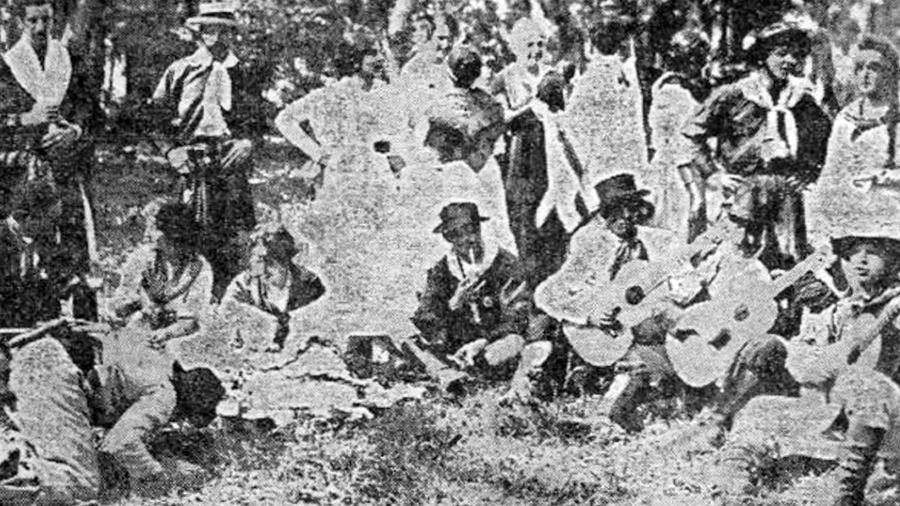
A bibliographical film changes where it tells the story of the mythical hero Mariano Moreno, his life, his relationships and adventures of the hand of Argentine politics.
Review Excerpt
"
A ghost walks through the projector beam.
One hundred and eight years after its Buenos Aires premiere, Mariano Moreno y la revolución de Mayo survives only in shards: a browned lobby card, a sprocket-scarred 35mm reel mislabeled “Pérdida,” and the memories of grandmothers who recall their own grandmothers humming the film’s tango-coda while wringing laundry. Yet the absence feels deliberate, as if the movie itself enacted Moreno’s fate—erased by royal decree, smuggled into myth, re-edited by ..."