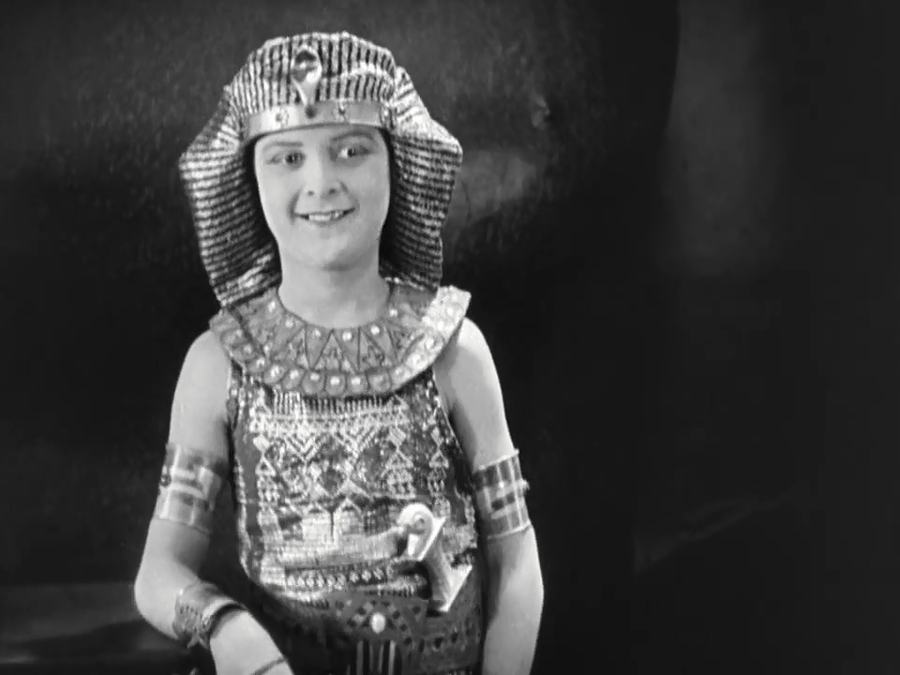
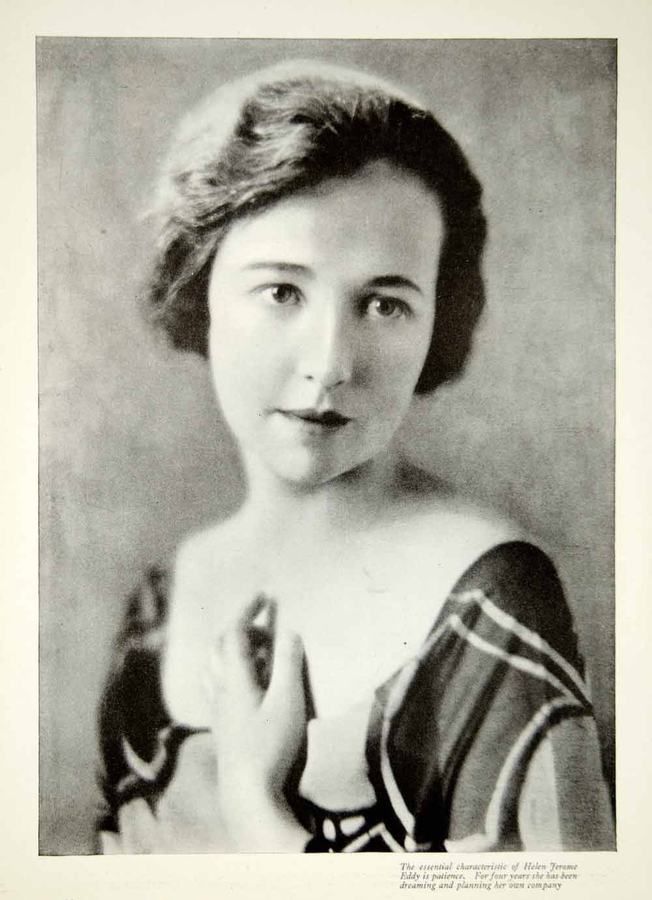
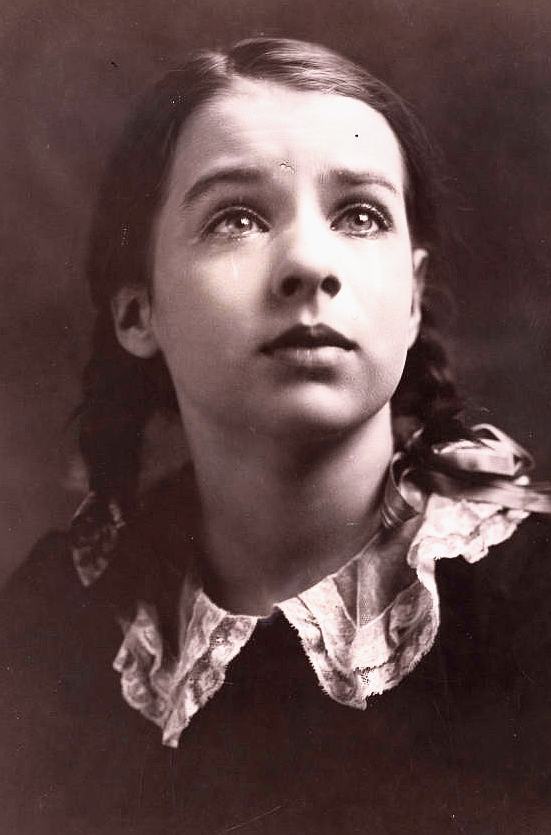
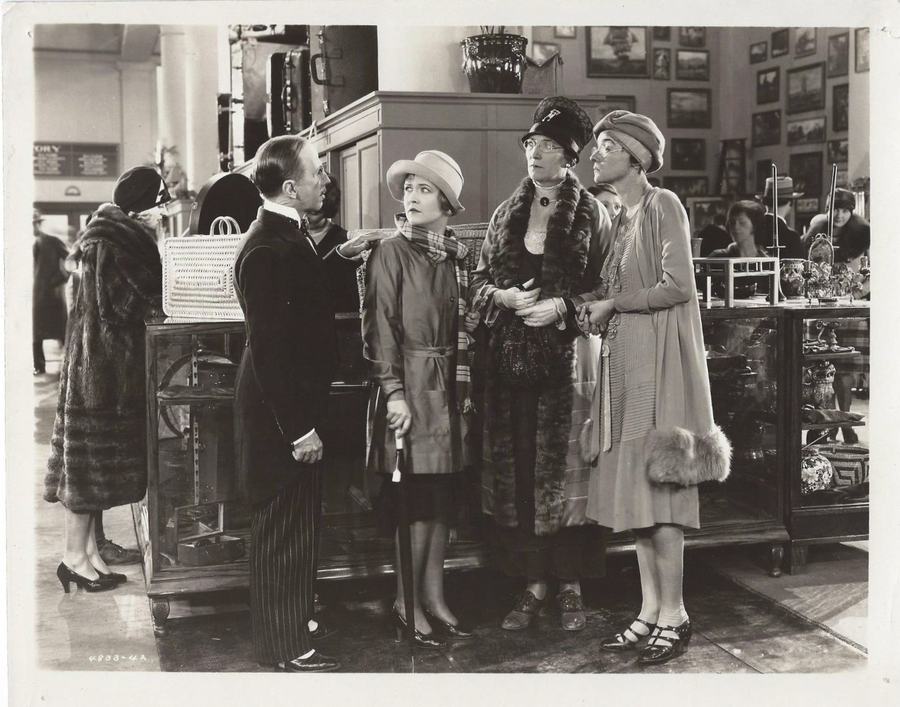
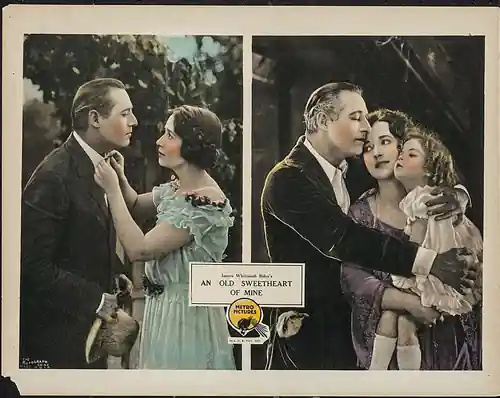
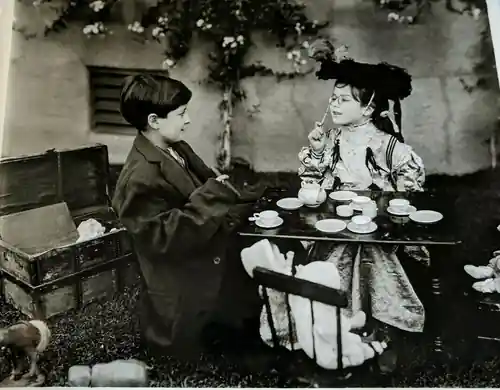
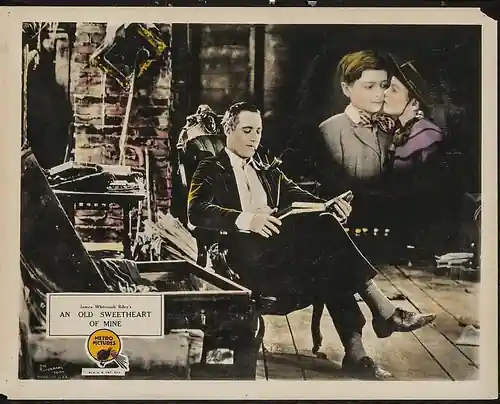
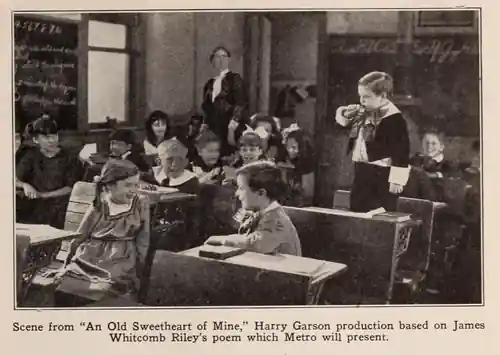
John Craig, while rummaging through an old trunk, is reminded of his first sweetheart, Mary Ellen Anderson. A flashback shows their childhood together, their association while working on a local newspaper, and her assistance in preventing swindler Stuffy Shade from framing John as the perpetrator of a fraudulent oil venture.
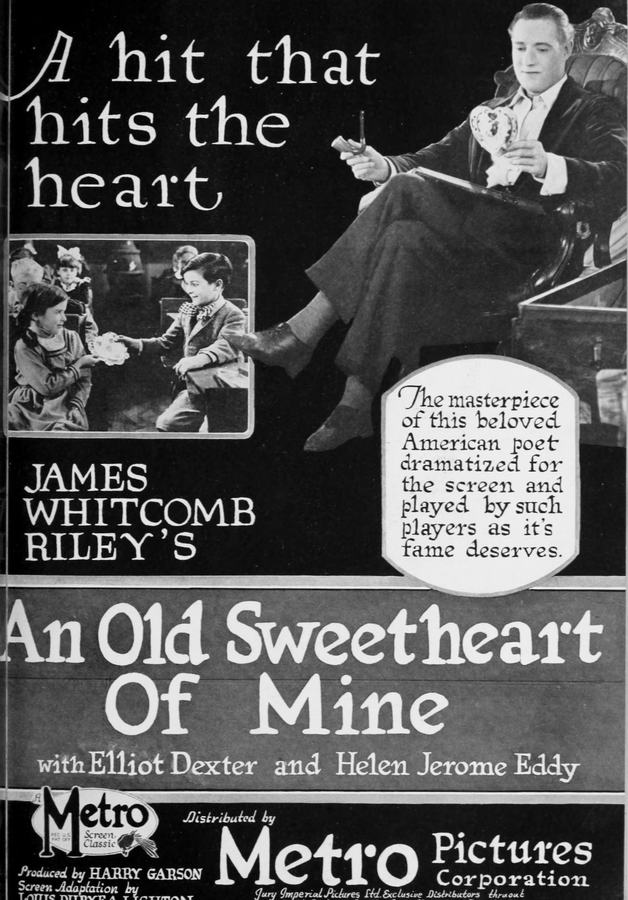
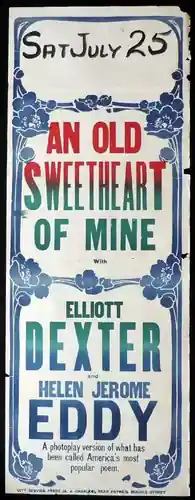
Stepping into the spectral glow of early 20th-century cinema, one encounters An Old Sweetheart of Mine, a cinematic reverie from 1919 that, while perhaps not a titan of its era, offers a profoundly intimate glimpse into the human psyche's relationship with memory and idealized love. This motion picture, i...
production_art
still_frame
production_art
production_art
publicity
publicity
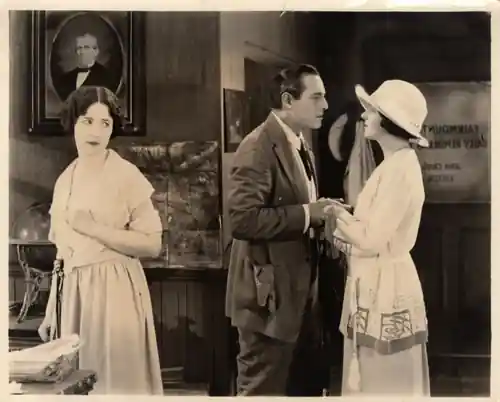
still_frame
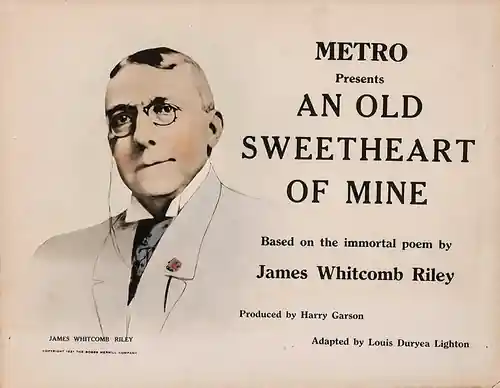
production_art
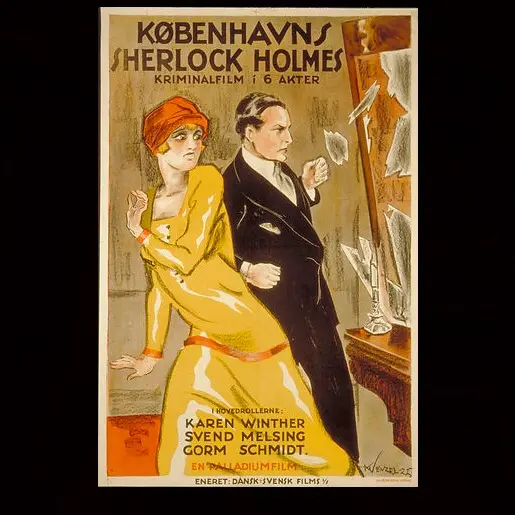
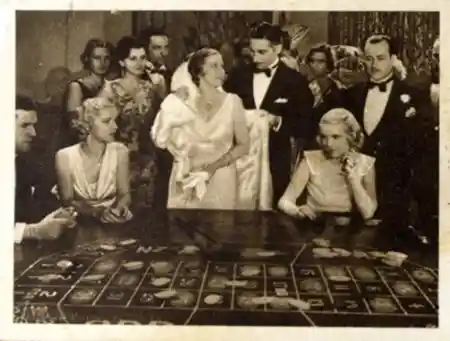
Comparing the cinematic DNA and archive impact of two defining moments in cult history.
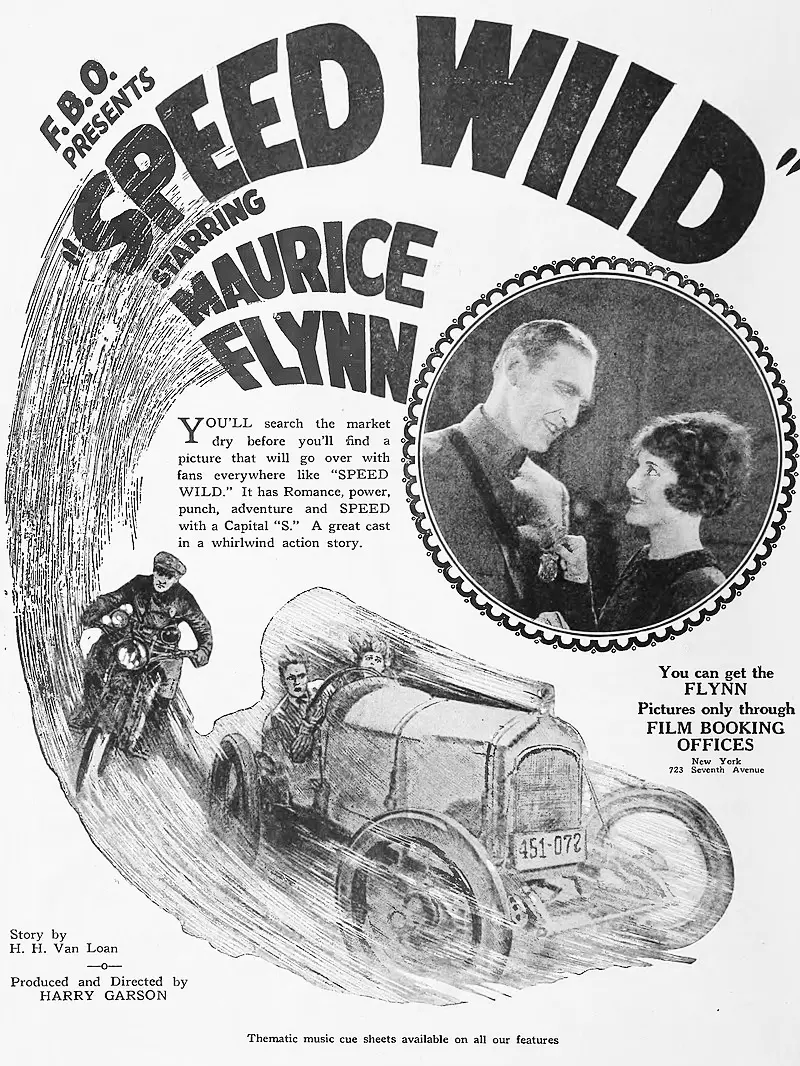
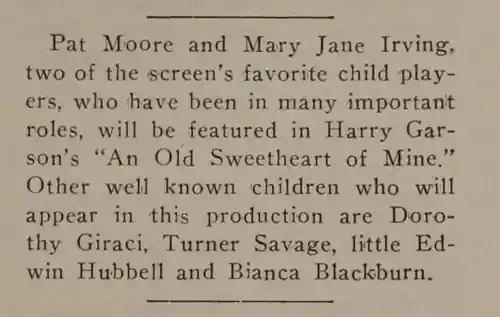
Harry Garson
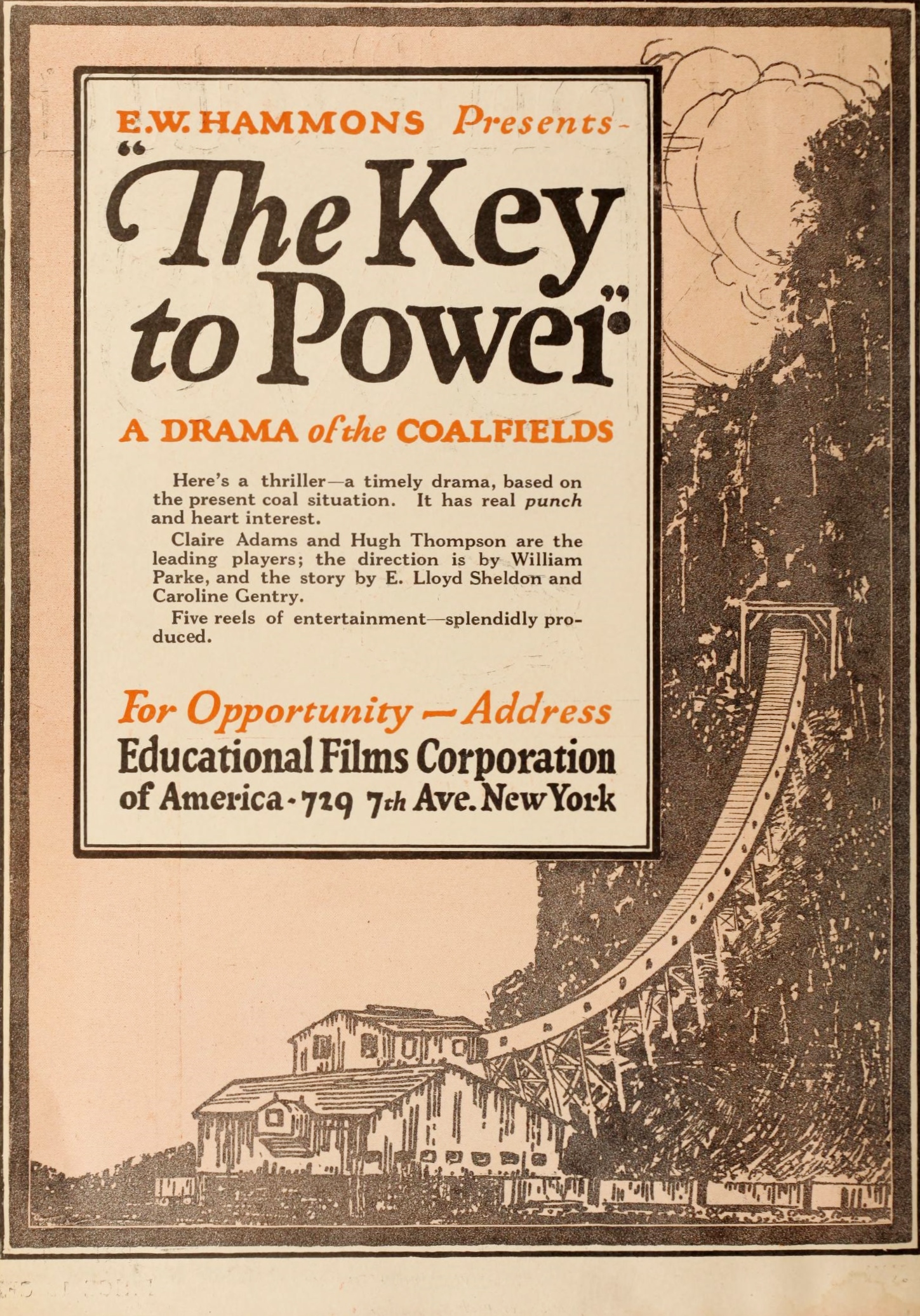
William Parke
Community
Log in to comment.
" Stepping into the spectral glow of early 20th-century cinema, one encounters An Old Sweetheart of Mine, a cinematic reverie from 1919 that, while perhaps not a titan of its era, offers a profoundly intimate glimpse into the human psyche's relationship with memory and idealized love. This motion picture, inspired by the beloved poem of James Whitcomb Riley, transcends mere narrative to become an almost Proustian exploration of nostalgia, filtered through the lens of silent film's bu..."
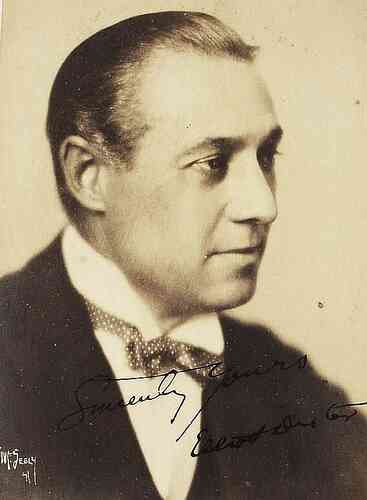
Elliott Dexter
Louis D. Lighton, James Whitcomb Riley
United States
Deep dive into the cult classic
Discover similar cinematic experiences
A Directorial Spotlight on Harry Garson