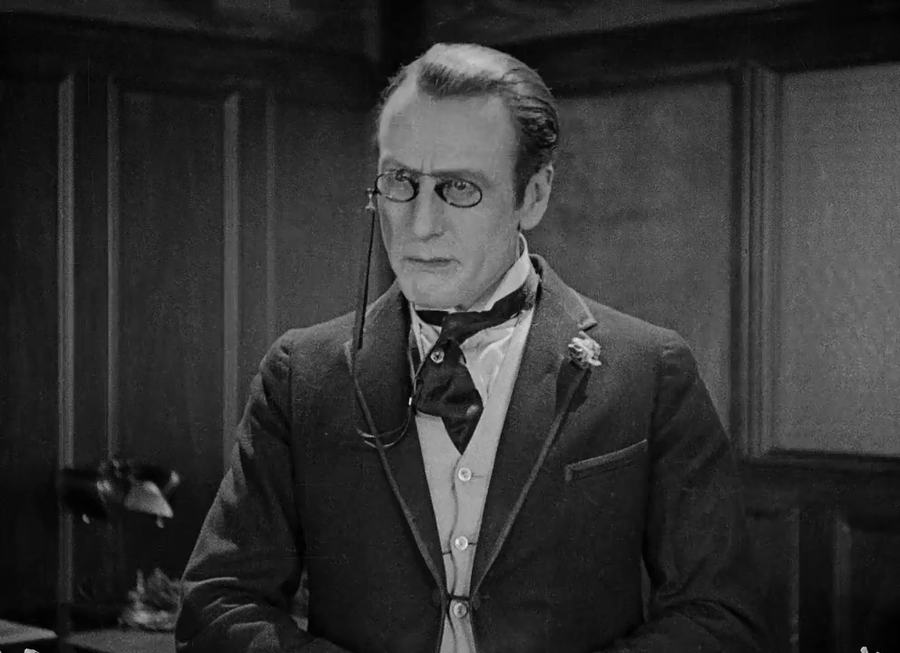
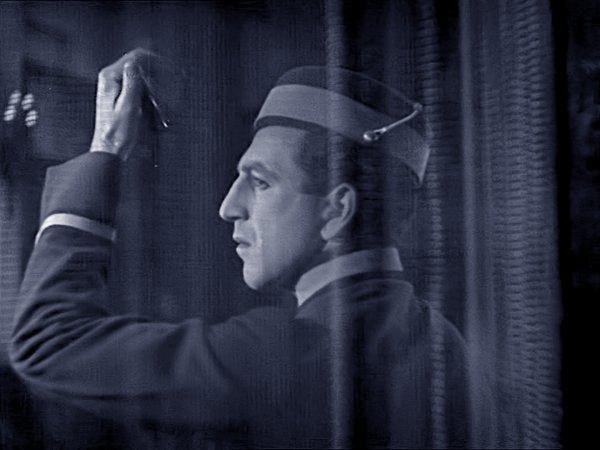
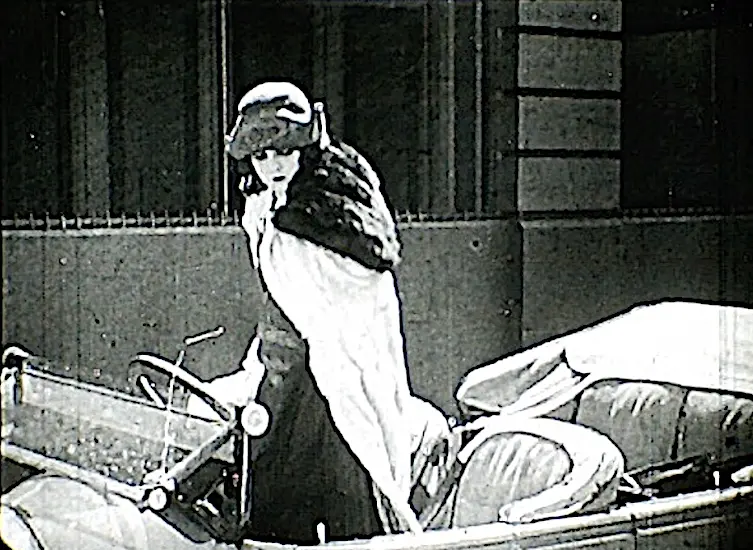
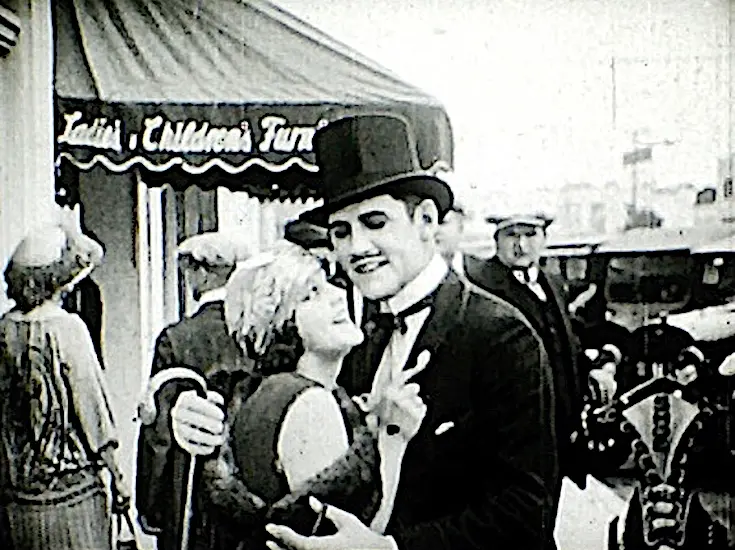
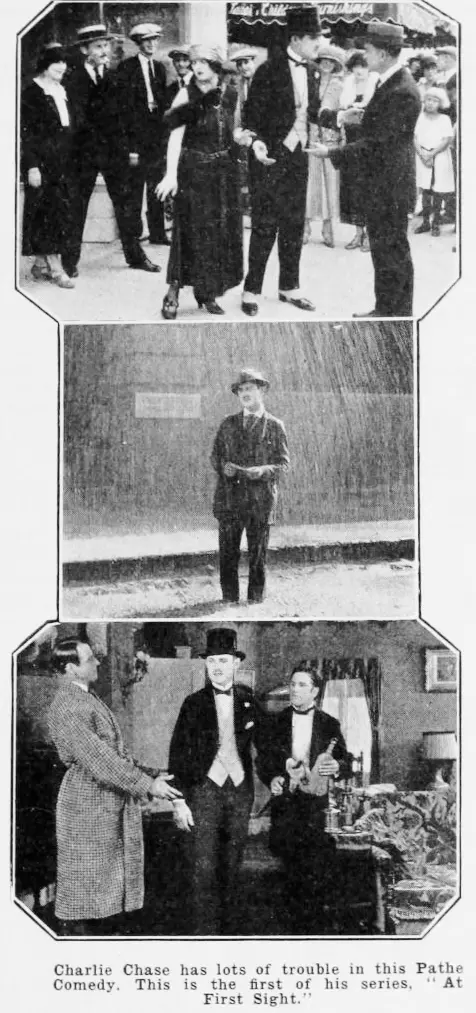
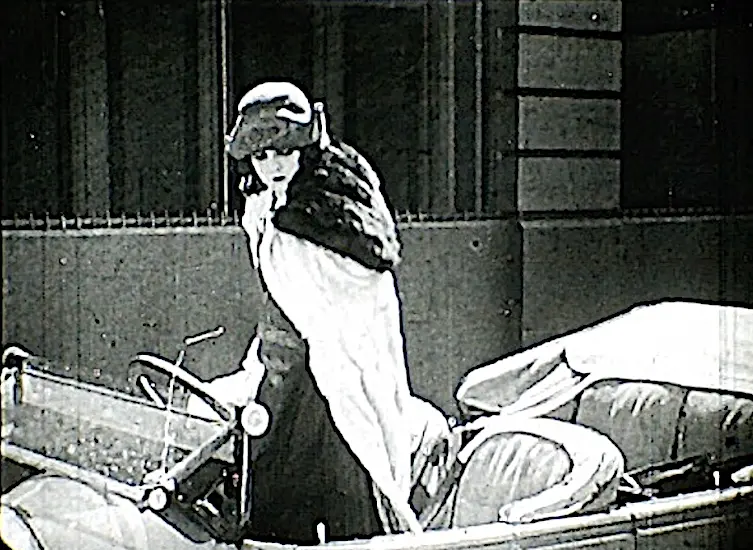
While Jimmy Jump is having a shine, he sees a girl struggling to put the top of her convertible. He helps her and they make a date for dinner, and exchange calling cards.
The Kinetic Grace of Charley Chase: Rediscovering 1924 The year 1924 remains a watershed moment for the cinematic medium, a period where the syntax of visual storytelling moved beyond primitive pantomime into a sophisticated, almost lyrical language of movement and social commentary. Within this milieu, At First Sigh...
still_frame
still_frame
still_frame

Comparing the cinematic DNA and archive impact of two defining moments in cult history.
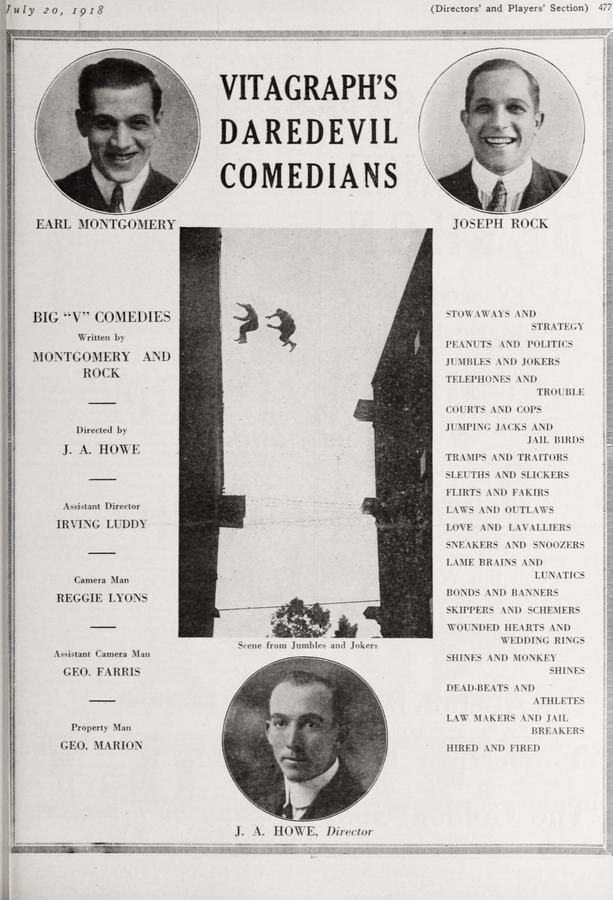
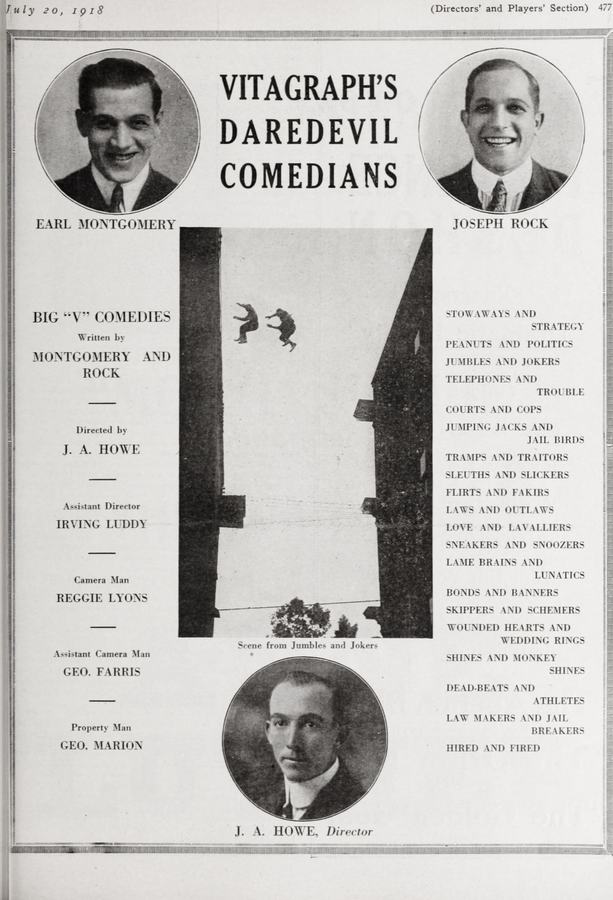
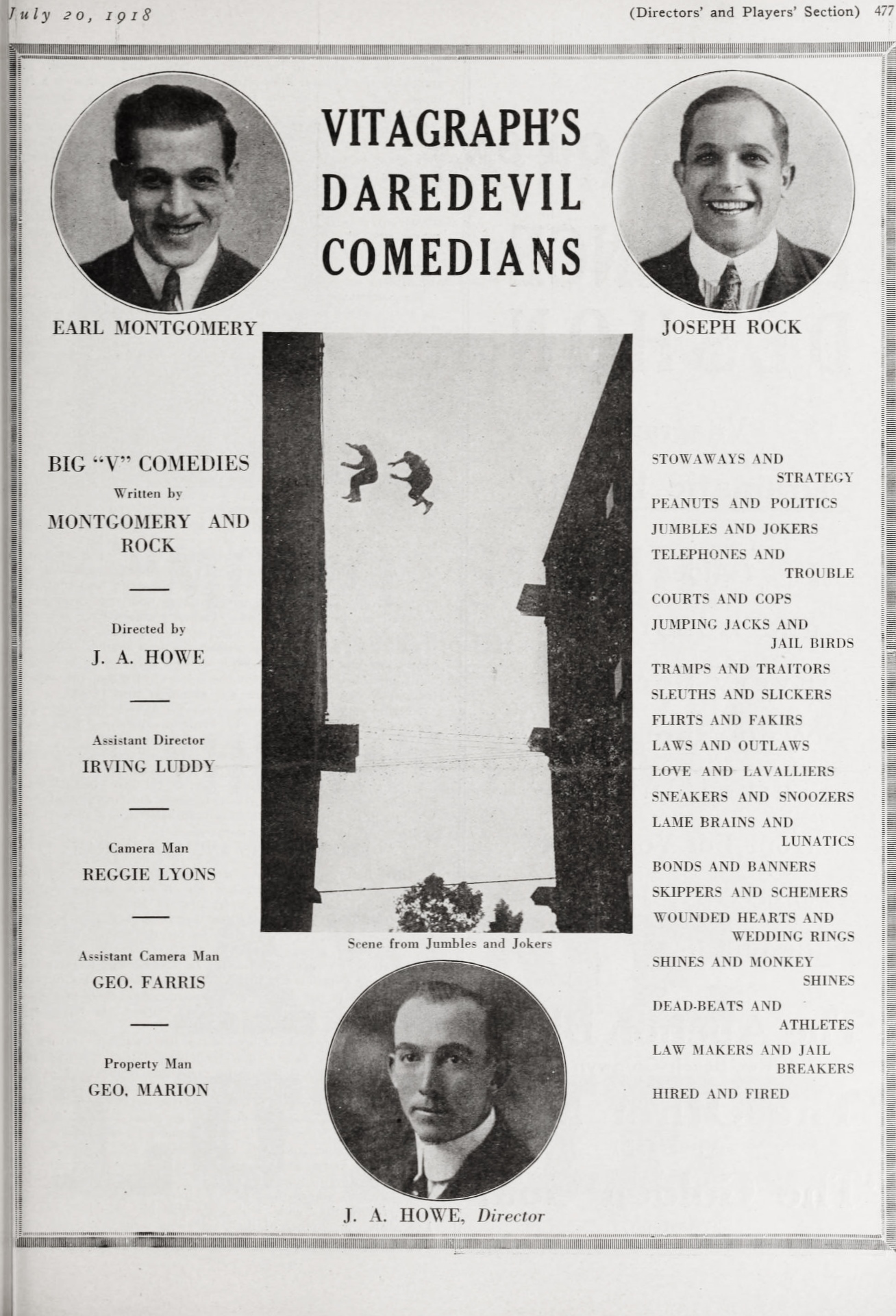
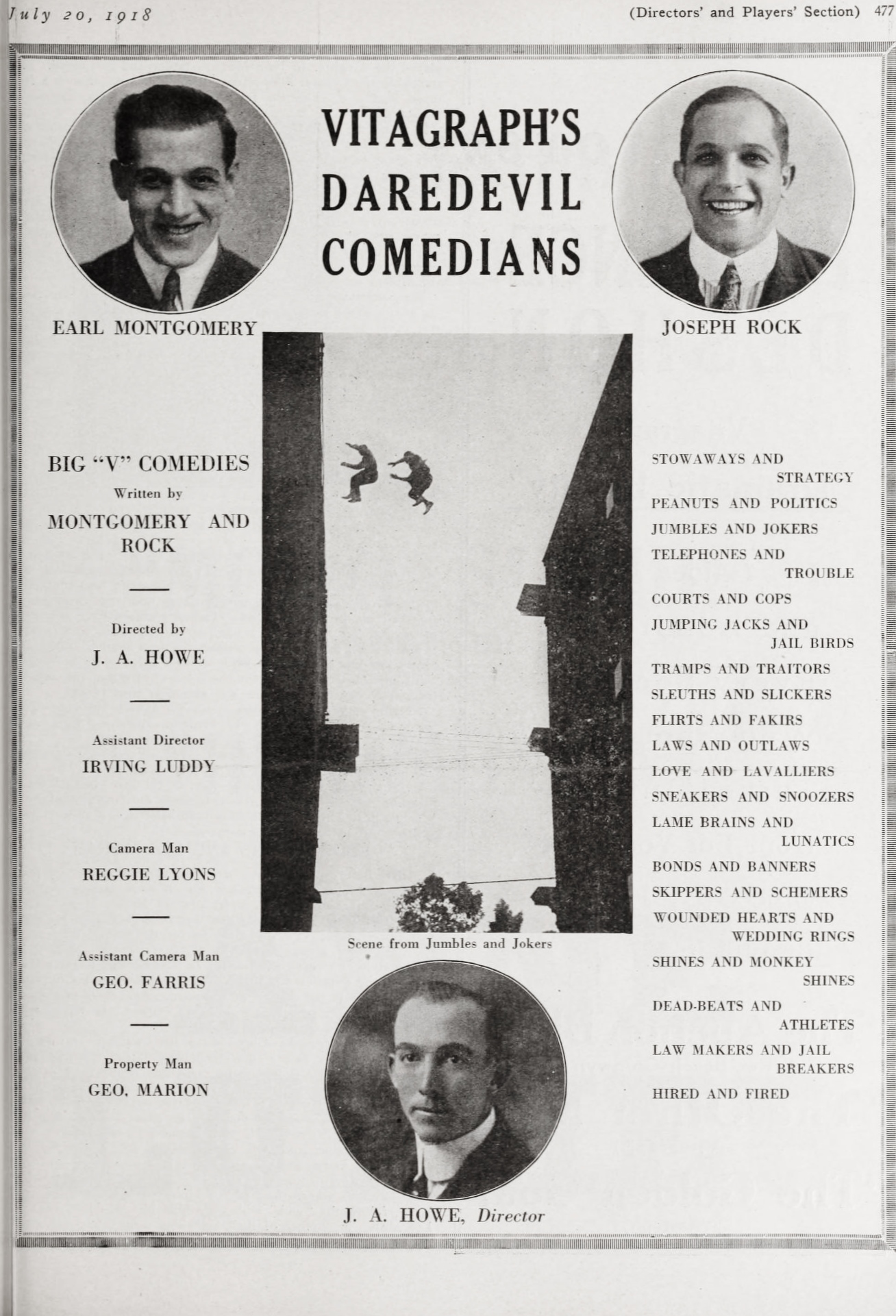
J.A. Howe
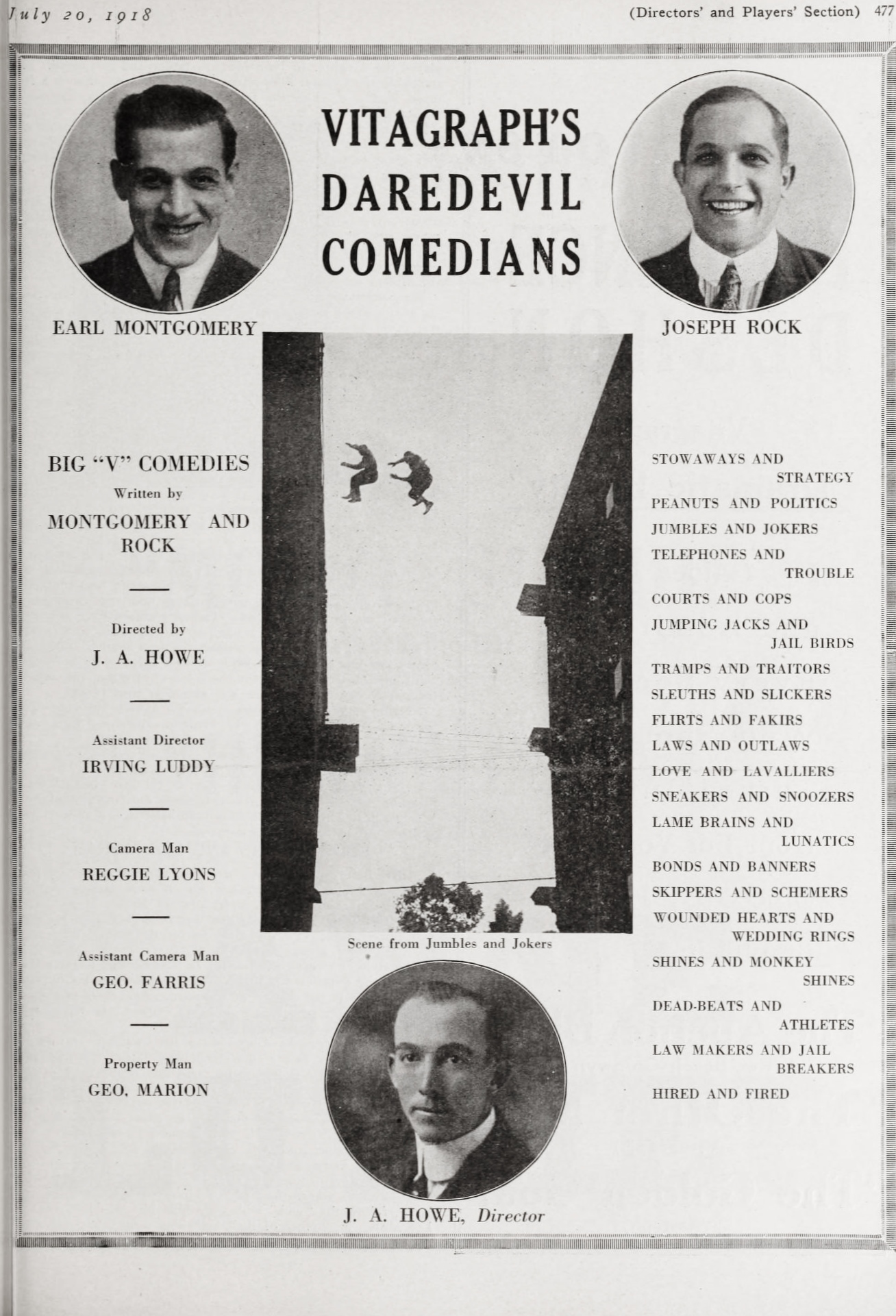
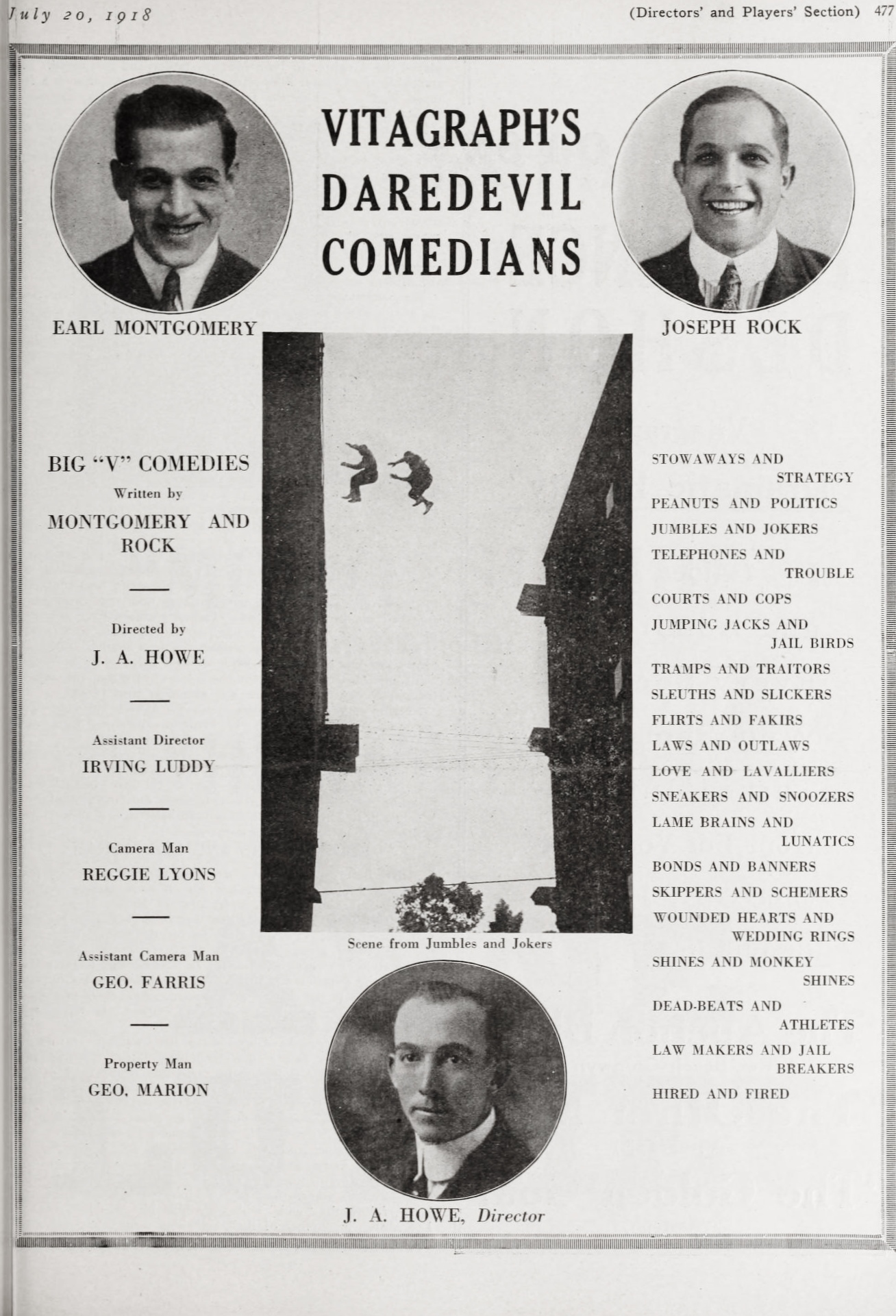
J.A. Howe
Community
Log in to comment.
" The Kinetic Grace of Charley Chase: Rediscovering 1924 The year 1924 remains a watershed moment for the cinematic medium, a period where the syntax of visual storytelling moved beyond primitive pantomime into a sophisticated, almost lyrical language of movement and social commentary. Within this milieu, At First Sight emerges as a quintessential artifact of the Hal Roach studios, directed with a rhythmic precision that highlights the singular talents of Charley Chase. Unlike the chaotic slapst..."
United States