DbcultAccessing Vault...
6.8/10
Senior Film Conservator
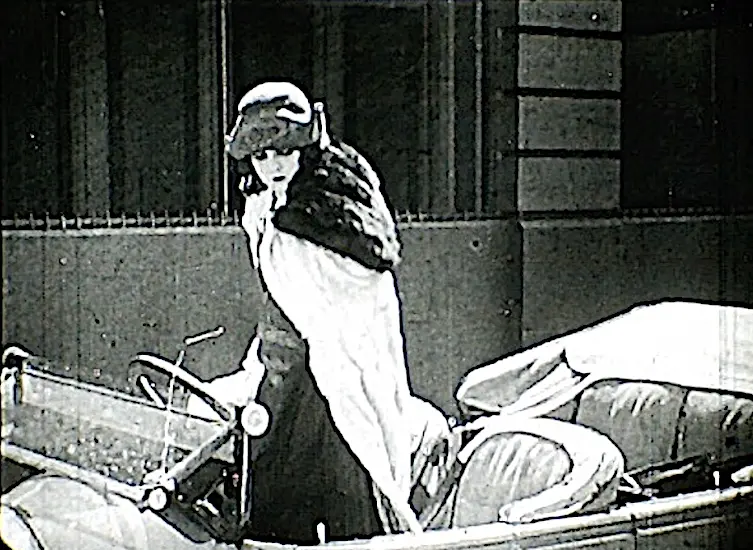
A definitive 6.8/10 rating for a film that redefined the boundaries of cult cinema. At First Sight remains a cornerstone of transgressive art.
The year 1924 remains a watershed moment for the cinematic medium, a period where the syntax of visual storytelling moved beyond primitive pantomime into a sophisticated, almost lyrical language of movement and social commentary. Within this milieu, At First Sight emerges as a quintessential artifact of the Hal Roach studios, directed with a rhythmic precision that highlights the singular talents of Charley Chase. Unlike the chaotic slapstick of early Mack Sennett productions, this film leans into a more observational, character-driven humor that anticipates the screwball comedies of the subsequent decade.
Charley Chase, playing the irrepressible Jimmy Jump, embodies a specific type of American optimism. He is the Everyman who, despite his station as a shoe-shiner, possesses the poise and sartorial aspirations of a gentleman. This duality is the engine of the plot. When we first encounter Jimmy, he is not merely performing a task; he is observing the world with a keen eye for opportunity. The sequence involving the convertible top is not just a gag; it is a masterclass in physical problem-solving that establishes Jimmy’s competence and inherent goodness. Much like the protagonists in Be a Little Sport, Jimmy’s ambition is tempered by a genuine sense of chivalry.
In the silent era, the "calling card" was more than a social necessity; it was a narrative device that signaled identity, status, and intent. In At First Sight, the card is the pivot upon which the entire comedy of errors revolves. When Jimmy exchanges cards with the mysterious girl, he is inadvertently stepping into a linguistic trap. The film explores the instability of identity—a theme also prevalent in The City of Masks. Because the card bears the name of his boss’s fiancée, the paper becomes a site of conflict, a misunderstood signifier that threatens to upend Jimmy’s budding romance and his professional life.
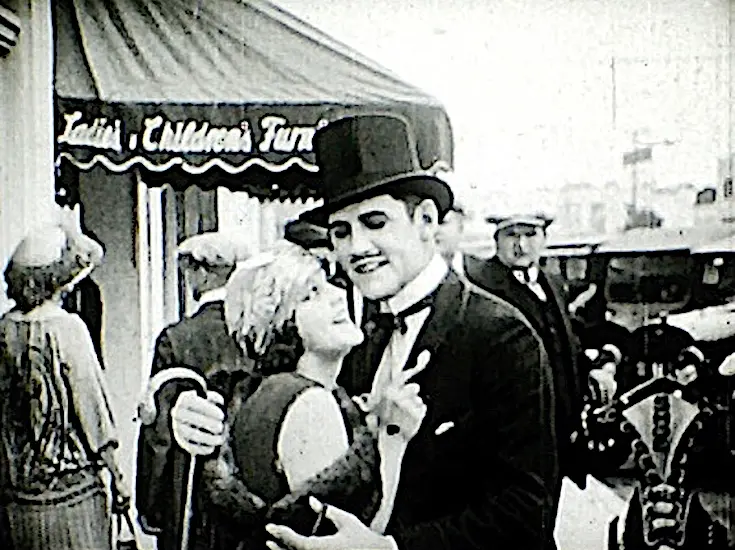
The boss, played with an exquisite bluster by Westcott Clarke, represents the fragility of the upper-class ego. His immediate jump to conclusions regarding his fiancée’s fidelity speaks to a broader cultural anxiety of the 1920s—the fear that the rigid structures of Victorian morality were collapsing under the weight of modern flirtation. This thematic depth elevates the film from a mere short to a biting satire of social paranoia. It shares a certain DNA with Queens Are Trumps, where the cards held by the characters determine their fate in the high-stakes game of social climbing.
The cinematography in At First Sight utilizes the sun-drenched streets of Los Angeles as a vibrant backdrop for Jimmy’s exploits. The framing is deliberate, often using the architecture of the city to emphasize the distance between the characters. Note the way the convertible is positioned within the frame—it is a symbol of mobility and modernity, a machine that brings people together yet also highlights their economic disparities. This visual strategy is reminiscent of the urban landscapes seen in La luz, tríptico de la vida moderna, where the city itself becomes a character.
The pacing is relentless but never frantic. There is a musicality to the way Jimmy prepares for his date, aided by his boss’s resources. The "fitting up" sequence is a delightful exploration of the transformative power of clothing. As Jimmy dons the suit and pockets the money, he undergoes a metamorphosis that is both external and internal. However, the film wisely avoids the cynicism found in Der Mann ohne Namen - 1. Der Millionendieb; instead, it maintains a lighthearted tone that suggests Jimmy’s masquerade is born of love rather than larceny.
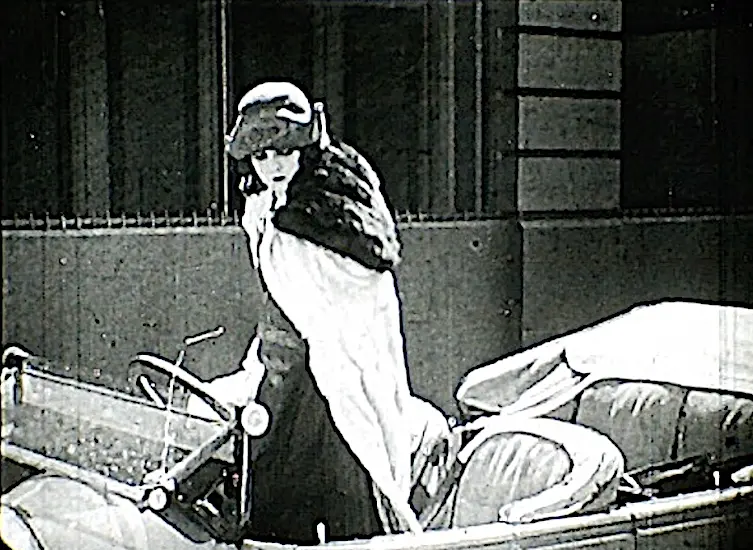
The narrative climax, where the true identities of the women are revealed, serves as a poignant commentary on the invisibility of the working class. The fact that the boss (and the audience, initially) cannot distinguish between the mistress and the maid based on their appearance or the calling card suggests that class is a performance. This trope of the "disguised domestic" is a staple of early 20th-century theater and film, used here to provide a satisfying, egalitarian resolution. It echoes the themes of hidden identities explored in Alias Mary Brown and the domestic entanglements of Somebody Lied.
Blanche Mehaffey and Lyle Tayo provide excellent support, navigating the shifts between high-society poise and domestic pragmatism with ease. Their performances ensure that the women are not merely objects of the plot but active participants in the romantic dance. The final "wedding bells for four" is a classic comedic trope that reinforces the status quo while also acknowledging that happiness is accessible to all, regardless of their position in the social hierarchy. This sense of communal joy is a stark contrast to the somber tones of The Faded Flower or the existential weight of During the Plague.
One cannot discuss At First Sight without acknowledging the technical prowess of the Hal Roach production machine. The editing is crisp, ensuring that the visual gags land with maximum impact. The use of intertitles is sparse but effective, allowing the actors’ expressions to carry the emotional weight of the scene. This economy of language is what makes silent film so universally resonant. Unlike the more theatrical approach of Once a Mason, Chase’s film feels quintessentially cinematic, utilizing the camera’s ability to capture subtle nuances of performance.
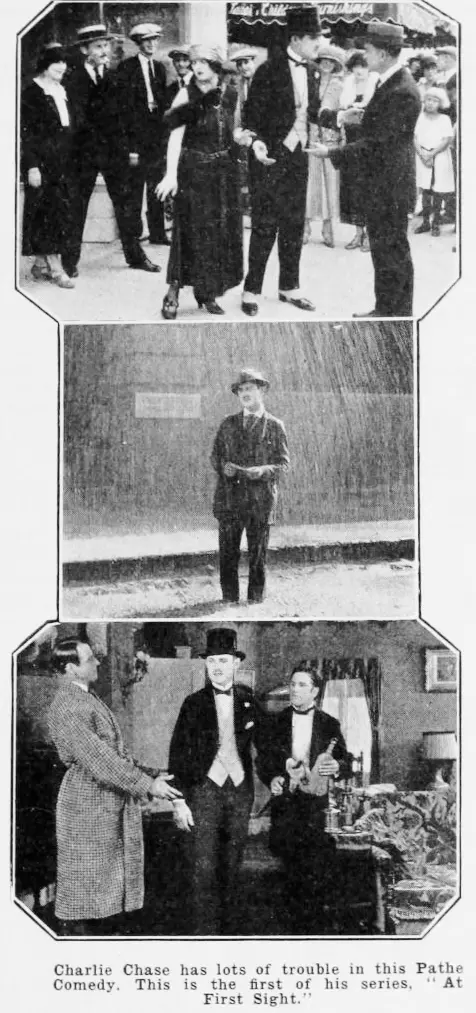
Furthermore, the film’s handling of the "misunderstanding" plot avoids the tediousness that often plagues lesser comedies. Each development feels earned, and each complication raises the stakes in a logical manner. The film’s brevity is its strength; it distills a complex social situation into a series of punchy, visually engaging sequences. It lacks the melodrama of The Honor of His House, opting instead for a breezy, infectious charm that has allowed it to age with remarkable grace.
As we look back at At First Sight from a century-long perspective, its brilliance lies in its simplicity and its humanity. It is a film that celebrates the accidental nature of love—the way a broken car or a misplaced card can change the trajectory of a life. It captures a moment in time when the world was moving fast, and people were trying to find their footing in a rapidly changing social landscape. The film’s lightheartedness serves as a necessary balm, much like the escapism offered in Boman på utställningen or the whimsical nature of Winter Has Came.
Charley Chase remains an underappreciated genius of the silent era, often overshadowed by the monumental figures of Chaplin and Keaton. Yet, in At First Sight, we see a performer who understood the power of the small gesture and the comedic potential of the ordinary man. His Jimmy Jump is a character who refuses to be defined by his job, seeking instead to define himself through his actions and his heart. The film is a testament to the enduring power of the "meet-cute" and the timeless appeal of a well-executed misunderstanding. It stands alongside works like The Torch Bearer and The White Masks as a vital piece of the silent film canon, a sparkling gem of 1920s cinema that continues to delight and surprise modern audiences with its wit and warmth.
Ultimately, At First Sight is a celebration of the serendipitous. It reminds us that while social boundaries may be rigid, human connection is fluid and unpredictable. In the hands of Charley Chase and the Hal Roach team, a simple story about a calling card becomes a profound, albeit hilarious, exploration of the human condition. It is a film that deserves to be watched, not just as a historical curiosity, but as a living piece of art that still speaks to the universal desire for love, recognition, and a good laugh.
IMDb 5.5
1935
Community
Log in to comment.