Summary
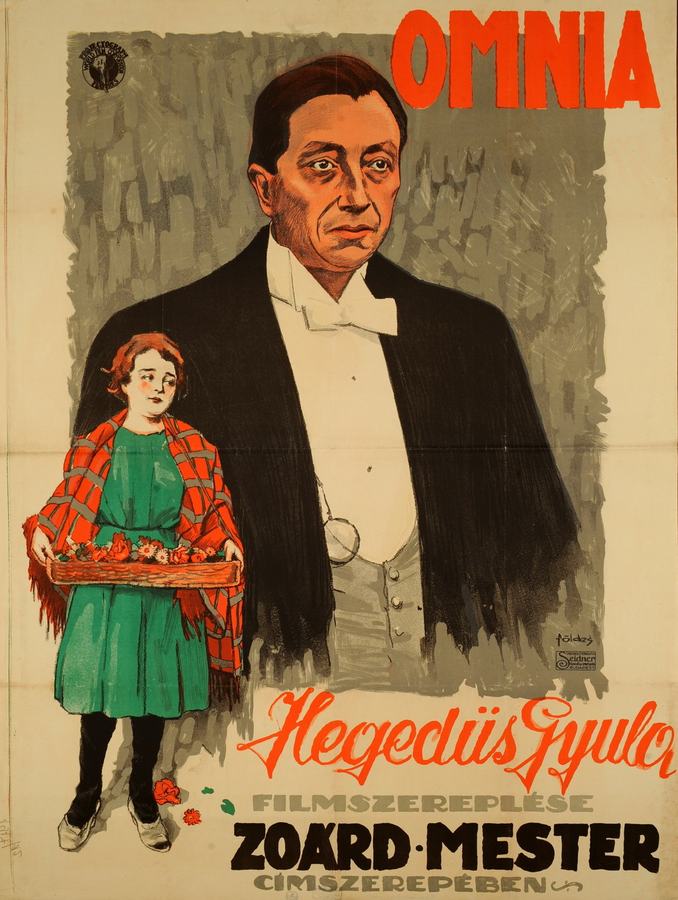
In the twilight of his illustrious career, Zoárd mester, a venerable sculptor in fin-de-siècle Budapest, finds his artistic soul gripped by an arid barrenness. His once-feted studio, a bastion of classical aesthetics, now whispers of obsolescence, a mausoleum of past glories. Into this autumnal landscape of creative despair bursts Elara, a captivating young woman whose bohemian spirit and unconventional beauty ignite within Zoárd a dormant, almost feverish, inspiration. She becomes his muse for a radical new work, a visceral, almost unsettling departure from his traditional oeuvre, destined to be his ultimate artistic statement. Yet, this burgeoning artistic renaissance casts a long shadow over Zoárd’s devoted, fiercely ambitious apprentice, Károly. Long a silent admirer of the master’s genius and perhaps harboring a deeper, unarticulated affection, Károly perceives Elara not as a catalyst, but as an interloper, a disruptive force threatening the sanctity of Zoárd’s legacy and his own carefully cultivated future. A taut, emotionally charged triptych unfurls: Elara, drawn to Zoárd’s profound intellect and the paternal solace he offers, simultaneously finds herself ensnared by Károly’s youthful intensity and possessive devotion. The emotional crucible reaches its zenith during the controversial unveiling of Zoárd’s new sculpture, a work of raw human anguish that cleaves public opinion, drawing the ire of influential figures like the discerning Baroness Réthey and the opportunistic art dealer, Lajos. A whisper of scandal—perhaps a calculated maneuver by a jealous Károly or a rival—threatens to unravel Zoárd’s precarious triumph. Elara, caught in the vortex of ambition, public scrutiny, and personal betrayal, makes a desperate, self-sacrificing choice to safeguard Zoárd’s reputation, unwittingly exposing a deeply personal secret she had entrusted solely to Károly. This revelation, intended as an act of devotion, tragically backfires, precipitating a devastating misunderstanding and Elara’s subsequent disgrace or forced disappearance. Zoárd, utterly shattered by the loss of his muse and the brutal shattering of his artistic vision, is left to navigate the desolate ruins of his personal and professional worlds. Károly, consumed by a hollow, guilt-ridden victory, comprehends too late the irreparable damage his machinations have wrought. The film culminates with Zoárd, a solitary figure amidst the debris of his studio, attempting to coax a new form from an unyielding block of marble, a poignant testament to the destructive power inherent in creation, the transient nature of love, and the indelible, often tragic, cost of true artistic pursuit. The final frame lingers on the nascent, unfinished sculpture, a silent elegy to lost beauty and the enduring, often sorrowful, quest for meaning.”
Review Excerpt
"
The Enduring Echoes of a Master's Struggle: Rediscovering Zoárd mester
In the annals of early Hungarian cinema, where flickering shadows often obscure more than they reveal, Zoárd mester emerges as a compelling, albeit largely unsung, dramatic triumph. This silent-era gem, with its intricate narrative and profound character studies, transcends the limitations of its nascent medium to deliver a saga steeped in artistic ambition, forbidden desires, and the often-brutal cost of c..."