DbcultAccessing Vault...
6.7/10
Senior Film Conservator
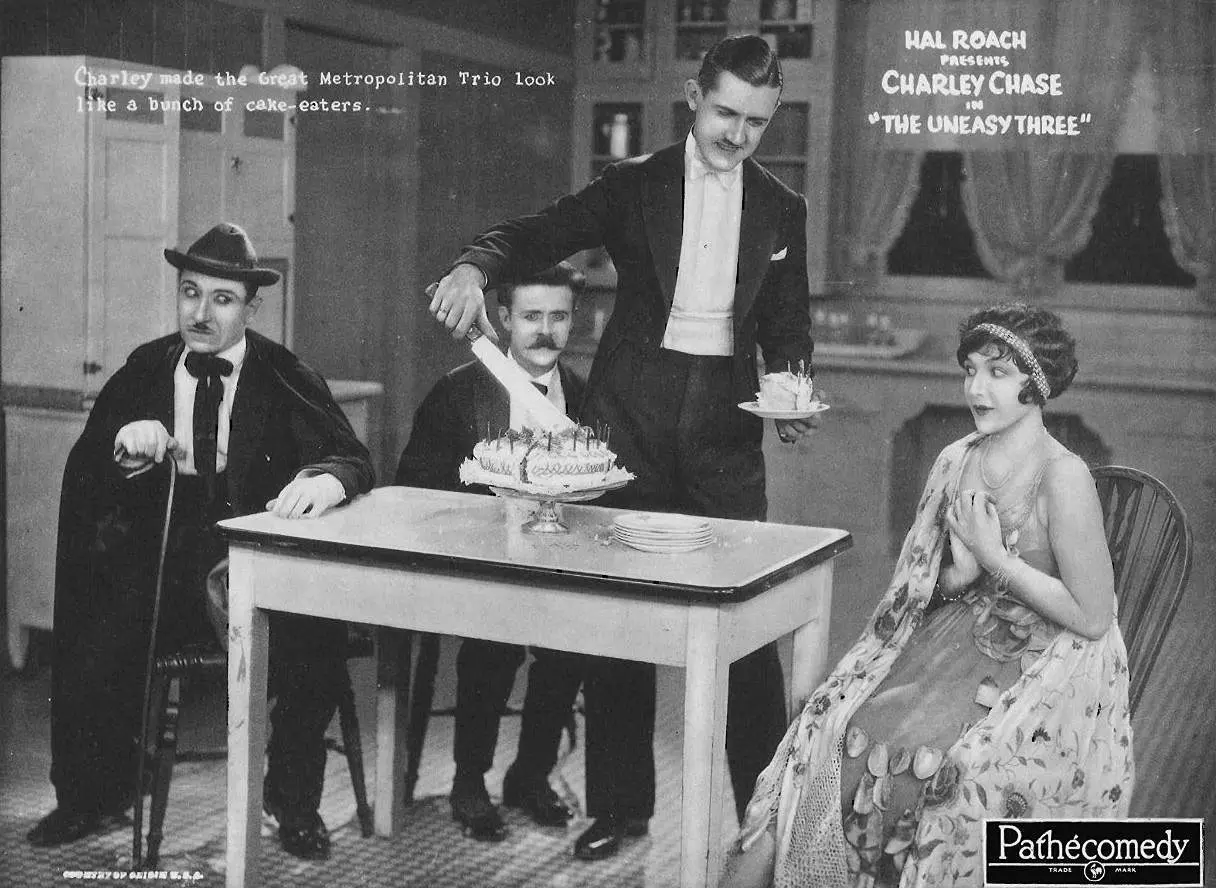
A definitive 6.7/10 rating for a film that redefined the boundaries of cult cinema. The Uneasy Three remains a cornerstone of transgressive art.
Is The Uneasy Three worth your time today? The short answer is a qualified yes, particularly if you possess a fondness for the foundational era of cinematic comedy.
This silent-era caper, while undeniably a product of its time, offers a charming glimpse into the nascent talents of Charley Chase and the unique comedic sensibilities of early Hollywood. It’s a film for those who appreciate historical context and subtle slapstick, but likely not for viewers seeking modern pacing or complex narratives.
Released at a pivotal moment in cinema's development, The Uneasy Three stands as more than just a forgotten relic. It's a surprisingly ambitious short that showcases the budding comedic genius of Charley Chase, long before he became a household name. This film works because of its surprisingly coherent narrative ambition for a silent comedy short, coupled with Chase's burgeoning on-screen charisma. However, it also fails because its comedic beats, while historically significant, often feel dated and lack the universal punch of contemporaries like Keaton or Chaplin. You should watch it if you are a film historian, a silent comedy enthusiast, or someone curious about the evolution of comedic storytelling.
For the casual viewer, its charms might be too subtle, too embedded in the context of its era to fully resonate. But for those willing to engage with its historical significance, there are genuine moments of cleverness and character work that hint at the comedic sophistication to come.
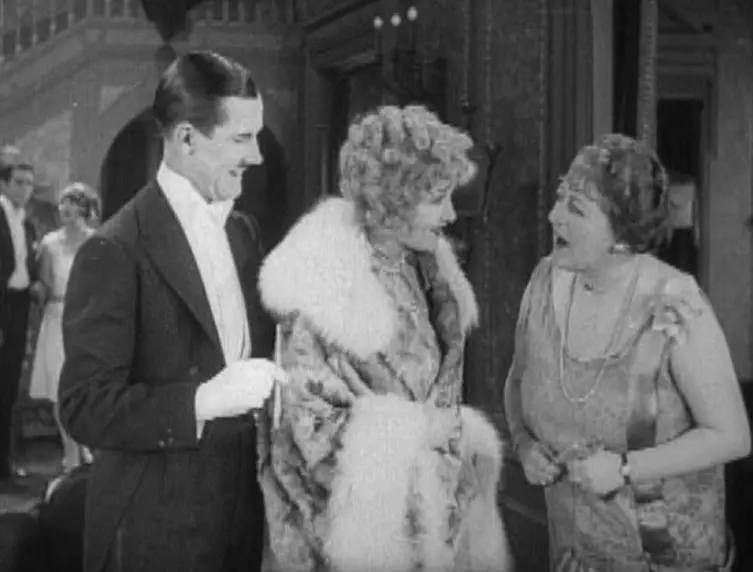
At its core, The Uneasy Three chronicles the misguided ambitions of a peculiar trio: the suave, if somewhat bumbling, Charlie Chase; the expressive Katherine Grant; and the imposing, physically comedic Bull Montana. They are not hardened criminals, but rather aspirational 'society crooks,' driven by a romanticized notion of high-stakes larceny rather than genuine malice.
Their chosen target for their debut is the Kadir brooch, a jewel whose recent transfer between society doyennes, Mrs. Van Courtland and her daughter, has been dutifully reported in the local papers. This detail, seemingly minor, provides a crucial insight into the characters' method: they are not masterminds, but opportunists, gleaning their intelligence from the very society pages they aim to exploit.
The journey to the Van Courtland estate becomes the stage for the film's central comedic catalyst. A collision with a car carrying the Metropolitan Trio – legitimate entertainers hired for the very party the crooks intend to infiltrate – is a stroke of narrative genius. It's an unexpectedly clever plot device, far more organic than many contrivances of the era, allowing for a swift and believable transition into their audacious plan.
The subsequent impersonation of the Metropolitan Trio is where the film truly leans into its comedic potential. The image of these three amateur thieves attempting to pass themselves off as refined performers, while simultaneously plotting a heist, is inherently amusing. The theft of the brooch itself is almost secondary to the delightful absurdity of their masquerade.
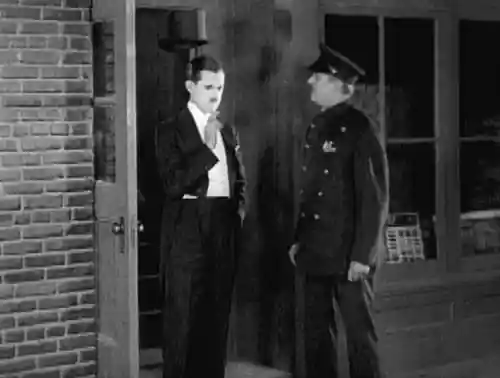
The narrative's final beat, a swift and perhaps obligatory 'reformation' before the fade out, feels like a moralistic concession to the sensibilities of the time. It’s a moment that, while understandable, somewhat undercuts the charming rogue spirit the trio embodies for much of the film. One could argue the film would be stronger if it committed to their playful villainy, rather than a tacked-on redemption.
Yet, even with this conventional ending, the plot remains surprisingly fluid and focused for a short-form silent comedy, demonstrating a clear understanding of cause and effect that many contemporaries struggled to achieve.
Hal Roach, a name synonymous with silent comedy, directs The Uneasy Three with a clear, unpretentious hand. His direction is less about grand artistic statements and more about efficient storytelling and setting up comedic opportunities. The staging of gags is straightforward, allowing the performers' physical comedy to shine without overly elaborate camera work.
Roach understands the rhythm of silent comedy. He knows when to hold a shot to allow a reaction to land, and when to cut quickly to maintain momentum. Consider the scene where the crooks convince the Metropolitan Trio that the party is off. The simple framing, focusing on the expressions of persuasion and confusion, is all that's needed. There's no fancy editing, just a clear presentation of the comedic exchange.
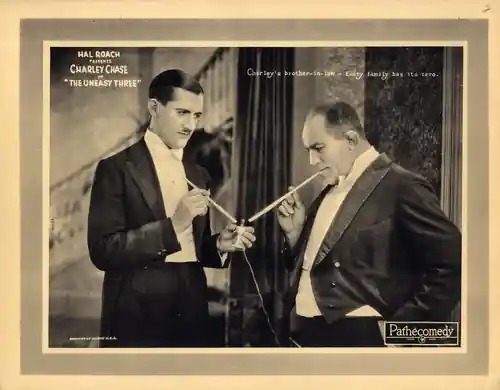
The cinematography, typical of the era, is functional rather than flashy. Shots are generally static, framed to capture the entire action, ensuring clarity for the audience. Lighting is often naturalistic, relying on available light or broad studio illumination, which contributes to the film's grounded, almost documentary-like feel at times.
While there are no groundbreaking visual effects or complex camera movements, the clarity of the image and the directness of the visual storytelling are commendable. The film is always easy to follow, a testament to the fundamental principles of visual communication that early filmmakers like Roach mastered. It's a historical curiosity. But it has its moments.
The heart of any silent comedy lies in its performances, and The Uneasy Three is no exception. Charley Chase, already a seasoned performer, demonstrates the early stages of the persona that would define his career: the everyman caught in absurd situations, charmingly attempting to maintain his dignity.
Chase's physical comedy here is relatively understated compared to the more frenetic antics of some of his peers, but it's effective. His reactions, particularly during the impersonation sequence, convey a delightful mix of nervousness and misplaced confidence. There's a subtle wit in his movements, a precursor to the refined comedic timing he would later perfect.
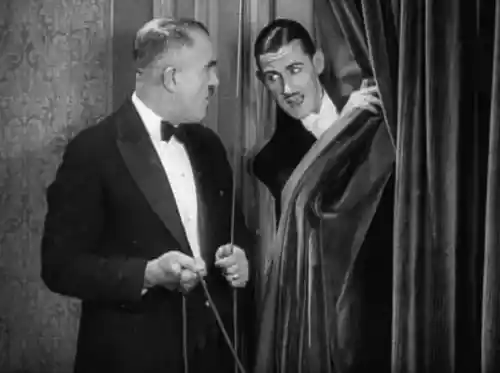
Katherine Grant, as the female member of the trio, brings a much-needed expressive quality. Her facial reactions and gestures add layers to the group dynamic, often serving as the more grounded, yet equally mischievous, counterpoint to Chase's antics. Her presence ensures the trio feels like a cohesive unit, rather than just a vehicle for a single star.
Bull Montana, with his distinctive imposing physique, provides a strong visual contrast and adds a unique brand of physical humor. His character is less about subtle facial expressions and more about broad, impactful movements and a general air of amiable menace. The juxtaposition of his bulk with the delicate task of a 'society heist' is inherently funny, especially when he's forced into the role of a 'performer.'
The chemistry between the three leads, though perhaps not as finely tuned as later comedic ensembles, is palpable. They play off each other well, creating a believable, if eccentric, team of aspiring ne'er-do-wells. This camaraderie is a significant strength, making their audacious scheme all the more engaging.
The pacing of The Uneasy Three is brisk, a common characteristic of silent shorts designed to entertain quickly. The narrative moves efficiently from the establishment of the crooks' ambition to the execution of their plan and its eventual resolution. There are no wasted scenes, no lingering shots that detract from the comedic momentum.
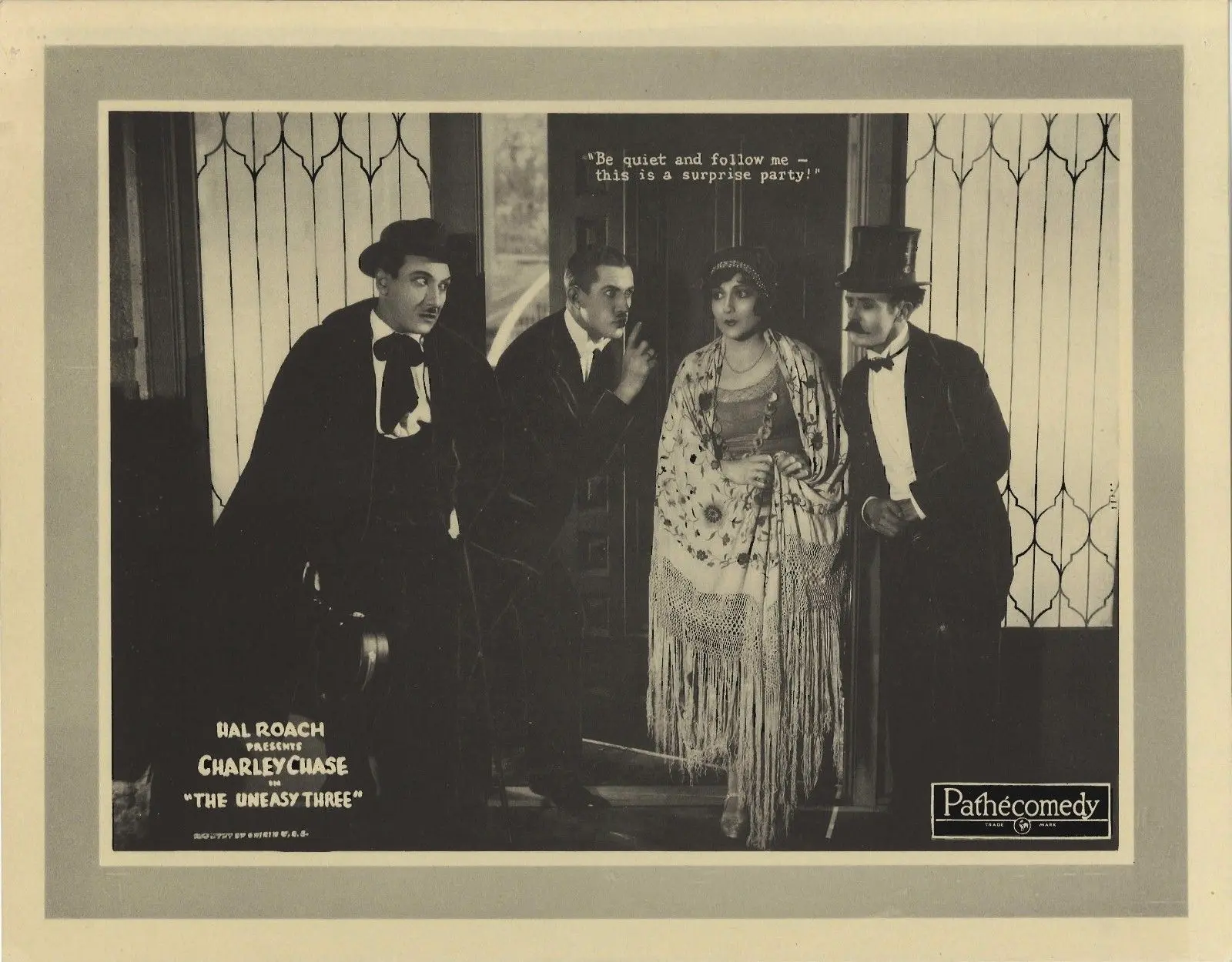
The tone is overwhelmingly lighthearted and playful. Despite the criminal premise, there's never a sense of genuine danger or malice. The film invites the audience to root for these charming rogues, to delight in their cunning and their clumsy attempts at deception. The final 'reformation' reinforces this light touch, ensuring the film ends on an ethically palatable, if slightly conventional, note.
The lasting impact of The Uneasy Three lies primarily in its historical significance. It's a valuable artifact for understanding the evolution of comedic storytelling in the silent era and the development of Charley Chase's screen persona. It demonstrates that even in early shorts, there was a desire for more complex narratives than simple chase scenes or isolated gags.
Furthermore, the film's true genius lies not in its outright laughs, but in its subtle foreshadowing of Chase's later, more refined comedic persona. This early work provides a foundational understanding of the comedic principles he would master, making it essential viewing for anyone studying his career or the broader landscape of silent film.
It may not possess the universal appeal of a Chaplin or Keaton classic, but its understated charm and narrative coherence make it a significant stepping stone in the history of cinematic comedy. It’s a testament to the ingenuity of early filmmakers working within the constraints of the medium.
Yes, The Uneasy Three is worth watching today, especially for specific audiences. It offers a fascinating window into the early days of Hollywood comedy.
It is a significant historical document. The film showcases the nascent talents of Charley Chase. It provides insight into Hal Roach's directorial style. Silent film enthusiasts will find much to appreciate. Casual viewers might find its pacing and humor less immediate.
Its value lies more in its historical and artistic context than in its ability to generate uproarious laughter from a modern audience. Approach it as a historical artifact with genuine charm.
The Uneasy Three is more than just a footnote in silent film history; it's a surprisingly engaging and well-constructed comedy short that offers genuine insights into the era and its performers. It’s not a film that will leave you breathless with laughter, nor will it challenge your perceptions of cinema. Instead, it offers a gentle, charming experience, a peek behind the curtain at the foundational elements of comedic filmmaking.
While its humor may feel dated to some, and its ending a touch conventional, its strengths lie in its narrative ambition, the budding charisma of Charley Chase, and the efficient direction of Hal Roach. It works. But it’s flawed. For those willing to engage with its historical context, it's a worthwhile, if not essential, watch. It serves as a vital piece of the puzzle in understanding how silent comedy evolved from simple gags to more intricate storytelling. Give it a chance, and you might just find yourself charmed by these uneasy, yet endearing, aspiring crooks.
IMDb —
1919
Community
Log in to comment.