DbcultAccessing Vault...
Cult Review
Senior Film Conservator
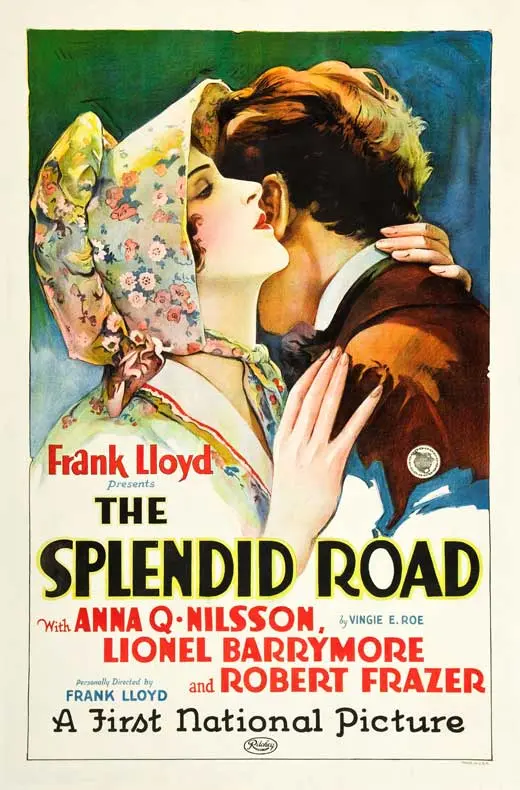
Question: Does 'The Splendid Road' stand the test of time as a pioneer epic? Short answer: It survives as a fascinating, if overly sentimental, relic of silent-era storytelling that prioritizes moral nobility over narrative logic.
This film is for history buffs who enjoy the gritty aesthetics of the 1840s frontier and fans of Marceline Day’s expressive, understated acting style. It is not for anyone looking for a fast-paced action western or a romance that avoids the 'noble sacrifice' cliché. It works. But it’s flawed.
1) This film works because of its surprisingly visceral depiction of Sacramento’s lawless beginnings, eschewing the polished sets of later Westerns for something that feels genuinely damp and dangerous.
2) This film fails because the central romantic misunderstanding—Sandra’s belief that she is a hindrance to Stanton’s career—is stretched to the point of frustration, even by the standards of 1920s melodrama.
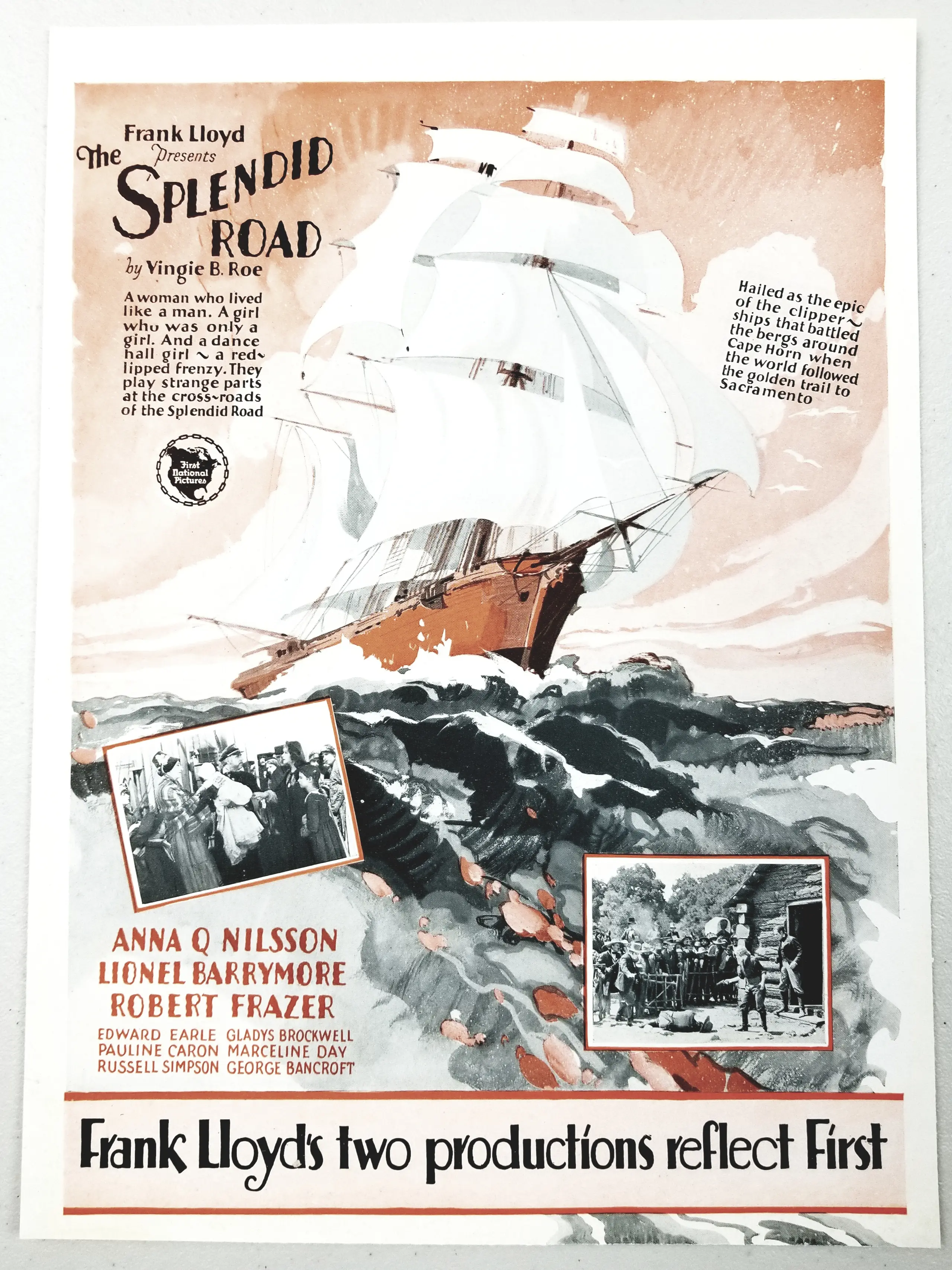
3) You should watch it if you want to see a rare silent-era balance of domestic drama and frontier survival, anchored by a strong female lead.
Yes, 'The Splendid Road' is worth watching for viewers who appreciate the evolution of the Western genre. Unlike many of its contemporaries that focused on gunfights, this film looks at the social cost of the Gold Rush. It provides a unique lens on the female experience in a male-dominated landscape. If you can tolerate the slow pacing of the second act, the historical atmosphere alone justifies the time.
Director Frank Lloyd manages to capture a sense of place that many films of the mid-20s lacked. When Sandra De Hault steps off that ship, you don't see a pristine postcard of California. You see a chaotic, muddy, and claustrophobic Sacramento. The production design is the silent star here. The way the light hits the makeshift wooden walkways and the crowded interiors of the saloons creates a sense of realism that contrasts sharply with the theatricality of the acting.
Compare this to the more adventurous tone of The Bull's Eye. While that film leaned into the serial-style thrills of the West, 'The Splendid Road' tries to ground itself in social drama. The shipboard scenes, particularly the death of the children's mother, are handled with a surprising lack of sentimentality at first, which makes the subsequent adoption feel more like a weight than a whim. This isn't the romanticized West; it's a place where children are left behind like luggage.
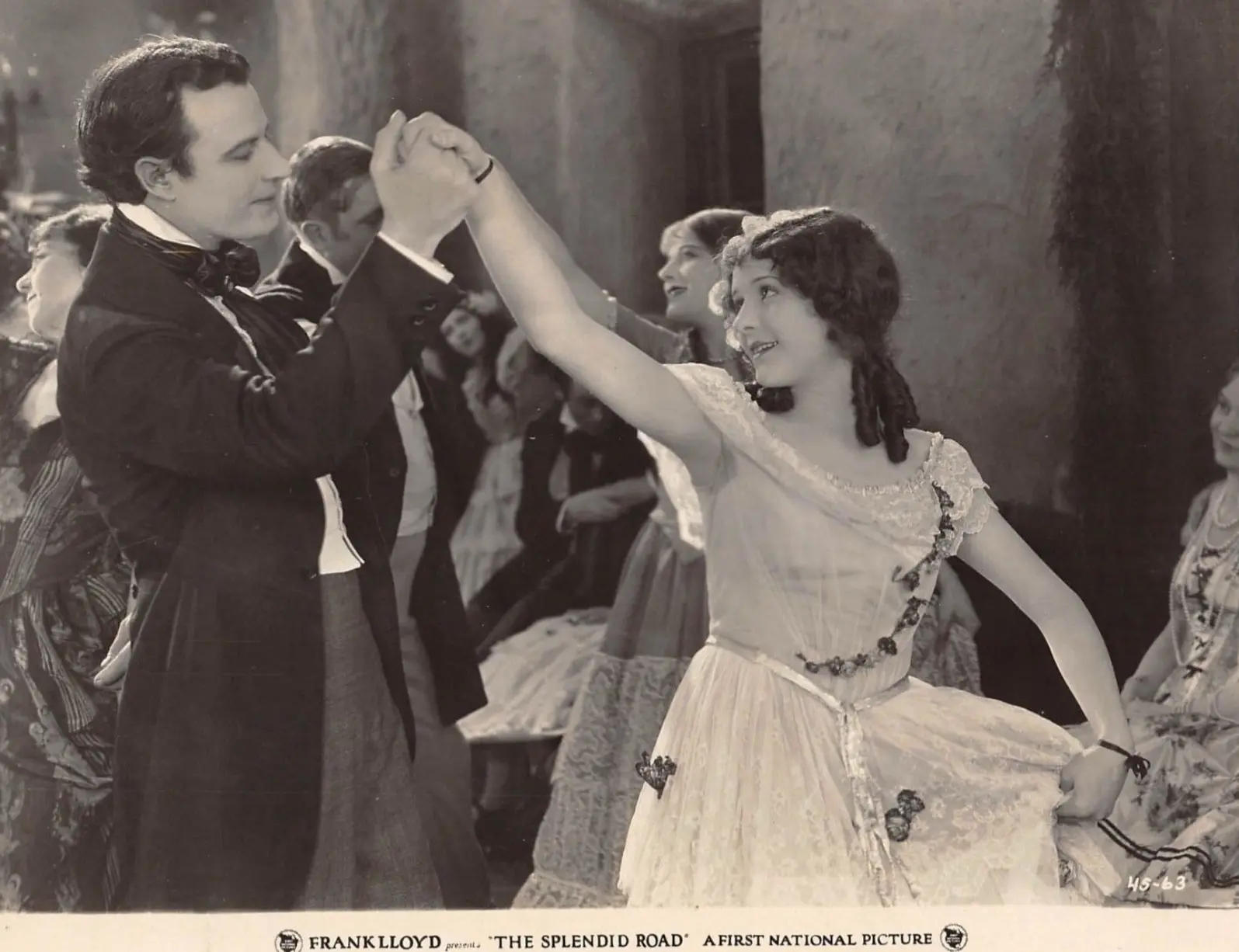
Marceline Day delivers a performance that is remarkably restrained for 1925. In an era where many actresses were still relying on the exaggerated gestures of D.W. Griffith’s school, Day uses her eyes to convey the exhaustion of a woman who has suddenly become a mother to three. There is a specific moment when she first arrives in town and has to fend off a drunk—played with menacing relish by George Bancroft—where her fear feels modern. It isn't a 'damsel in distress' moment; it’s the fear of a woman who realizes she has no protection in a place that has no laws.
The chemistry between Day and Robert Frazer (Stanton Halliday) is serviceable, though Frazer is a bit of a stiff. He plays the 'Eastern agent' with such rigid morality that he feels less like a human and more like a symbol of the civilization Sacramento is trying to build. This stiff-collared approach makes the romance feel like a foregone conclusion rather than a passionate spark. It lacks the psychological depth found in films like Trilby, where the central relationship is fueled by obsession and control.
Lionel Barrymore’s inclusion in the cast adds a layer of gravitas that the film desperately needs. Even early in his career, Barrymore had a way of commanding the frame without saying a word. His role here as Dan Clehollis is a masterclass in supporting character work. He provides a counter-narrative to the main romance, representing the darker, more cynical side of the Gold Rush. While the film often veers into the territory of The Charm School with its focus on social standing and 'proper' behavior, Barrymore reminds us that we are in a den of thieves.
There is a scene in the second half where the 'unfortunate circumstances' of Sandra’s life come back to haunt her. Barrymore’s reaction in this sequence is one of the few times the film feels truly dangerous. He doesn't just play a villain; he plays a man who understands how easily a person can be discarded in this new world. It’s a stark contrast to the lighter, more comedic elements found in something like Meyer from Berlin.
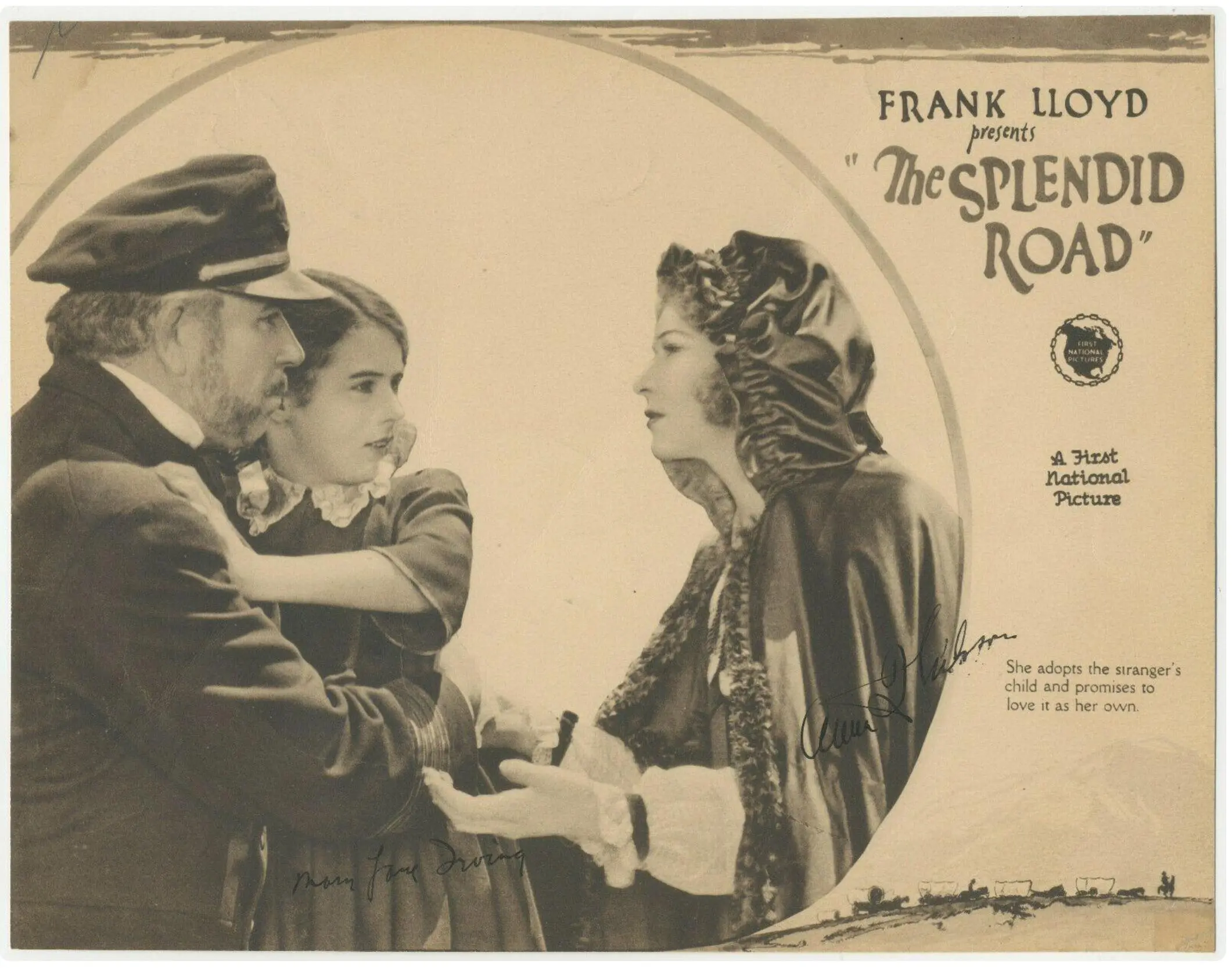
The film’s biggest hurdle is its middle act. The screenplay by J.G. Hawks and Vingie E. Roe relies heavily on the 'noble sacrifice' trope. Sandra believes that Halliday’s boss’s daughter is in love with him. Instead of having a conversation—which would end the movie in twenty minutes—she chooses to disappear. This plot device was tired even in 1925. It turns a gritty survival story into a standard soap opera.
During this stretch, the pacing slows to a crawl. We see too many repetitive scenes of Sandra looking wistfully at the children while Halliday looks wistfully at the horizon. It lacks the narrative propulsion of The Bruce Partington Plans or the sheer weirdness of La tragica fine di Caligula imperator. The film stops being about the Gold Rush and starts being about a woman’s misplaced sense of duty. This shift is jarring. It feels like the movie is fighting against its own setting.
Visually, the film is a triumph of shadows. The night scenes in Sacramento are particularly well-handled. The use of practical lighting—lanterns and fires—creates a high-contrast look that emphasizes the isolation of the characters. There is a specific shot of the children huddled together in a small room that is genuinely heartbreaking. It doesn't need intertitles to explain their plight. The image does the work.
This visual competence is what keeps 'The Splendid Road' from being a total slog. Even when the plot is thin, there is always something interesting to look at. It shares this visual DNA with The Secret of the Moor, where the environment is used to reflect the internal state of the characters. The 'Splendid Road' of the title is ironic; the actual road is paved with mud and broken dreams.
Pros:
The film offers a rare, female-centric perspective on the frontier. The cinematography is ahead of its time in its use of naturalistic lighting. The supporting cast, particularly Lionel Barrymore and George Bancroft, provide excellent tension. It avoids the slapstick humor of Bulling the Bolshevik and maintains a serious tone.
Cons:
The plot is highly predictable. The 'noble sacrifice' theme feels dated and unearned. Robert Frazer is a somewhat wooden romantic lead. The film lacks the kinetic energy found in other 1920s adventure films like The Bull's Eye.
'The Splendid Road' is a solid, middle-of-the-pack silent drama. It isn't a revolutionary piece of cinema like some of the grander epics of the era, but it is a well-crafted story that captures a specific moment in American history with more honesty than many of its peers. Marceline Day’s performance is the anchor that keeps the film from drifting into pure melodrama. While it suffers from the narrative tropes of its time, its visual grit and strong character work make it a worthwhile watch for any serious student of film history. It isn't a masterpiece, but it is a sturdy, professional piece of work. It’s a road worth traveling, even if the destination is exactly where you expect it to be.
IMDb —
1917
Community
Log in to comment.