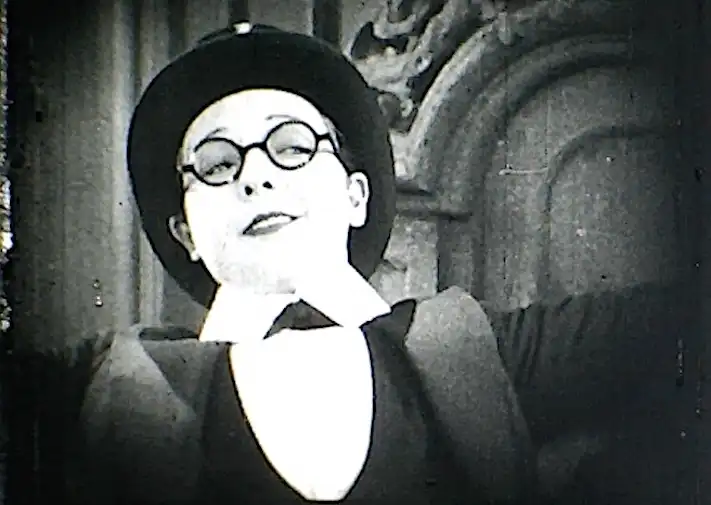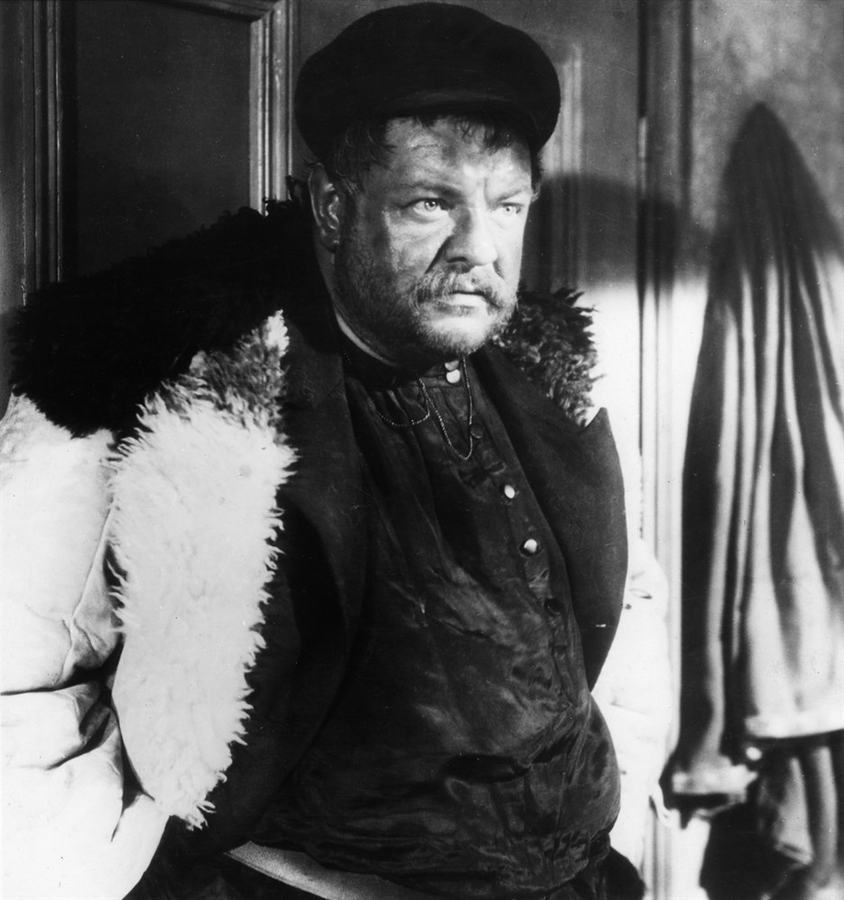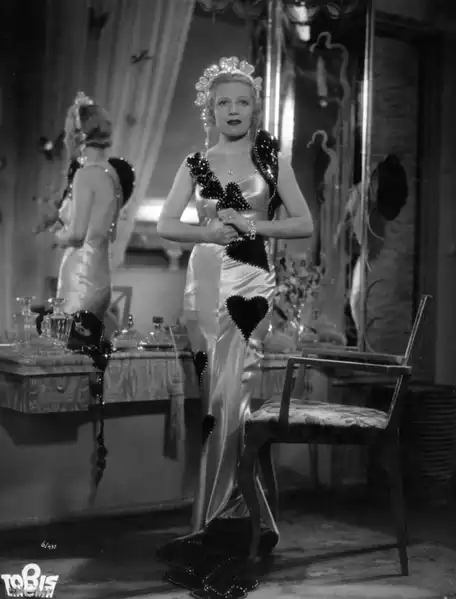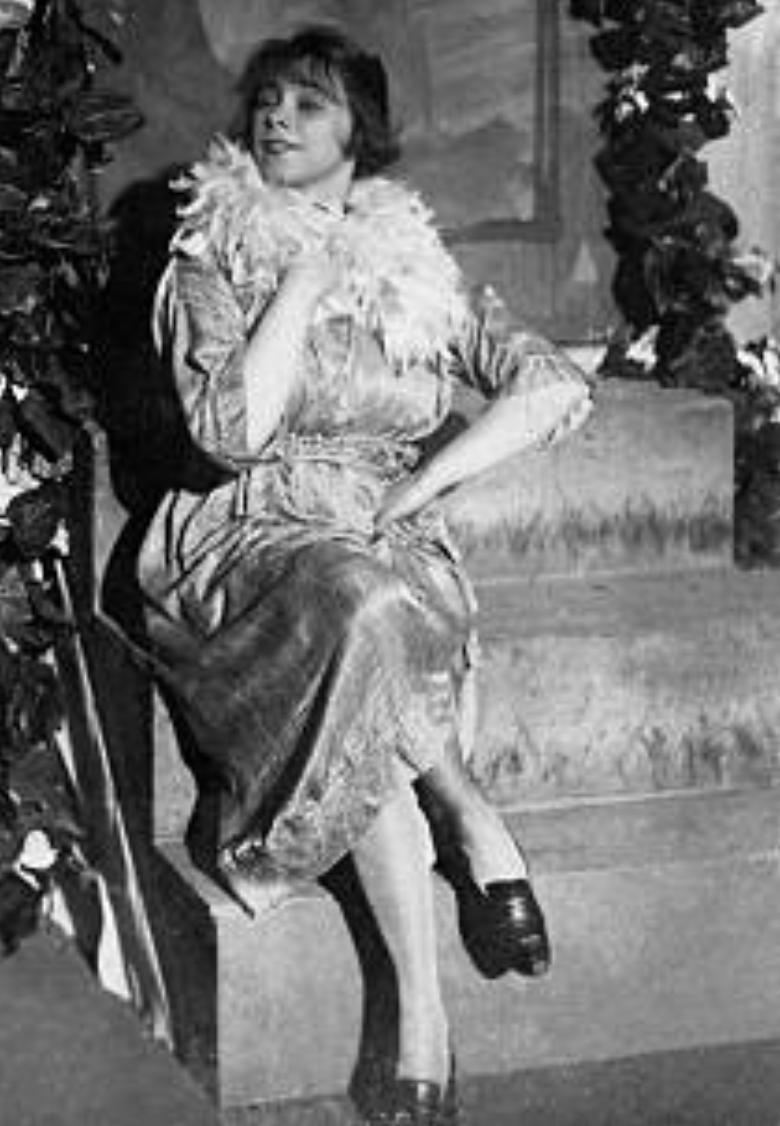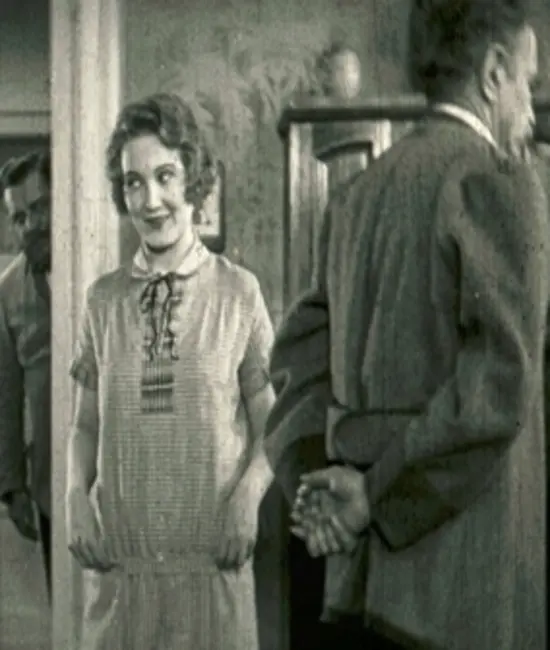
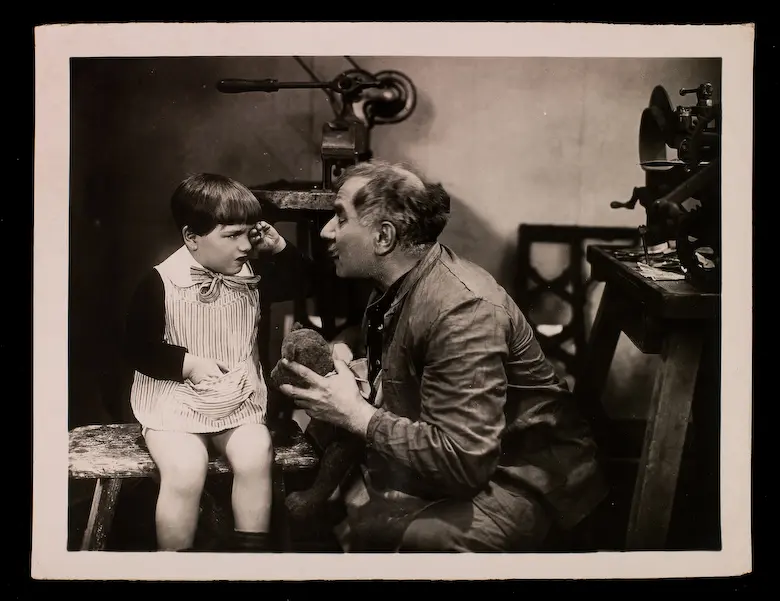
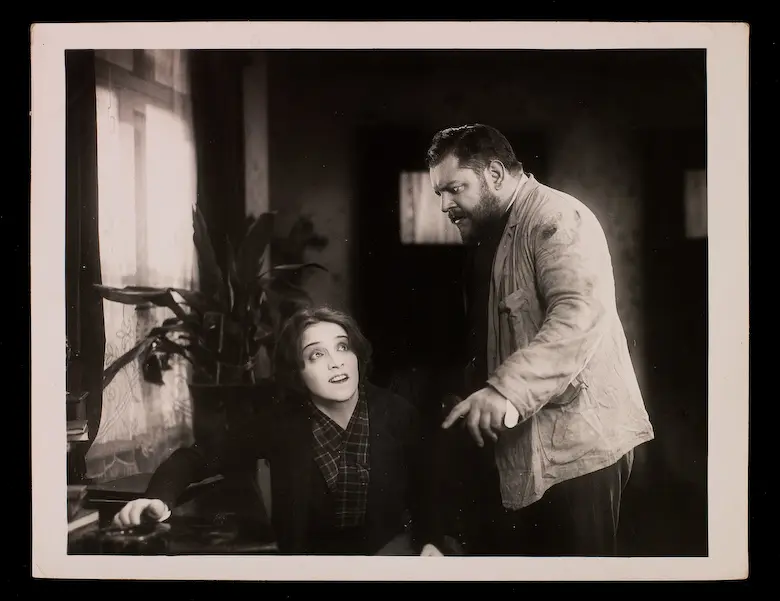
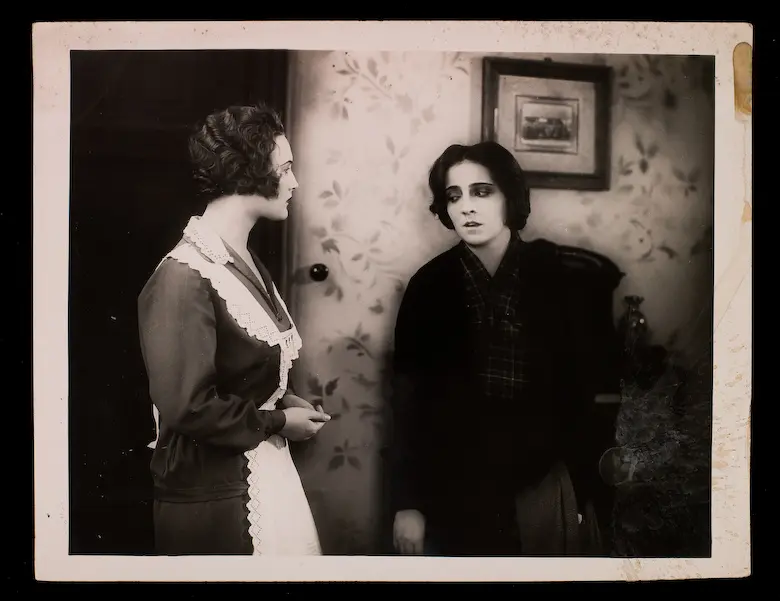
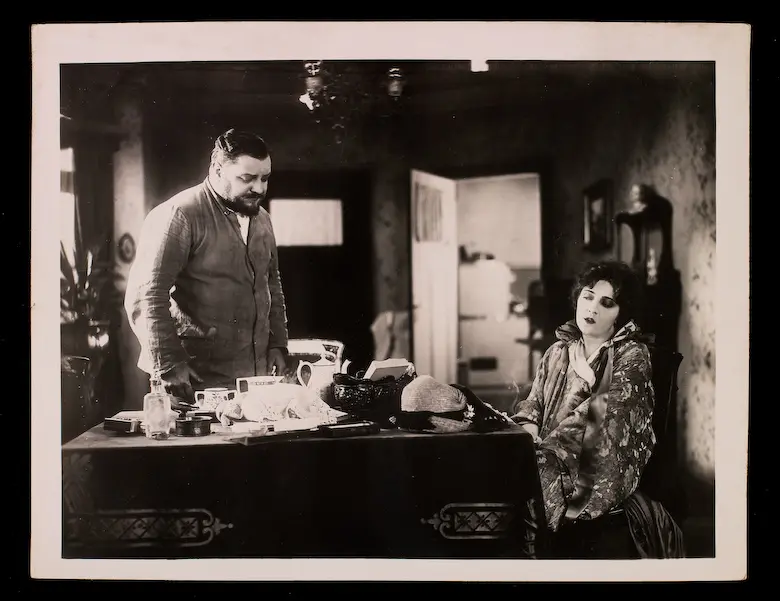
Otto Engel has been abandoned by his wife Ada. He gets along well with Elise, the girl living above his workshop.
Is Max Glass's 1927 silent drama, Bigamie, worth watching today? Short answer: yes, but with significant caveats that demand a particular kind of cinematic appreciation. This film is an essential, albeit challenging, watch for devoted enthusiasts of early German cinema and those fascinated by the social mores depicted ...
still_frame
still_frame
still_frame
still_frame
still_frame
still_frame
still_frame
still_frame

Comparing the cinematic DNA and archive impact of two defining moments in cult history.
Jaap Speyer

Robert N. Bradbury
Community
Log in to comment.
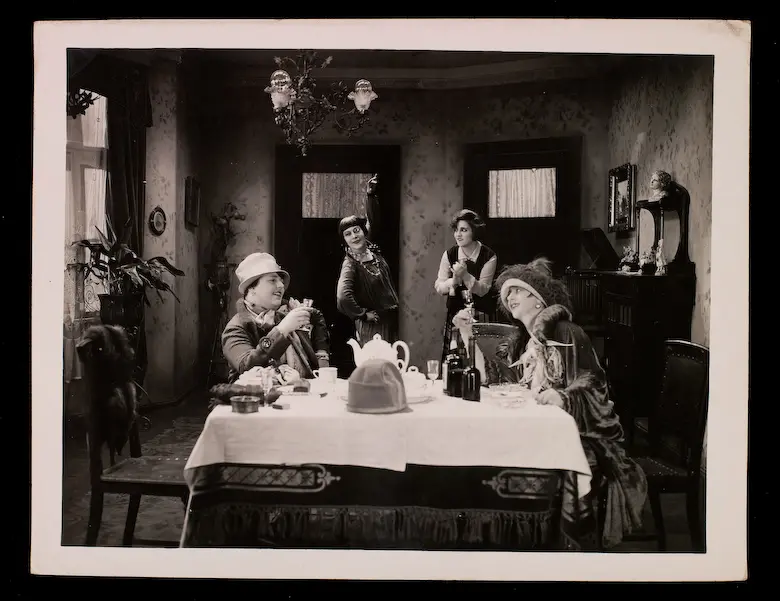
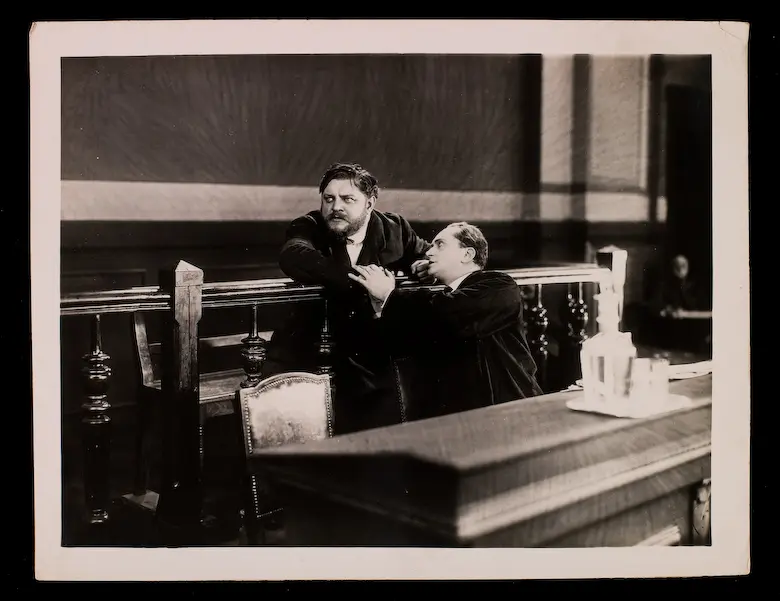
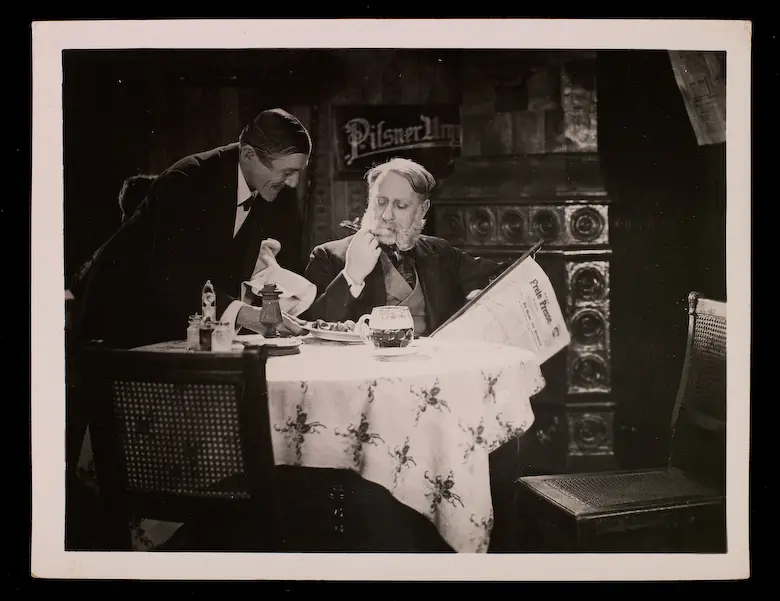
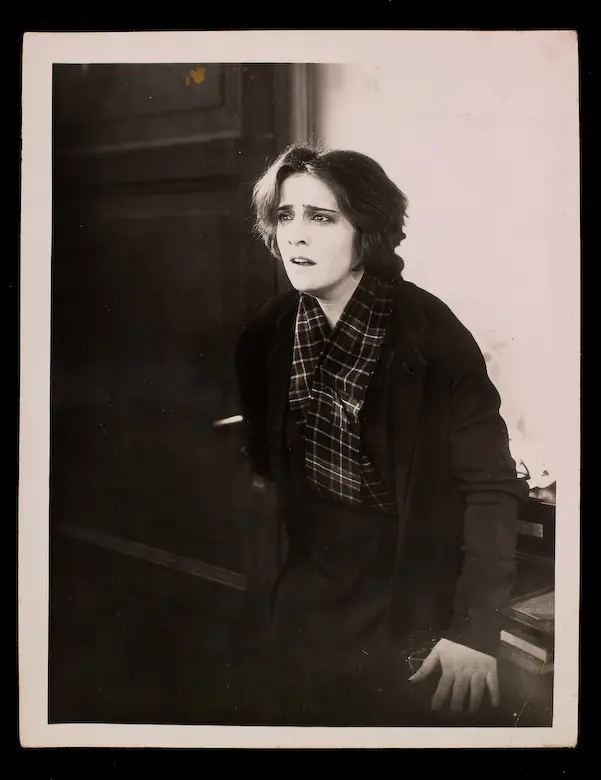
Otto Engel, a man grappling with the profound void left by his wife Ada's sudden and inexplicable abandonment, discovers a fragile solace in the quiet companionship of Elise, a kindhearted resident residing above his modest workshop. Their tentative bond blossoms into a shared evening at a local variety show, an outing meant to distract from his lingering sorrow. However, this seemingly innocuous excursion shatters Otto's carefully constructed peace. Amidst the dazzling, ephemeral spectacle of the stage, he is confronted with the shocking sight of Ada herself, not a missing spouse, but a performer, a dancer bathed in the footlights. This dramatic unveiling forces Otto to reconcile the domestic life he mourned with the audacious public persona of his wife, plunging him into the complex and often unforgiving legal and emotional landscape of marital deception in a rigid society.
"Is Max Glass's 1927 silent drama, Bigamie, worth watching today? Short answer: yes, but with significant caveats that demand a particular kind of cinematic appreciation. This film is an essential, albeit challenging, watch for devoted enthusiasts of early German cinema and those fascinated by the social mores depicted in silent-era melodrama, yet it will undoubtedly test the patience of viewers accustomed to modern narrative pacing and dialogue-driven storytelling. It's a historical artifact tha..."
Emil Heyse
Max Glass
Germany