DbcultAccessing Vault...
3.8/10
Senior Film Conservator
A definitive 3.8/10 rating for a film that redefined the boundaries of cult cinema. Bigamie remains a cornerstone of transgressive art.
Is Max Glass's 1927 silent drama, Bigamie, worth watching today? Short answer: yes, but with significant caveats that demand a particular kind of cinematic appreciation. This film is an essential, albeit challenging, watch for devoted enthusiasts of early German cinema and those fascinated by the social mores depicted in silent-era melodrama, yet it will undoubtedly test the patience of viewers accustomed to modern narrative pacing and dialogue-driven storytelling.
It's a historical artifact that reveals as much about the anxieties of its time as it does about the craft of filmmaking. For some, its deliberate pace will be a meditative journey; for others, an exercise in endurance. This is not a film for casual viewing, but a rewarding experience for those willing to engage with its unique language.
This film works because of its unflinching portrayal of emotional turmoil through the expressive power of silent acting, particularly Georg H. Schnell's nuanced performance as Otto, which transcends the often-exaggerated style of the era.
This film fails because its pacing can feel glacial by contemporary standards, with certain narrative beats lingering beyond their dramatic impact, occasionally sacrificing momentum for prolonged emotional exposition.
You should watch it if you appreciate the historical significance of early cinema, enjoy deciphering emotion through visual storytelling alone, and are intrigued by the dramatic social commentary inherent in a story of marital deception from nearly a century ago.
Bigamie plunges us into the quiet despair of Otto Engel, a man whose life has been upended by the sudden, unexplained disappearance of his wife, Ada. His workshop, once a place of industry, now feels permeated by a profound sense of loss, a silent echo of her absence. Into this void steps Elise, a gentle soul living above his premises, whose quiet kindness begins to mend the fissures in Otto's heart. Their connection is a fragile bloom, a testament to the human need for companionship in the face of desolation.
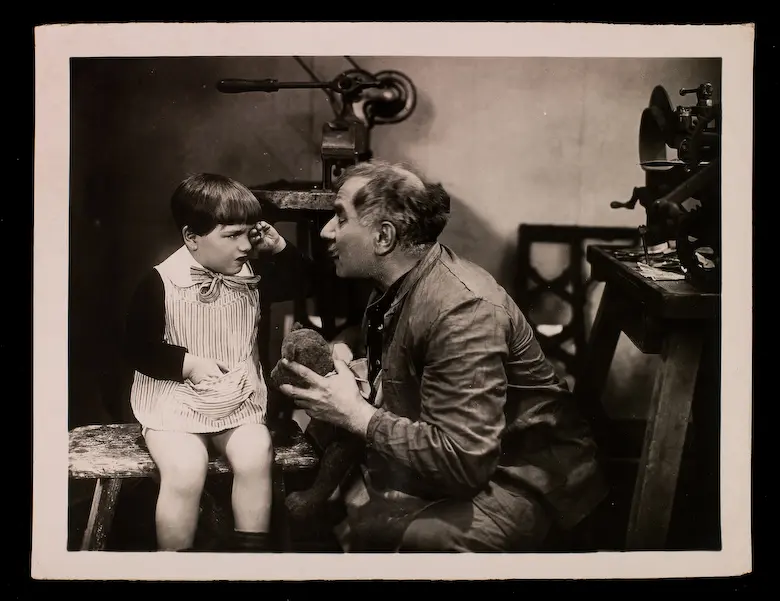
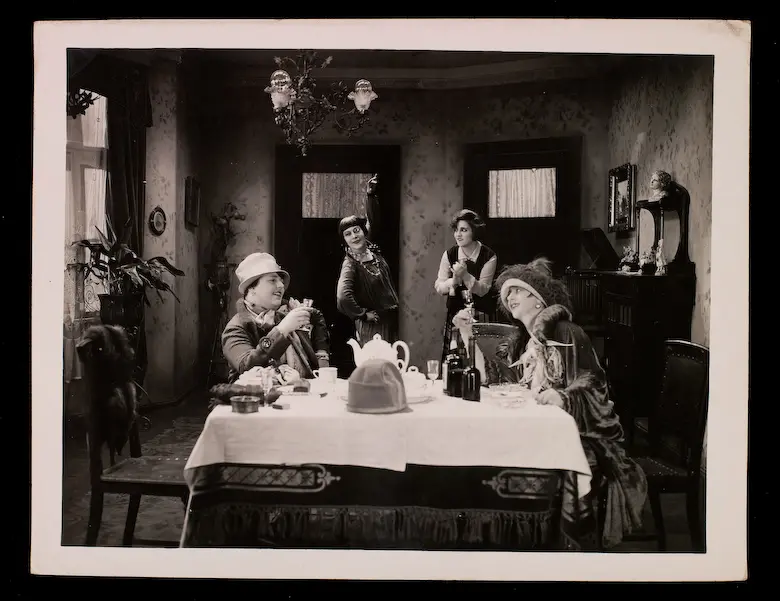
The turning point, a masterstroke of dramatic irony, occurs during what should be an evening of simple pleasure: a visit to a vibrant variety show. The cacophony of music, the dazzling lights, and the whirl of dancers offer a stark contrast to Otto’s somber existence. It is here, amidst the spectacle, that the film delivers its crushing revelation. Ada, the missing wife, the ghost of his past, is not merely present but performing on stage, embodying a bold, uninhibited persona utterly alien to the woman Otto once knew. This moment, a public unveiling of a private betrayal, is the narrative fulcrum, forcing Otto, and by extension the audience, to confront the stark realities of her double life.
The genius of Max Glass's narrative lies not just in the shock of this discovery, but in the subsequent unfolding of its legal and emotional ramifications. The concept of bigamy, a profound societal taboo in the 1920s, transforms a personal tragedy into a public scandal. Otto’s initial grief morphs into confusion, then anger, as he grapples with the implications of Ada’s deceit. The film deftly navigates the tension between personal desire and rigid societal expectations, painting a vivid picture of a man caught between his past loyalty and a future he never anticipated. It's a story that, despite its silent presentation, speaks volumes about the human heart's capacity for both love and deception.
In the realm of silent cinema, the actor’s body and face become the sole conduits for emotion, a challenging yet often mesmerizing art form. Bigamie is a testament to this, with its central performances carrying the full weight of the narrative. Georg H. Schnell, as Otto Engel, delivers a portrayal of quiet suffering that is genuinely affecting. His slumped shoulders, the weary set of his jaw, and the subtle shifts in his eyes communicate a profound internal struggle without ever needing an intertitle to explain his pain. When he first sees Ada on stage, the camera lingers on his face, a canvas of disbelief, heartbreak, and dawning fury – it’s a moment that resonates with raw, unadulterated human emotion.
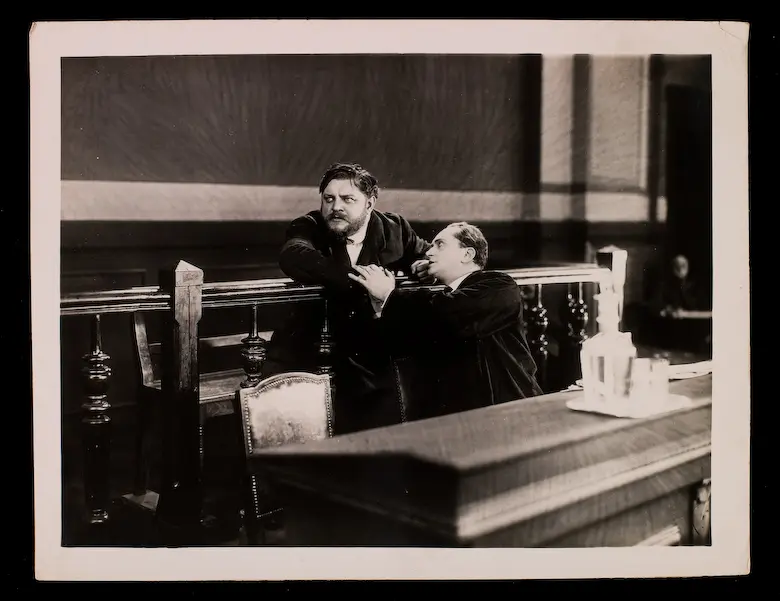
Maria Jacobini, likely cast as Ada, is tasked with embodying two distinct personas: the absent wife and the vibrant dancer. This duality is central to the film’s dramatic power. Her stage performance must convey a confidence and allure that sharply contrasts with the memory of the woman Otto lost. The way she moves, the energy she projects, creates a powerful visual dissonance that underscores Otto’s shock. It's a demanding role, requiring a transformation that is believable purely through physical expression and carefully orchestrated gestures.
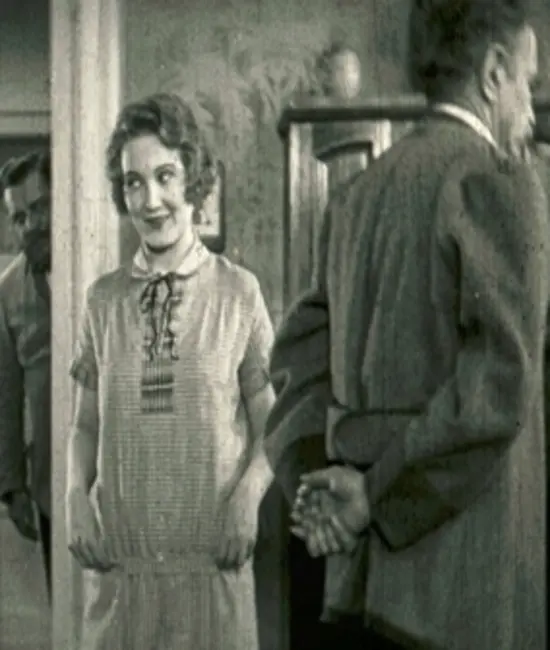
Anita Dorris, as Elise, provides a crucial counterpoint to the central drama. Her performance is one of gentle empathy, a quiet strength that offers Otto a glimpse of potential healing. Her scenes with Schnell are often tender, characterized by a warmth that highlights the stark coldness of Ada’s betrayal. While perhaps less overtly dramatic, Dorris’s presence anchors the film in a sense of genuine human connection, reminding us that even in despair, solace can be found. The supporting cast, including the likes of Heinrich George and Maria Forescu, fill out the world of the film with vivid, often caricatured, portrayals typical of the era, adding texture to the bustling variety show and the societal backdrop against which Otto's tragedy unfolds.
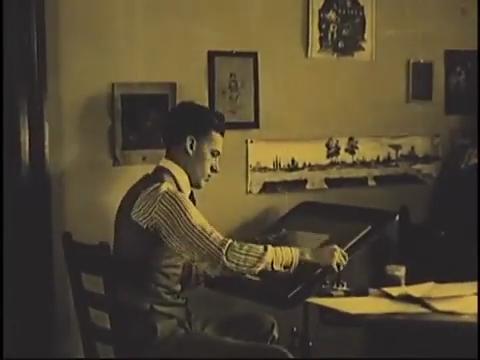
Max Glass, as the director and writer, crafts Bigamie with a keen eye for visual storytelling, a necessity in the silent era. His direction, while not overtly experimental in the vein of some German Expressionist contemporaries, is effective in building atmosphere and driving emotion. The film’s visual language is precise, using contrasting settings to underscore the narrative’s emotional beats. Otto’s workshop, for instance, is often depicted with practical, almost stark realism, perhaps with soft, melancholic lighting that emphasizes his loneliness. It's a space that feels lived-in, laden with the weight of memory.
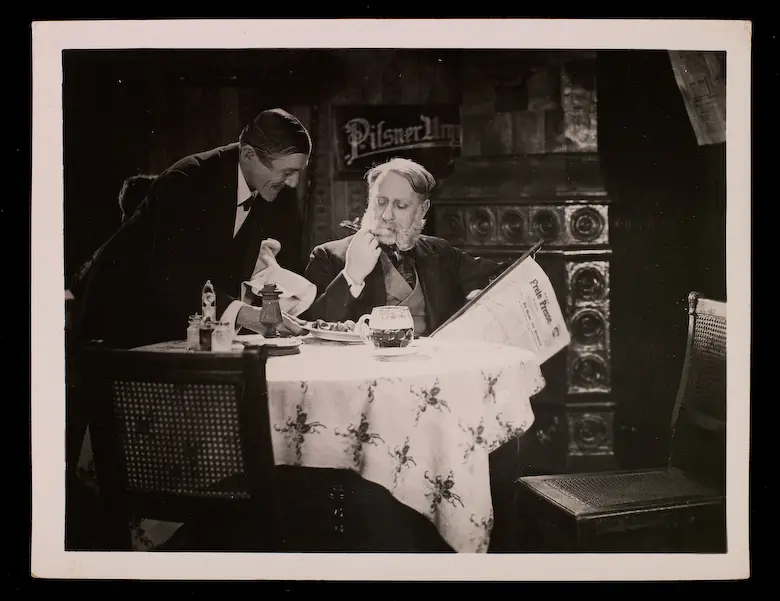
In stark contrast, the variety show sequences are a riot of light and movement. Glass utilizes dynamic staging and perhaps even some innovative camera work for the period to capture the energy of the performances. The reveal of Ada on stage is meticulously framed; the shot likely focuses on her initially, then cuts to Otto’s stunned reaction, drawing the audience directly into his emotional experience. This juxtaposition of the mundane and the spectacular is a powerful directorial choice, making the betrayal feel even more jarring.
The cinematography, while likely constrained by the technology of the time, effectively uses lighting to sculpt mood. Shadows might deepen Otto’s despair, while the bright glare of the stage lights could symbolize Ada’s new, perhaps dangerous, freedom. There's a particular shot where Otto, after the initial shock, retreats into the shadows of the theater, a visual metaphor for his internal turmoil. While Bigamie may not boast the iconic visual stylings of a Aelita, the Queen of Mars, its visual competence is undeniable, serving the story with clarity and dramatic impact. The sets and costumes, particularly those for the variety show, are detailed and immersive, transporting the viewer to the specific cultural milieu of 1920s Germany.
The pacing of Bigamie is undeniably deliberate, a characteristic often found in silent melodramas. For modern audiences, this can be a significant hurdle. The film takes its time to establish Otto's despair, to build the tentative relationship with Elise, and to let the shock of Ada's reveal truly sink in. There are extended sequences dedicated to conveying emotion through lingering close-ups and sustained physical acting, which can feel slow if one is not attuned to the rhythm of early cinema. It’s a slow burn, meticulously building tension rather than relying on rapid-fire plot developments.
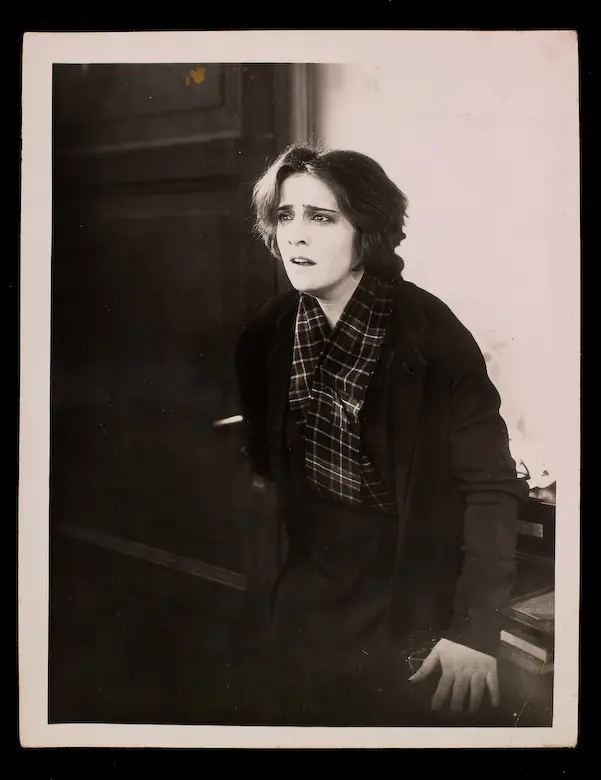
The tone is overtly melodramatic, which is entirely appropriate for its genre and era. The emotional stakes are high, and the reactions of the characters are often amplified to be understood without spoken dialogue. This isn't a subtle film in its emotional expression; it aims for grand gestures of heartbreak, betrayal, and moral conflict. However, within this melodramatic framework, there are moments of genuine poignancy, particularly in Otto's quiet suffering and Elise's compassionate presence. It avoids becoming purely theatrical by grounding its characters in believable, if heightened, emotional states.
While some might argue that certain scenes overstay their welcome, contributing to a sense of drag, I believe this extended emotional exposition is part of the film's unique charm and historical value. It forces the viewer to slow down, to observe, and to truly feel the weight of the characters' predicaments. The film builds its emotional crescendo through accumulation, a technique that might seem alien to contemporary storytelling but was a powerful tool for filmmakers like Glass. Compared to the rapid-fire gags of a short like A Ripping Time, Bigamie demands a different kind of engagement, a deeper immersion into its emotional landscape.
Yes, Bigamie is absolutely worth watching, but with specific expectations. It's a valuable historical document, offering a window into German society and filmmaking techniques of the late 1920s. The film provides a compelling character study of betrayal and resilience.
It serves as an excellent example of silent-era melodrama. The performances, particularly Georg H. Schnell's, are remarkably expressive. It's a challenging watch due to its deliberate pacing. Viewers should be prepared for a slower, visually-driven narrative. It is not for those seeking fast-paced action or modern dialogue.
Bigamie is a fascinating relic, a silent scream of betrayal and societal pressure that, while demanding, rewards the patient viewer with a potent emotional experience. It's not a film to be consumed casually; it's one to be studied, to be felt, and to be understood within its historical framework. Max Glass delivers a solid, if sometimes slow, melodrama that showcases the formidable power of silent acting and visual storytelling. While its pacing might be a significant barrier for many, its thematic depth and the raw performances, particularly from Georg H. Schnell, make it an important piece of cinematic history. It works. But it’s flawed. For those willing to lean in and listen to its silent voice, Bigamie offers a compelling, if melancholic, journey into a past where personal lives were often dramatically dictated by public morality. It certainly stands as a more impactful exploration of human relationships than many of its contemporaries, offering a depth that transcends mere novelty for fans of the era. If you’re looking for a different kind of silent film experience, perhaps after watching a lighthearted comedy like Wet and Warmer, this offers a stark, intriguing contrast.

IMDb 6.2
1936
Community
Log in to comment.