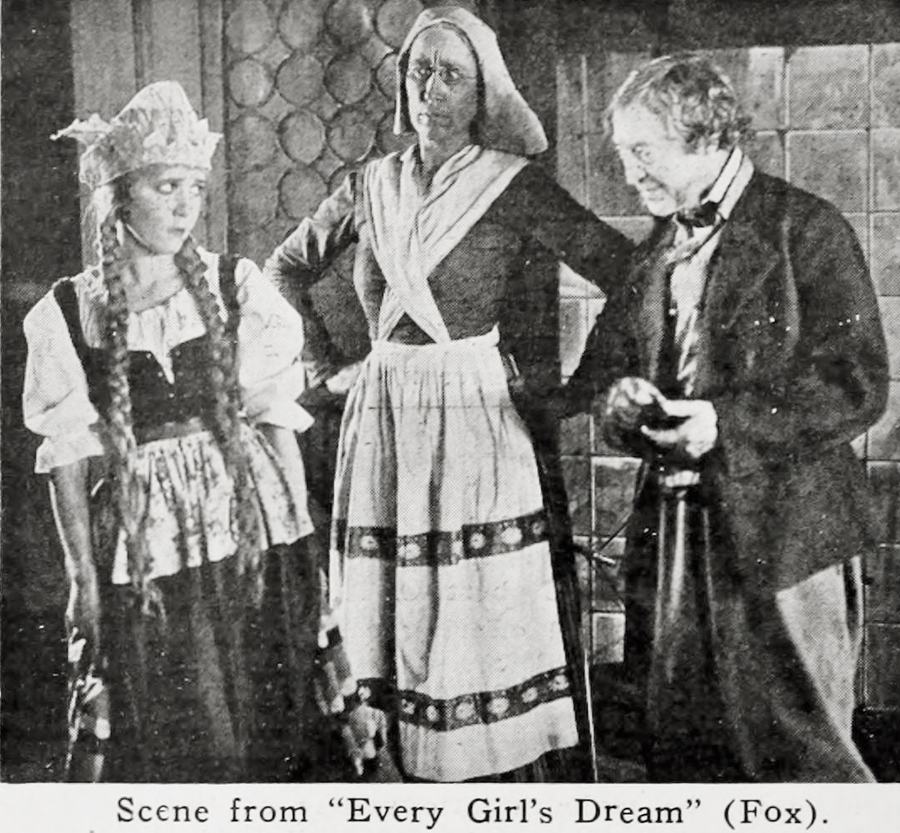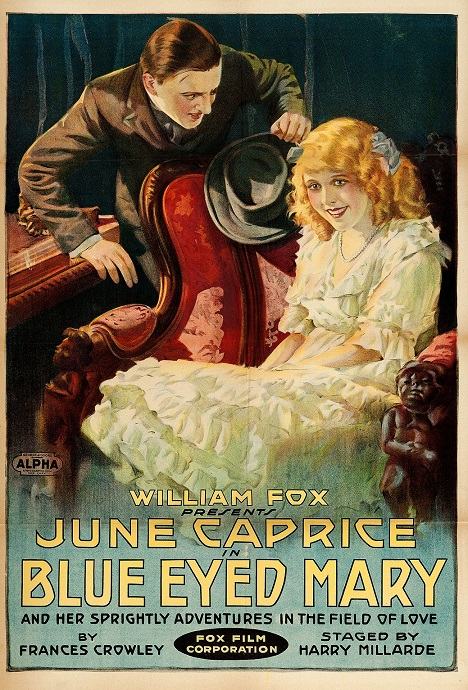
When her son has married beneath the family, Mrs. Van Twiller Du Bois disowns him and decides to leave her fortune to her nephew, Cecil Harrington.
Adrian Johnson, Frances Crowley
United States
p, li { line-height:1.65em; margin:0 0 1em; } a { color:#0E7490; text-decoration:none; border-bottom:1px dotted #0E7490; } a:hover { color:#EAB308; border-color:#EAB308; } blockquote { border-left:3px solid #C2410C; padding-left:1em; margin:1.5em 0; font-style:italic; color:#EAB308; } h2 { color:#C2410C; margin:1.8em...

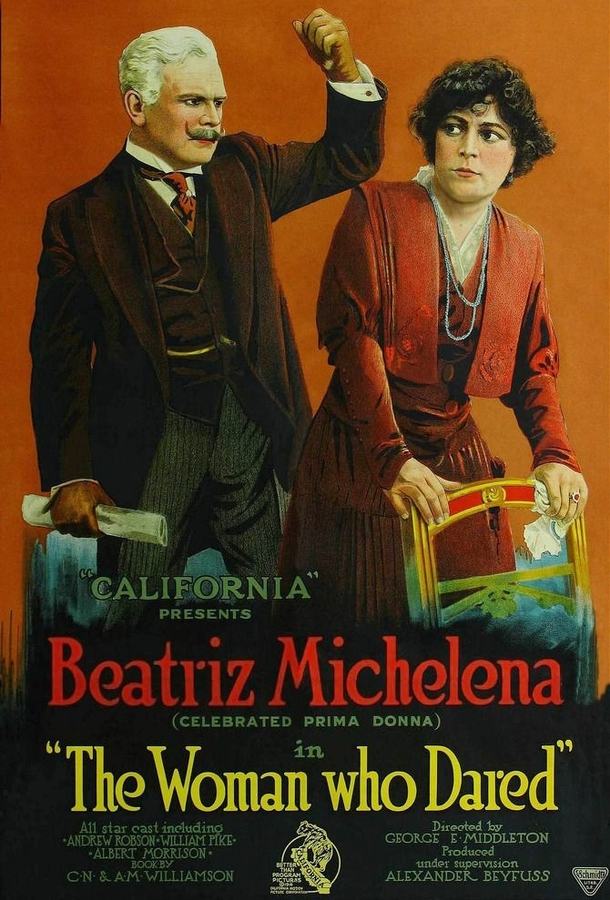
Comparing the cinematic DNA and archive impact of two defining moments in cult history.
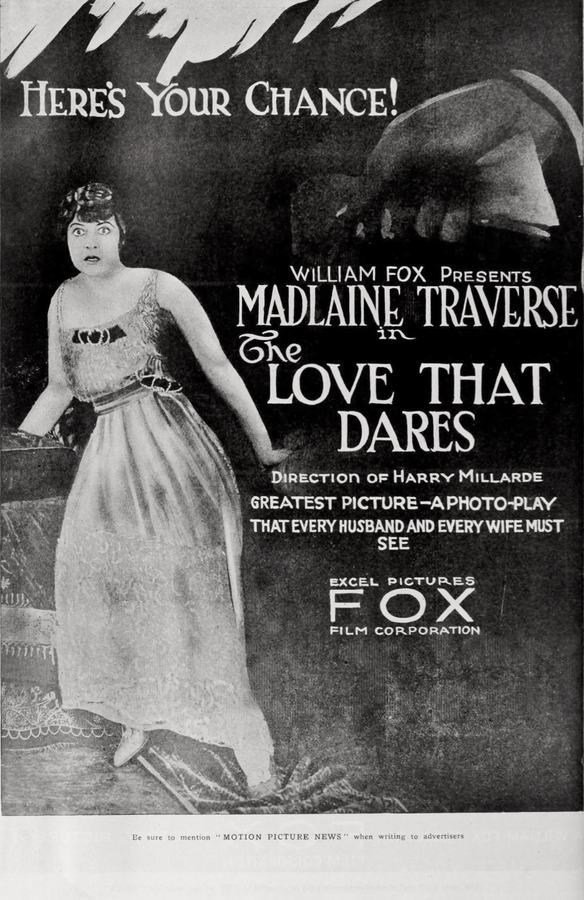
Harry F. Millarde
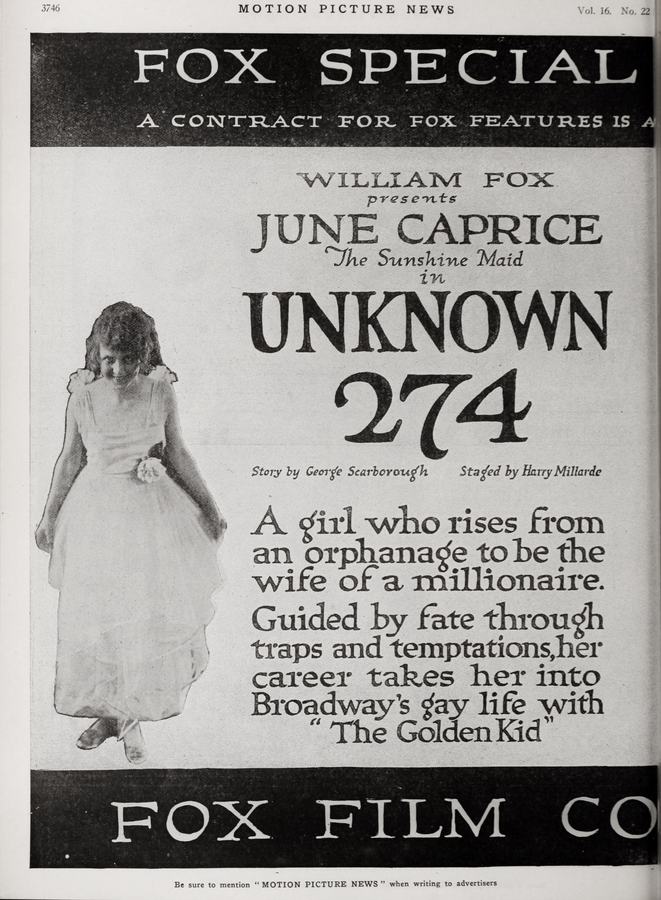
Harry F. Millarde
Community
Log in to comment.
" p, li { line-height:1.65em; margin:0 0 1em; } a { color:#0E7490; text-decoration:none; border-bottom:1px dotted #0E7490; } a:hover { color:#EAB308; border-color:#EAB308; } blockquote { border-left:3px solid #C2410C; padding-left:1em; margin:1.5em 0; font-style:italic; color:#EAB308; } h2 { color:#C2410C; margin:1.8em 0 0.6em; font-size:1.4em; letter-spacing:0.5px; } h3 { color:#EAB308; margin:1.5em 0 0.4em; font-size:1.2em; } There is a moment, roughly two-thirds through Blue-Eyed Mary, when..."
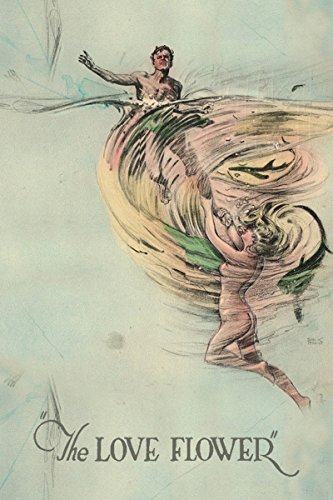
Deep dive into the cult classic
Discover similar cinematic experiences
A Directorial Spotlight on Harry F. Millarde