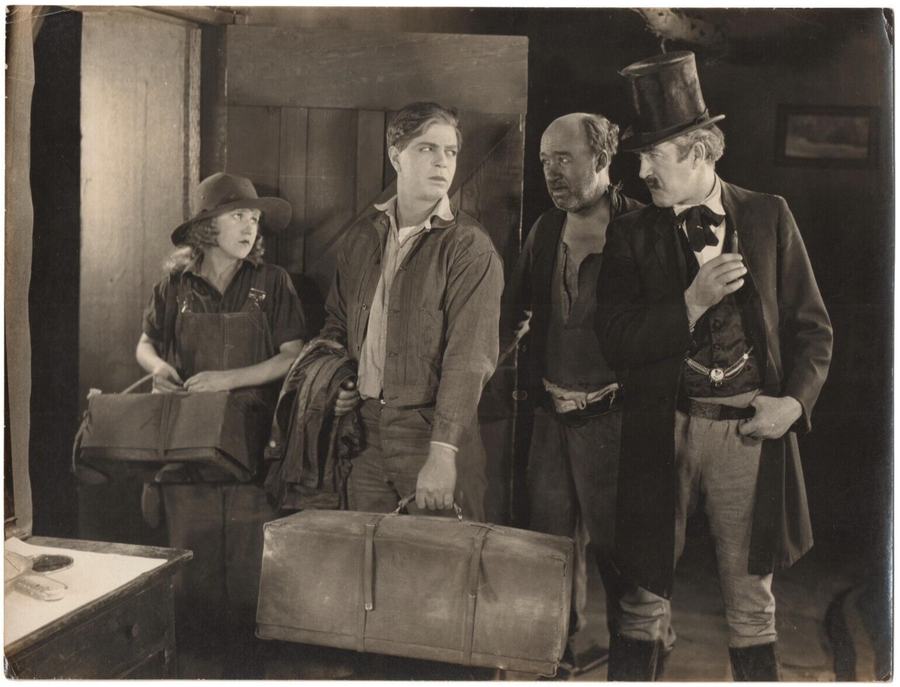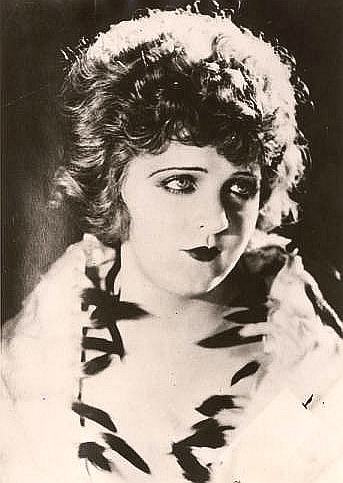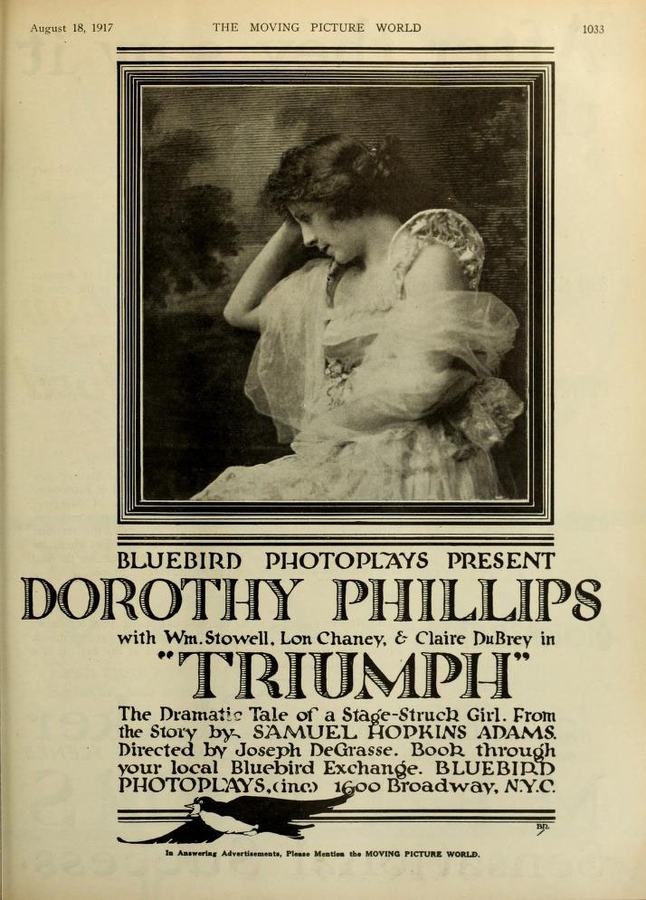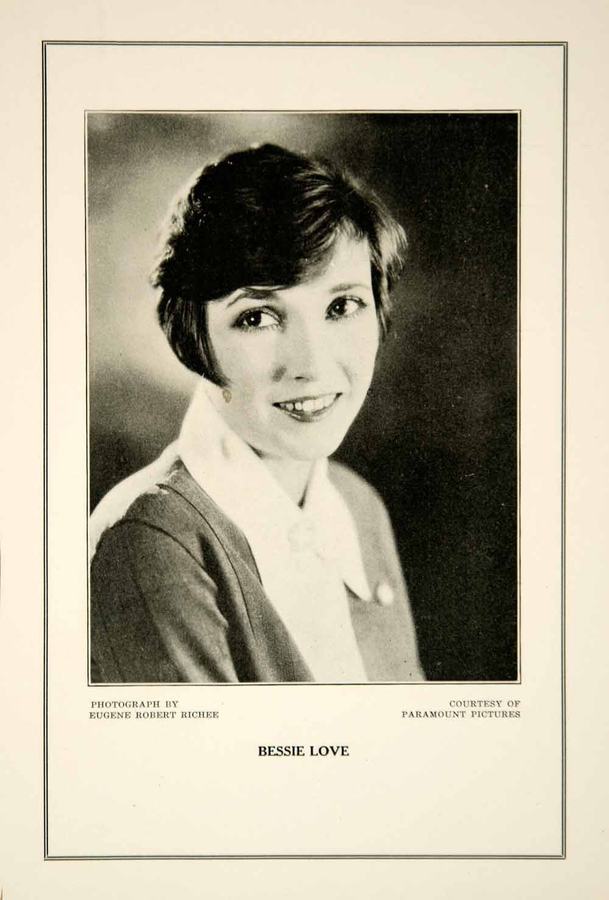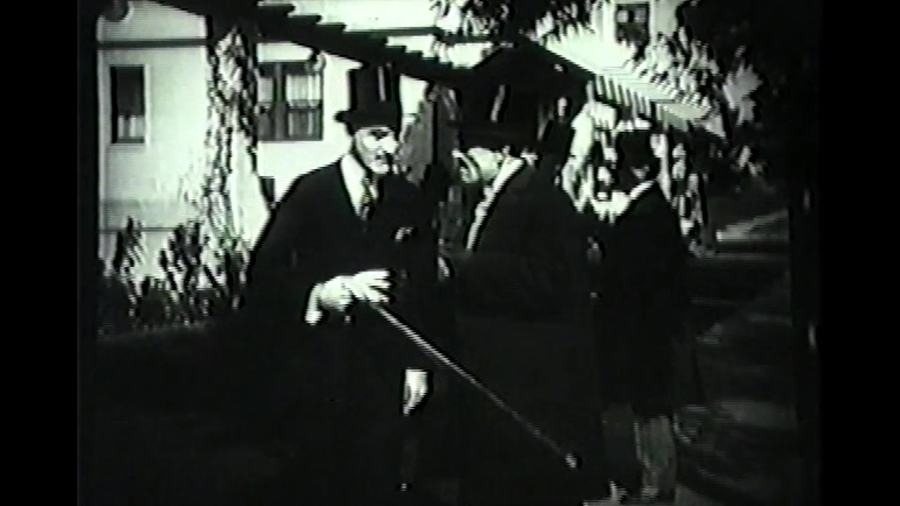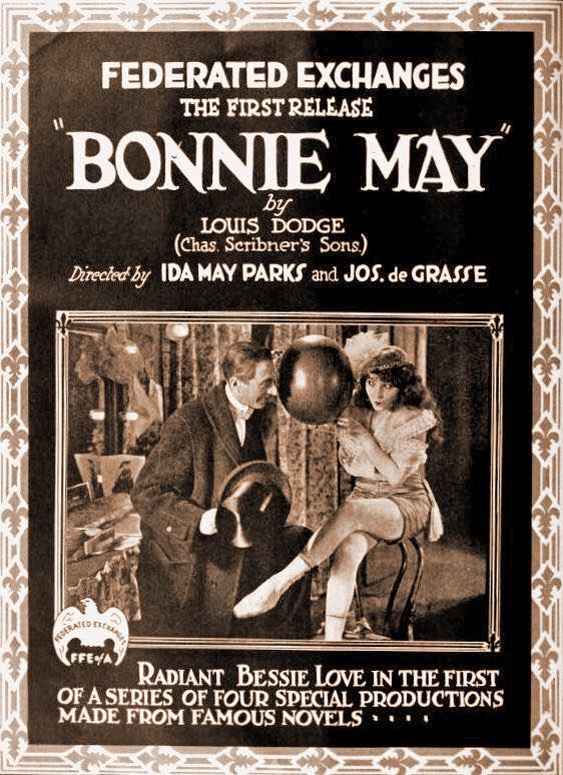
Young actress Bonnie May finds work in a private play given at Mrs. Baron's mansion, where she endears herself to all, especially Victor Baron, the invalid son who has written the play.
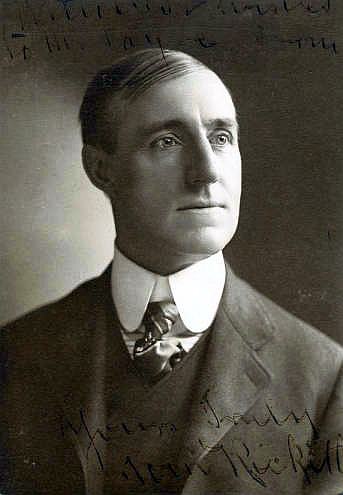
The first time I saw Bessie Love’s Bonnie glide across the screen—feet barely kissing the Persian rug, eyes wide as teacup saucers—I understood why certain silents feel like intercepted séances. This 1923 one-reeler, barely coughing past the twenty-minute mark, carries the spectral density of a cathedral canticle. Dir...
production_art
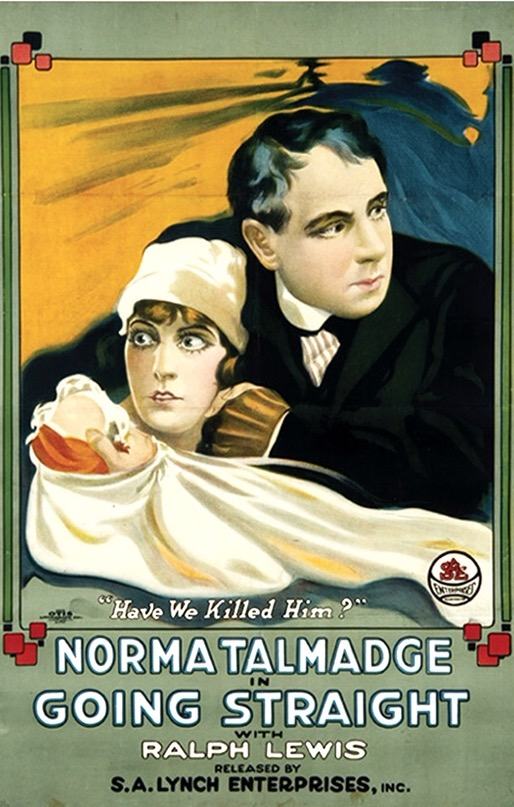
Comparing the cinematic DNA and archive impact of two defining moments in cult history.
Joseph De Grasse
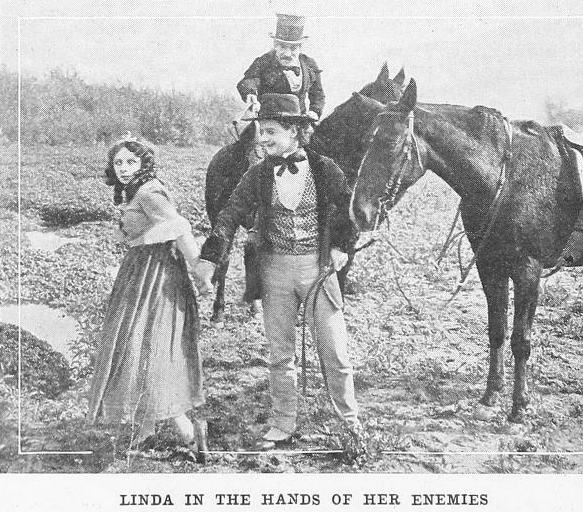
Joseph De Grasse
Community
Log in to comment.
" The first time I saw Bessie Love’s Bonnie glide across the screen—feet barely kissing the Persian rug, eyes wide as teacup saucers—I understood why certain silents feel like intercepted séances. This 1923 one-reeler, barely coughing past the twenty-minute mark, carries the spectral density of a cathedral canticle. Director Tom Ricketts stages every tableau as though it were a Degas lit by gaslight: foregrounds shimmer, midgrounds dissolve into cigarette haze, and the background—oh, that backgro..."
Louis Dodge, Bernard McConville
United States