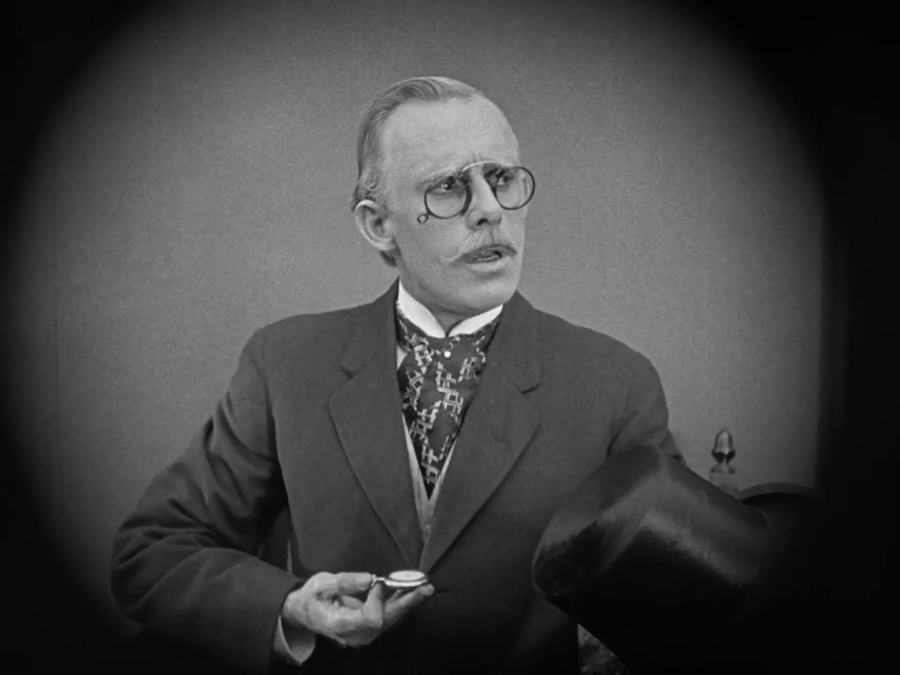
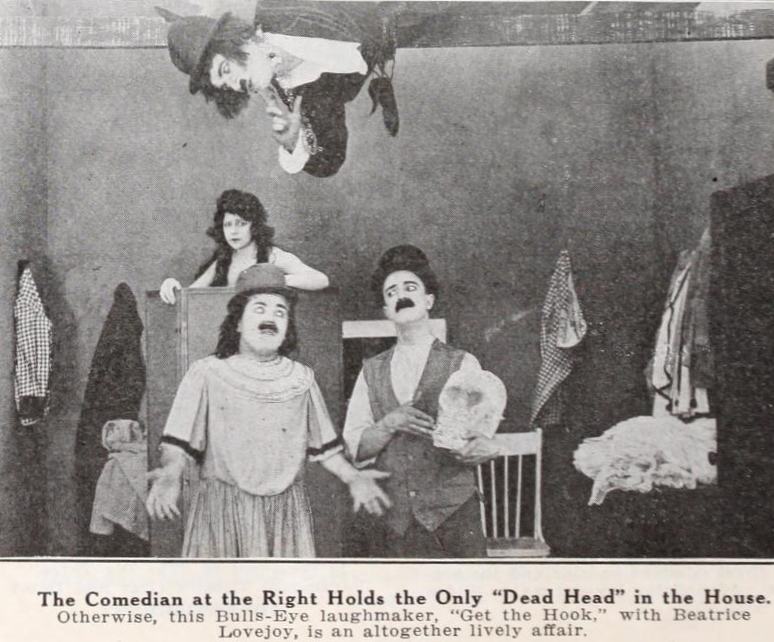
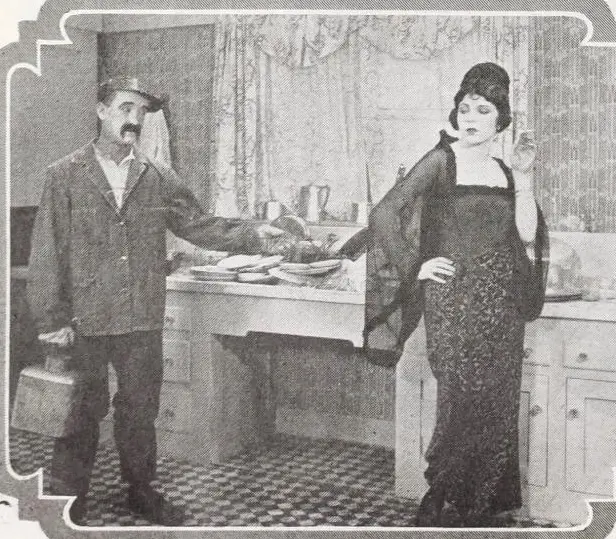
A couple is seeking a divorce. In court, the wife tells her story of how the husband comes home intoxicated and while she is working over the washtub, treats her brutally.
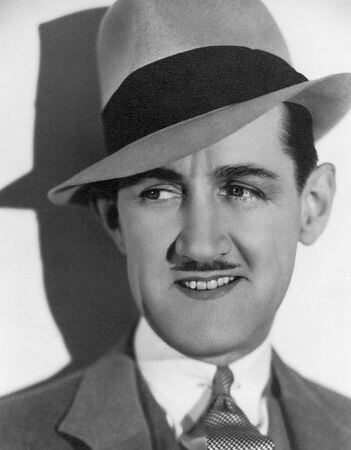
Hal Roach
United States
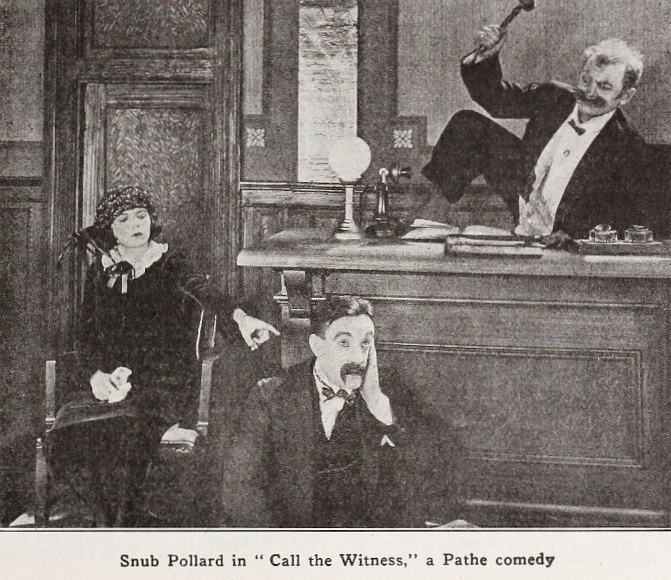
A Silent Symphony of Conflict and ReconciliationWhen Hal Roach’s Call the Witness flickers onto the screen, the audience is thrust into a world where silence is louder than dialogue, and every gesture reverberates with subtext. The film, a modest yet ambitious effort from the early 1920s, navigates the treacherous terr...
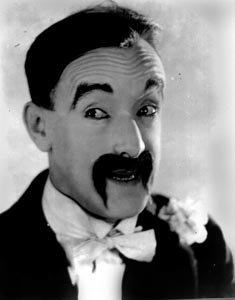
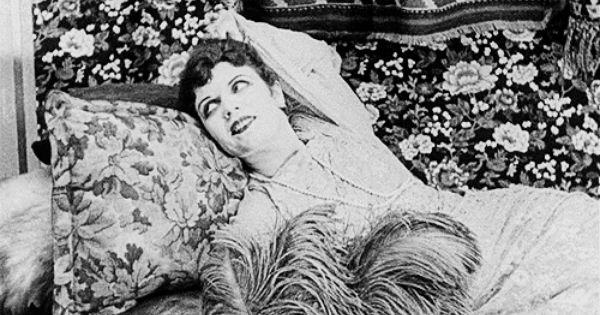
still_frame
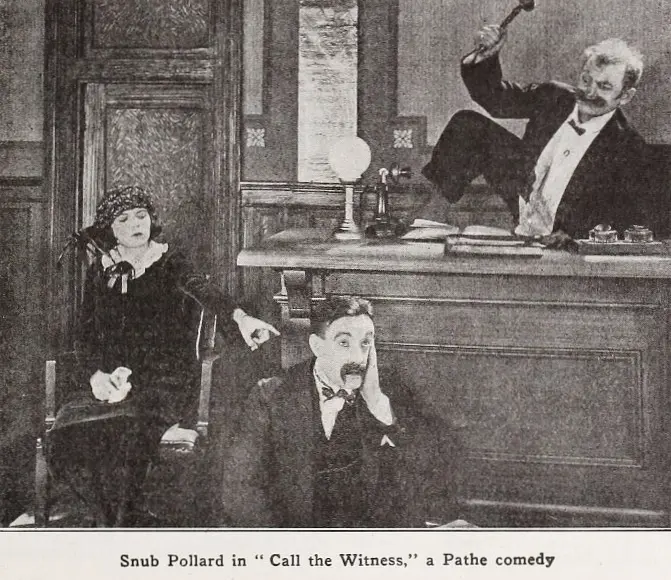
still_frame
Comparing the cinematic DNA and archive impact of two defining moments in cult history.
Charley Chase
Unknown Director
Community
Log in to comment.
"A Silent Symphony of Conflict and ReconciliationWhen Hal Roach’s Call the Witness flickers onto the screen, the audience is thrust into a world where silence is louder than dialogue, and every gesture reverberates with subtext. The film, a modest yet ambitious effort from the early 1920s, navigates the treacherous terrain of marital dissolution with a blend of slap‑stick vigor and earnest pathos, a duality that feels both ahead of its time and firmly rooted in the era’s cinematic conventions.Nar..."

Deep dive into the cult classic
Discover similar cinematic experiences
A Directorial Spotlight on Charley Chase