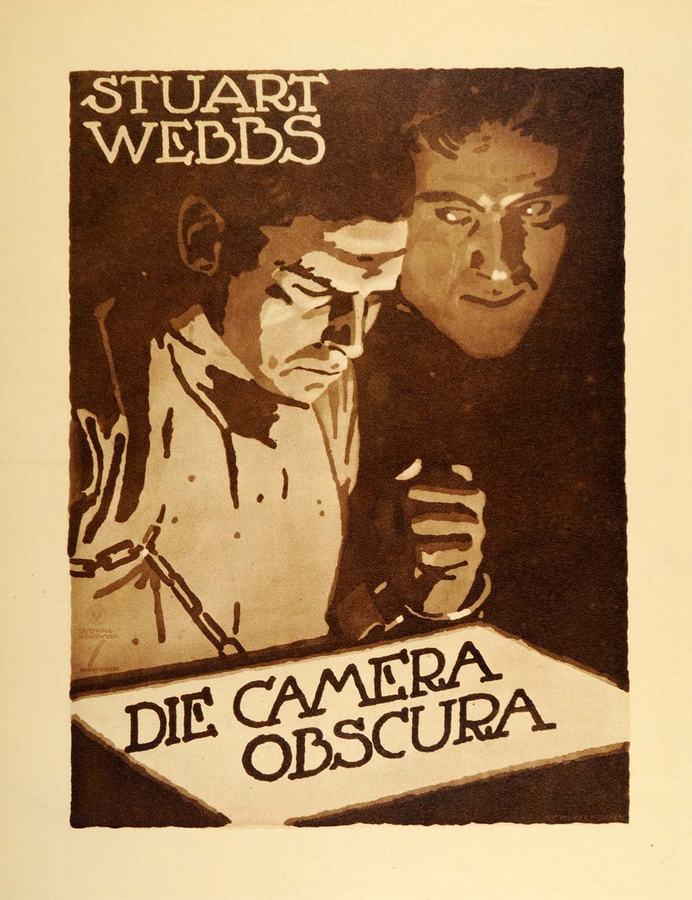
body{background:#000;color:#fff;font-family:'Georgia',serif}.highlight1{color:#C2410C}.highlight2{color:#EAB308}.highlight3{color:#0E7490}Camera Obscura is a forgotten gem from 1930 that glows like a candle in the crypt of pre-war cinema. Directed with a surgeon’s precision and a poet’s melancholy, this film is not mer...

Comparing the cinematic DNA and archive impact of two defining moments in cult history.
Max Obal
Tom Collins
Community
Log in to comment.
"body{background:#000;color:#fff;font-family:'Georgia',serif}.highlight1{color:#C2410C}.highlight2{color:#EAB308}.highlight3{color:#0E7490}Camera Obscura is a forgotten gem from 1930 that glows like a candle in the crypt of pre-war cinema. Directed with a surgeon’s precision and a poet’s melancholy, this film is not merely a narrative exercise but a philosophical inquiry into the nature of reality itself. Set against the crumbling opulence of Weimar Berlin, it tells the story of Dr. Leopold Krame..."
Germany