Two burglar cats carry out a midnight job under the nose of a canine cop. They enter a flat and open the ice-box, from which they steal a large cheese.
United States
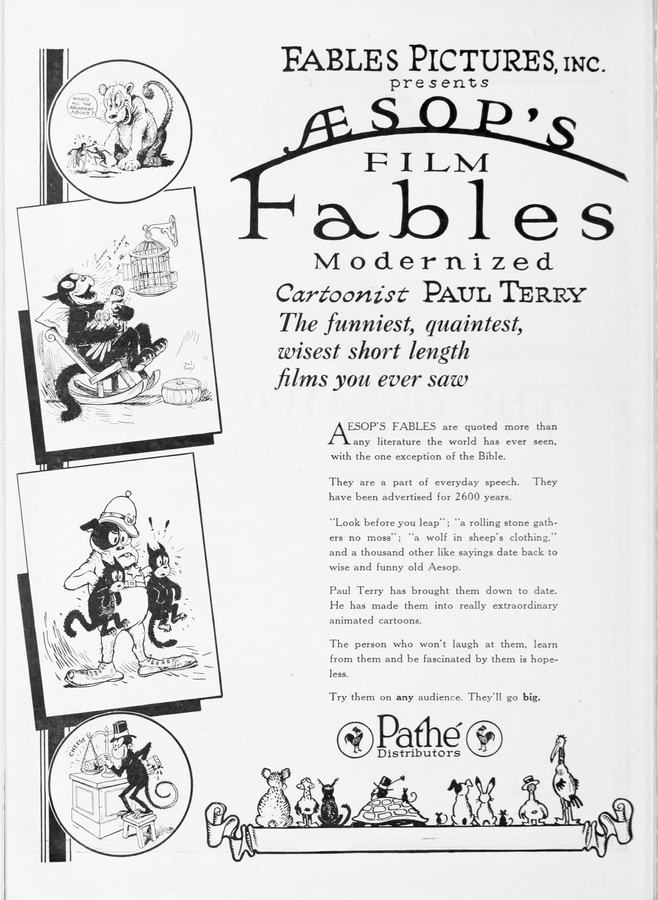
Midnight reeks of camembert and misdemeanors. There is a moment—twelve minutes and forty-three seconds into the surviving print of Cats at Law—when the celluloid itself seems to breathe: the alley cat protagonist, a tuxedo ruffian christened "Felix-the-Finger" in studio notes, pauses mid-heist, pupils dilating into ...
Comparing the cinematic DNA and archive impact of two defining moments in cult history.
Unknown Director

Unknown Director
Community
Log in to comment.
" Midnight reeks of camembert and misdemeanors. There is a moment—twelve minutes and forty-three seconds into the surviving print of Cats at Law—when the celluloid itself seems to breathe: the alley cat protagonist, a tuxedo ruffian christened "Felix-the-Finger" in studio notes, pauses mid-heist, pupils dilating into twin eclipses as the refrigerator bulb swings like a pendulum above the loot. That single frame, hand-inked on rice paper and now mottled with emulsion freckles, distills the entir..."