Bolivia
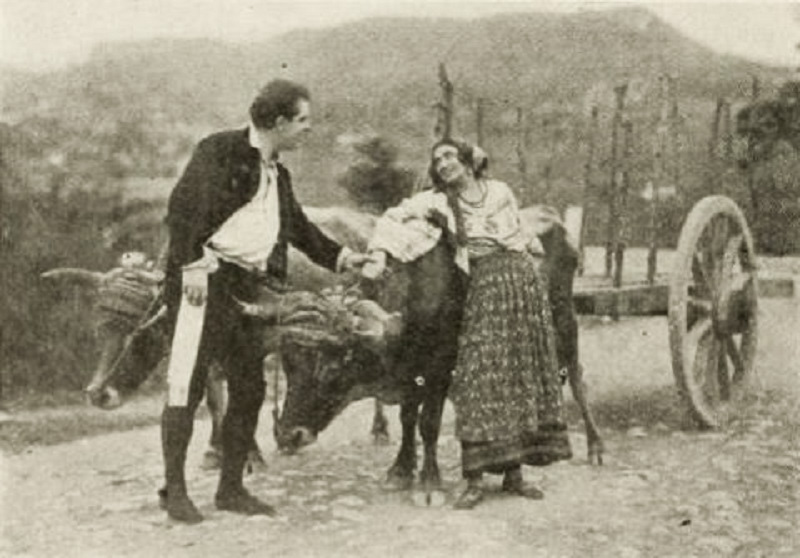
To approach Cochabamba is to step into a time machine constructed of silver halide and Andean sunlight. Directed by the visionary Pedro Sambarino, this silent relic is far more than a historical curiosity; it is a vital organ in the body of early South American cinema. While European audiences in the 1920s were marve...
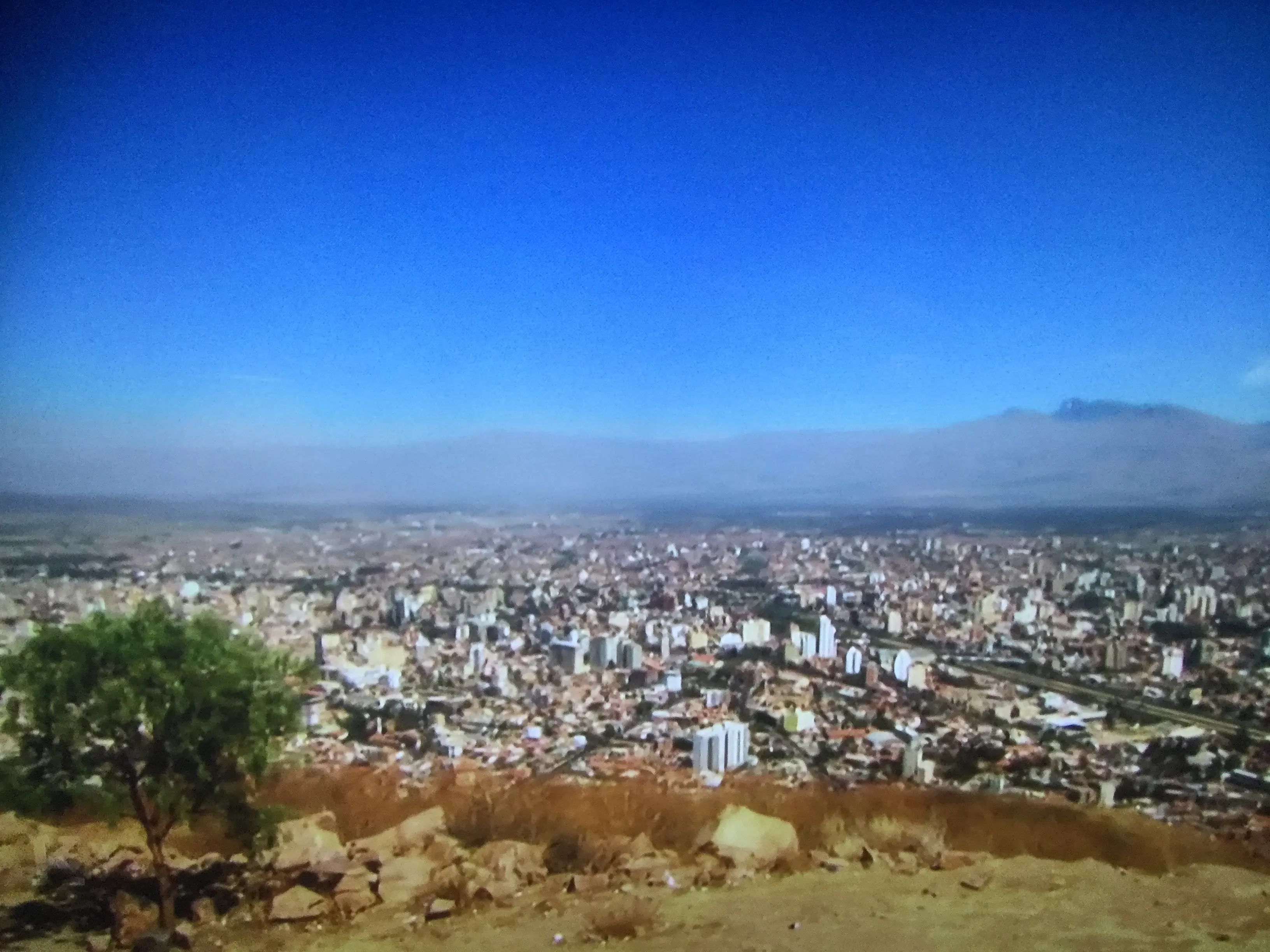
still_frame
Comparing the cinematic DNA and archive impact of two defining moments in cult history.
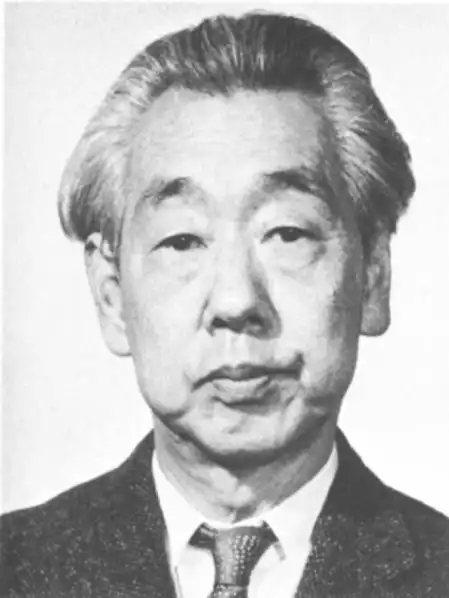
Pedro Sambarino

Unknown Director
Community
Log in to comment.
" To approach Cochabamba is to step into a time machine constructed of silver halide and Andean sunlight. Directed by the visionary Pedro Sambarino, this silent relic is far more than a historical curiosity; it is a vital organ in the body of early South American cinema. While European audiences in the 1920s were marveling at the expressionist shadows of films like Die Legende von der heiligen Simplicia, Sambarino was busy inventing a visual language that felt uniquely terrestrial, grounded in t..."