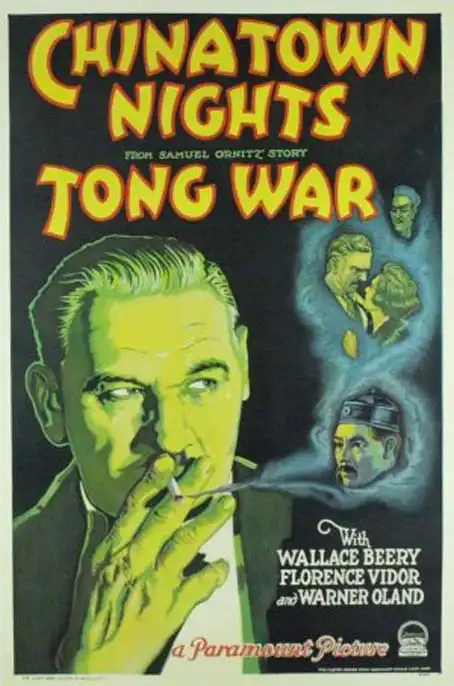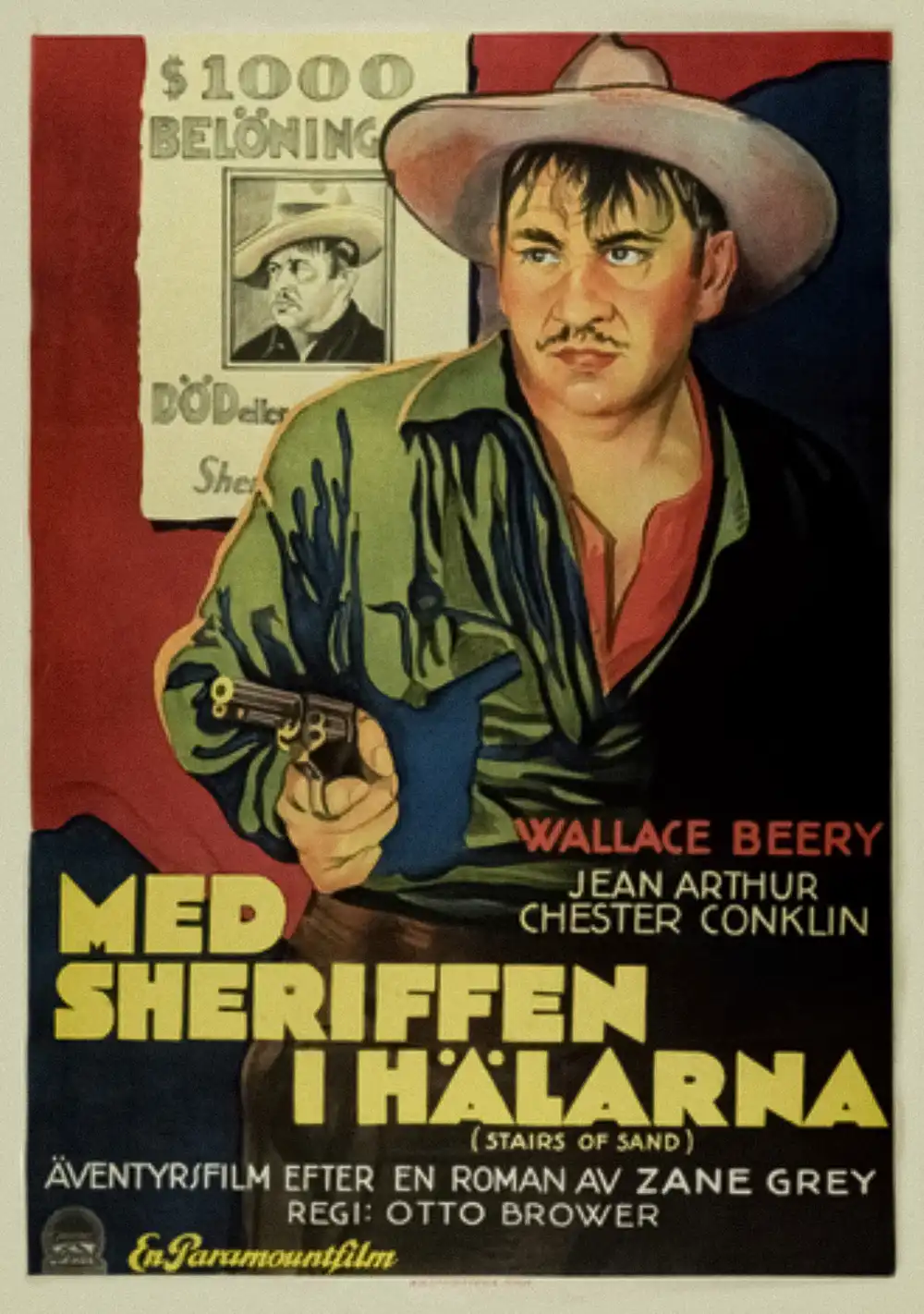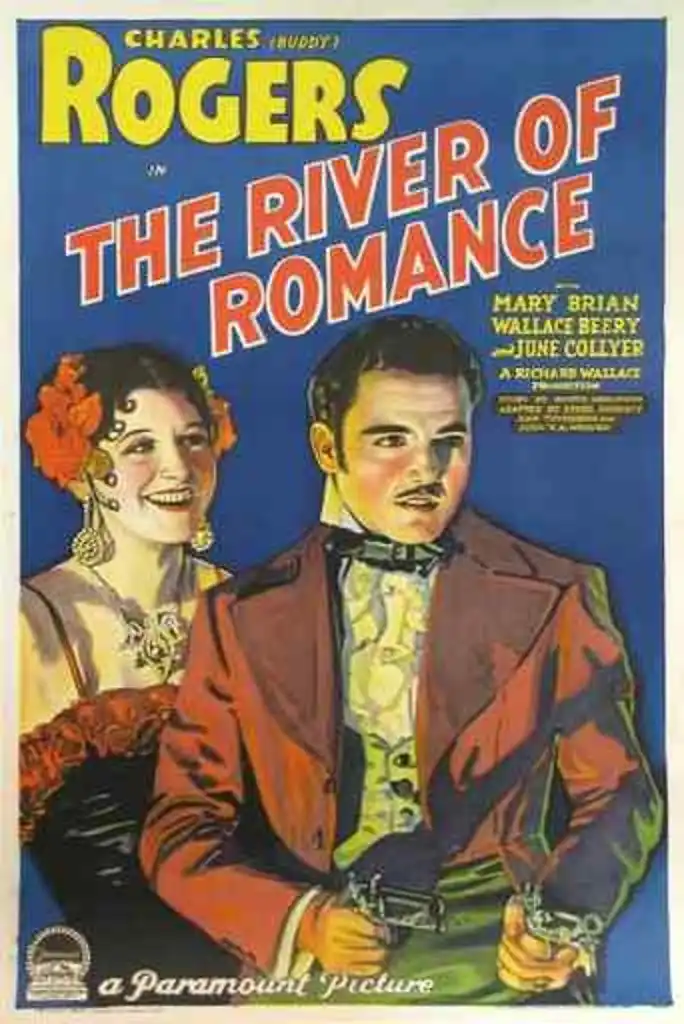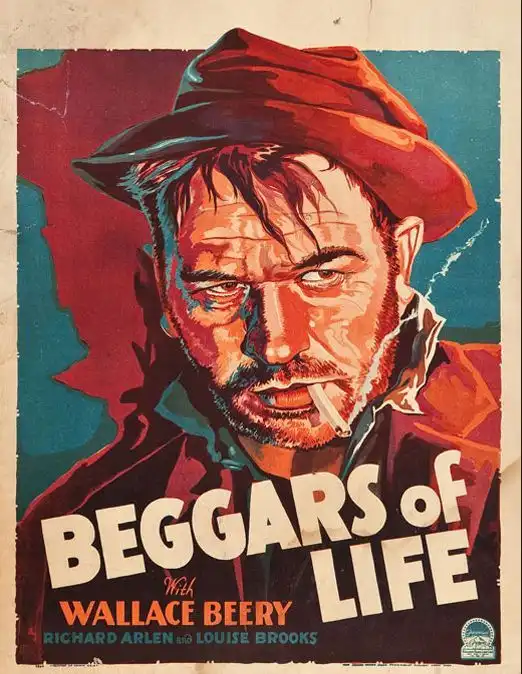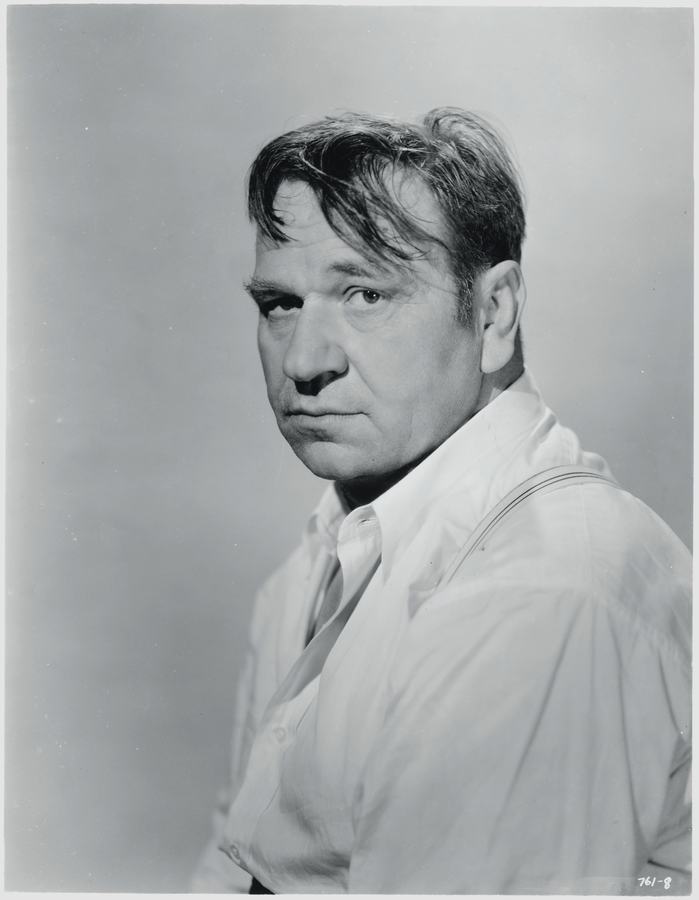
Wallace Beery
actor, director, writer
- Birth name:
- Wallace Fitzgerald Beery
- Born:
- 1885-04-01, Kansas City, Missouri, USA
- Died:
- 1949-04-15, Beverly Hills, Los Angeles, California, USA
- Professions:
- actor, director, writer
Biography
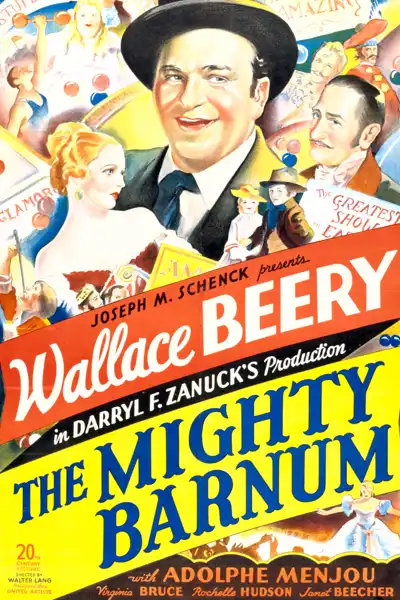
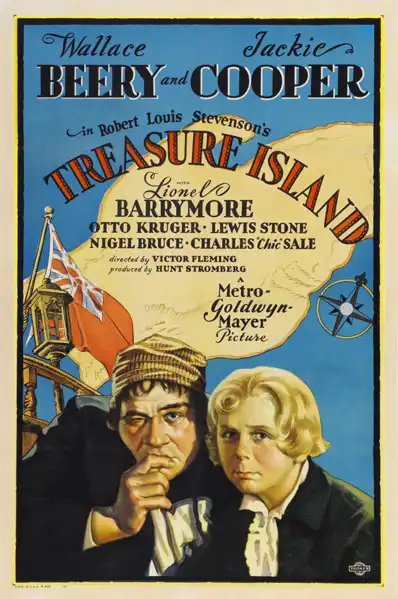
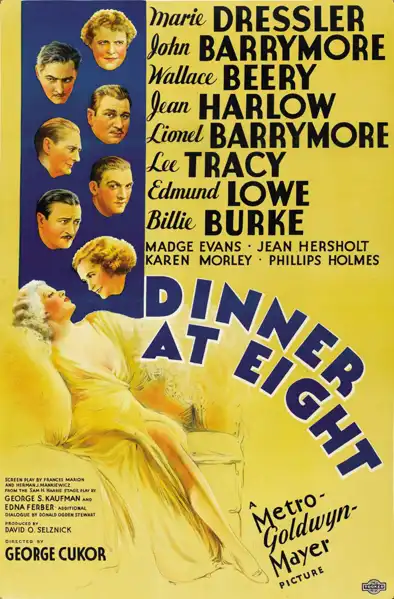
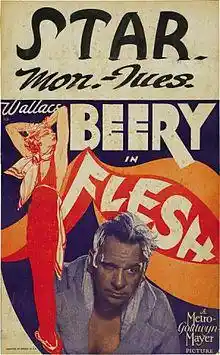
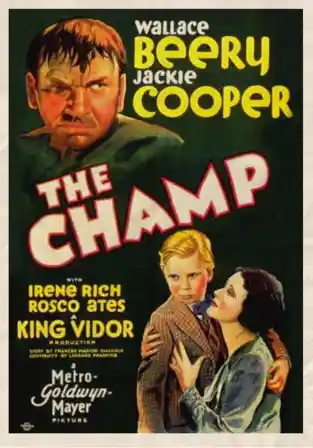
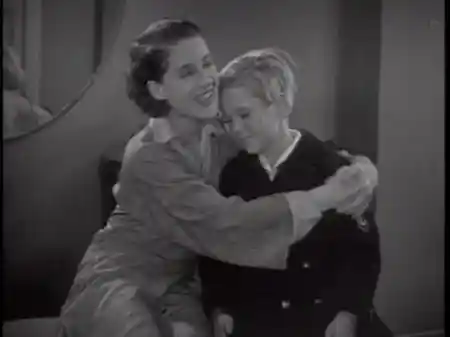
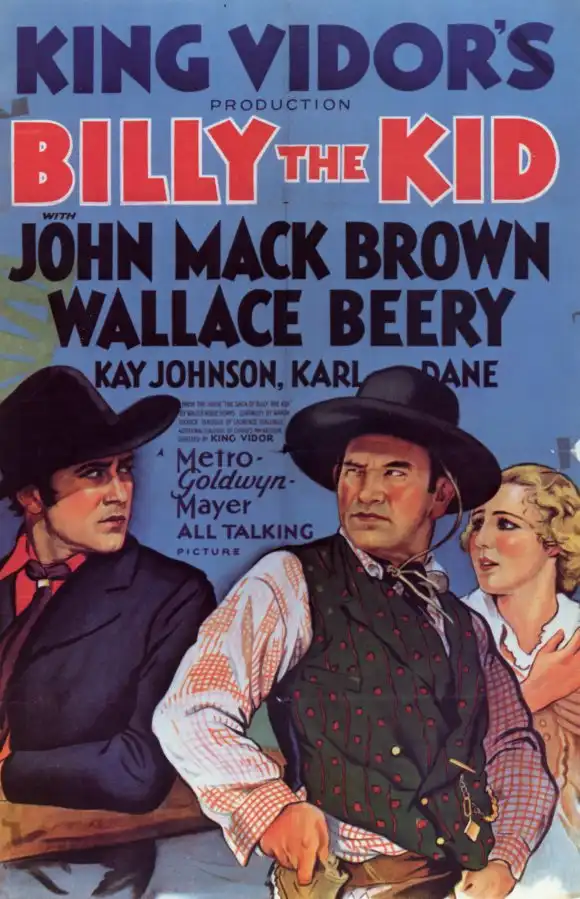
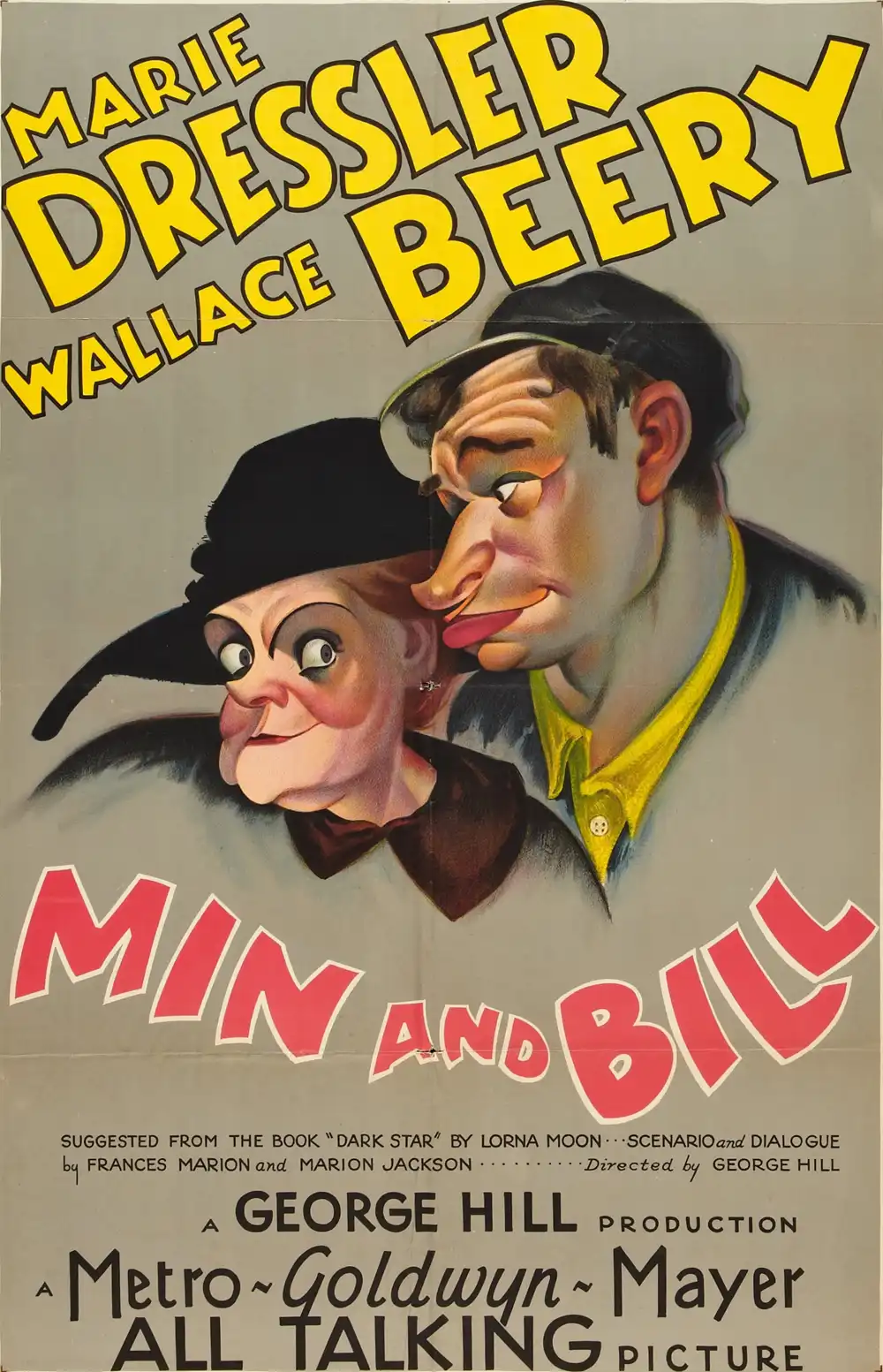
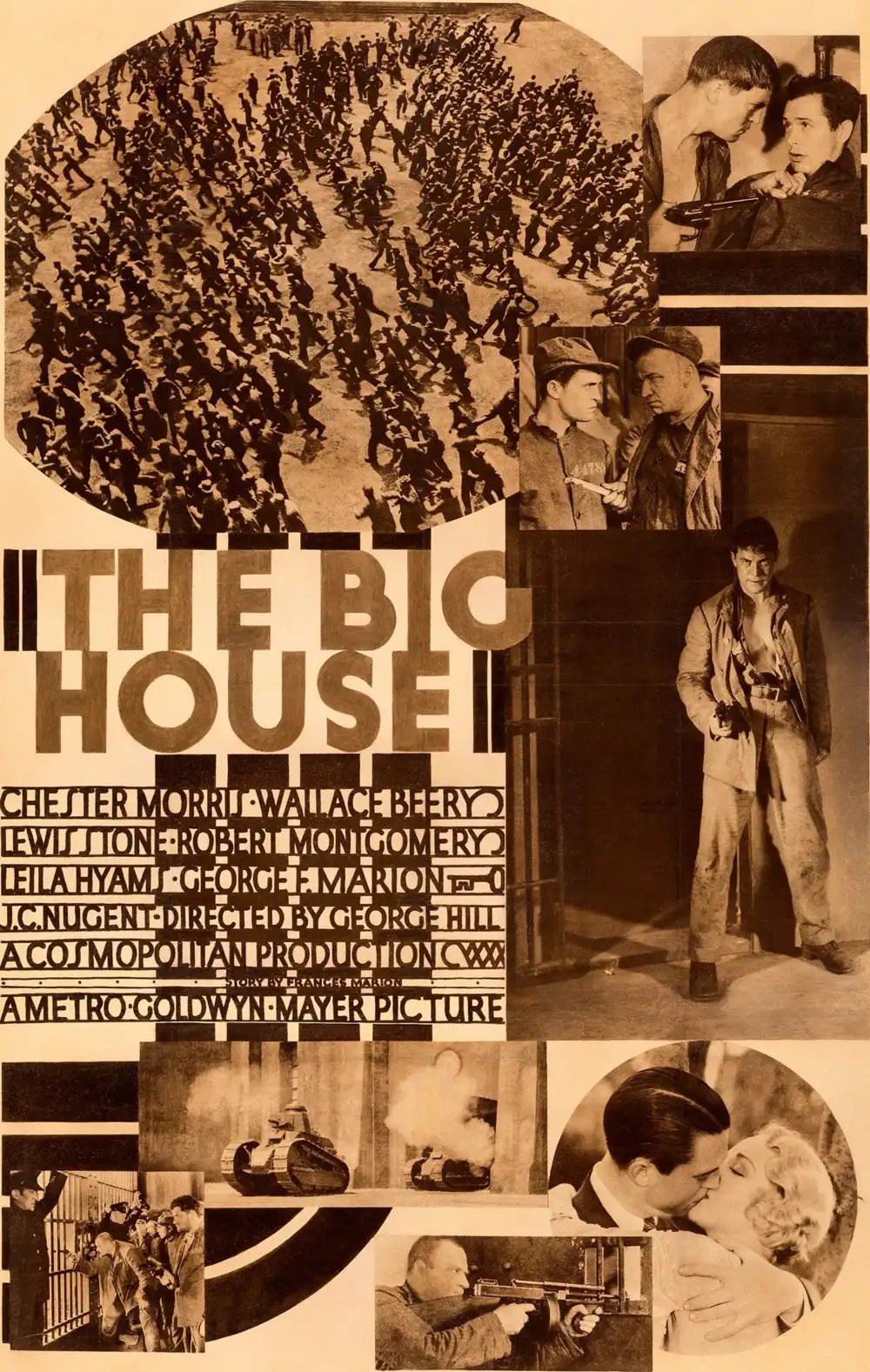
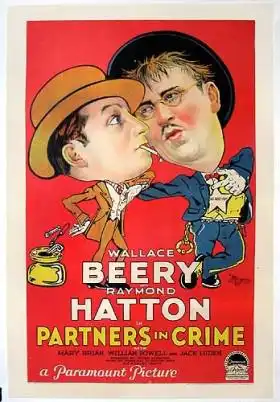
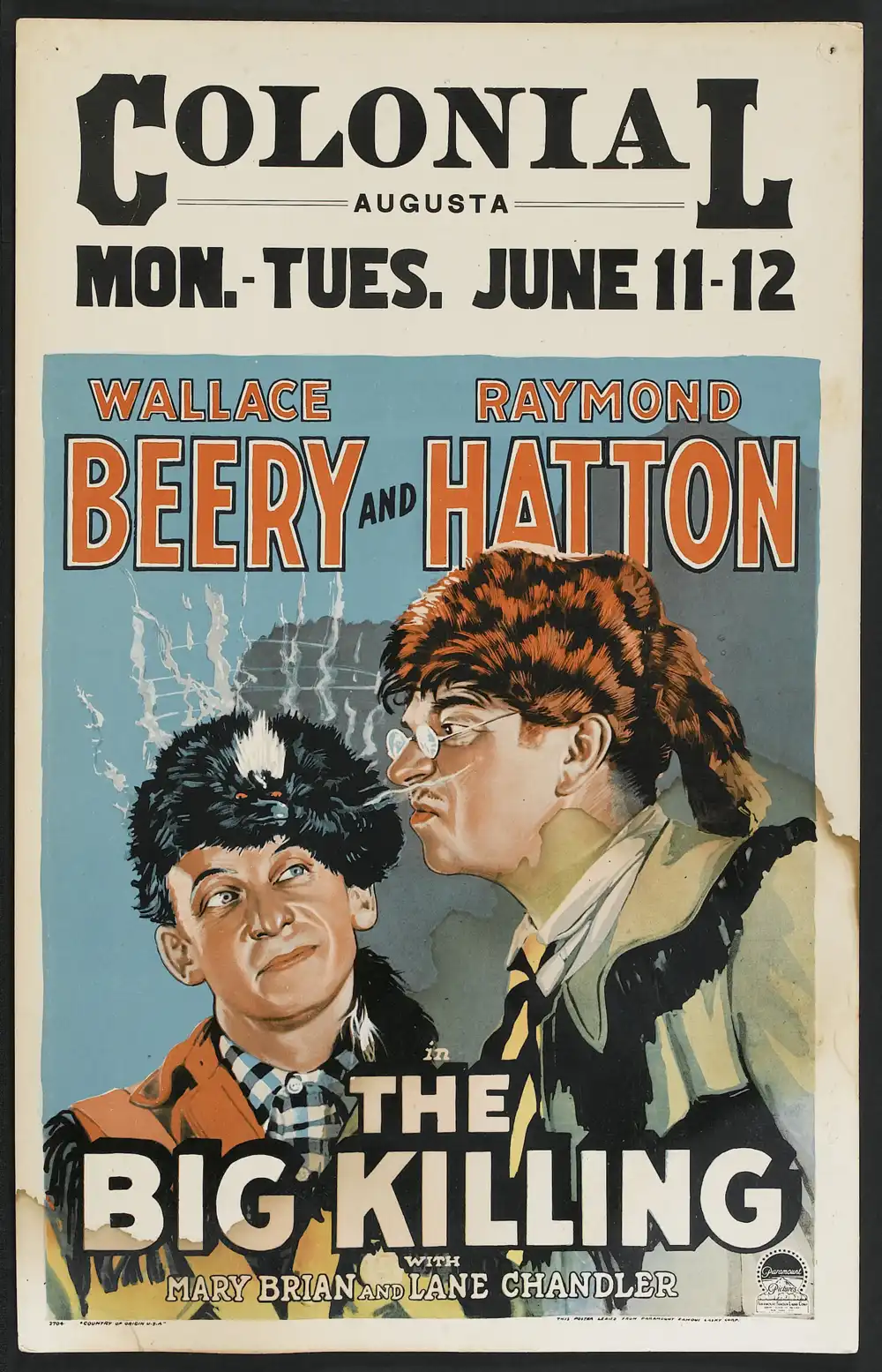
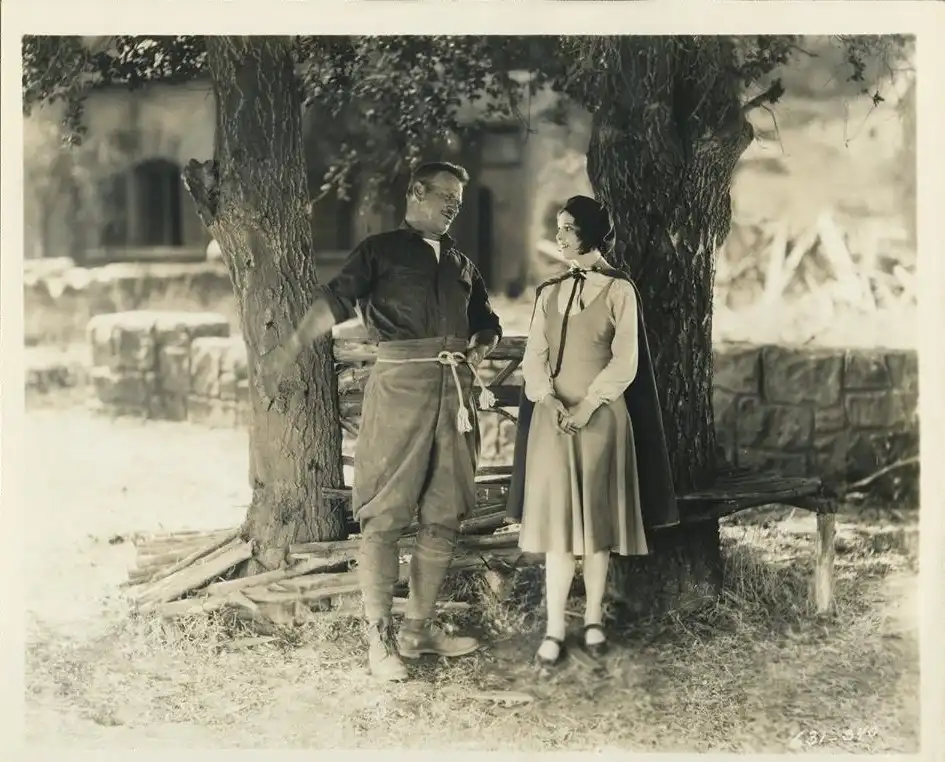
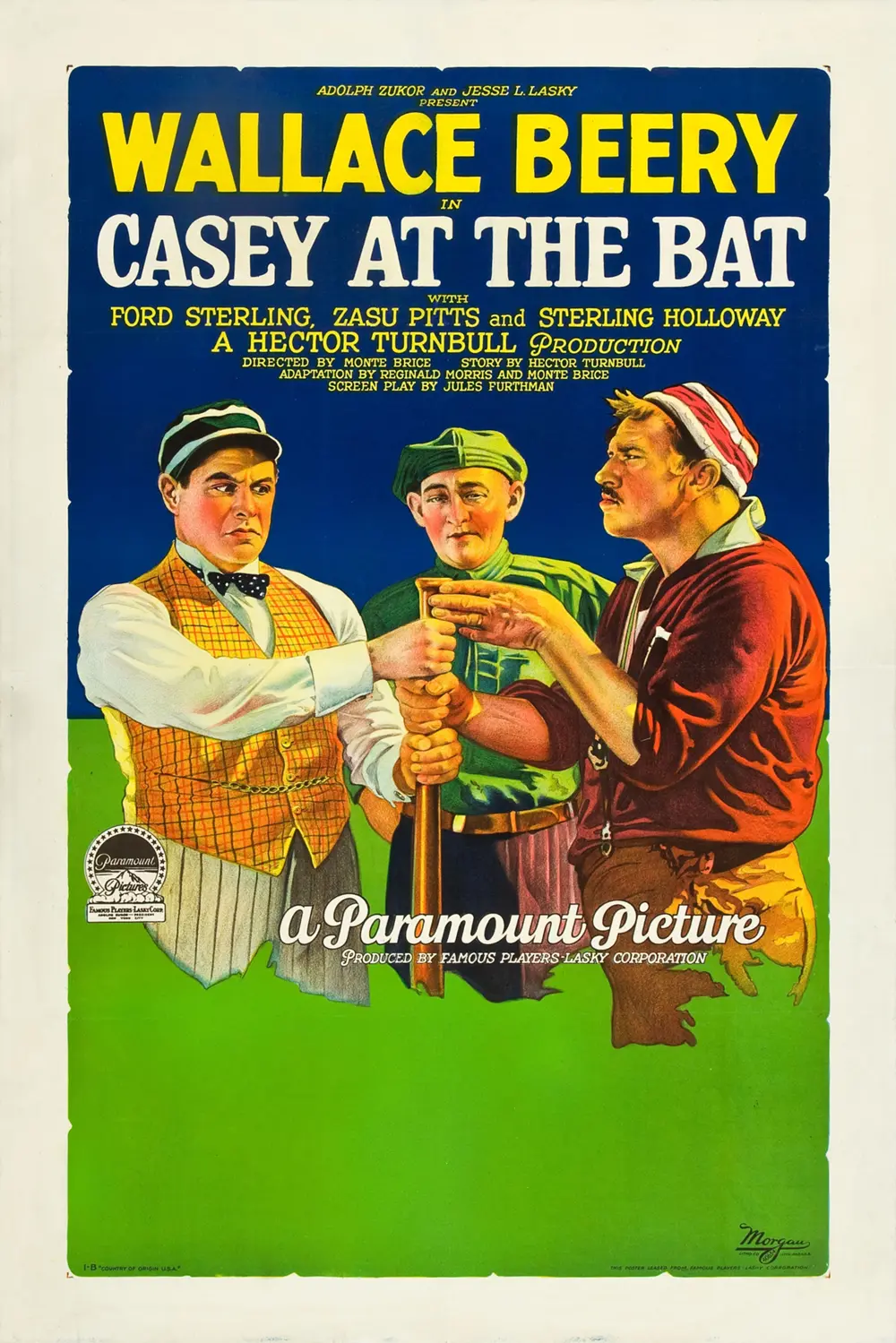
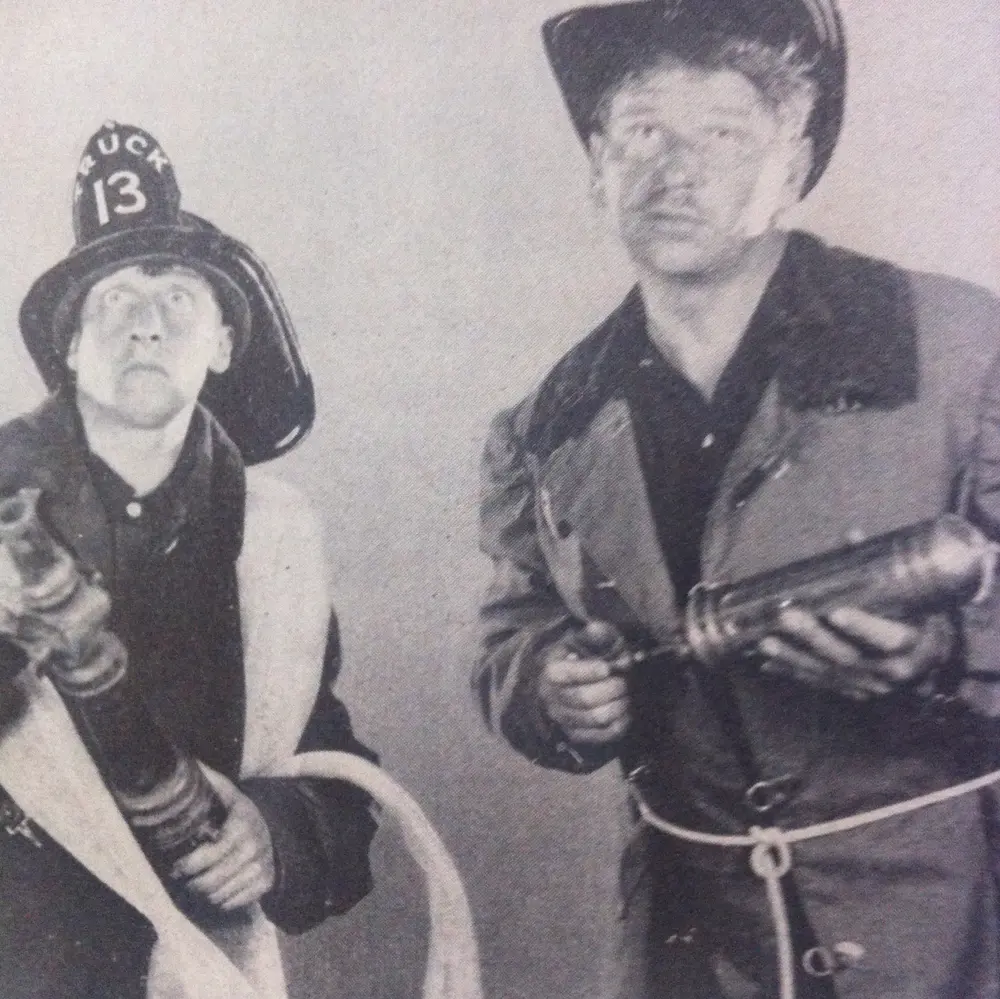
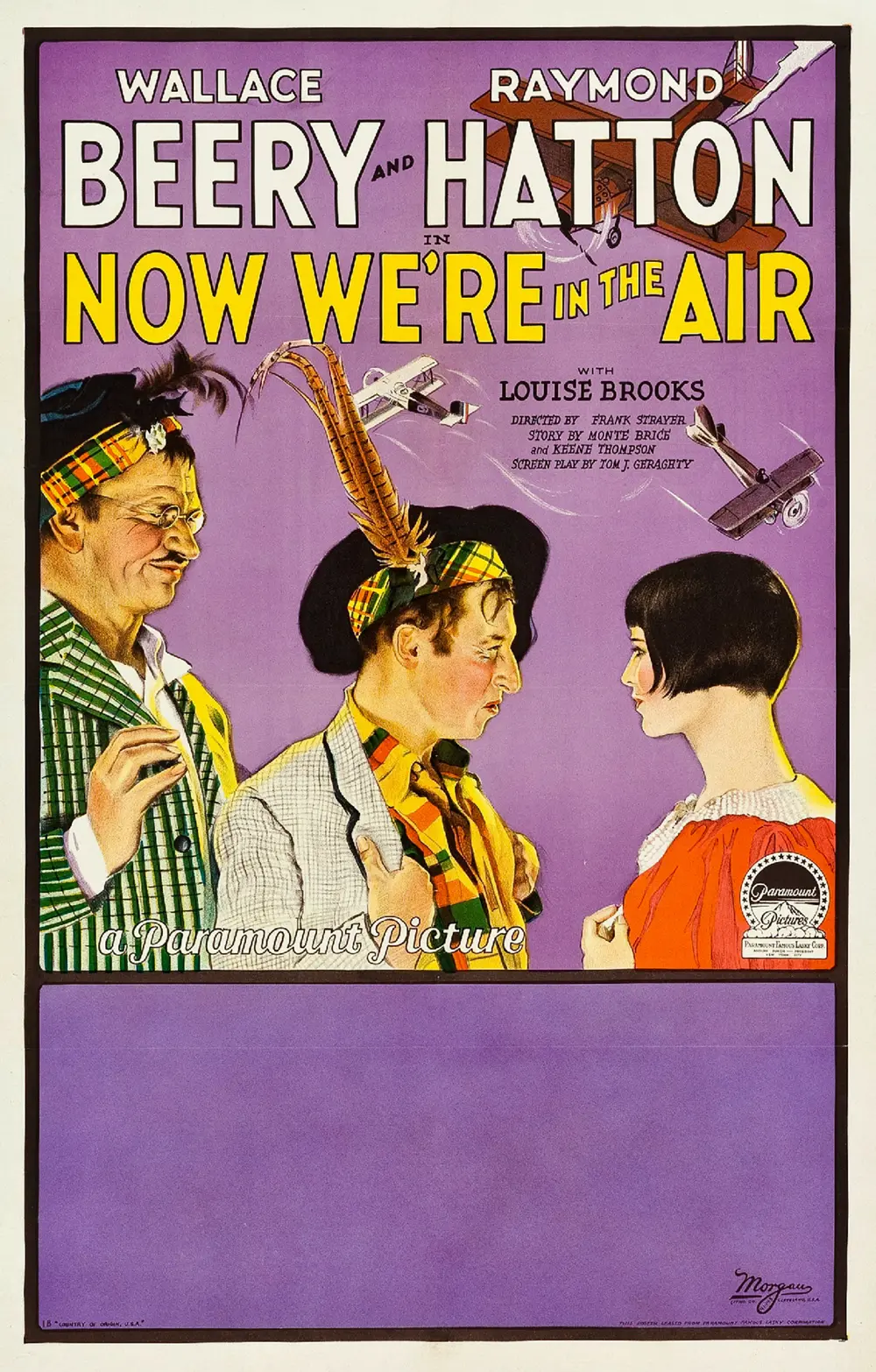
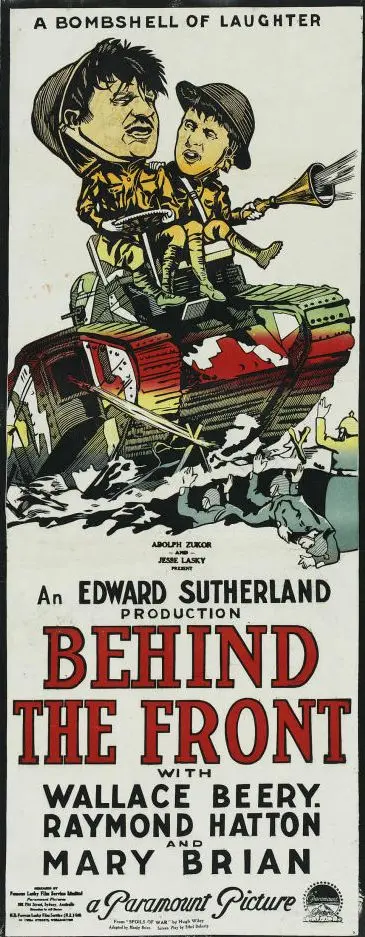
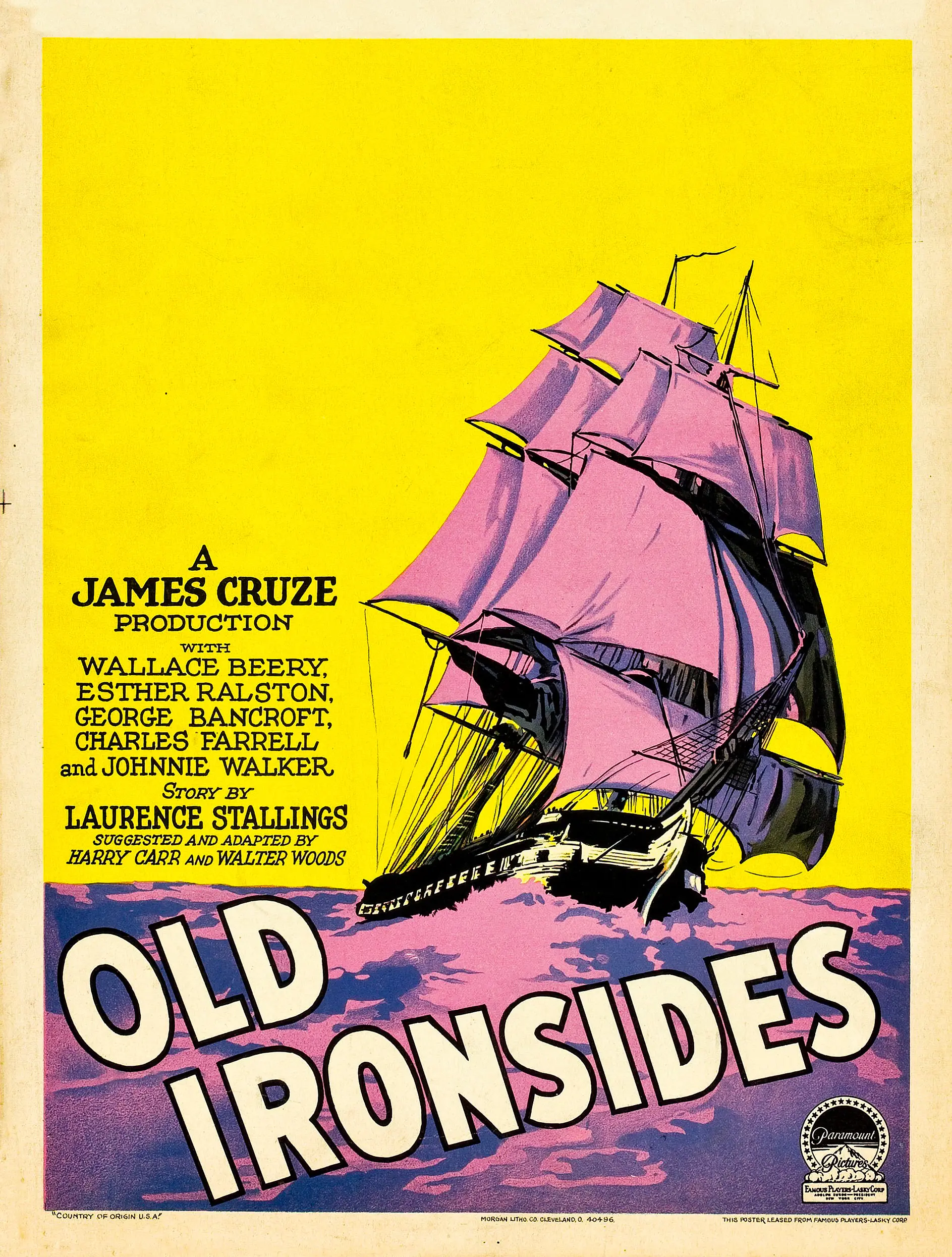
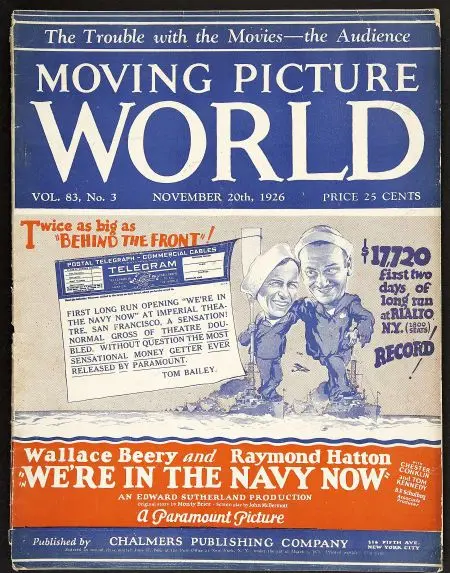
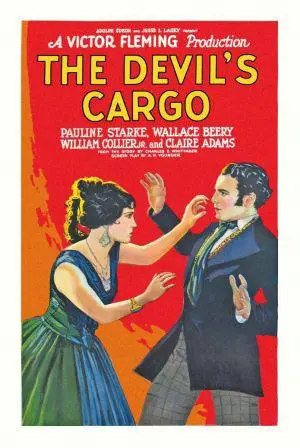
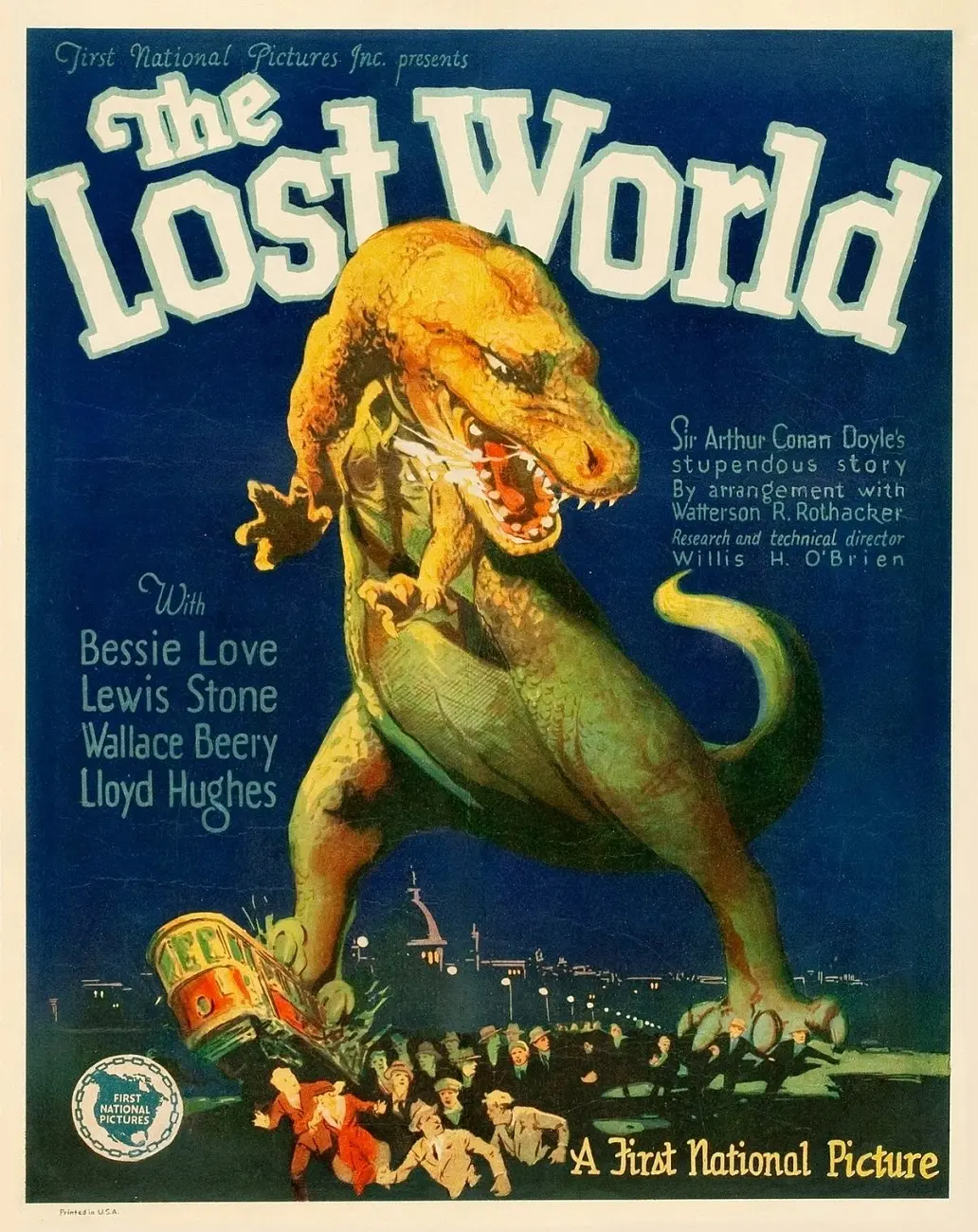
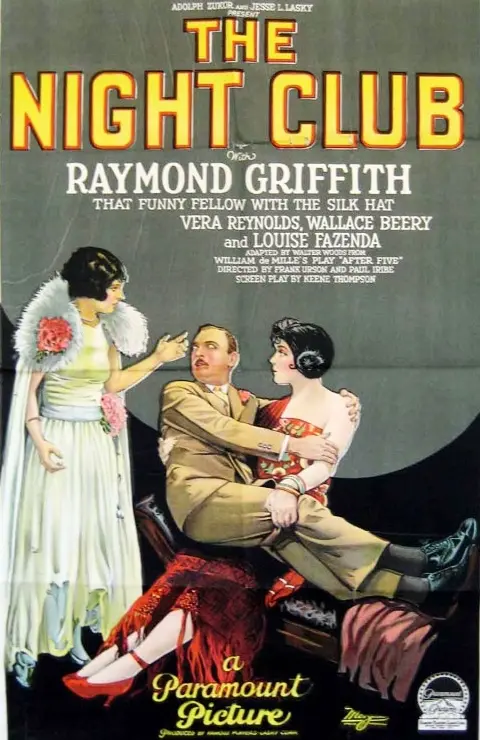
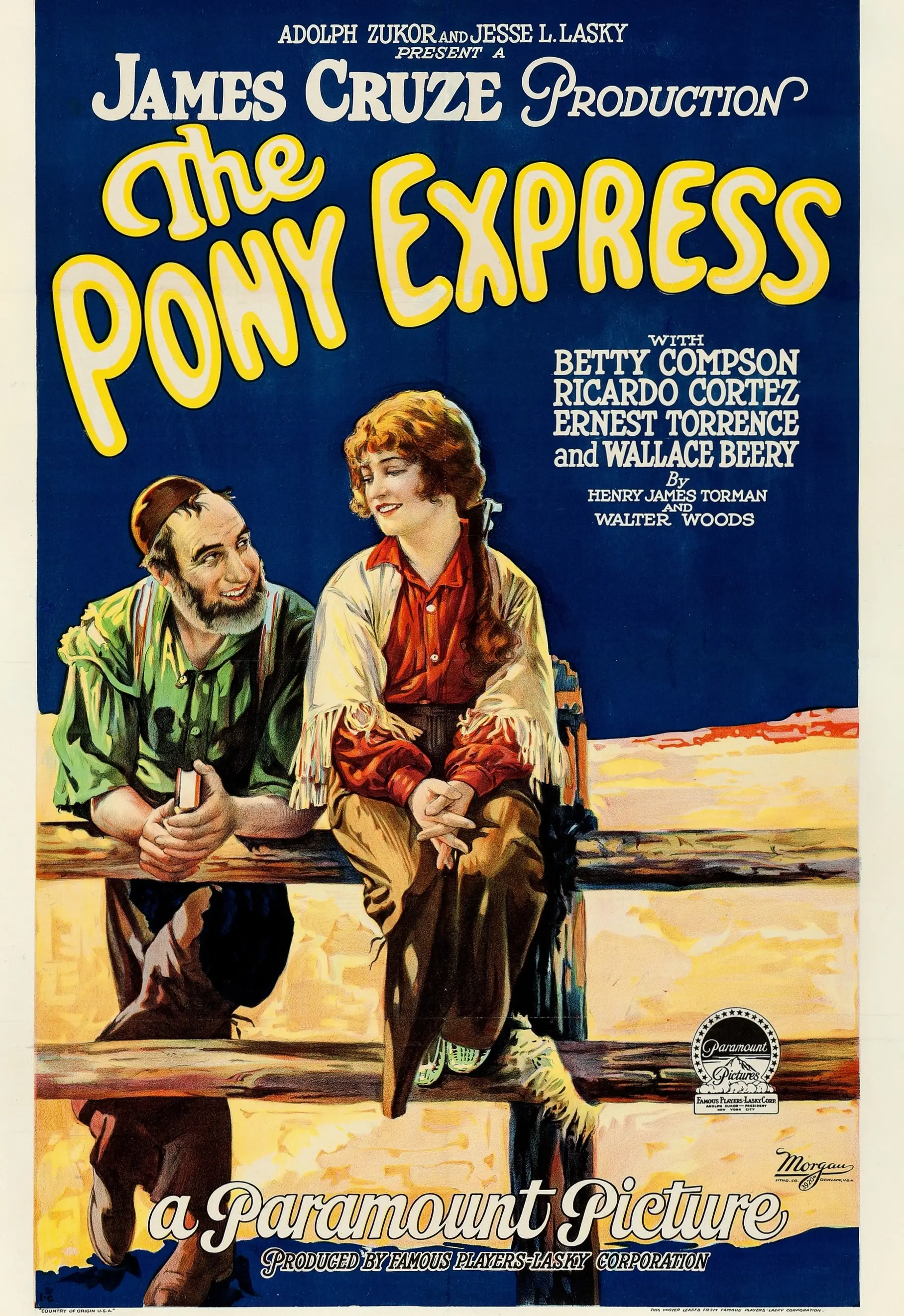
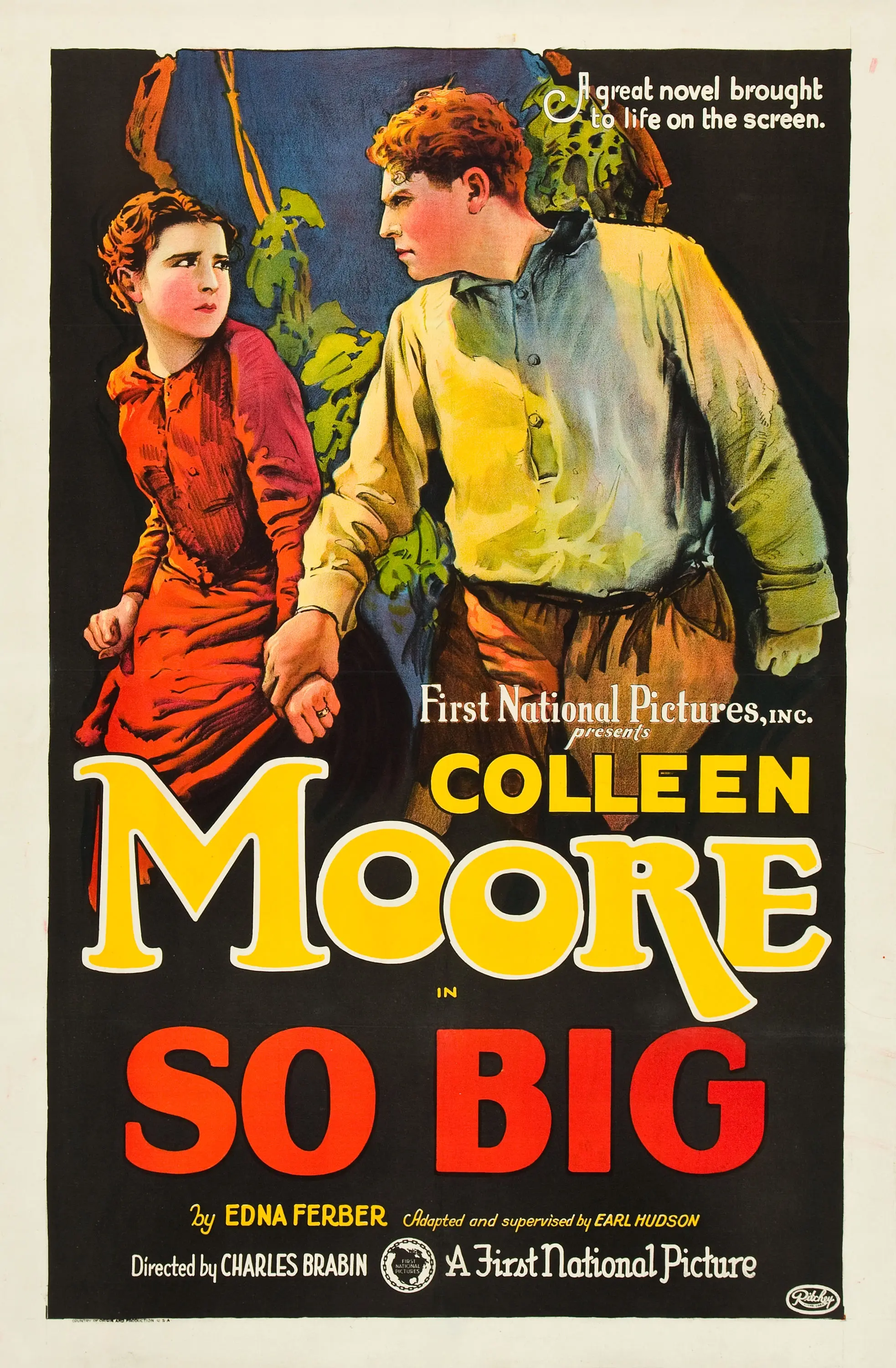
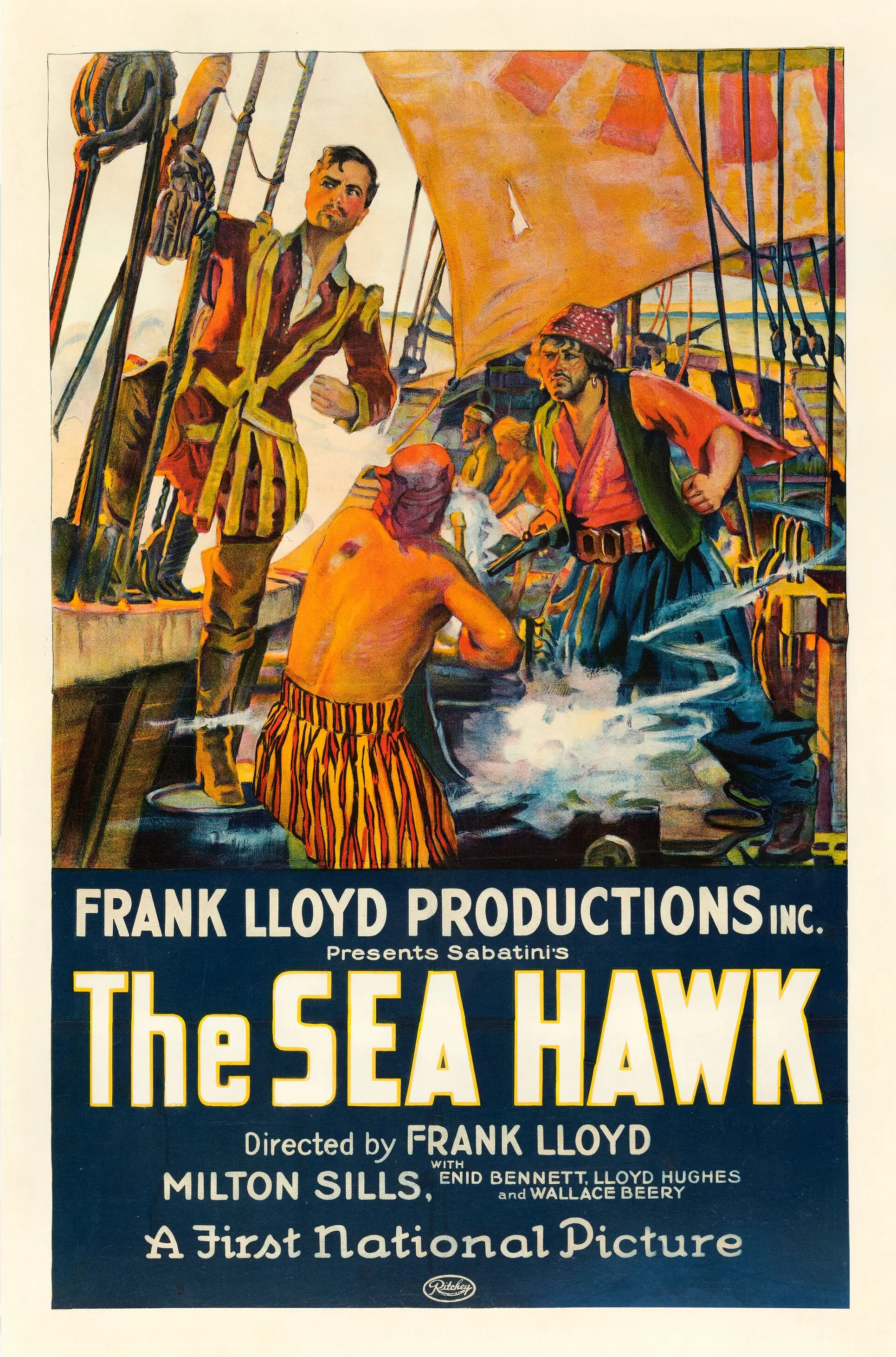
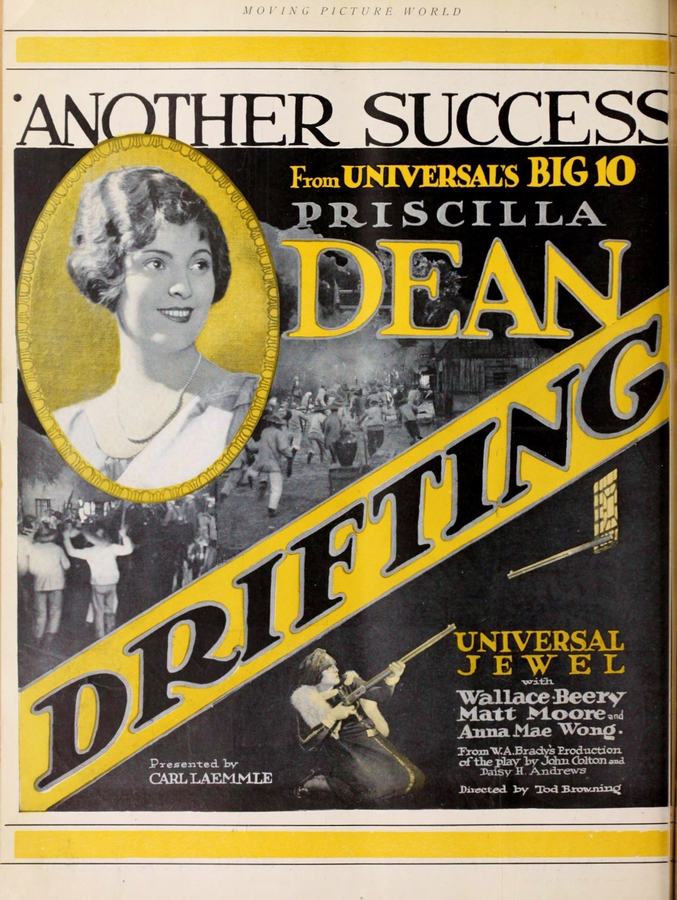
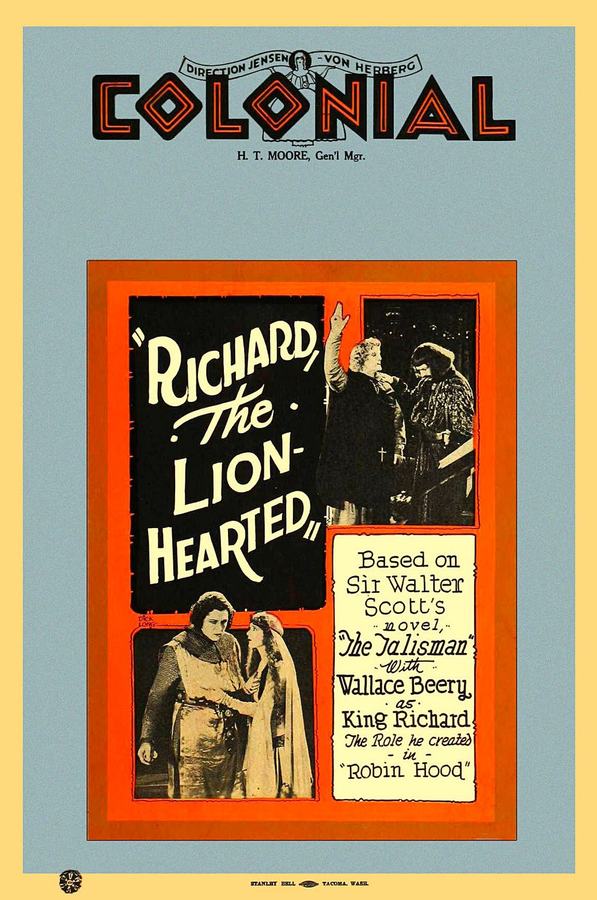
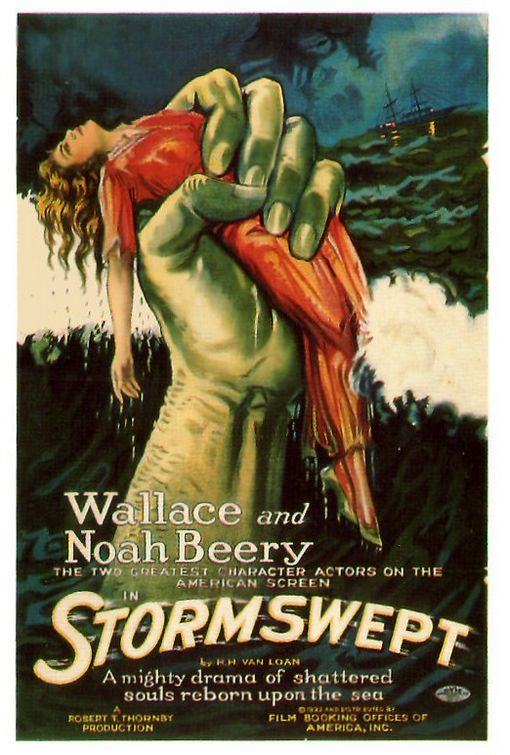
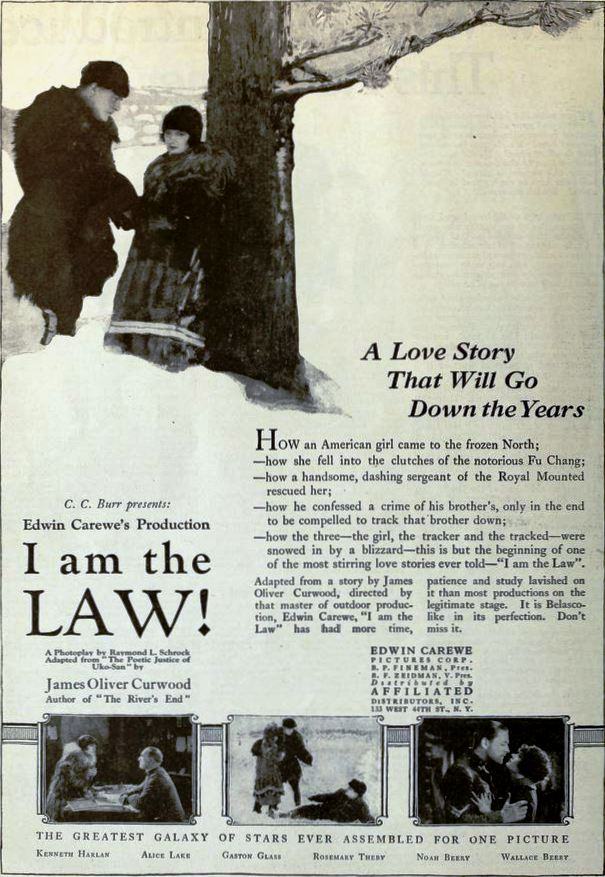
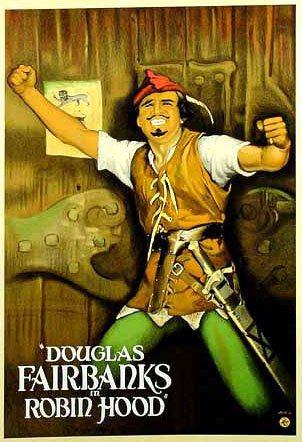
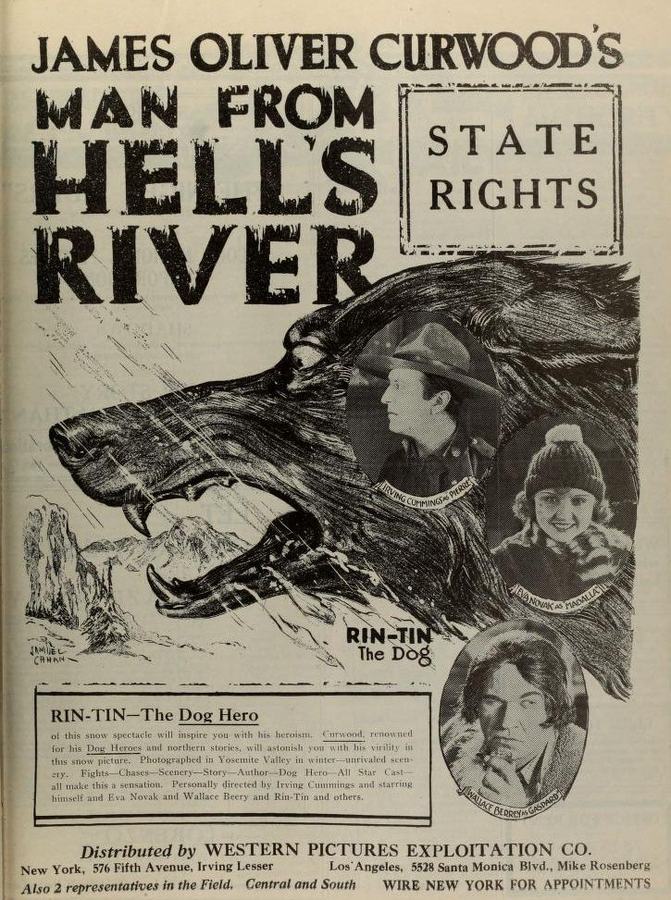
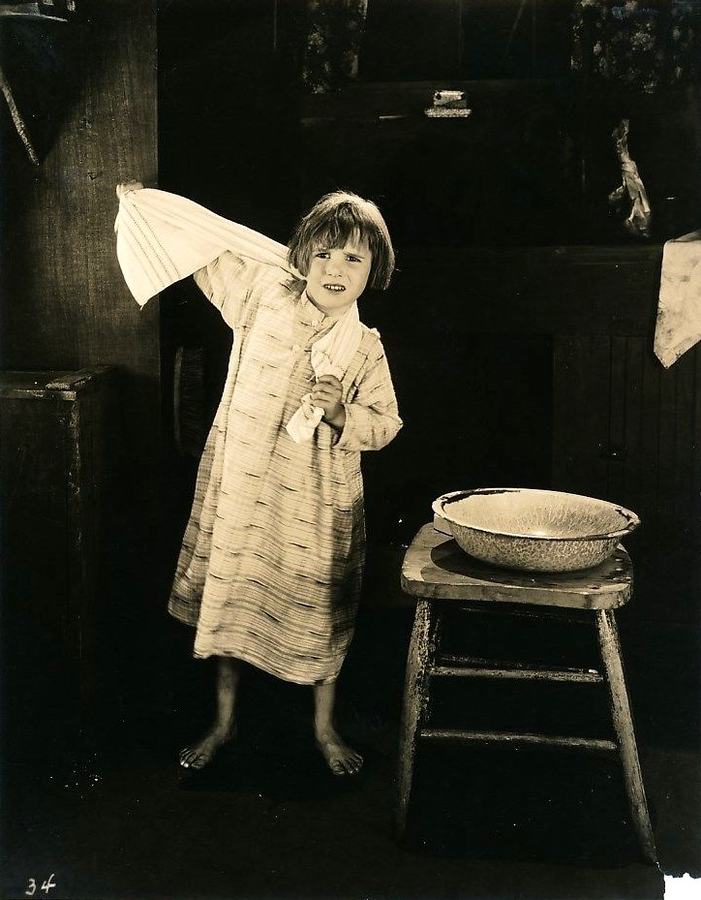
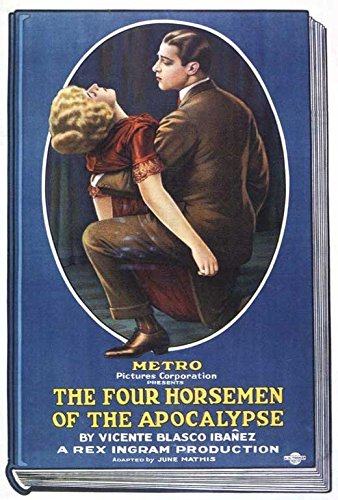
At the tender age of sixteen in 1902, Wallace Beery embarked on an unconventional career path, joining the Ringling Brothers Circus as an elephant trainer's assistant. His tenure, however, was dramatically cut short after two years when a leopard attack left him with a lasting memento: a clawed arm. Relocating to New York, Beery transitioned to the vibrant world of musical variety shows, swiftly ascending to leading man status. His stage presence graced both Broadway productions and numerous traveling stock companies. The year 1913 saw Beery make his way to Hollywood, where an unlikely role launched his screen career: the formidable Swedish maid in Essanay's "Sweedie" comedy series. He continued in the series, notably sharing the screen with a nascent ingénue, Gloria Swanson, in "Sweedie Goes to College" (1915). Their professional partnership blossomed into marriage a year later, a union destined for profound unhappiness. The marriage ultimately crumbled under the weight of Beery's escalating drinking and alleged abusive behavior, which Gloria Swanson eventually found intolerable. Moving beyond the "Sweedie" series, Beery carved a niche for himself playing villains and "heavies." His portrayal of the "beastly Hun" became a recurring motif, beginning with "Patria" (1917) and extending through several subsequent films. The 1920s showcased Beery's versatility in a string of adventure films, including memorable turns in "The Four Horsemen of the Apocalypse" (1921), "Robin Hood" (1922), "The Sea Hawk" (1924), and "The Pony Express" (1925). He also brought to life the character of Poole in "So Big" (1924), an adaptation of Edna Ferber's acclaimed best-seller. Paramount Pictures initiated a shift back towards comedies for Beery with "Behind the Front" (1926). However, the advent of sound cinema brought a seismic shift, and Beery, despite possessing a voice that recorded well, was initially caught in the widespread studio purge. His slow, deep, folksy, "down-home" delivery, while distinctive, didn't immediately fit the new paradigm. Despite not conforming to the conventional matinee idol image, MGM executive Irving Thalberg recognized Beery's unique appeal and brought him to the studio. Thalberg's gamble paid off handsomely when he cast Beery in "The Big House" (1930), a major hit that earned Beery an Academy Award nomination. Yet, it was the heartwarming "Min and Bill" (1930), one of the year's highest-grossing films, that truly cemented Beery's status as a household name. The following year, Beery claimed the Oscar for Best Actor for his poignant performance in "The Champ" (1931). He would further etch himself into cinematic history with his indelible portrayal of Long John Silver in "Treasure Island" (1934). Ascending to the ranks of Hollywood's top ten stars, Beery frequently embodied the archetypal tough, somewhat dim-witted, yet easygoing character—a stark contrast to his actual personality. This persona shone through in roles like the naive wrestler oblivious to his wife's infidelity in "Flesh" (1932), and the socially ambitious businessman grappling with marital woes in "Dinner at Eight" (1933). Following the passing of his beloved co-star Marie Dressler in 1934, Beery struggled to find a comedic foil of similar caliber until the 1940s, when he forged a successful partnership with Marjorie Main. Their collaborations included films like "Wyoming" (1940) and "Barnacle Bill" (1941). As he aged, his career naturally began to decelerate, yet he remained active, typically appearing in one or two films annually, until his death from a heart attack in 1949.
Filmography
In the vault (91)