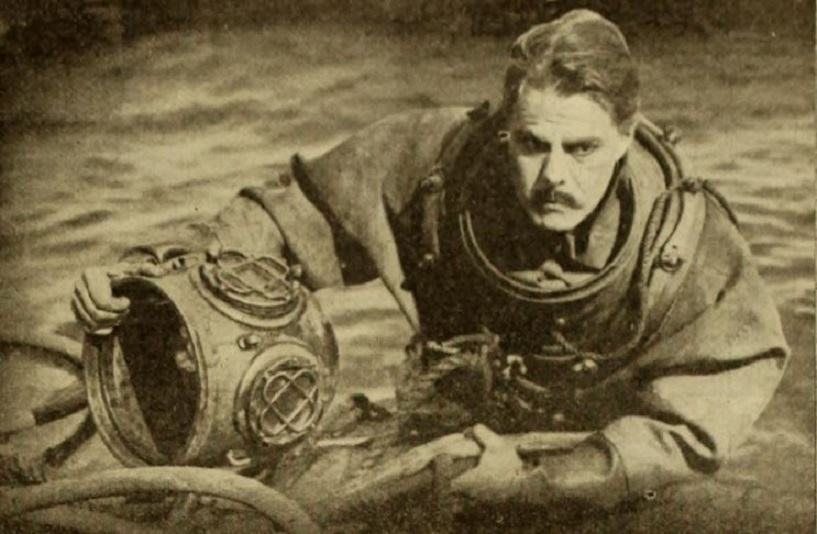
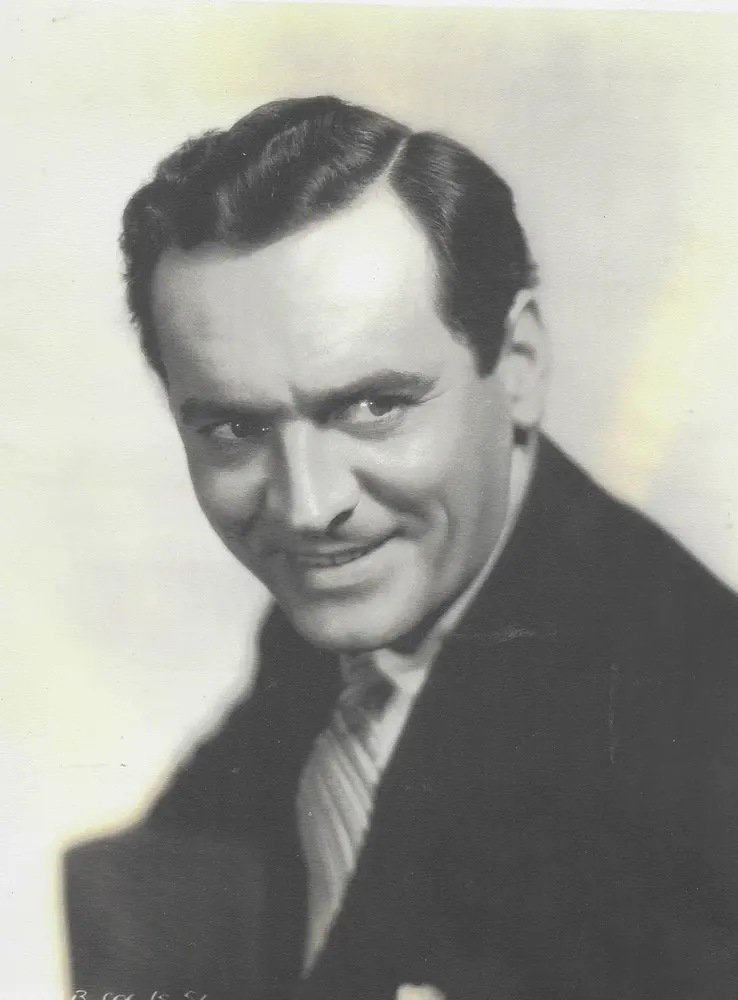
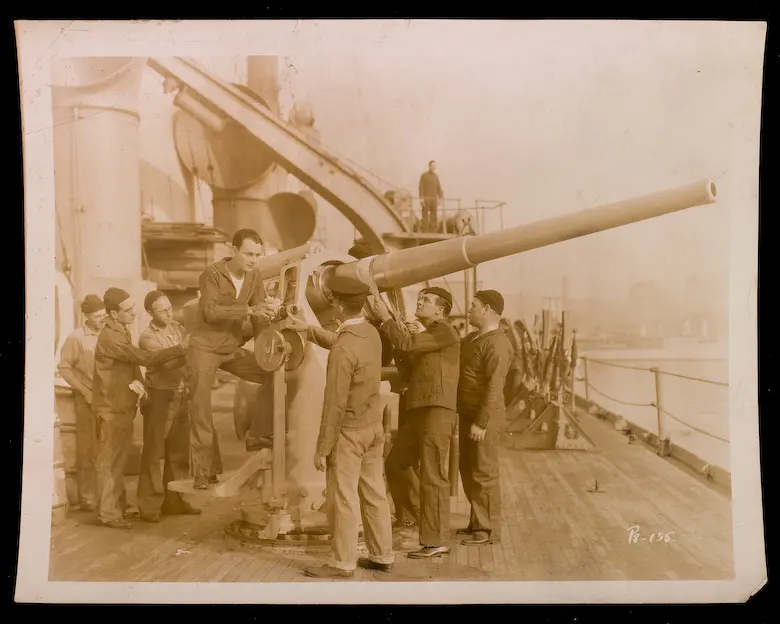
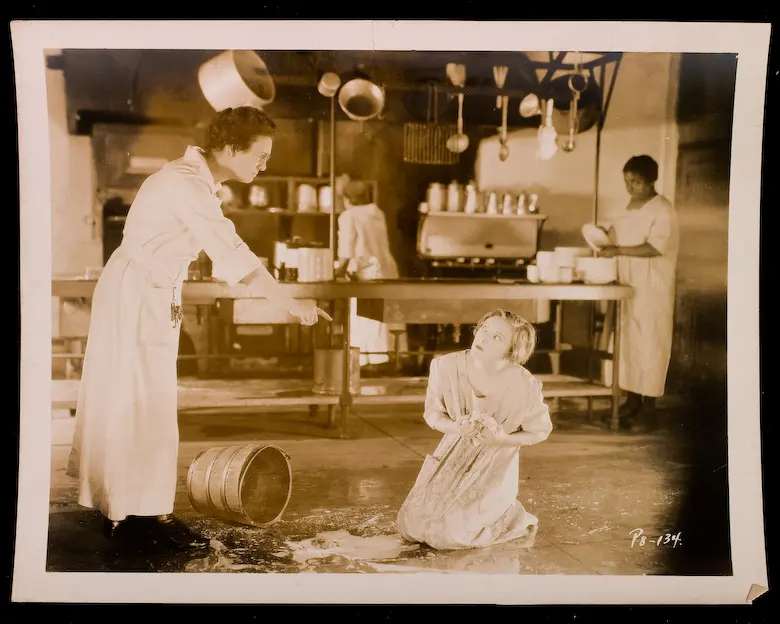
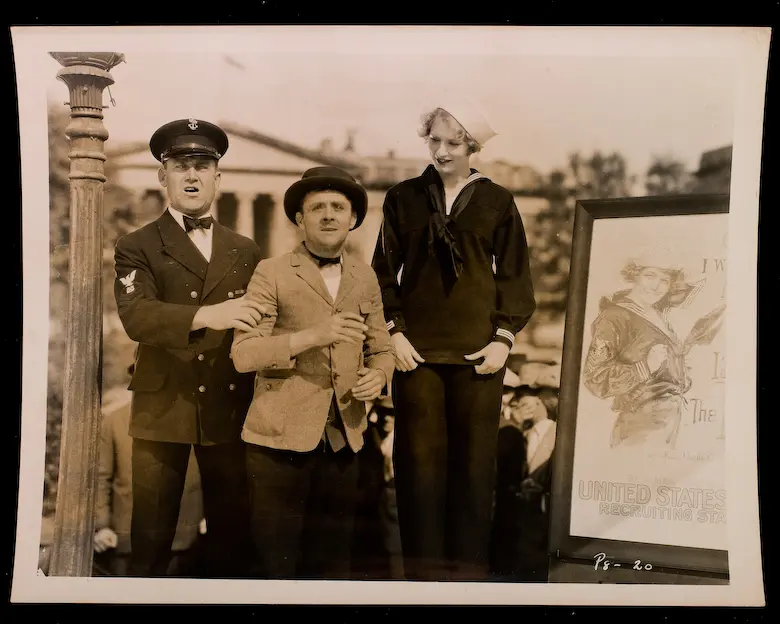
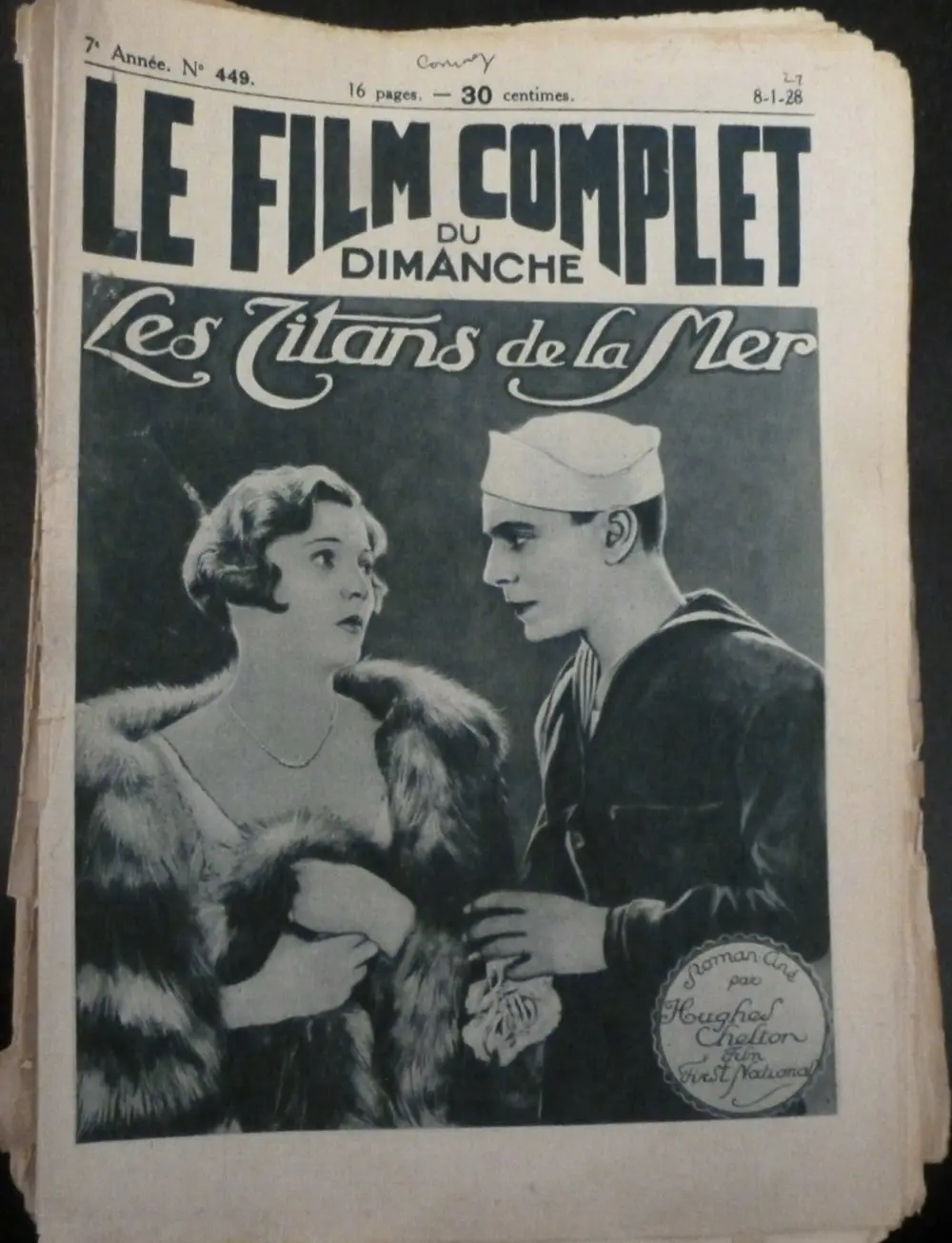
Convoy is a lost 1927 silent World War I drama starring Lowell Sherman and Dorothy Mackaill and released through First National Pictures..
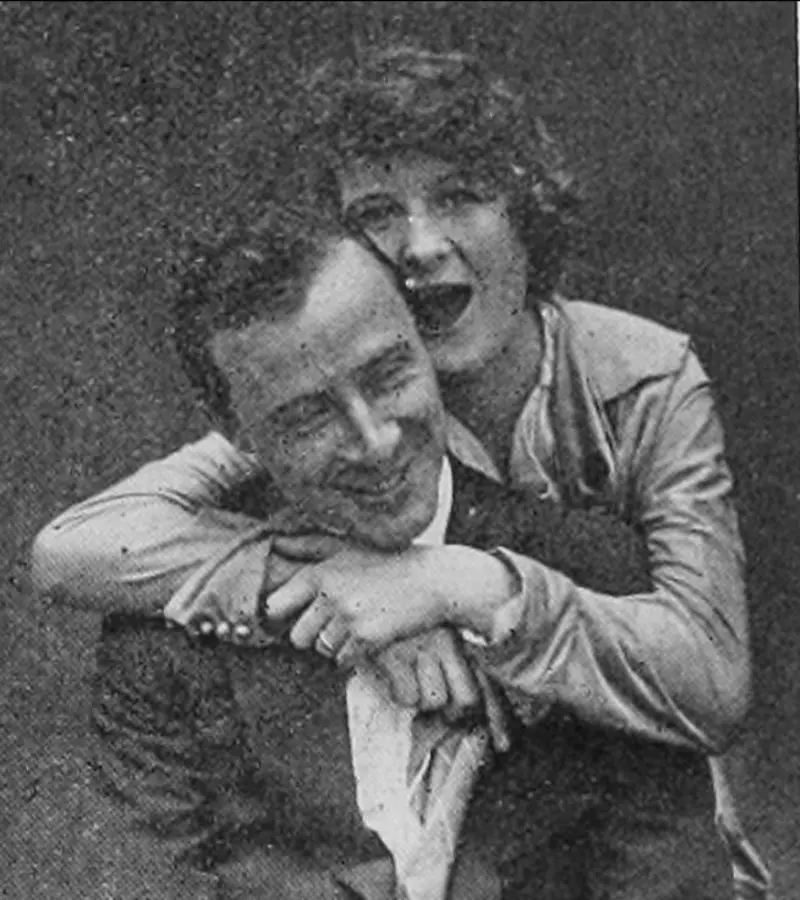
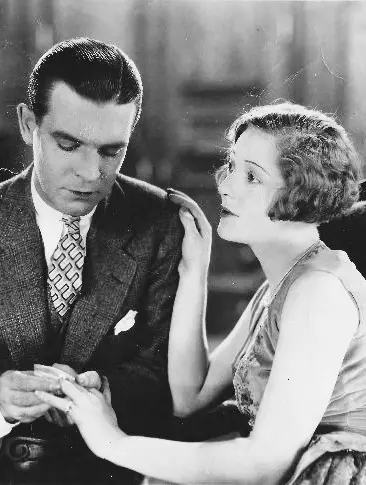
Is Convoy (1927) Worth Discussing Today?Is Convoy (1927) a film worth discussing in the modern cinematic landscape? The short answer is an unequivocal yes, not for its viewing pleasure, but for its profound historical intrigue and the tantalizing questions it poses about a lost era of filmmaking. This film is essential...
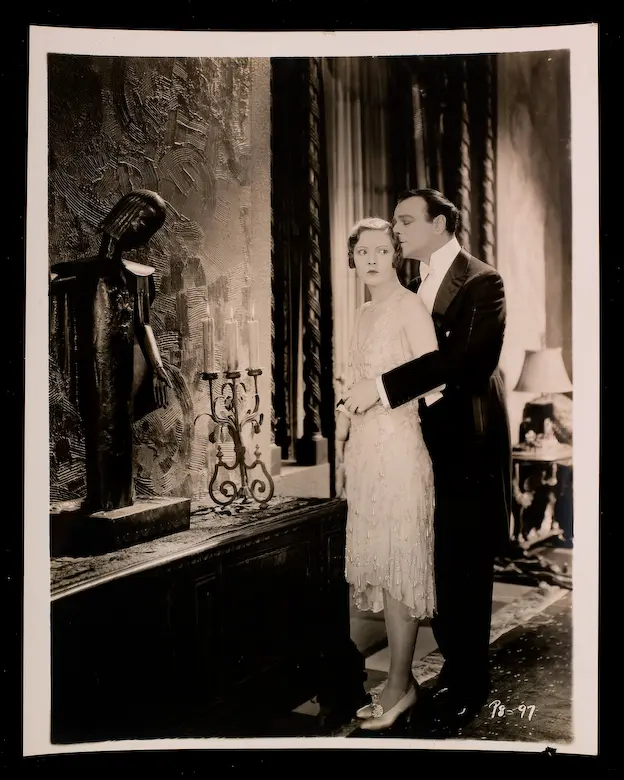
still_frame
still_frame
still_frame
still_frame

still_frame
publicity
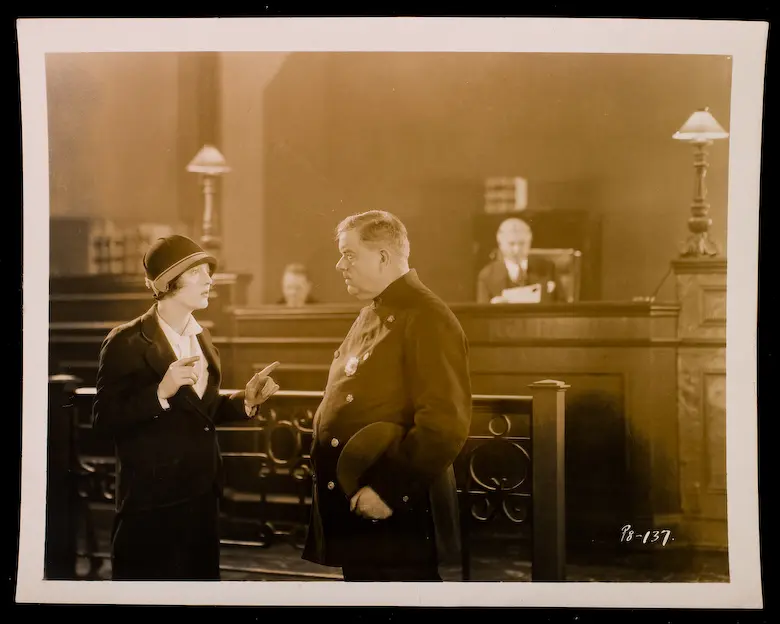
still_frame
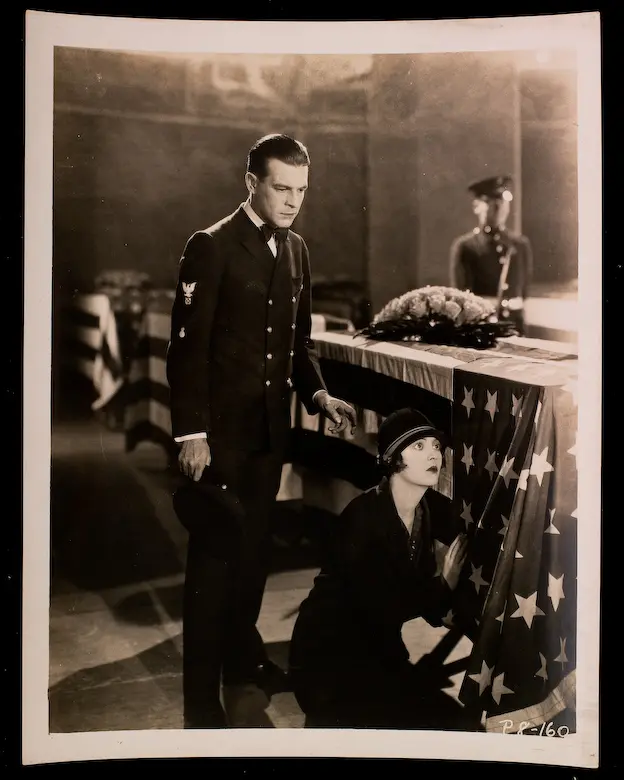
still_frame
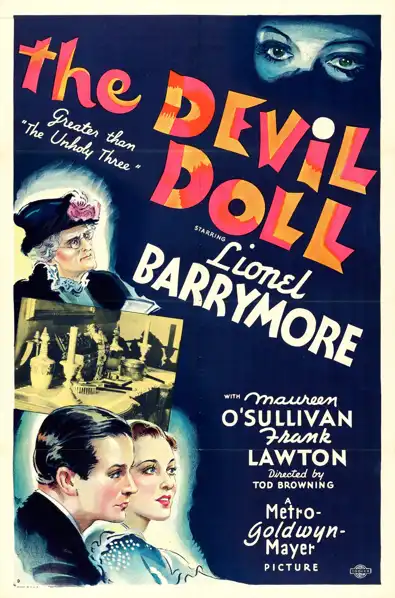
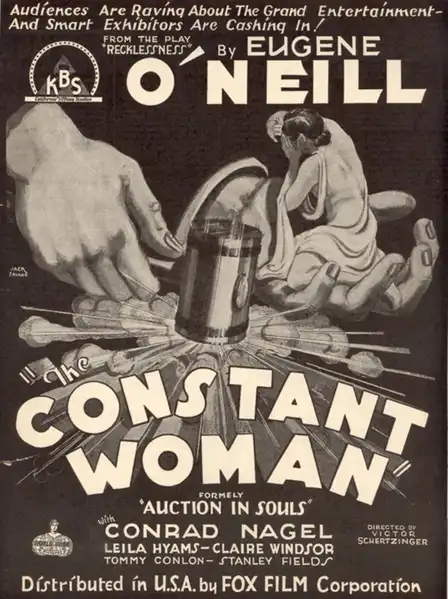
Comparing the cinematic DNA and archive impact of two defining moments in cult history.
Joseph Boyle
Maurice Elvey
Community
Log in to comment.
Convoy (1927) emerges from the annals of cinematic history as a poignant spectral presence: a lost silent World War I drama, its narrative contours now only a matter of critical conjecture and archival whispers. Starring the enigmatic Lowell Sherman and the luminous Dorothy Mackaill, this First National Pictures release likely immersed audiences in the stark realities and profound emotional turmoil of wartime. Given its era and genre, the film would have navigated themes of duty, sacrifice, and the enduring human spirit against the backdrop of the Western Front, perhaps exploring the personal costs of conflict through the intertwined fates of its protagonists, whose individual struggles would have mirrored the broader societal upheaval. Its very absence now compels us to consider the myriad ways silent cinema grappled with historical trauma and the universal experiences of love and loss amidst global strife, painting a vivid, albeit imagined, picture of a narrative that once captivated.
"Is Convoy (1927) Worth Discussing Today?Is Convoy (1927) a film worth discussing in the modern cinematic landscape? The short answer is an unequivocal yes, not for its viewing pleasure, but for its profound historical intrigue and the tantalizing questions it poses about a lost era of filmmaking. This film is essential for cinephiles, historians, and anyone fascinated by the silent era's unexplored corners, but it offers little for those seeking readily accessible entertainment or a straightforw..."
Willis Goldbeck, John Taintor Foote
United States