DbcultAccessing Vault...
Cult Review
Senior Film Conservator
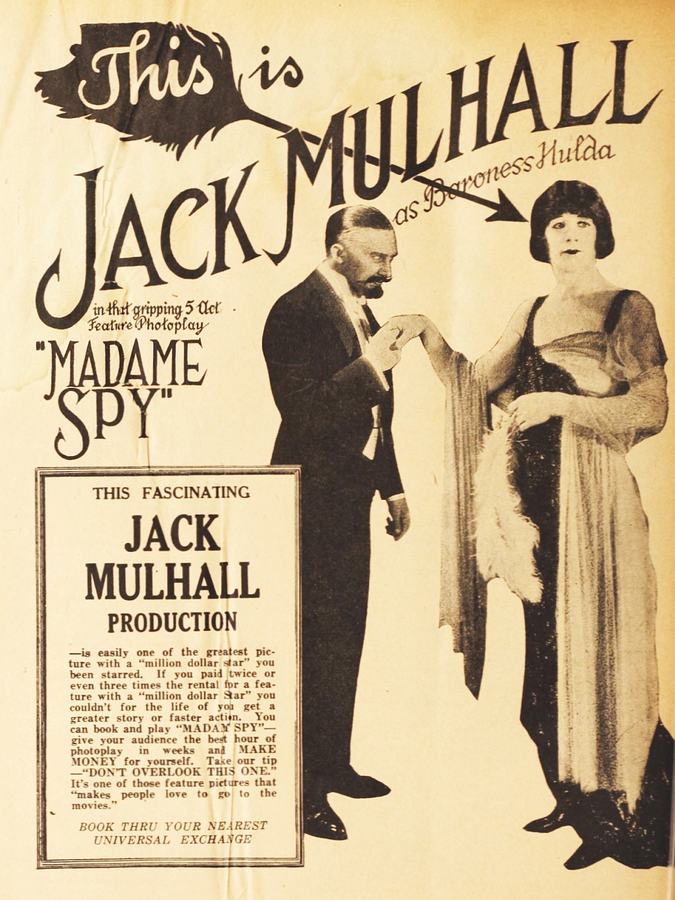
In the annals of silent cinema, where narrative ingenuity often compensated for the absence of spoken dialogue, Madame Spy emerges as a fascinating artifact of its time, a curious blend of patriotic fervor, gender-bending theatrics, and nascent espionage thrills. Released in 1918, amidst the fervent backdrop of the First World War, this film by Harvey Gates is more than just a forgotten relic; it’s a captivating glimpse into the anxieties and entertainment sensibilities of an America deeply embroiled in global conflict. The premise itself, featuring a disgraced naval cadet who redeems himself by impersonating a German baroness, is a testament to the era's appetite for outlandish heroism and morally unambiguous patriotism. It’s a narrative that, while perhaps simplistic by modern standards, possessed an undeniable charge for contemporary audiences, offering both escapism and a reinforcement of national identity. The film stands as a vibrant example of how early cinema leveraged current events to craft compelling, if straightforward, tales of heroism and villainy, perfectly calibrated to resonate with the public's wartime sentiments.
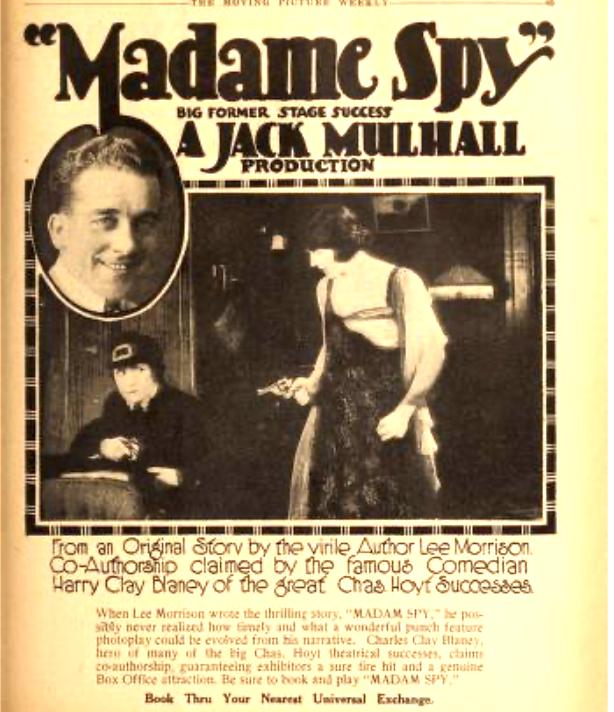
The film plunges us into the world of Robert "Bob" Wesley, whose initial portrayal is anything but heroic. His ignominious failure at the Annapolis naval academy casts a pall over his family, particularly his father, Admiral John Wesley, a figure of stern authority and national importance. This opening establishes a clear arc of redemption, a common and highly effective narrative device that immediately endears Bob to the audience despite his shortcomings. Bob is not a born hero; he is a young man grappling with personal failure and the immense pressure of living up to a formidable paternal legacy. His transformation isn't born of a grand, deliberate plan, but rather from an accidental eavesdropping, a fortuitous twist of fate that propels him from personal despair into a high-stakes game of international intrigue. This serendipitous discovery of a plot to steal vital Atlantic coastal defense plans is the catalyst, transforming Bob from a source of familial disappointment into a clandestine operative. The involvement of the family's own butler, Hanson, alongside the sinister German agent Count Von Ornstorff, adds a layer of insidious betrayal that would have resonated deeply with audiences wary of internal threats during wartime. The target of their treachery, the elusive Baroness Von Hulda, immediately establishes her as a formidable antagonist, a figure of foreign menace and seductive danger, embodying the pervasive fear of enemy infiltration.
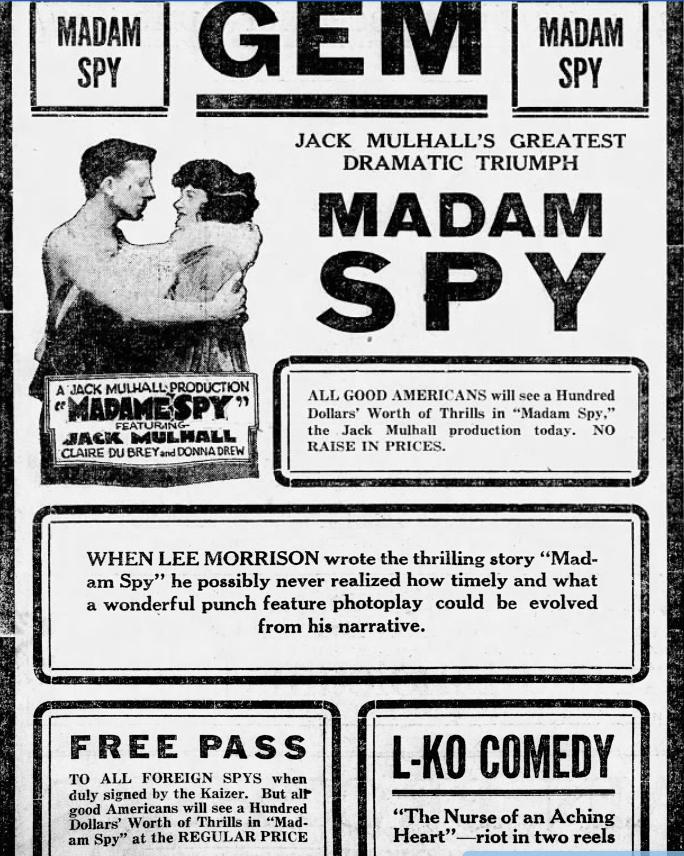
What truly elevates Madame Spy beyond a mere spy caper is its central conceit: Bob's audacious decision to impersonate the baroness. This isn't just a convenient plot device; it's a thematic exploration of identity, performance, and the malleability of appearance. The narrative deftly preps the audience for this improbable turn by revealing Bob’s past experience in college theatricals, specifically his talent for playing female roles. This detail, seemingly throwaway, becomes the linchpin of the entire plot, lending a crucial, if slightly whimsical, credibility to his transformation. In an era less constrained by rigid gender portrayals in popular media, this cross-dressing element would have been both amusing and thrilling, a testament to Bob’s resourcefulness and daring. His ability to convincingly embody the baroness is not merely about donning a dress; it’s about adopting a persona, mimicking mannerisms, and navigating a dangerous world under a veil of deception. This act of masquerade is where the film truly shines, showcasing a unique form of heroism that relies on wit and theatricality rather than brute force. It's a delightful, almost farcical, approach to serious espionage, making the film a standout in its genre for its playful yet purposeful subversion of expectations.
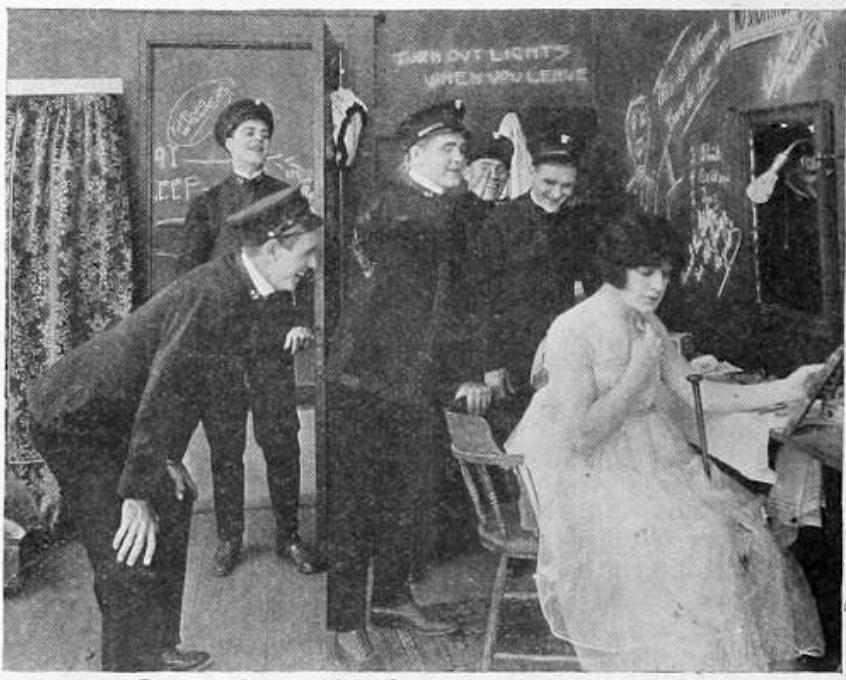
The visual language of silent film, particularly in a narrative so dependent on disguise and misdirection, is paramount. The actors, including Wadsworth Harris as Bob and Claire Du Brey as the formidable Baroness Von Hulda, rely heavily on exaggerated expressions, precise gestures, and physical comedy to convey character and emotion. Harris, in particular, must navigate a demanding dual role, portraying both the earnest, somewhat bumbling cadet and the sophisticated, cunning baroness. His success in this transformation is crucial for the audience's suspension of disbelief; how he shifts his posture, his walk, his very aura from masculine to feminine, is a silent masterclass in physical acting. Du Brey's Baroness, on the other hand, must exude a palpable sense of danger and foreign allure, a common trope for wartime antagonists. Her presence, even before Bob’s impersonation, needs to establish the gravity of the threat she poses. The film’s direction by Harvey Gates would have been instrumental in guiding these performances, ensuring that the visual cues were clear and impactful, especially during moments of tense confrontation or comedic relief. The nuanced interplay of their silent performances forms the emotional and dramatic backbone of the entire narrative.
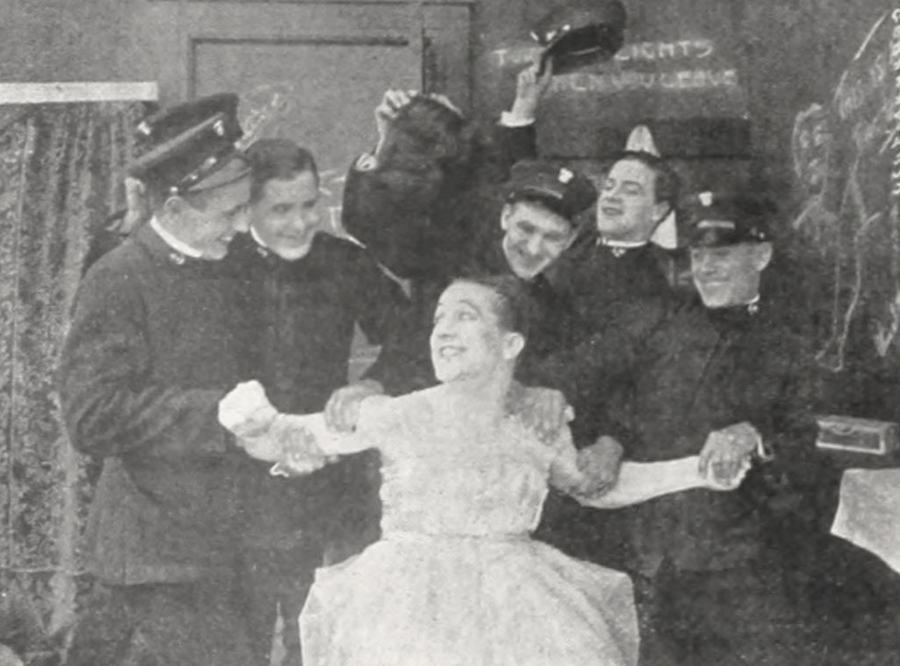
From a technical standpoint, Madame Spy would have utilized the established cinematic conventions of its time with admirable proficiency. Intertitles would have provided crucial dialogue and exposition, guiding the audience through the intricate plot twists and emotional beats. Cinematography, while perhaps not as dynamic as later eras, would have focused on clear compositions, effective lighting to create mood, and framing that emphasized the actors' expressions and the visual details essential to the plot. The editing pace, typical of silent films, would have likely varied, accelerating during action sequences and slowing for dramatic pauses, allowing the audience to absorb the visual storytelling. The choice of locations, from the solemn halls of Annapolis to the bustling port of Baltimore and the clandestine meeting places of spies, would have been carefully selected to enhance the narrative's atmosphere and realism. The film's ability to create tension and suspense without dialogue is a testament to the power of visual storytelling, a skill perfected by the pioneers of silent cinema. The sequence where Bob, disguised as the baroness, rendezvous with the unsuspecting spies and ultimately obtains the plans, would have been a masterclass in silent suspense, relying entirely on visual cues and the audience's understanding of the deception at play, showcasing a sophisticated grasp of cinematic rhythm.
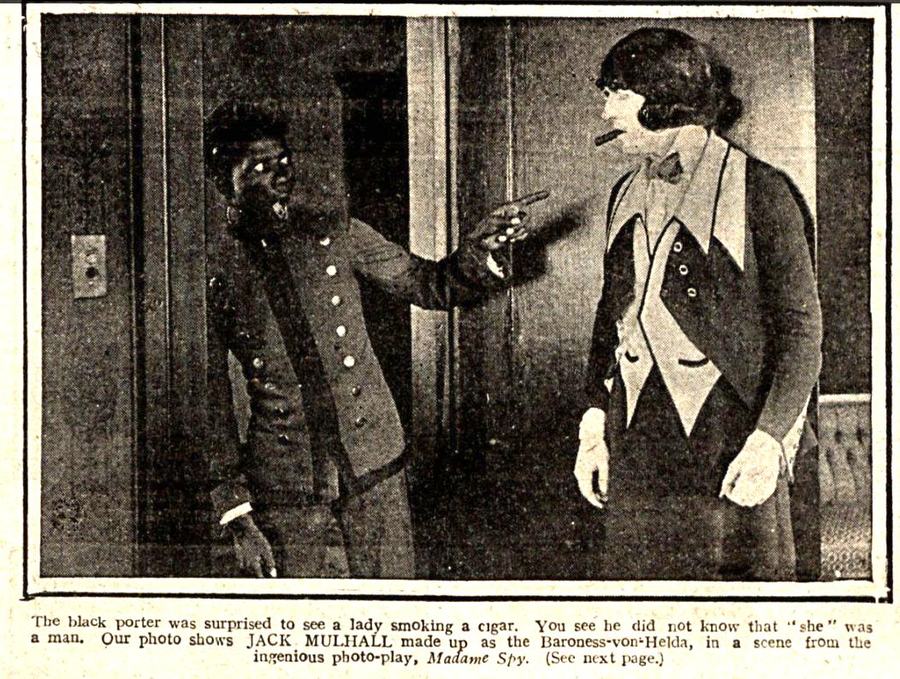
The film’s historical context is undeniably significant. Released in 1918, it served not only as entertainment but also as a subtle, or perhaps not-so-subtle, piece of wartime propaganda. The portrayal of German agents as conniving and dangerous, and the ultimate triumph of American ingenuity and patriotism, would have resonated strongly with an audience deeply invested in the war effort. This wasn't merely a story; it was a reflection of national anxieties and aspirations, a cinematic reassurance that vigilance and bravery would prevail against insidious threats. Films like Madame Spy helped to shape public perception, reinforcing the righteousness of the Allied cause and demonizing the enemy. This aspect connects it to other contemporary war-themed dramas and thrillers, such as Stolen Orders, which also explored themes of espionage and national defense during the same period. Both films capitalized on the public's fascination with secret agents and the high stakes of international conflict, offering narratives that were both thrilling and reassuring in their ultimate message of American victory. The sense of urgency and national identity woven into the fabric of these films speaks volumes about the societal mood of the era, illustrating how cinema quickly became a powerful tool for public morale.
Beyond its immediate wartime relevance, Madame Spy also offers interesting insights into gender roles and societal expectations of the era. Bob’s cross-dressing, while played for patriotic heroism, subtly challenges conventional masculinity, showcasing a hero who is not afraid to employ unconventional means, even if it means subverting traditional gender presentation. This element, while perhaps not revolutionary in its intent, is nonetheless thought-provoking. Compare this to films like A Lady of Quality or A Woman's Honor, which often depicted women navigating societal constraints or upholding moral rectitude within more conventional dramatic frameworks. Bob's character, by contrast, temporarily steps into a feminine role not out of societal pressure, but as an active, strategic choice for national security, turning a perceived weakness (his theatrical past) into his greatest strength. This playful subversion, however brief, adds a layer of complexity to what might otherwise be a straightforward patriotic adventure, hinting at a more fluid understanding of identity than often attributed to the early 20th century. The sheer audacity of the premise, a man in drag saving the nation, is a testament to the creative liberties filmmakers were willing to take to captivate their audiences.
The climax of the film, with the baroness's fleeting escape and Bob's subsequent recapture of her and the entire spy ring, provides the satisfying resolution typical of such narratives. It’s a moment of triumphant vindication, both for Bob personally and for the nation he serves. Admiral Wesley's pride in his son is the emotional payoff, completing Bob’s arc from disgrace to honor and restoring familial harmony. And, of course, no silent film romance would be complete without the hero winning the girl, Phyllis Covington, solidifying his newfound status as a true American hero. This tidy resolution, while predictable, was undoubtedly comforting for audiences, reaffirming traditional values of heroism, family, and romantic love amidst the chaos of war. The film, in its entirety, functions as a powerful testament to personal growth catalyzed by national crisis. Bob's journey is not just about foiling a spy plot; it's about finding his own worth and proving his mettle in the crucible of extraordinary circumstances, a narrative blueprint that would be endlessly reinterpreted in future cinematic endeavors. The final triumph is a neatly packaged dose of reassurance, a cinematic hug for a populace grappling with global uncertainty.
In retrospect, Madame Spy may not possess the artistic gravitas of a Griffith epic or the intricate psychological depth of later cinematic masterpieces, but its charm lies in its unpretentious ambition and its vivid reflection of a specific cultural moment. It’s a film that, through its engaging plot and memorable central performance, offers a valuable window into the popular entertainment of a bygone era. For film historians and enthusiasts of early cinema, it provides crucial insights into the storytelling techniques, thematic concerns, and audience expectations of the 1910s. The enduring appeal of spy thrillers, even those with overtly propagandistic undertones, lies in their ability to tap into fundamental human fears and desires: the fear of the unknown enemy, the desire for justice, and the thrill of clandestine operations. Madame Spy, with its unique blend of comedic disguise and wartime urgency, stands as a charming, if modest, precursor to the sophisticated spy genre that would evolve throughout the 20th century. Its narrative, while dated in some aspects, holds a timeless appeal in its exploration of courage, identity, and the surprising paths to heroism, reminding us that even in the earliest days of cinema, filmmakers were adept at crafting compelling tales that resonated deeply with their audiences, using every tool at their disposal, including the audacious spectacle of a man in a dress saving the nation.
The film’s legacy, while not as widely celebrated as some of its contemporaries, is significant in its representation of the burgeoning spy genre in American cinema. It showcases how quickly filmmakers adapted to current events, weaving them into compelling narratives that both entertained and informed. The simplicity of its moral universe, where good and evil are clearly delineated, allowed for a focus on the mechanics of the plot and the ingenuity of the hero. This directness, coupled with the inherent drama of wartime espionage, ensured its popular appeal. It’s a historical document as much as it is a piece of entertainment, reflecting the zeitgeist of a nation at war, grappling with threats both external and internal. The character of Bob Wesley, with his initial failures and ultimate triumph, embodies a quintessentially American narrative of second chances and self-made heroism. His journey, marked by wit and daring, provides a blueprint for countless cinematic heroes to come, demonstrating that courage can manifest in the most unexpected forms, even in the guise of a foreign baroness. The film's uncomplicated patriotism and clear-cut heroics provided a reassuring escape, a cinematic balm for a public hungry for stories of triumph against overwhelming odds, much like the spirit captured in the more action-oriented Vengeance of the Wilds, albeit in a vastly different setting. This foundational approach to storytelling laid the groundwork for the genre's future evolution, proving that a compelling plot and charismatic (or comically disguised) lead were often all that was needed to captivate an audience.
Furthermore, the film's exploration of disguise and deception, central to any spy narrative, is handled with a certain panache that belies its early production date. The stakes are clear, the villains are unambiguous, and the hero's method, while unconventional, is undeniably effective. This commitment to a clear, thrilling plot, without the need for complex character motivations or moral ambiguities, makes Madame Spy a pure distillation of early cinematic adventure. It’s a reminder that sometimes, the most straightforward narratives, executed with a dash of imaginative flair, can be the most enduring. The way it weaves together personal redemption with national security provides a resonant emotional core, making Bob’s individual struggle feel deeply connected to the larger conflict. It’s a testament to the power of storytelling, even in its most nascent forms, to captivate, inspire, and reflect the anxieties and hopes of a generation. The final scene, with Bob embraced by his father and his beloved, is not just a happy ending, but a symbolic affirmation of order restored, both within the family and within the nation. The film’s capacity to blend lighthearted theatricality with serious wartime stakes is a delicate balance, achieved with surprising grace, allowing it to stand out even amidst other dramatic offerings of the period like The Pitfall, which might have explored more somber themes of moral entanglement. It is a delightful testament to the ingenuity of early filmmakers in crafting narratives that were both timely and enduringly entertaining.

IMDb 6
1930
Community
Log in to comment.