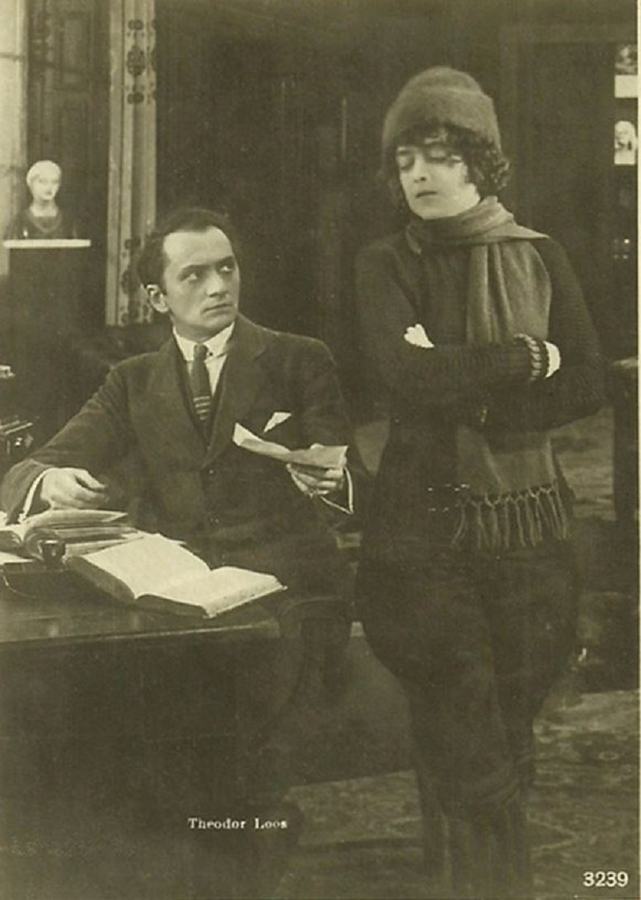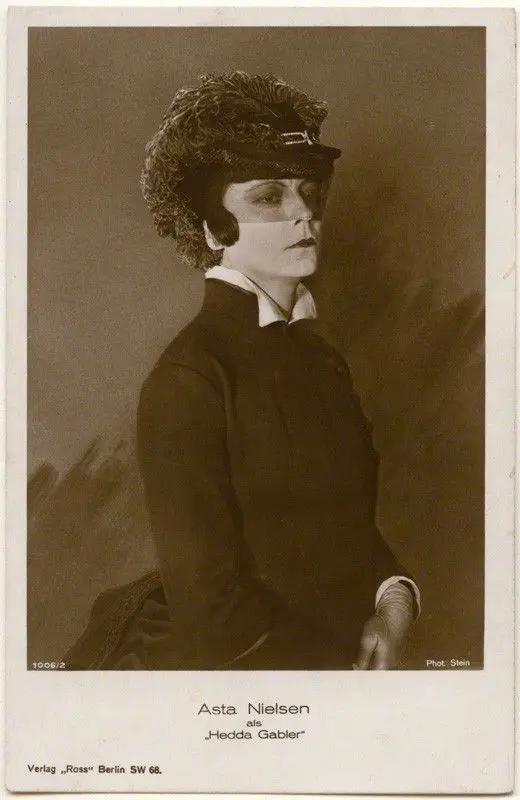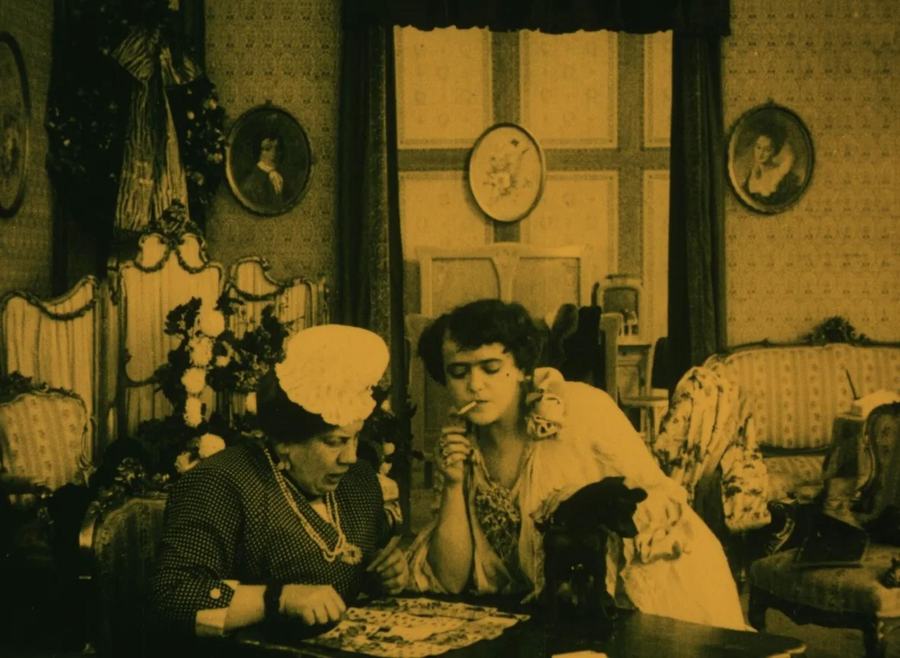
The first time I saw Der neueste Stern vom Variété it was projected against a brick warehouse wall in Kreuzberg, the print flecked like a leopard, the piano score improvised by a woman who kept forgetting her chords—perfect, because the film itself forgets its own plot halfway through and starts dreaming in cabaret sm...
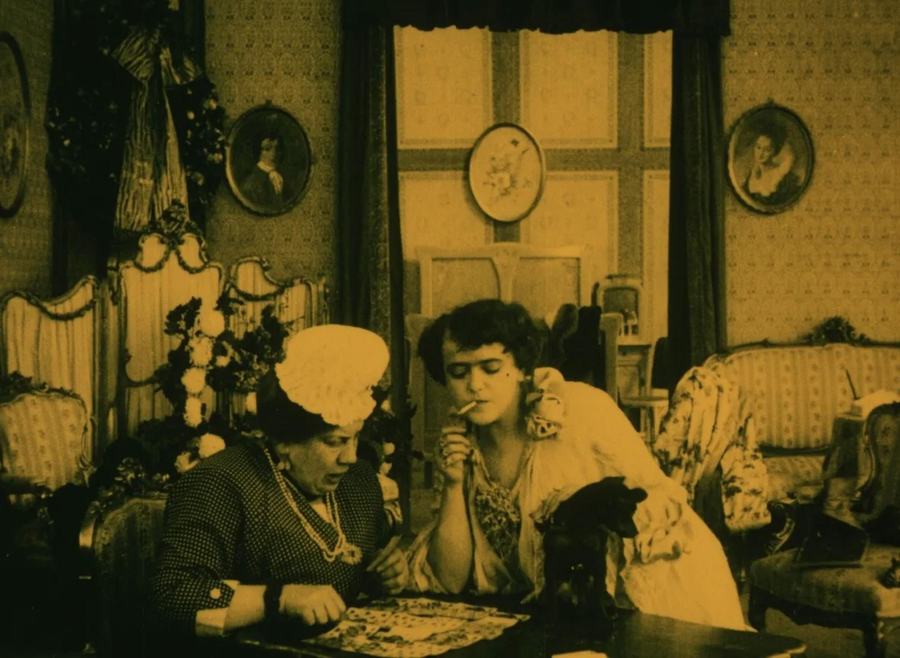
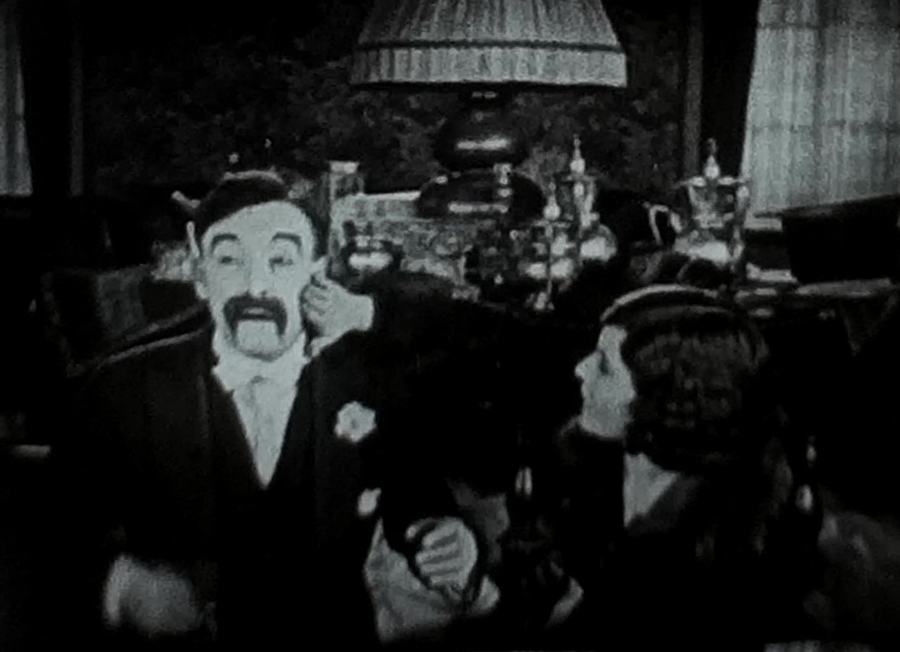
still_frame
Comparing the cinematic DNA and archive impact of two defining moments in cult history.
Franz Eckstein
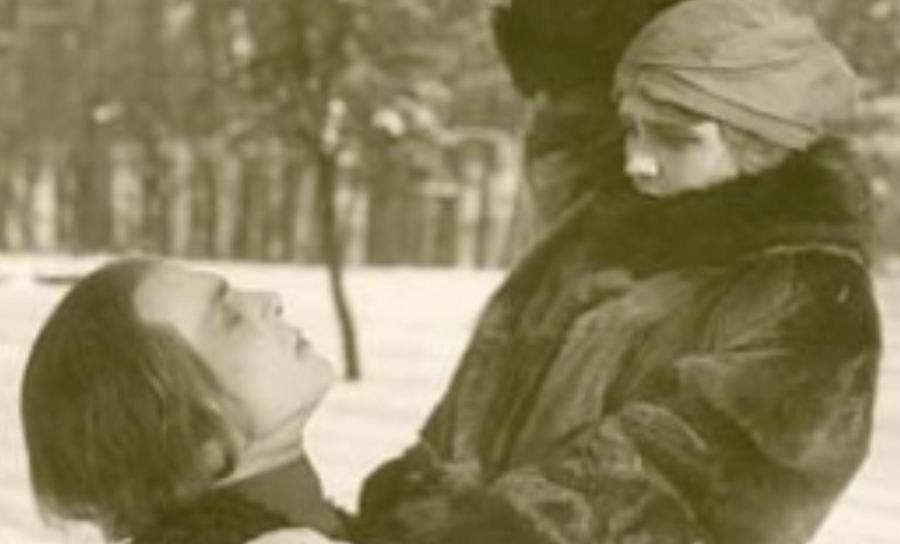
Franz Eckstein
Community
Log in to comment.
" The first time I saw Der neueste Stern vom Variété it was projected against a brick warehouse wall in Kreuzberg, the print flecked like a leopard, the piano score improvised by a woman who kept forgetting her chords—perfect, because the film itself forgets its own plot halfway through and starts dreaming in cabaret smoke. Rosa Porten’s screenplay—written while Berlin rationed bread and dreams—treats narrative like a trapeze net: there to catch you only if you fall. Instead of falling, the stor..."
1921 · IMDb —
Franz Eckstein
Deep dive into the cult classic
Discover similar cinematic experiences
A Directorial Spotlight on Franz Eckstein