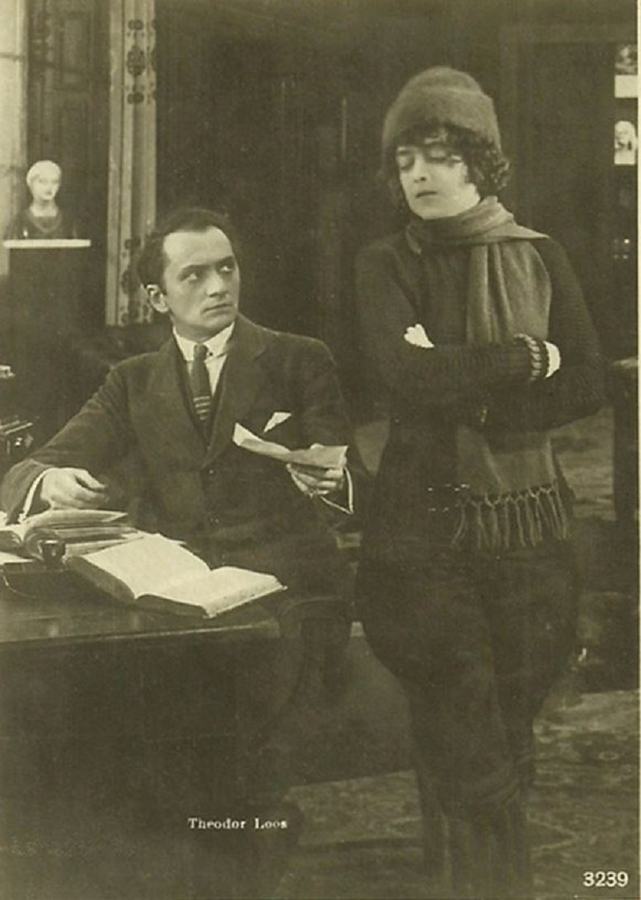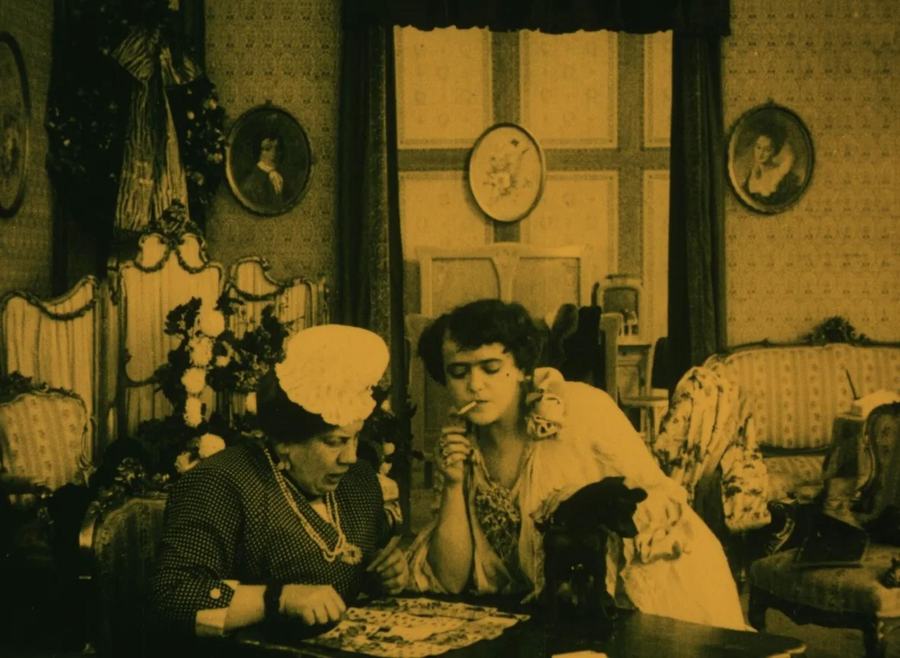
Hedda lives a bourgeois existence riddled with complacency and hypocrisy. She decides to break out of this dullness at all costs.
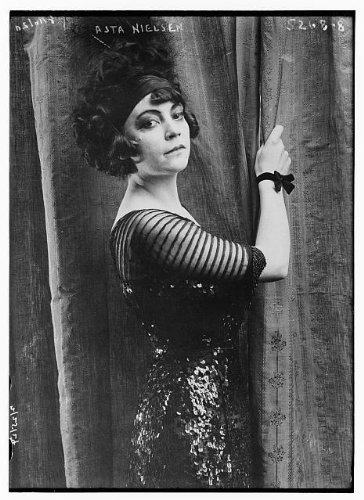
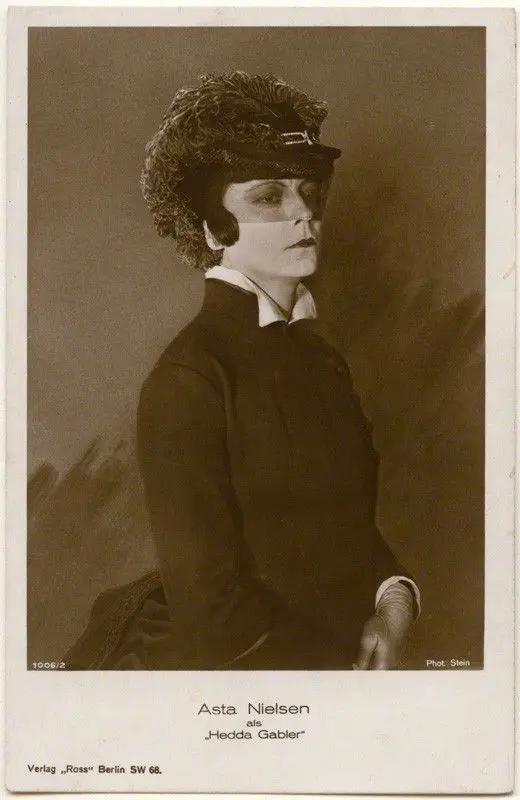
The Architecture of Despair: Asta Nielsen’s Definitive Hedda The 1925 adaptation of Hedda Gabler stands as a monumental achievement in the Weimar era’s exploration of psychological interiority. While many contemporary works of the mid-twenties, such as the whimsical Sally of the Sawdust, sought to provide audiences ...


Comparing the cinematic DNA and archive impact of two defining moments in cult history.
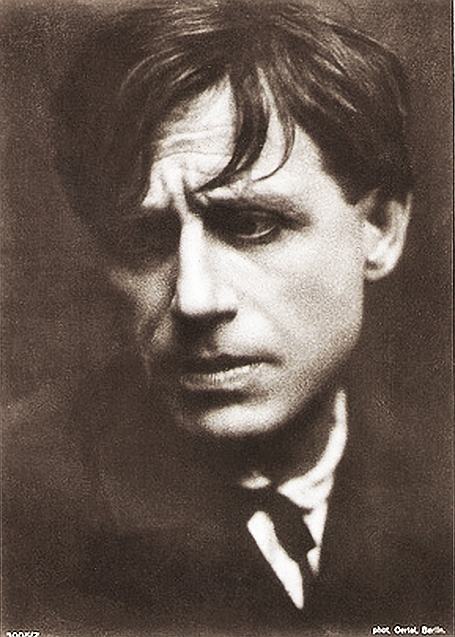
Franz Eckstein
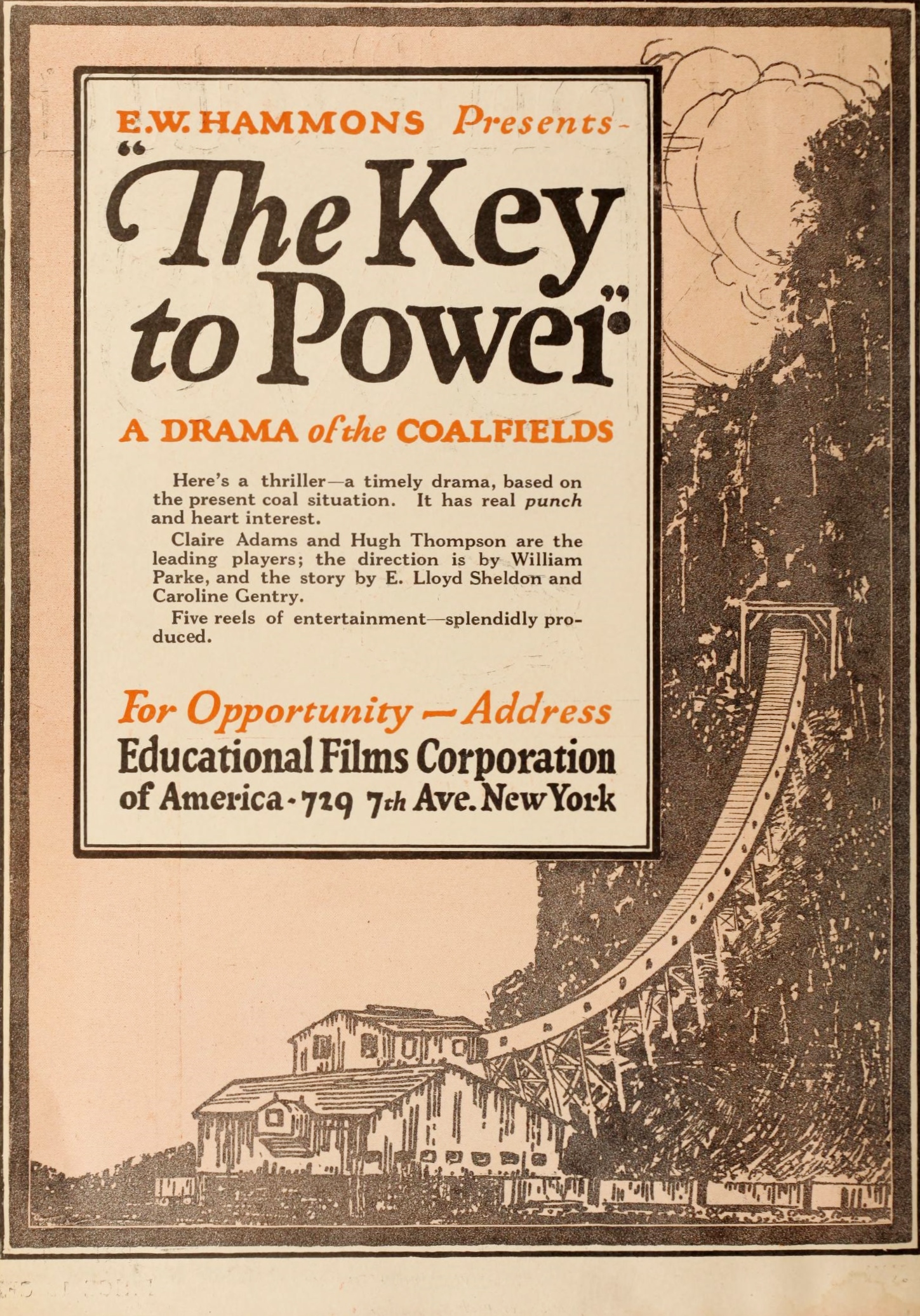
William Parke
Community
Log in to comment.
" The Architecture of Despair: Asta Nielsen’s Definitive Hedda The 1925 adaptation of Hedda Gabler stands as a monumental achievement in the Weimar era’s exploration of psychological interiority. While many contemporary works of the mid-twenties, such as the whimsical Sally of the Sawdust, sought to provide audiences with escapist levity, Franz Eckstein and Rosa Porten delved into the marrow of Ibsen’s naturalistic tragedy. At the center of this vortex is Asta Nielsen, an actress whose face was..."
Olga Limburg
Rosa Porten, Franz Eckstein, Henrik Ibsen
Germany

1936 · IMDb 6.8