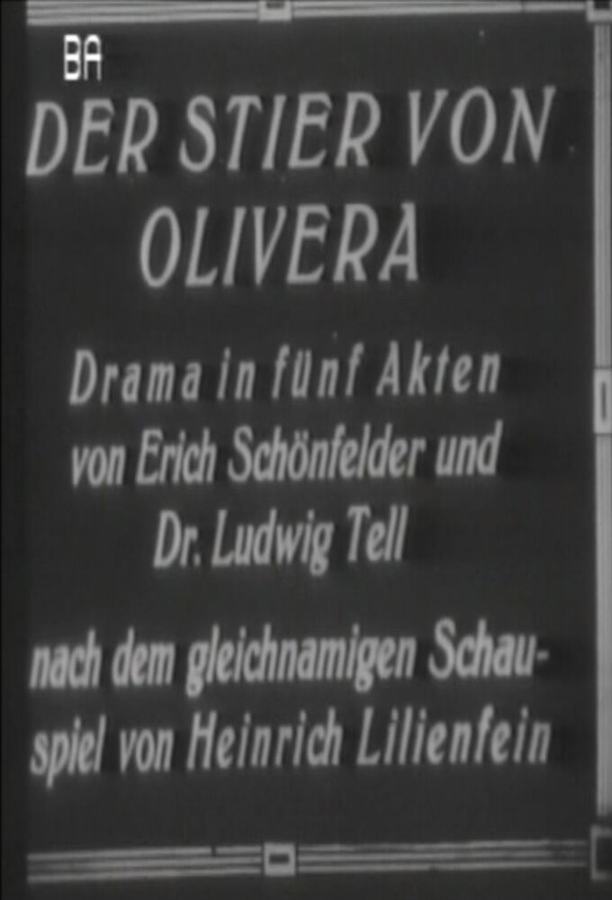
.title {color:#C2410C;font-size:24px;font-weight:bold;}.subheading {color:#EAB308;font-size:18px;font-style:italic;}.highlight {color:#0E7490;}.review-text {color:#FFFFFF;}Der Stier von Olivera is not merely a film—it is a visceral, unflinching dissection of power’s corrosive grip on the human soul. From its opening sh...
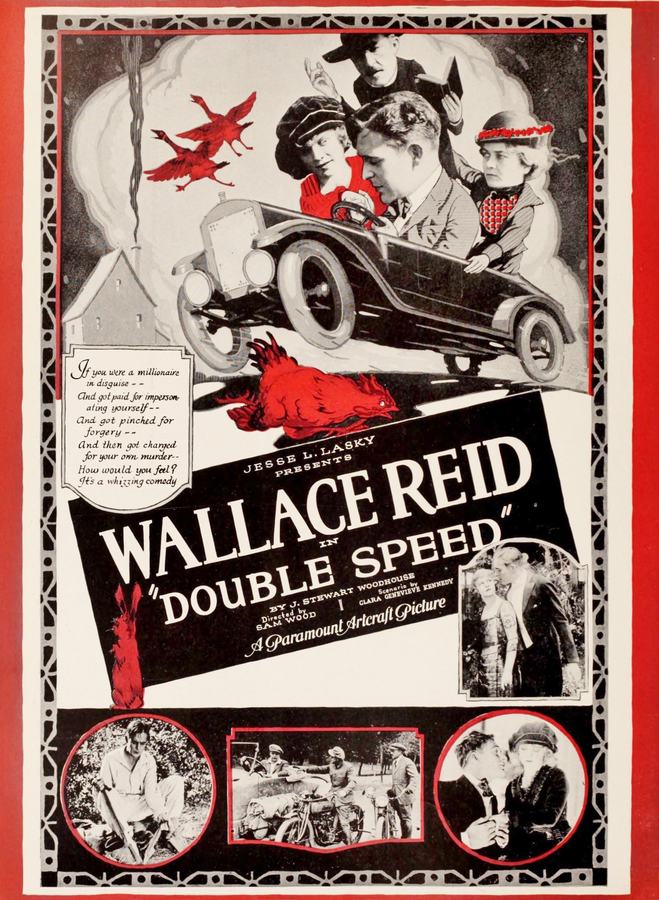
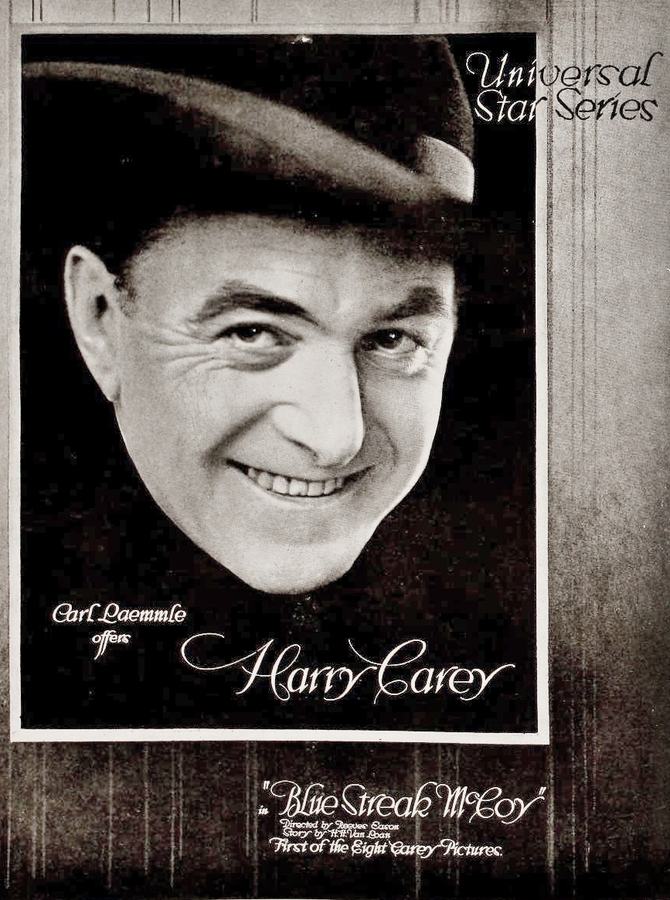
Comparing the cinematic DNA and archive impact of two defining moments in cult history.
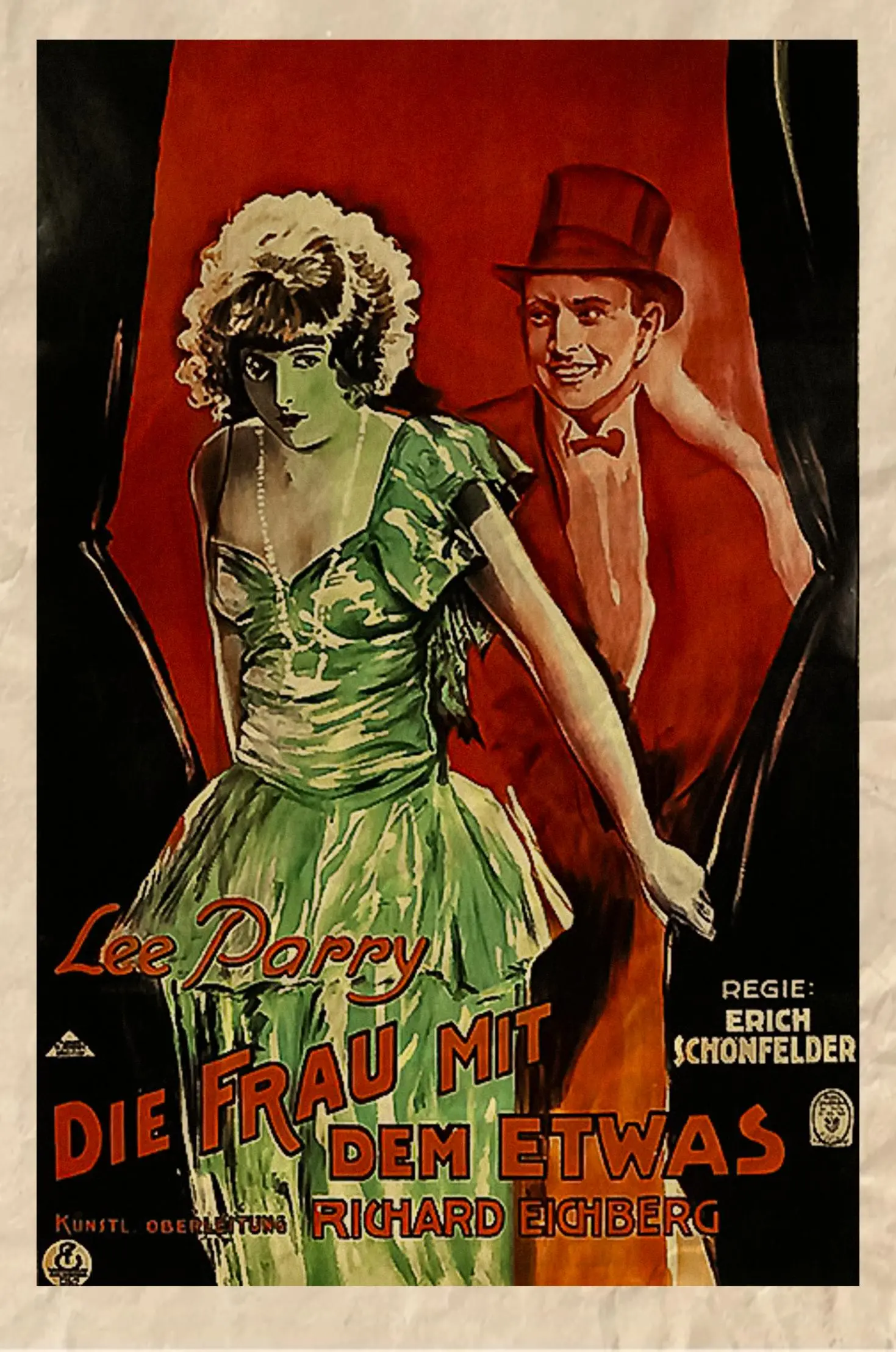
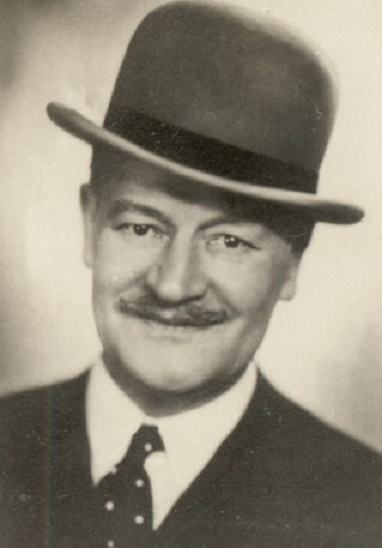
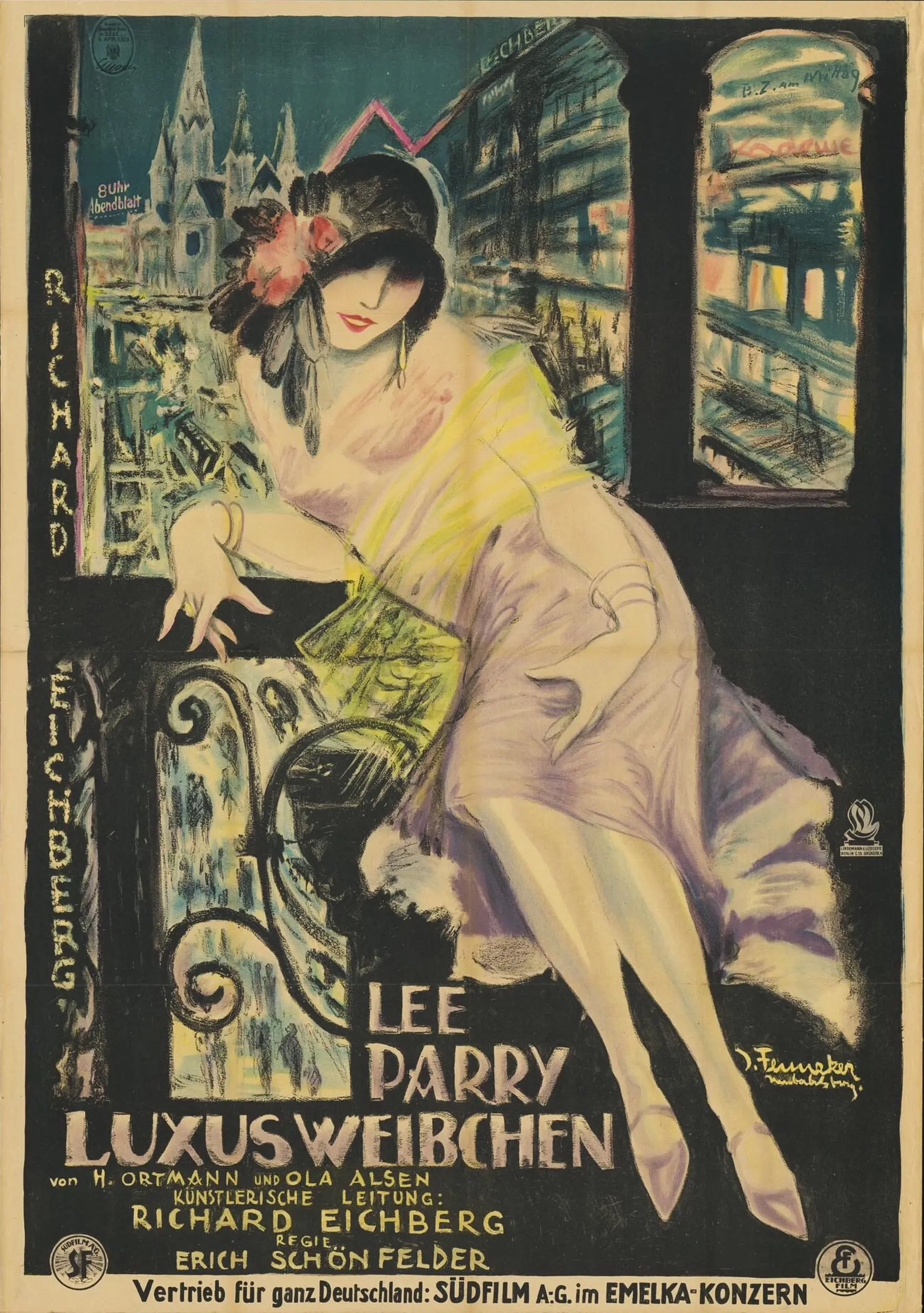
Erich Schönfelder
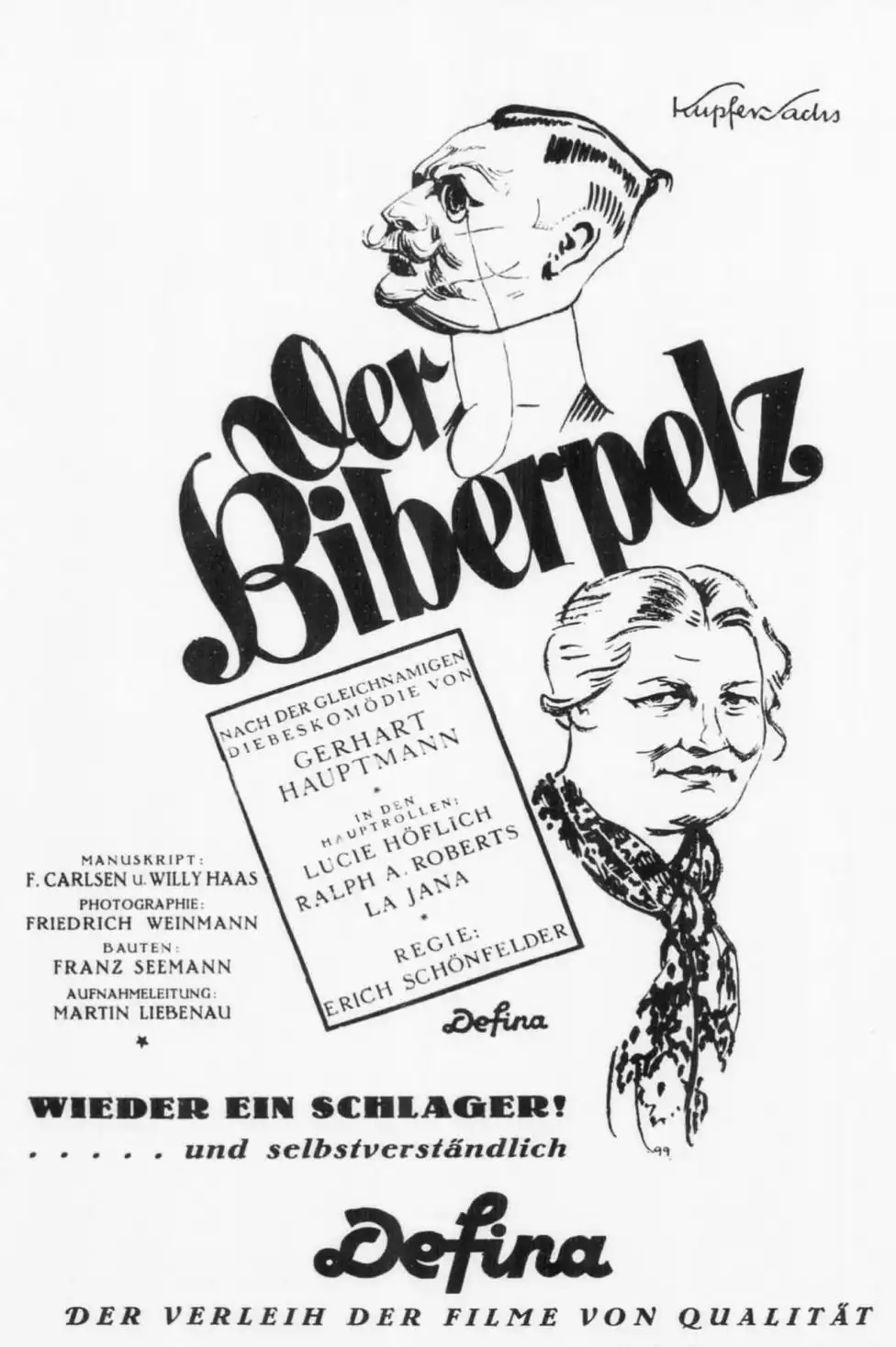
Erich Schönfelder
Community
Log in to comment.
".title {color:#C2410C;font-size:24px;font-weight:bold;}.subheading {color:#EAB308;font-size:18px;font-style:italic;}.highlight {color:#0E7490;}.review-text {color:#FFFFFF;}Der Stier von Olivera is not merely a film—it is a visceral, unflinching dissection of power’s corrosive grip on the human soul. From its opening shot—a slow pan across a windswept, sun-bleached coast to a crumbling fortress—the film announces its intent to interrogate the fragility of ideals under the weight of ambition. Dire..."
Heinrich Lilienfein, Dmitriy Bukhovetskiy, Erich Schönfelder
Germany