Summary
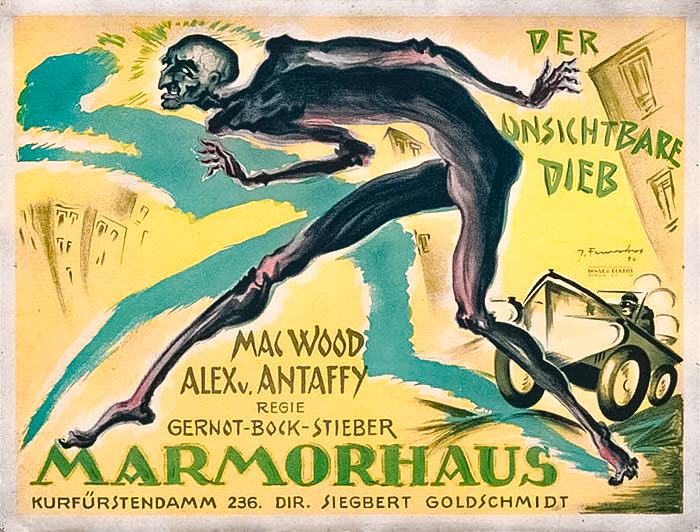
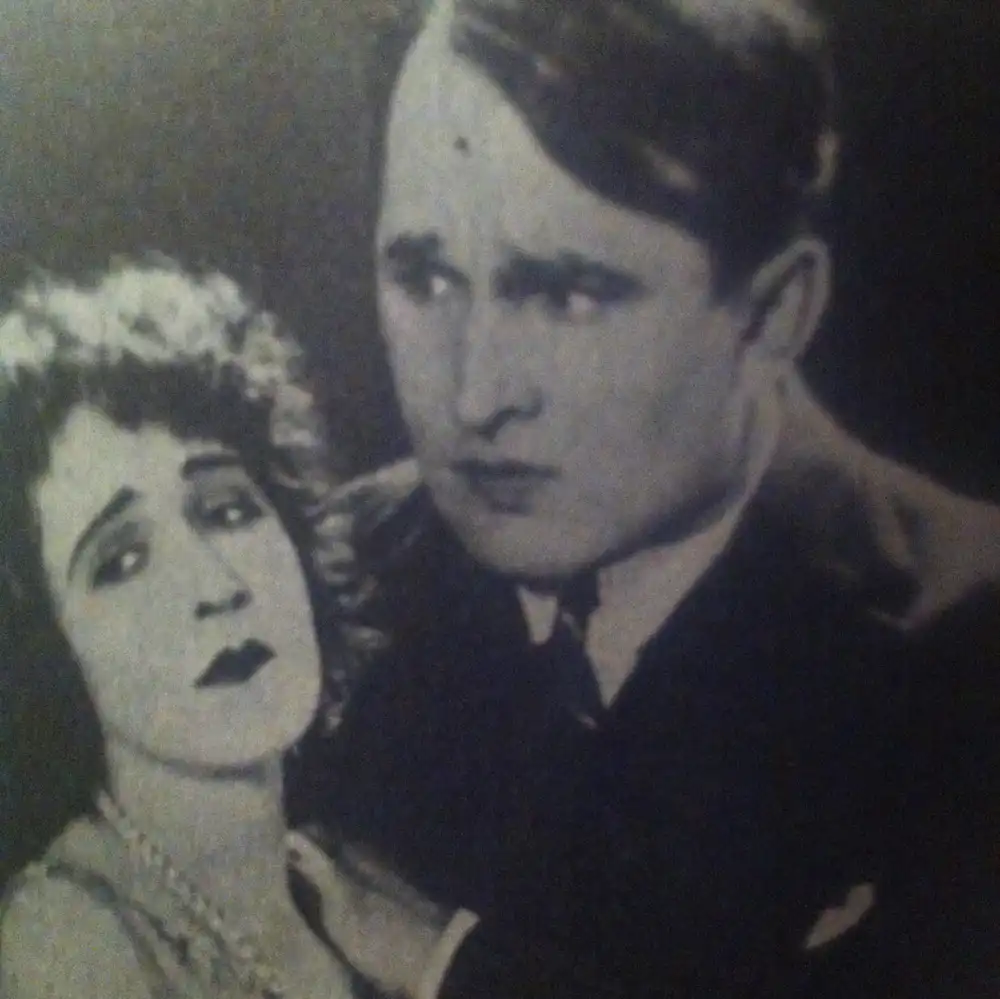
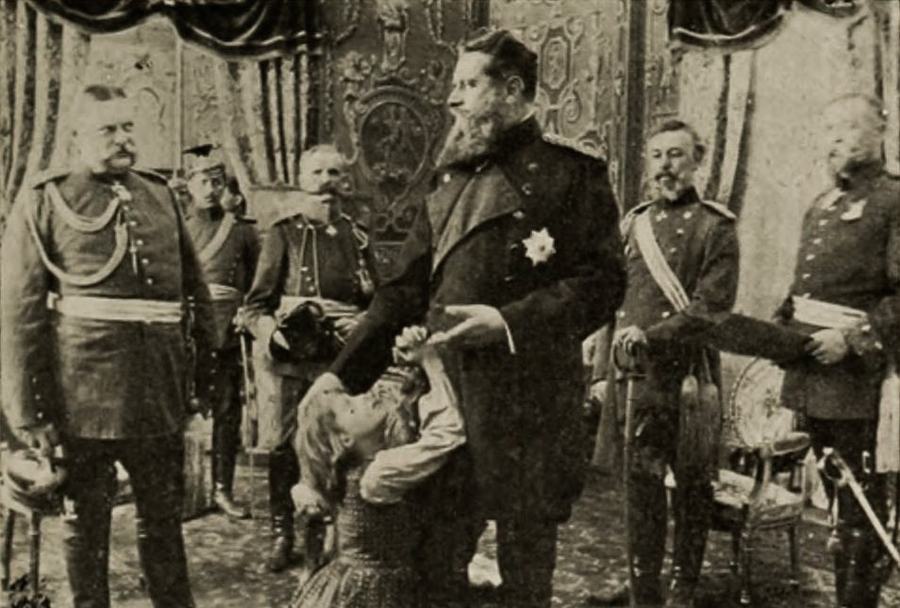
A Berlin still gasping under the weight of post-war hyperinflation is stalked by a phantom whose fingerprints appear only on the consciences of the bourgeoisie. Ada Van Roon’s screenplay stitches together Expressionist silhouettes and street-level naturalism: every cobblestone glistens with the sweat of panic, every gas-lamp flickers like a dying interrogation bulb. Erner Huebsch plays Dr. Elias Voss, a disgraced criminologist who discovers that the city’s most audacious burglar leaves no trace because he is, quite literally, the collective hallucination of a society addicted to denial. Charles Rudolph’s Commissar Riedel—equal parts Prussian backbone and Weimar ennui—chases shadows across dossiers, while Marian Alma’s cabaret chanteuse Lilo circulates the rumor that the thief can slip through keyholes like cigarette smoke. Paul Moleska’s war-maimed photographer snaps crime scenes that develop blank plates, and Hansi Burg’s stenographer frantically retypes police reports in which whole paragraphs erase themselves overnight. The narrative coil tightens when the invisible bandit steals the concept of ownership itself: safes yawn open to reveal their contents were never there, deeds blister into white ash, and a Countess (Käthe Freitag) awakens to find her ancestral castle replaced on the skyline by a gaping absence. Van Roon’s plot corkscrews inward until the only remaining valuables are the characters’ mirrored fears: Voss realizes he is both pursuer and quarry, Riedel’s badge melts into tin foil, and Lilo’s final torch song is sung to an audience of empty overcoats. The film ends on a single, unbroken shot of an abandoned ballroom where chandeliers sway to a waltz only the city can hear—Berlin dancing with its own void, the theft complete.
Review Excerpt
"
There are heist films about taking diamonds; then there is Der unsichtbare Dieb, a picture so drunk on its own negative space it pickpockets the concept of having. Viewed today, the 1924 German rarity feels like a nitrate ghost—half the surviving print is molten emulsion, the other half pure migraine. Yet what remains scorches the retina with ideas that Nolan, Kurosawa, even Resnais would later chase like desperate taxonomists.
Ada Van Roon, auteur in an era when women were routinely shoved of..."