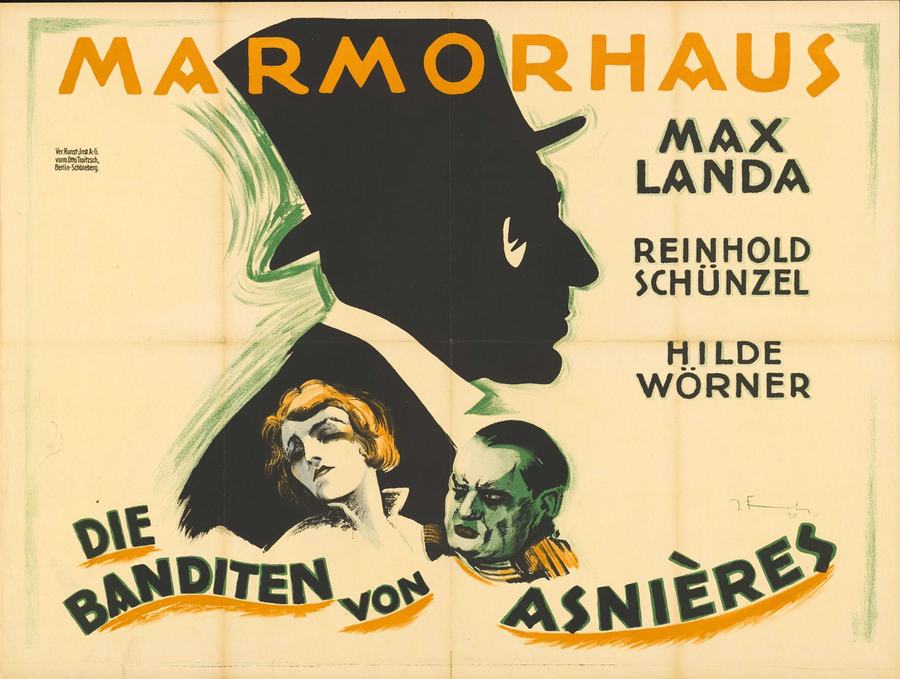
a{color:#EAB308;text-decoration:none}a:hover{color:#C2410C}blockquote{border-left:4px solid #0E7490;padding-left:1.2rem;margin:1.5rem 0;font-style:italic;color:#ccc} The first time I saw Die Banditen von Asnières I walked out convinced I had inhaled coal dust—my lungs felt scorched by the film’s soot-streaked cinemat...


Comparing the cinematic DNA and archive impact of two defining moments in cult history.
Karl Mueller-Hagens

Harley Knoles
Community
Log in to comment.
" a{color:#EAB308;text-decoration:none}a:hover{color:#C2410C}blockquote{border-left:4px solid #0E7490;padding-left:1.2rem;margin:1.5rem 0;font-style:italic;color:#ccc} The first time I saw Die Banditen von Asnières I walked out convinced I had inhaled coal dust—my lungs felt scorched by the film’s soot-streaked cinematography, its shadows so dense they seemed to leave residue on the emulsion itself. Released in Germany in November 1920 yet set on the frayed periphery of Belle-Époque Paris, this ..."
Sven Elvestad, Carlo Emerich
Germany
Deep dive into the cult classic
Discover similar cinematic experiences
A Directorial Spotlight on Karl Mueller-Hagens