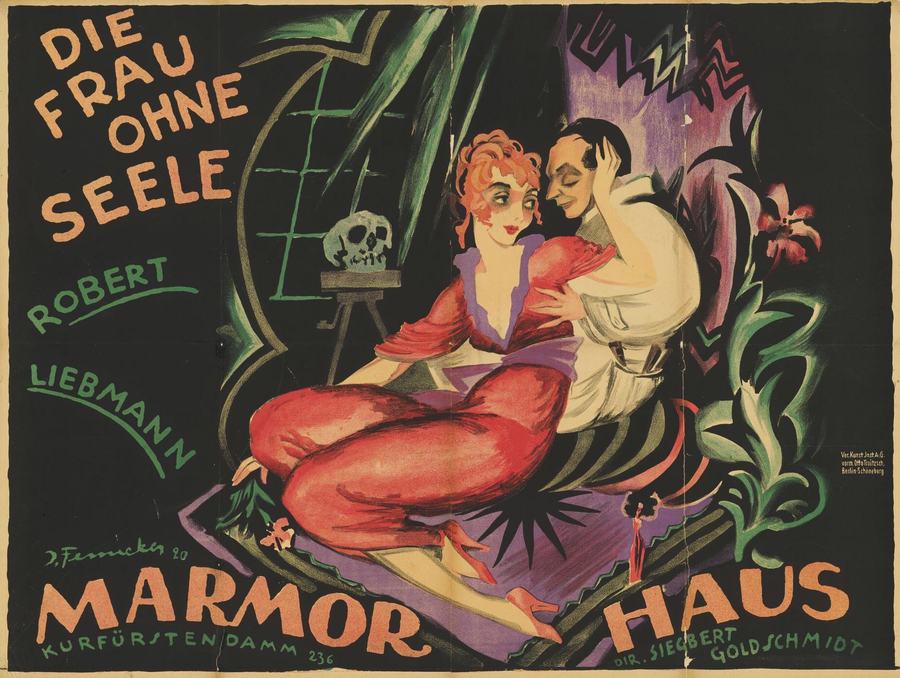
Weimar cinema loved its monsters, but few were ever framed in such opulent permafrost as Die Frau ohne Seele. Georg Jacoby’s 1926 chiller—long misfiled as a drawing-room melodrama—returns like a blood-stained calling card, proving that post-war Berlin already knew how to weaponize glamour against itself. Every tracki...
Comparing the cinematic DNA and archive impact of two defining moments in cult history.
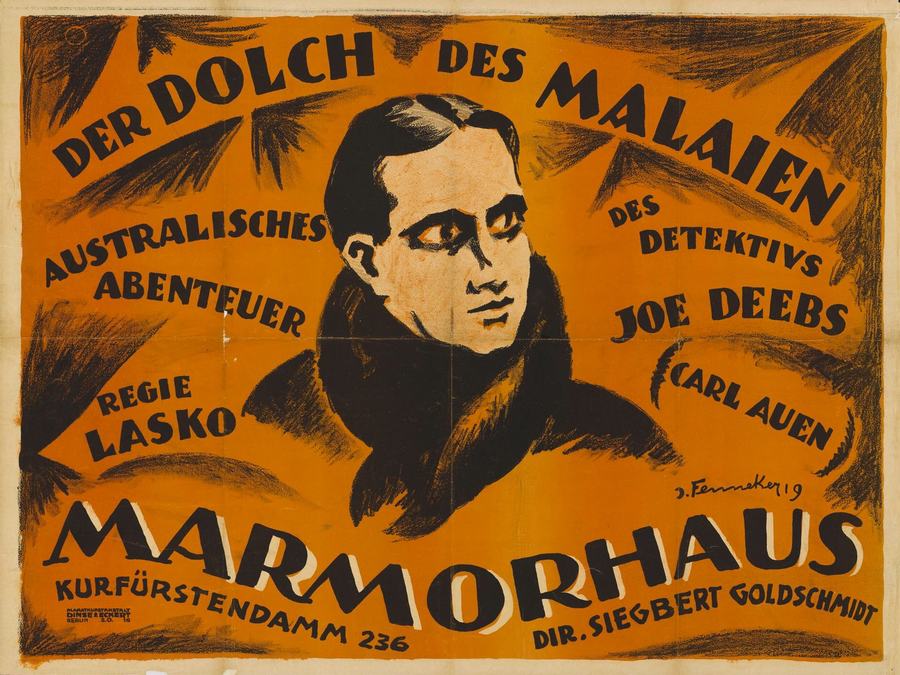
Léo Lasko
Léo Lasko
Community
Log in to comment.
" Weimar cinema loved its monsters, but few were ever framed in such opulent permafrost as Die Frau ohne Seele. Georg Jacoby’s 1926 chiller—long misfiled as a drawing-room melodrama—returns like a blood-stained calling card, proving that post-war Berlin already knew how to weaponize glamour against itself. Every tracking shot glides across parquet floors polished to ice-rink reflectivity; every close-up lingers on cheekbones sharp enough to cut ether. The film’s title translates to “The Woman Wi..."
Ferry Sikla
Georg Jacoby, Robert Liebmann
Germany
Deep dive into the cult classic
Discover similar cinematic experiences
A Directorial Spotlight on Léo Lasko