There is a moment—roughly twelve minutes in, if you’re counting the flicker of the archival tint—when Joseph Uhl’s Odysseus, half-buried in phosphorescent foam, cranes his neck toward a sky that seems stitched from torn cigarette paper. The image is both resurrection and surrender: the war-weary king reborn while sti...

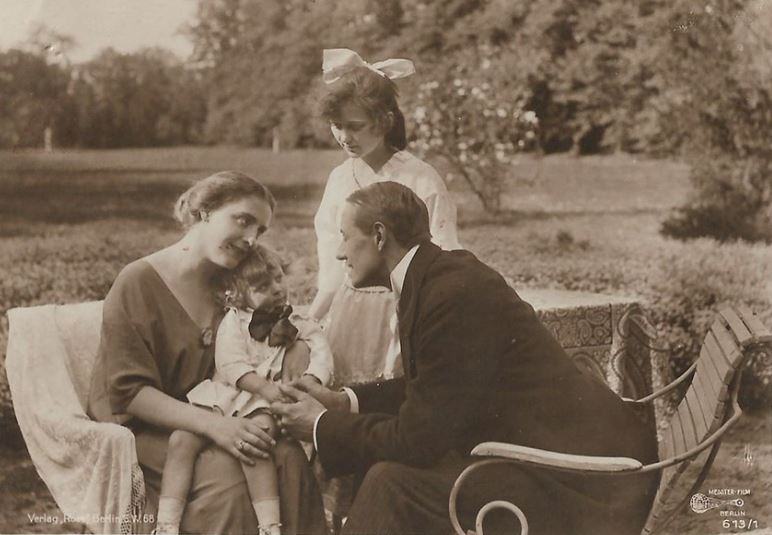
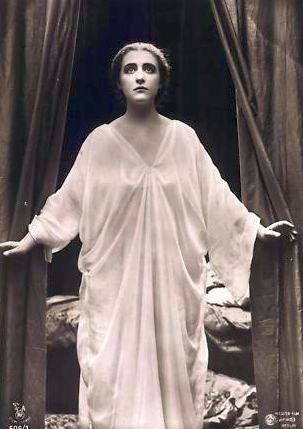
still_frame
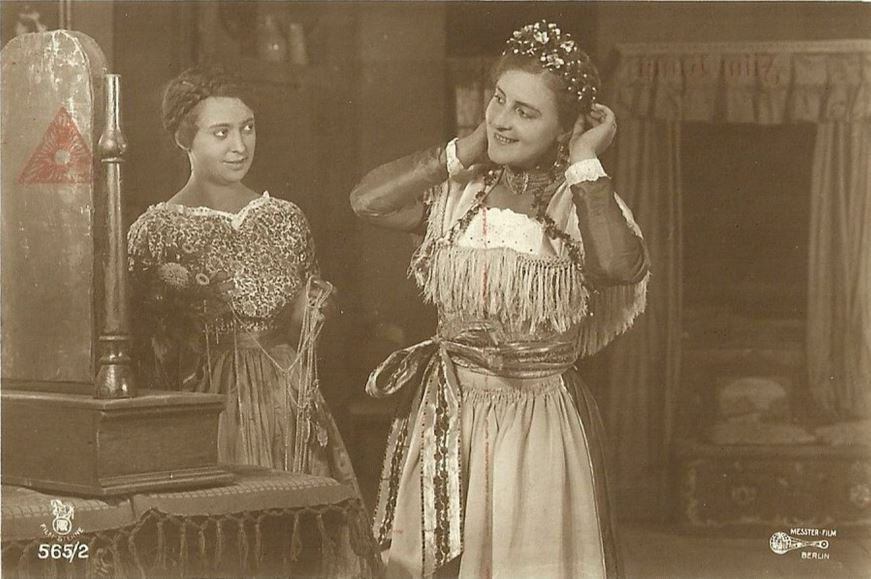
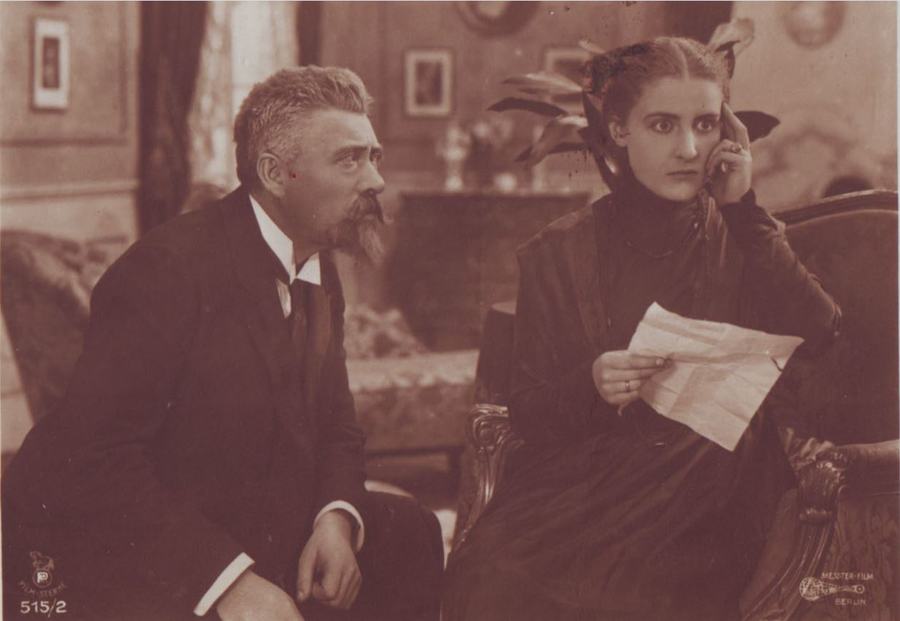
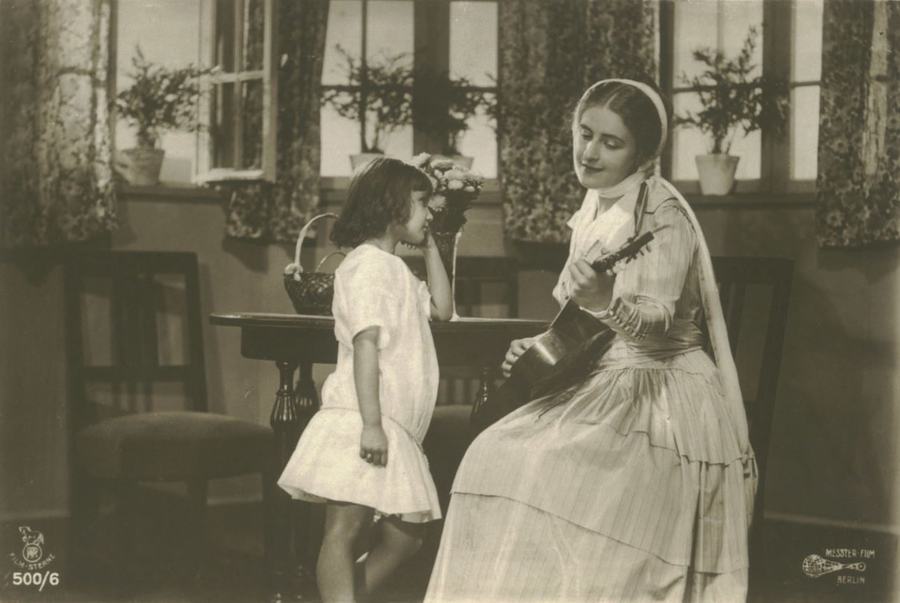
still_frame
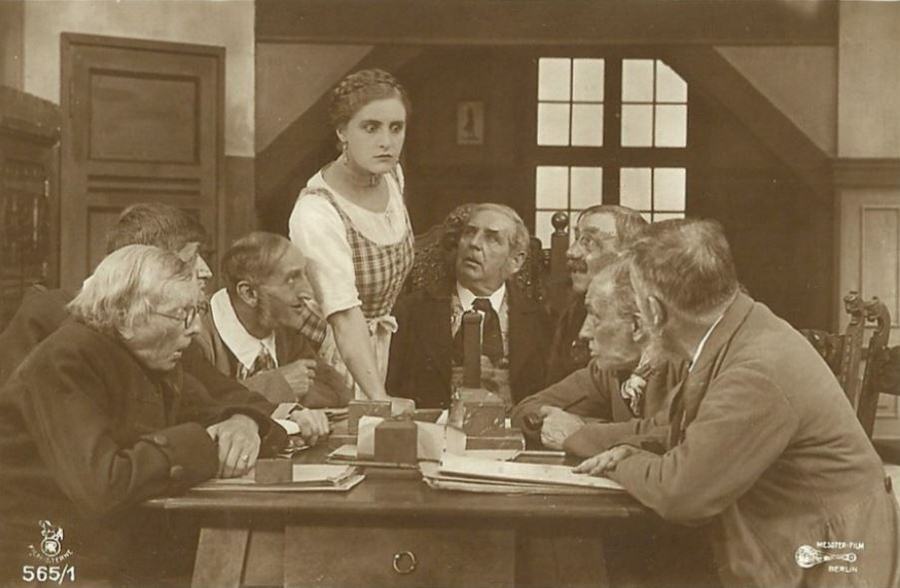
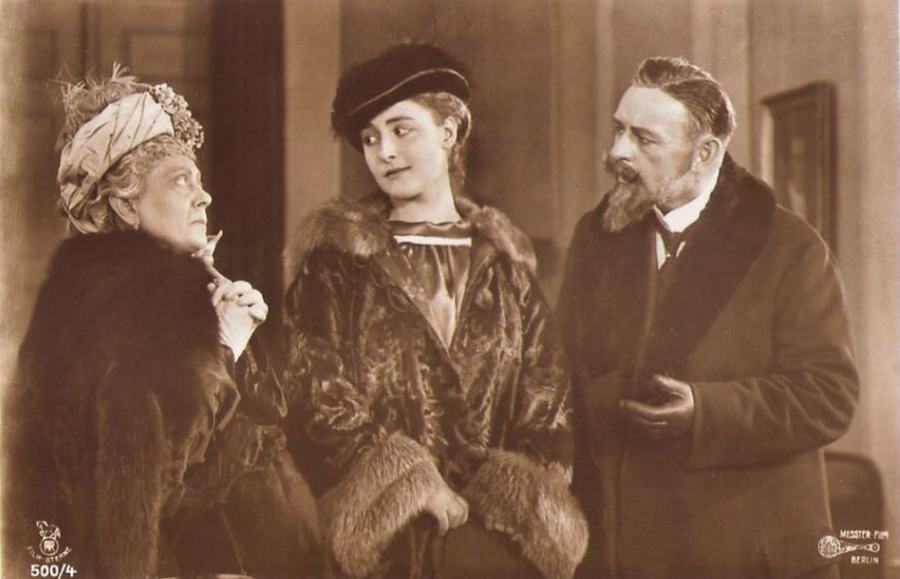
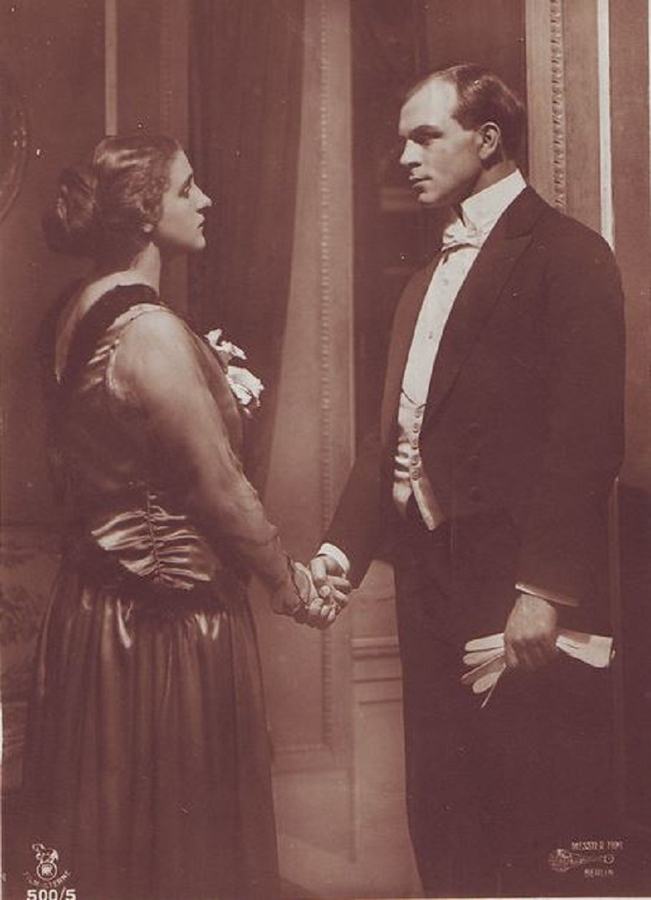
still_frame

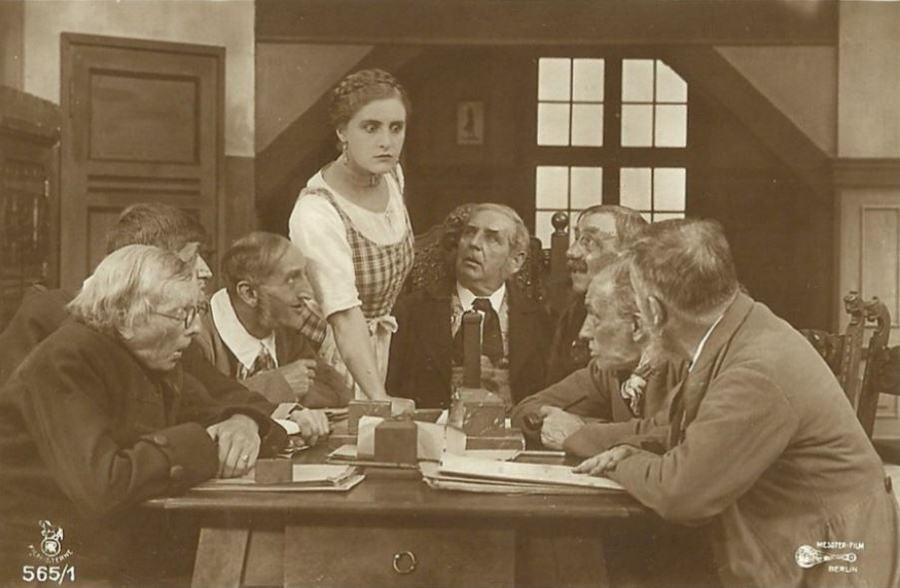
publicity

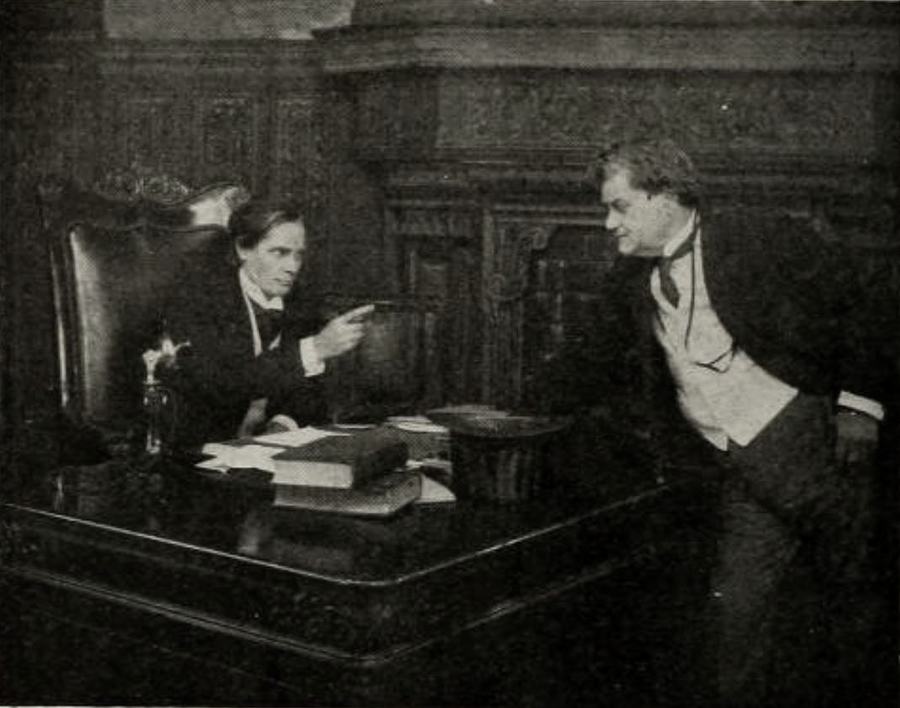
Comparing the cinematic DNA and archive impact of two defining moments in cult history.
Rudolf Biebrach
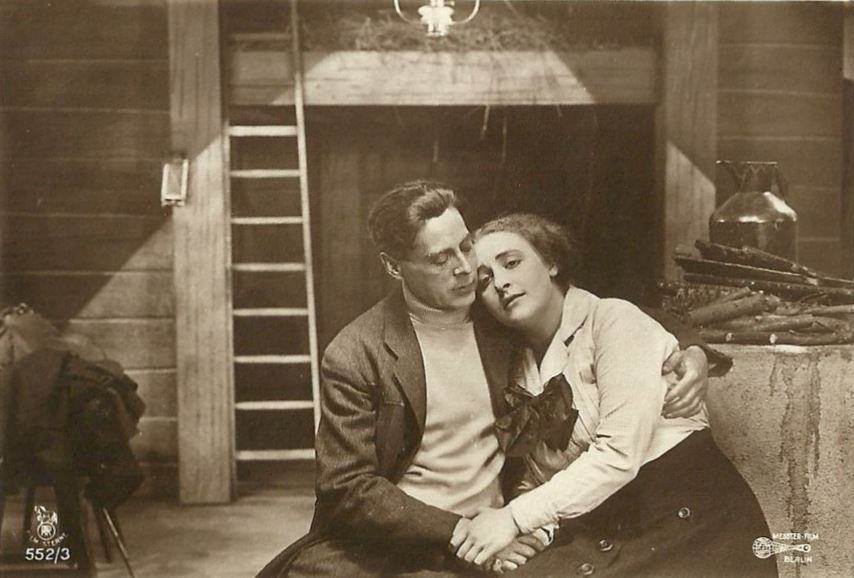
Rudolf Biebrach
Community
Log in to comment.
" There is a moment—roughly twelve minutes in, if you’re counting the flicker of the archival tint—when Joseph Uhl’s Odysseus, half-buried in phosphorescent foam, cranes his neck toward a sky that seems stitched from torn cigarette paper. The image is both resurrection and surrender: the war-weary king reborn while still shackled to whatever private Flanders hell he dragged back from the trenches of 1918. In that tremulous splice, Robert Wiene’s Die Heimkehr des Odysseus announces it has no inte..."