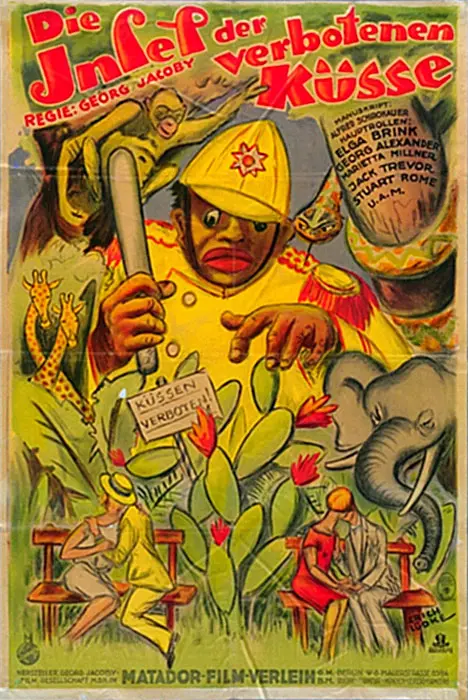
Should you invest your time in a silent melodrama from 1927 that has largely been relegated to the footnotes of film history? Short answer: yes, but only if you are a dedicated enthusiast of Weimar-era aesthetics or a student of Georg Jacoby’s expansive filmography. This film is for those who find beauty in the flicker...
Comparing the cinematic DNA and archive impact of two defining moments in cult history.
Georg Jacoby
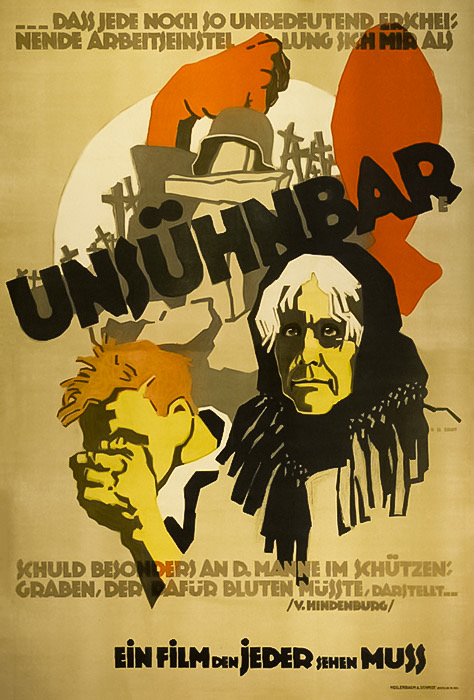
Georg Jacoby
Community
Log in to comment.
"Should you invest your time in a silent melodrama from 1927 that has largely been relegated to the footnotes of film history? Short answer: yes, but only if you are a dedicated enthusiast of Weimar-era aesthetics or a student of Georg Jacoby’s expansive filmography. This film is for those who find beauty in the flickering grain of nitrate and the exaggerated pathos of silent performance; it is not for the modern viewer who demands narrative efficiency or CGI-driven spectacle. 1) This film work..."
Alfred Schirokauer
Germany
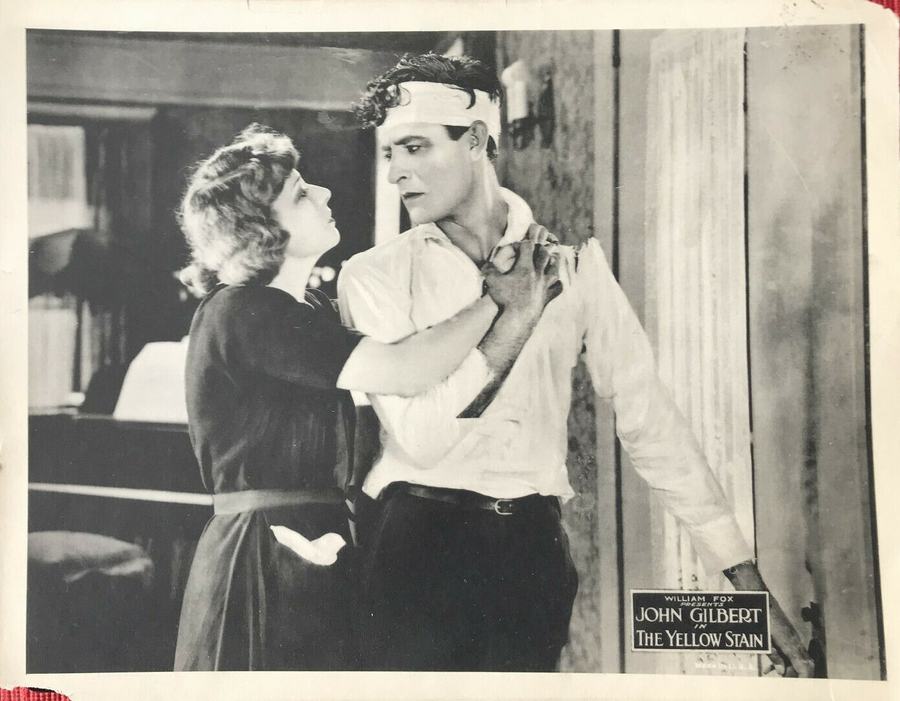
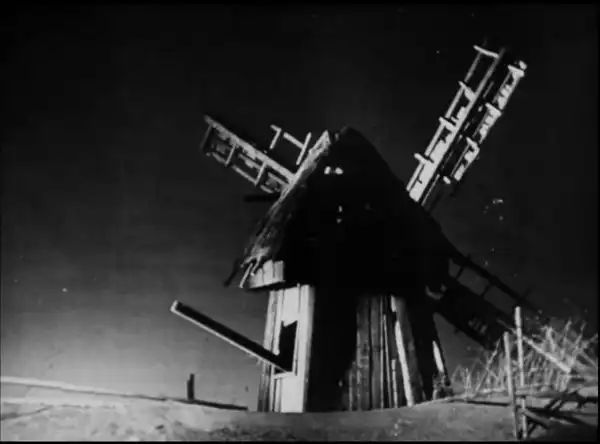
Deep dive into the cult classic
Discover similar cinematic experiences
A Directorial Spotlight on Georg Jacoby