Summary
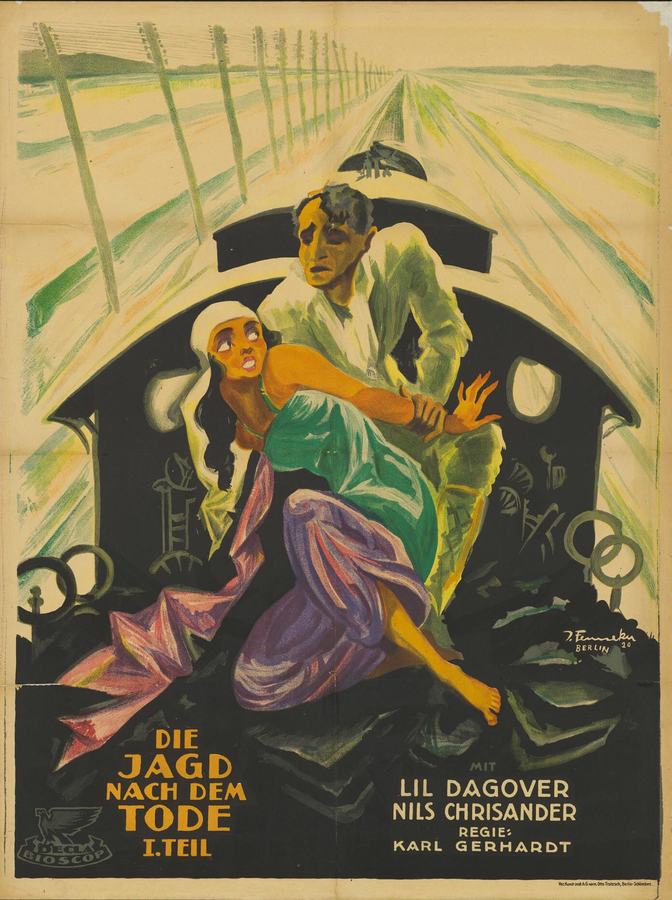
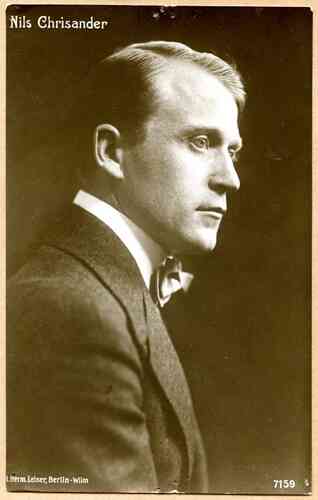
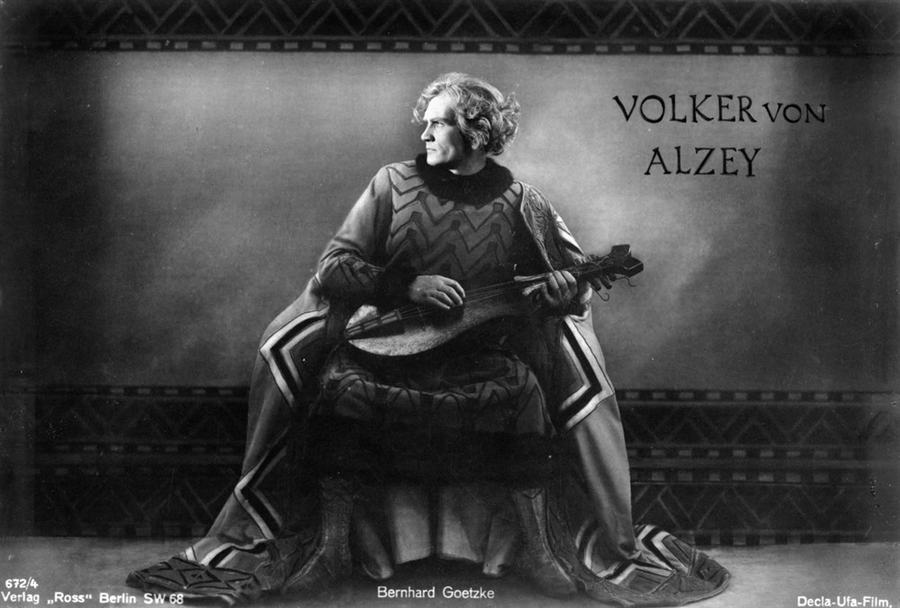
Berlin, winter 1920: cadavers vanish from the Charité morgue, a cabal of morphine-addicted surgeons harvests living hearts to pay off gambling debts, and a spectral monk—face painted chalk-white, rosary made of human teeth—glides through the fog like a gothic metronome counting down the last heartbeats of a city already hemorrhaging hope. Enter Dr. Alfons Rössler (Paul Rehkopf), coroner by day, cataleptic sleep-walker by night, who discovers his own autograph on the extraction-incisions of the stolen corpses; the handwriting, tremulous, belongs to his somnambulist alter-ego. Lil Dagover is Evelyn von Moltke, a war-widowed Countess whose consumptive daughter lies in a sanatorium financed by the secretive Society of the Crimson Cross—philanthropists on paper, body-snatchers in practice. Nils Olaf Chrisander’s Baron Kattowitz, a morphine-laced Mephistopheles in ermine, hosts opium soirées inside an abandoned zeppelin hangar where cinematographs project X-ray reels of still-beating hearts onto billowing silk. Bernhard Goetzke’s Inspector Krukenberg—stoic, Protestant, haunted by trench-phantoms—pursues the monk across expressionist rooftops only to find his own mirrored reflection inside the cowl. Ernst Deutsch plays the hunchbacked apothecary Rasch, whose pharmacy cellar houses a tank of glass, a perfused heart thumping like a trapped nightingale while Dorothea Thiele’s street-urchin Lix delivers black-market ether in coffee tins. Kurt Brenkendorf’s doomed poet Reimann writes verses in blood on his asylum wall: “Death is a huntsman, and love the fox that gnaws off its own paw to escape.” When the trail of missing organs snakes back to the Charité, Robert Wiene’s camera plunges into catacombs where cadavers hang on hooks like marionettes, their shadows forming a danse macabre that prefigures the surgical theatre itself. In the climax, Rössler, strapped to an operating table, must choose between harvesting Evelyn’s dying child’s heart to save his own soul, or severing the cycle by turning the scalpel on his doppelgänger. A single match-flare reveals the monk’s face: his own, but younger, pre-war, before the influenza of guilt hollowed the eyes. The film ends on a freeze-frame of that bifurcated visage—an iris shot that contracts to a single drop of blood crystallizing into ice, leaving the audience to decide whether the hunt for death concludes or merely begins anew.
Review Excerpt
"
Berlin after the Great War tasted of coal-smoke, iodine, and the coppery tang of thawing mortuary ice. Into this gullet of despair Wiene drops a cathedral-sized question: what if the grave itself is pick-pocketed by the very surgeons sworn to guard it?
The film’s prologue—an iris-in on a flickering street-lamp—announces its syntax of dread: every light-source will eventually gutter, every human aperture will dilate until identity evacuates. Rehkopf’s coroner shuffles through streets where pos..."