Die Sklavenhalter von Kansas-City Review: Bela Lugosi's Silent Era Mastery
In the feverish landscape of early 1920s German cinema, few artifacts capture the intersection of social anxiety and pulp sensationalism quite like Die Sklavenhalter von Kansas-City. This is not merely a relic of a bygone era; it is a visceral document of the Weimar Republic's fascination with the 'American mythos'—a...
The movie Die Sklavenhalter von Kansas-City was directed by Wolfgang Neff.
Die Sklavenhalter von Kansas-City was released in the year 1920.
Die Sklavenhalter von Kansas-City is a movie from Germany.
Die Sklavenhalter von Kansas-City is categorised as Drama in the cult cinema archive at Dbcult.
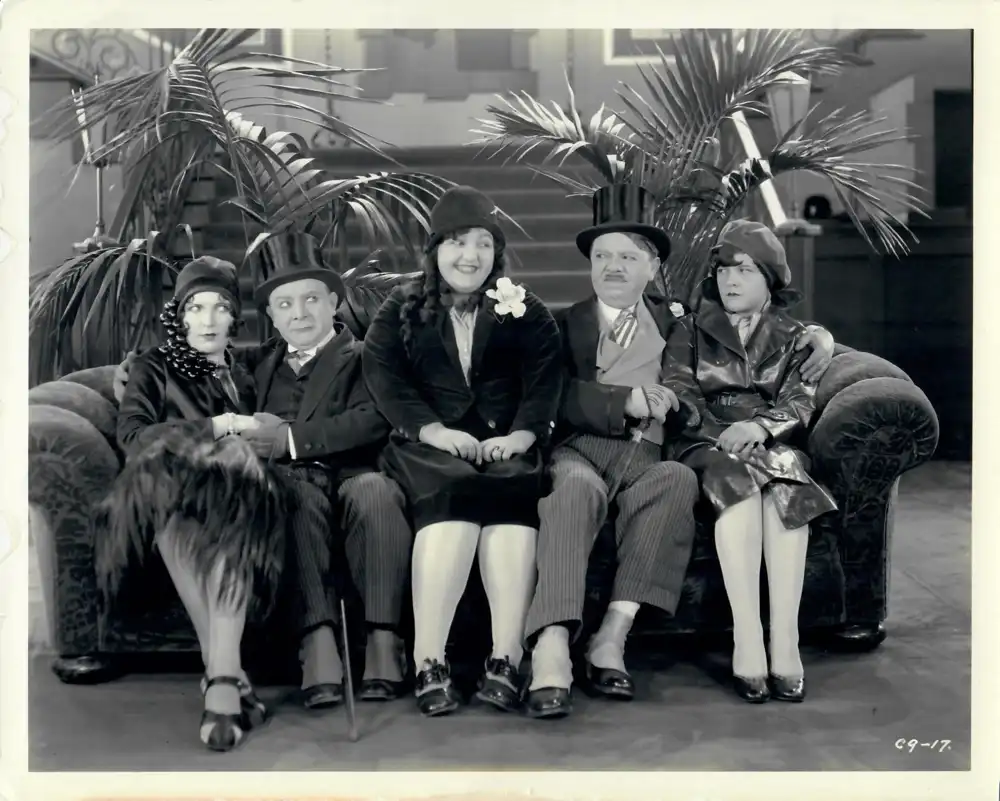
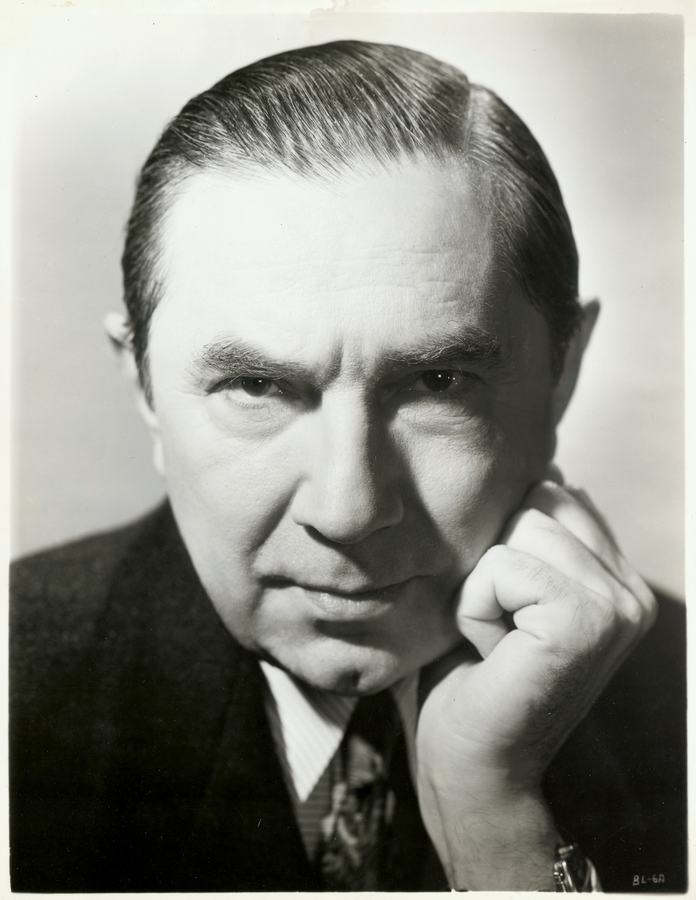
Die Sklavenhalter von Kansas-City features Marte Stern, Grete Weixler, Ludwig Rex, Bela Lugosi.
The screenplay for Die Sklavenhalter von Kansas-City was written by Jane Bess.
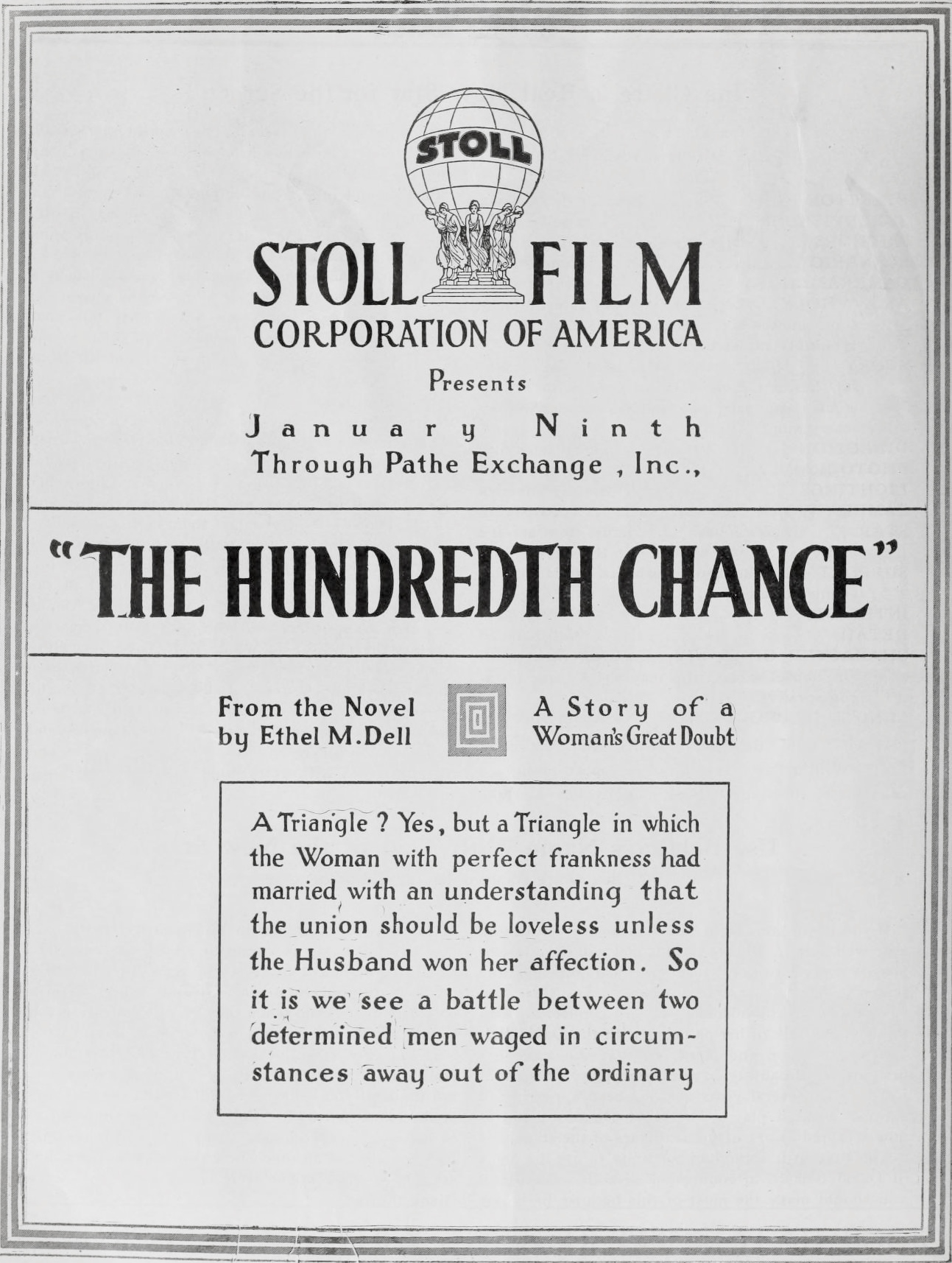
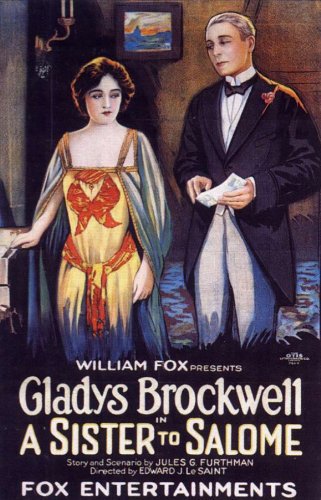
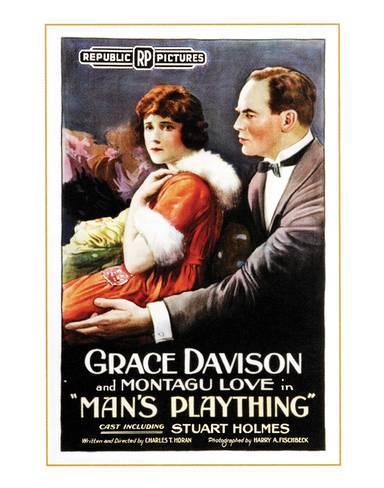
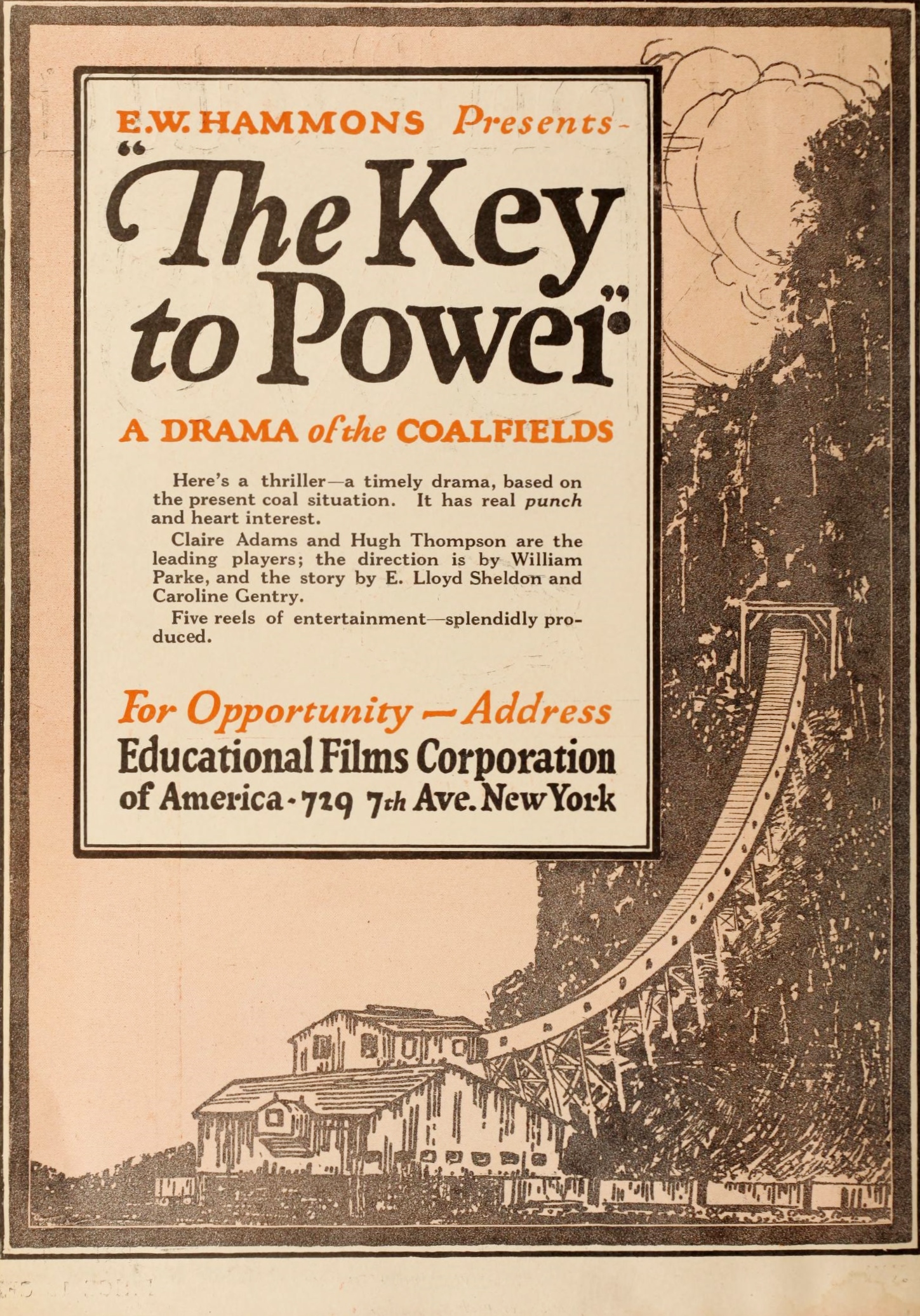
If you enjoy Die Sklavenhalter von Kansas-City, you might also like The Hundredth Chance (1920), A Sister to Salome (1920), Man's Plaything (1920), The Key to Power (1920).
Yes, Die Sklavenhalter von Kansas-City (1920) is featured in the Dbcult archive as a curated cult cinema title, known for its Drama qualities.
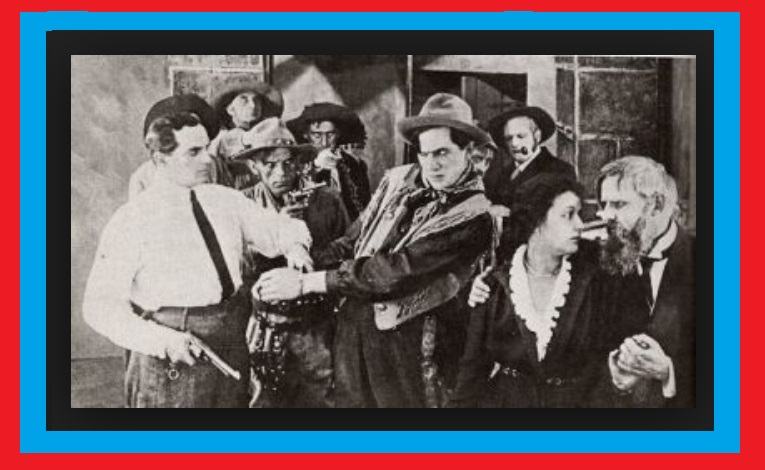
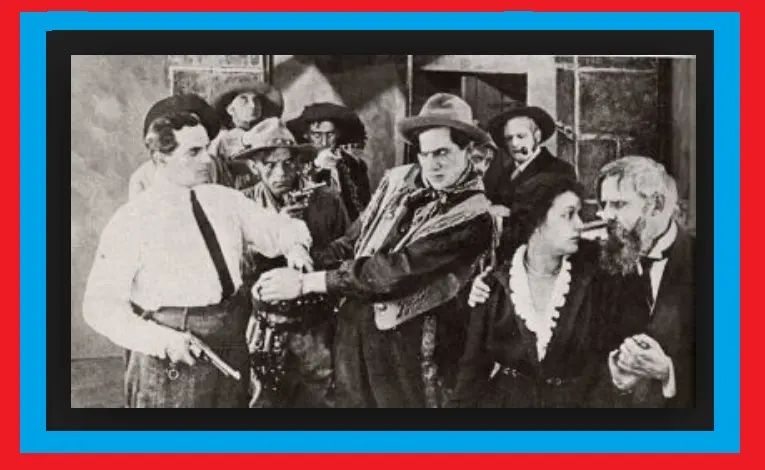
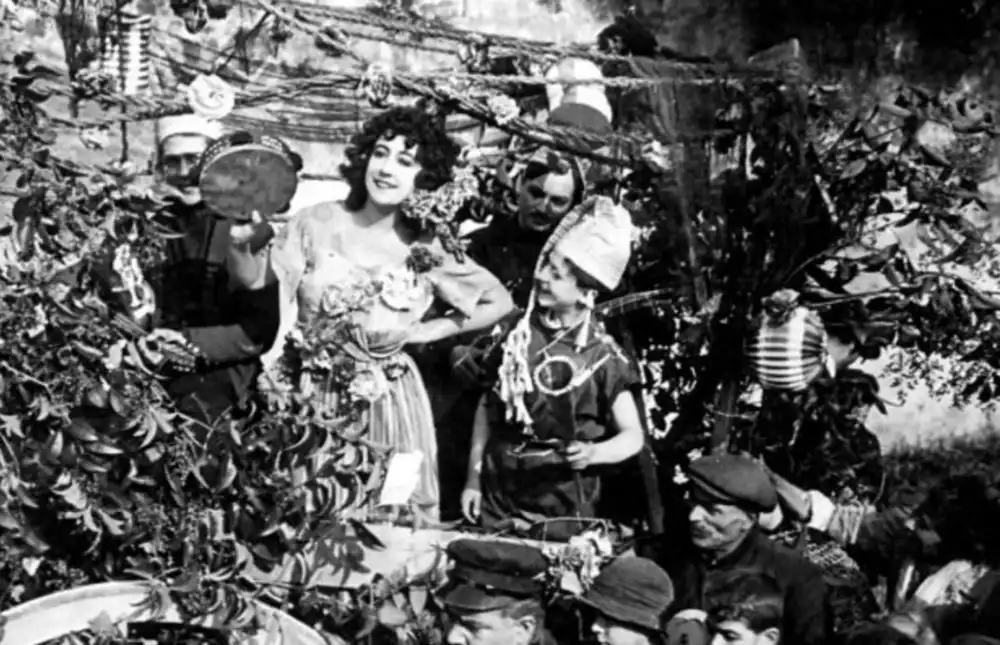
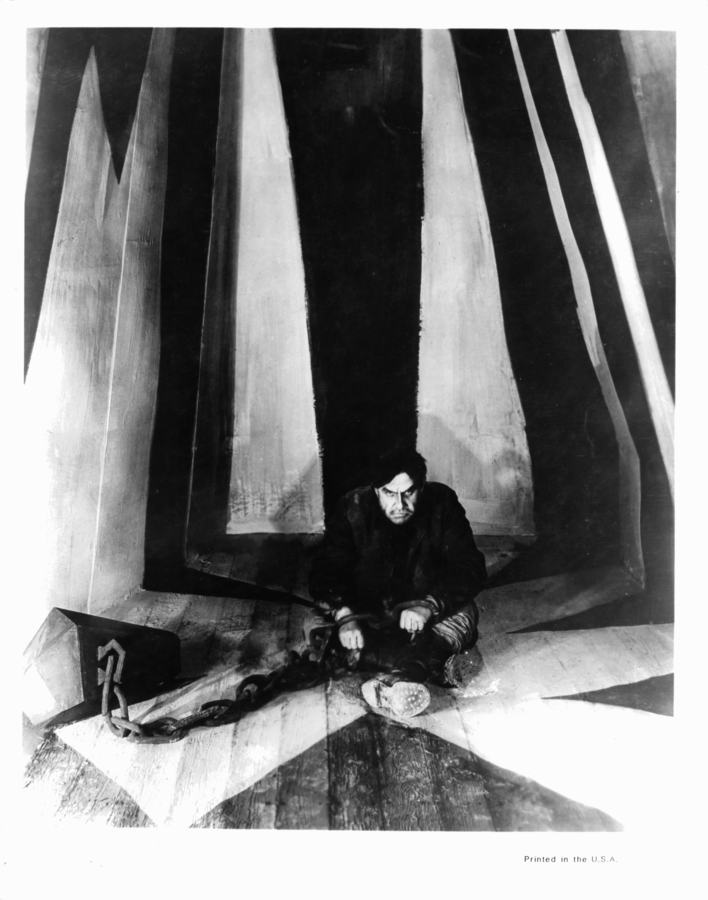
Set against a phantasmagorical interpretation of the American Midwest as envisioned by Weimar-era sensibilities, the narrative unfolds as a harrowing descent into the predatory mechanisms of human trafficking. The plot centers on a vulnerable protagonist, portrayed by Grete Weixler, who finds herself ensnared by a sophisticated syndicate operating out of the shadows of a fictionalized Kansas City. Bela Lugosi, in one of his formative European roles, exudes a proto-villainous magnetism as a key figure within this nefarious hierarchy. The screenplay, penned by Jane Bess, eschews simple moralizing for a gritty exploration of urban exploitation, where the 'slaveholders' are not merely criminals but manifestations of a systemic rot. As the protagonist navigates a labyrinth of clandestine auctions and high-stakes peril, the film utilizes the era’s penchant for shadow and light to illustrate the psychological fractures of its characters, ultimately culminating in a desperate bid for liberation that challenges the social hierarchies of the early 20th-century urban frontier.
Review Excerpt
"
In the feverish landscape of early 1920s German cinema, few artifacts capture the intersection of social anxiety and pulp sensationalism quite like Die Sklavenhalter von Kansas-City. This is not merely a relic of a bygone era; it is a visceral document of the Weimar Republic's fascination with the 'American mythos'—a mythos constructed from equal parts admiration and existential dread. Before he became the definitive count of darkness, Bela Lugosi (then appearing as Arisztid Olt or under his o..."