Summary
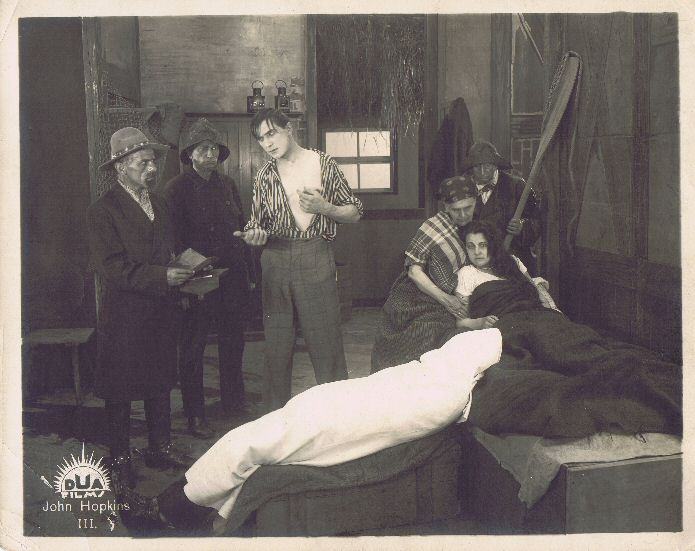
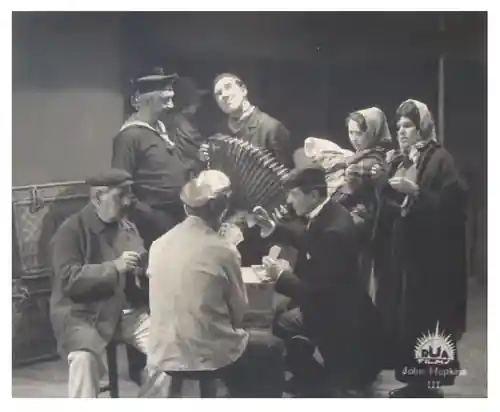
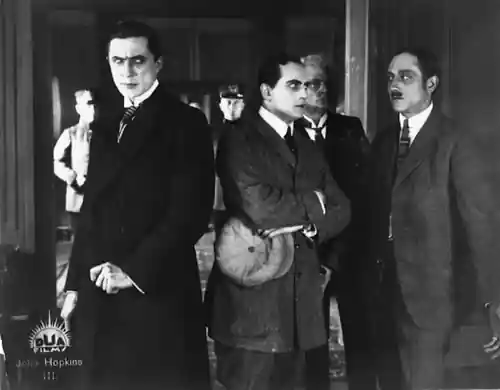
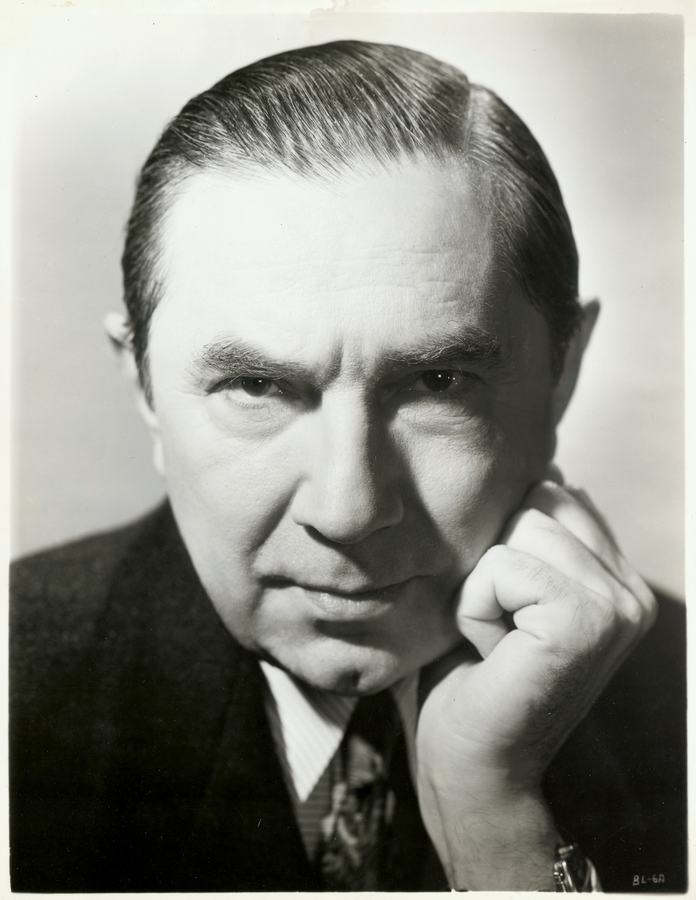
A ghost-train of celluloid hurtles through Weimar’s dying carnival: in Apachenrache, 3. Teil – Die verschchwundene Million, the phantom of a vanished fortune—ten million paper marks that once glittered like fallen stars—becomes the grail for a Berlin underworld stitched together by morphine, tango, and the stench of cheap petrol. Preben J. Rist’s gaunt daredevil, half gigolo, half grief-stricken war relic, prowls the Spree’s fog-slick barges while Sybill de Brée’s cabaret sphinx trades kisses for secrets, her cigarette tips flaring like semaphore from a sinking ship. Around them, Fritz Falkenberg’s monocled fence and Harry Frank’s ex-boxer turned anarchist courier orbit the loot inside a spectral safe-deposit whose combination was burned onto the retina of a bank clerk now locked inside an asylum that looks suspiciously like an emptied opera house. Jane Bess’s screenplay folds time like a paper theatre: Expressionist silhouettes lunge across moonlit rooftops, then dissolve into documentary shots of wheelbarrows of banknotes at a bakery queue. Curt Cappi’s police prefect—equal parts Mabuse and weary accountant—chases footprints that fade into match-cut superimpositions of Lya Sellin’s murdered dancer pirouetting forever in a newsreel that nobody can stop projecting. The film’s central conceit is that money itself has absconded, leaving only the echo of its absence; every close-up of an empty briefcase snaps like a slap. Bela Lugosi appears for exactly four minutes as a blind fortune-teller who caresses the faces of pursuers and pronounces: „Das Geld ist schon fort, aber die Schuld bleibt stehen.“ The final reel combusts inside an abandoned film studio where the characters discover they are merely reflections on silver stock, their gunshots punching holes through the very fabric of the image until the screen blooms white—an apocalypse of over-exposure that anticipates every meta-thriller made since.
Review Excerpt
"
The first time I saw Apachenrache, 3. Teil – Die verschwundene Million it was a 16 mm print spliced with Scotch tape and cigarette burns, projected in a squatted bakery on Dresdner Straße while winter gnawed the rafters. The bulb coughed amber, the pianist played a broken waltz, and yet that phantom million still scorched the retina like a magnesium flare. Ninety-nine years after its blink-and-you-missed-it premiere, the film remains a rumor wearing a tuxedo: part heist, part séance, part indi..."