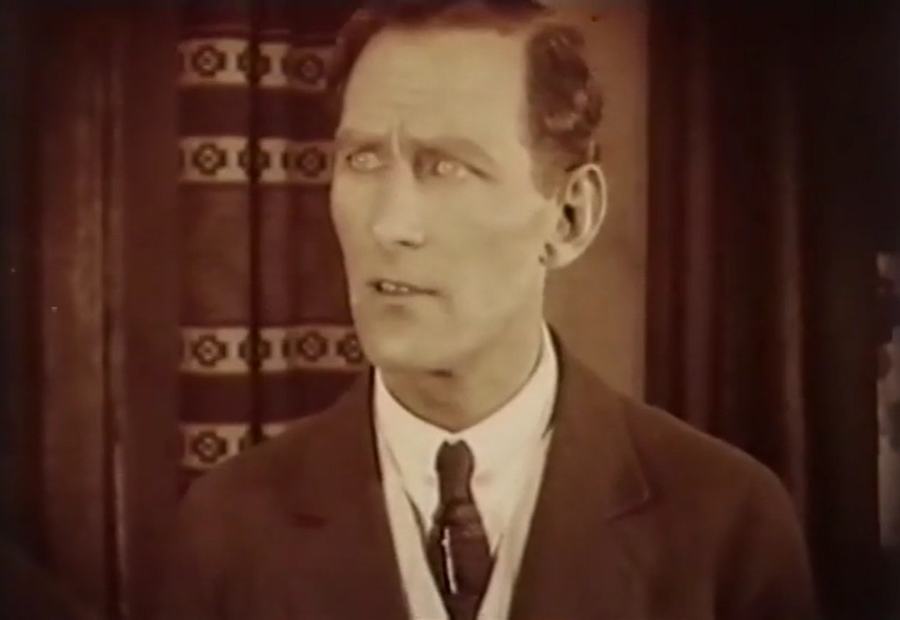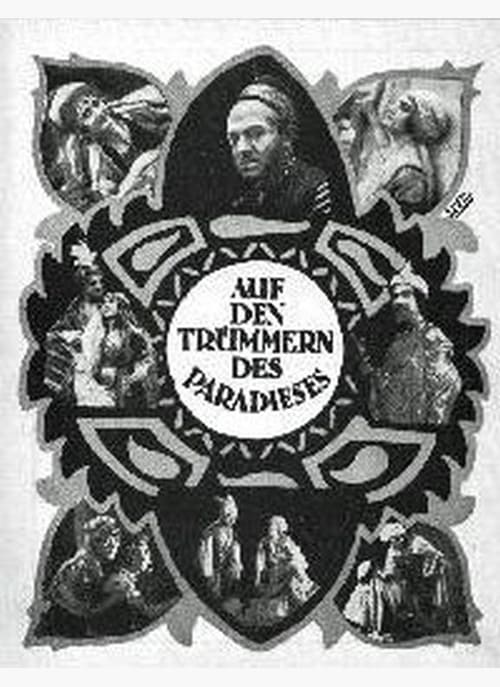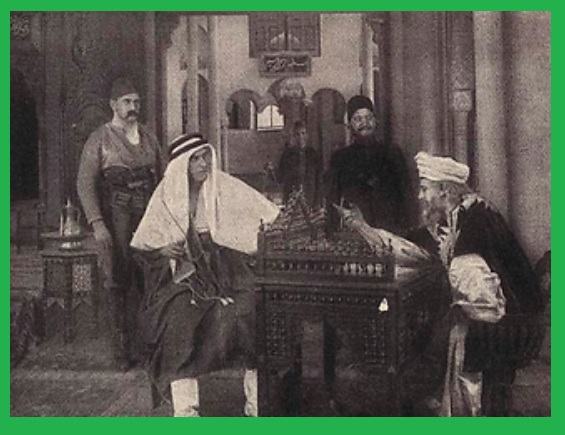
A reel unfurls like singed parchment: Die Teufelsanbeter is less a story than a contagion—German Expressionism’s spores colonizing the lungs of every viewer naive enough to inhale. Forget the tidy triptych of act-structure; here narrative is a skewed triptych of hysteria, heresy, and hallucination, bolted together with...
still_frame
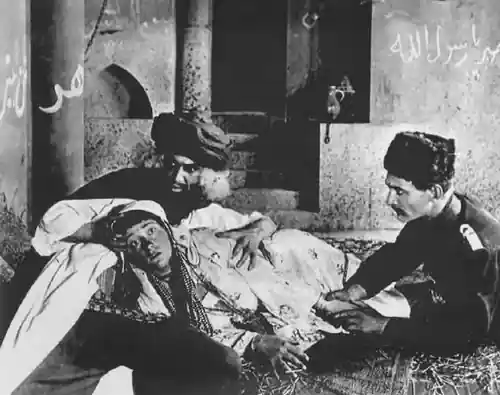
still_frame
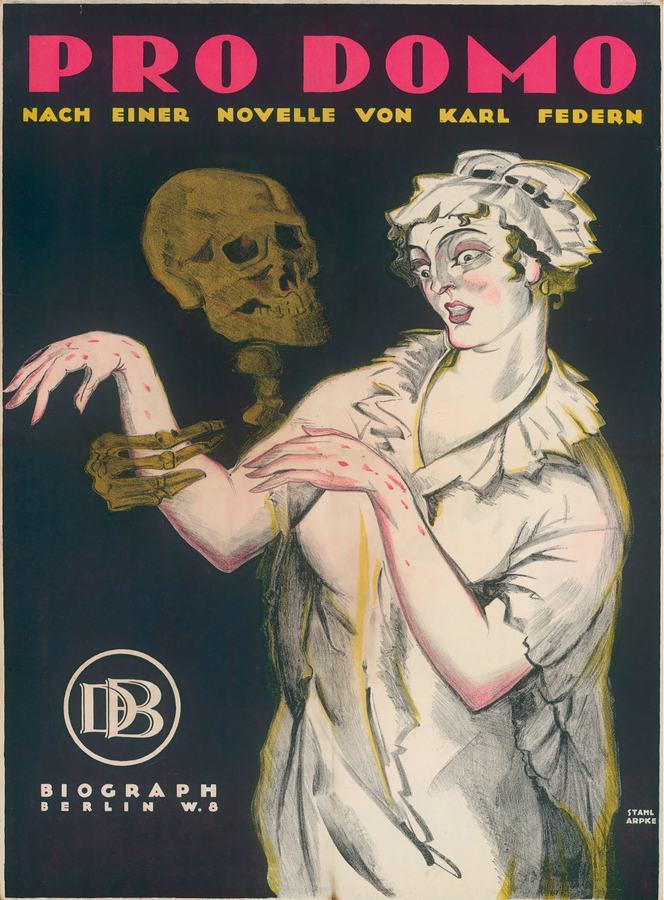
Comparing the cinematic DNA and archive impact of two defining moments in cult history.
Marie Luise Droop
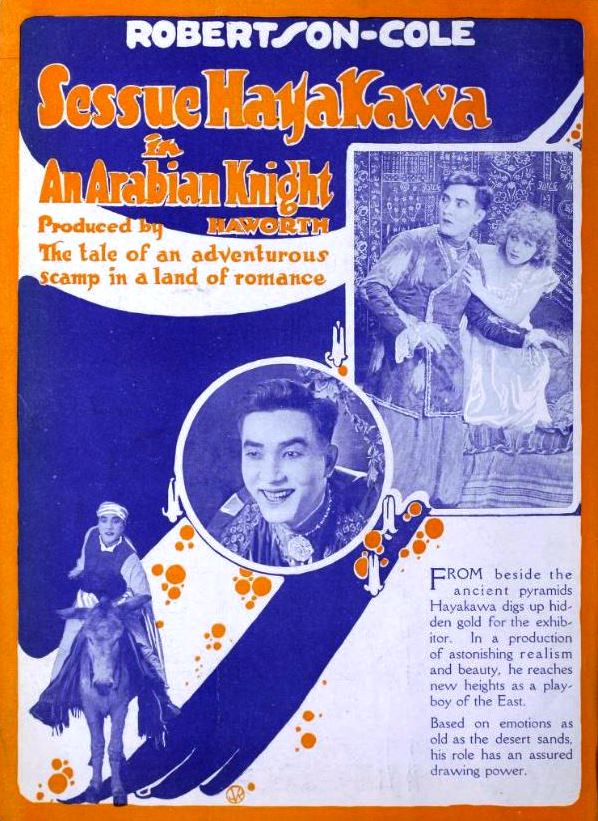
Charles Swickard
Community
Log in to comment.
"A reel unfurls like singed parchment: Die Teufelsanbeter is less a story than a contagion—German Expressionism’s spores colonizing the lungs of every viewer naive enough to inhale. Forget the tidy triptych of act-structure; here narrative is a skewed triptych of hysteria, heresy, and hallucination, bolted together with iron nails pried from a burnt cathedral. Meinhart Maur’s Count Orrik—note the k, a linguistic stutter suggesting both oracle and erratic—haunts the frame with cheekbones sharp eno..."
Fred Immler
Marie Luise Droop, Karl May
Germany
1920 · IMDb 5.5
Charles Swickard
Deep dive into the cult classic
Discover similar cinematic experiences
A Directorial Spotlight on Marie Luise Droop