DbcultAccessing Vault...
Cult Review
Senior Film Conservator
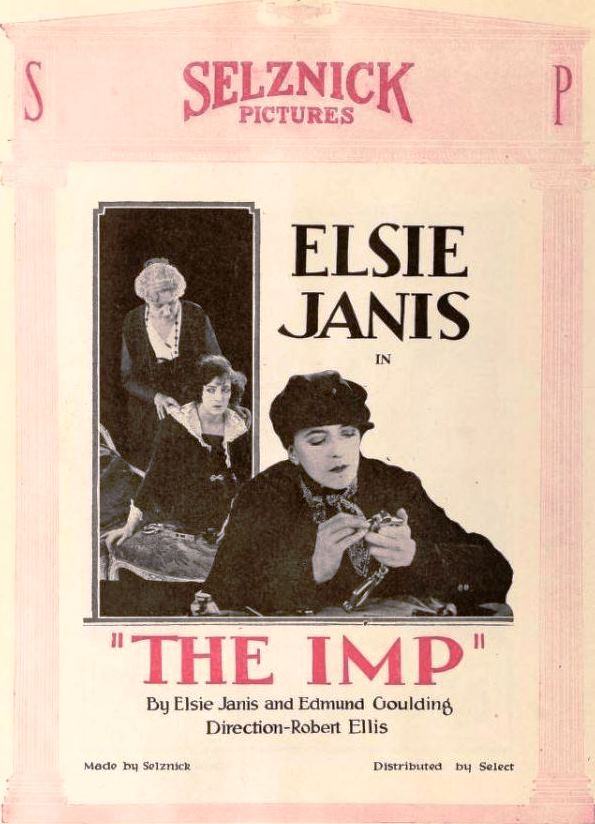
In the nascent years of cinematic storytelling, when the medium was still finding its voice beyond mere spectacle, certain films dared to delve into the intricate complexities of the human mind. 'The Imp,' a 1919 offering, stands as a fascinating artifact from this era, a narrative that not only entertained but also prodded at the burgeoning understanding of psychology and identity. Penned by the remarkable Elsie Janis and Edmund Goulding, and starring Janis herself alongside the charismatic Ricardo Cortez, this film presents a captivating, albeit morally ambiguous, journey into delusion, desire, and an unconventional path to recovery. It’s a testament to the era's adventurous spirit, unafraid to tackle themes that even today spark debate and introspection.
Our protagonist, Jane Morgan, portrayed with compelling vivacity by Elsie Janis, is introduced not as a blank slate, but as a young woman with a peculiar, almost subversive, fascination. She harbors a distinct admiration for the notorious pickpocket, Annie Adams, an interest that hints at an underlying restlessness, a yearning perhaps for a life less constrained by societal norms. This seemingly innocuous intellectual curiosity takes a dramatic, irreversible turn when a freak accident – a golf ball striking her head – plunges her into a coma. The awakening, however, is not a return to her former self. Instead, Jane emerges convinced she is Annie Adams, a complete psychological transmogrification that speaks volumes about the fragility of identity and the mind's capacity for intricate self-deception. This pivotal incident immediately sets a tone of psychological drama, reminiscent of the altered realities explored in tales like Alice in Wonderland, though with a decidedly more adult and criminal bent.
Embodying her new persona, Jane, now Annie, plunges headlong into a life of crime. The film depicts her audacious transformation with a blend of dramatic flair and an almost comedic audacity, particularly when she, disguised as a man, attempts to rob a bank. This act of cross-dressing and brazen criminality underscores the complete break from her former self, highlighting the depth of her delusion. Her father's considerable influence, however, spares her from the full consequences of her actions, leading to the involvement of Dr. Gregory, a specialist played with a compelling blend of intellect and intrigue by Ricardo Cortez. Dr. Gregory's recommendation, much to the dismay and bewilderment of Jane’s conventional parents, is radical for its time: complete freedom of movement. This unorthodox approach challenges the prevailing psychiatric norms, suggesting a belief in experiential therapy over confinement, a concept that would have undoubtedly raised eyebrows among contemporary audiences. It's a bold move that sets the stage for the film's most intriguing developments, echoing the challenging of societal norms seen in films like The Unchastened Woman, though through a lens of mental health.
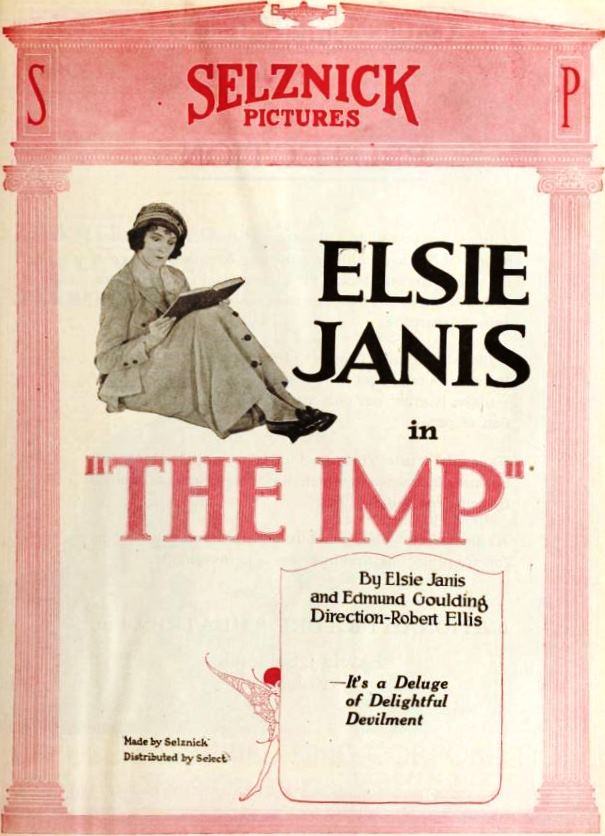
Dr. Gregory’s methods prove to be far from passive. He dons a disguise, transforming into 'The Leopard,' a mysterious figure whose self-proclaimed creed of 'relieving the public of its superfluous wealth' aligns remarkably with Jane’s adopted criminal ideology. This ingenious, albeit ethically dubious, therapeutic strategy immerses Jane deeper into her chosen reality, but under controlled, manipulative circumstances. The Leopard becomes a catalyst, a mirror reflecting Jane’s desires while subtly guiding her narrative. This narrative choice is particularly fascinating, positioning the therapist not merely as an observer but as an active participant, blurring the lines between healer and accomplice. The theatricality of Gregory’s approach, his willingness to engage in elaborate charades, speaks volumes about the early cinematic exploration of psychological manipulation and the lengths to which one might go for a 'cure.' The performances by Arthur Marion, John Sutherland, Edith Forrest, Joe King, Ethel Stewart, E.J. Ratcliffe, William Frederic, Joseph Granby, Duncan Penwarden, and Jack Ridgeway, though often in supporting roles, contribute to the vibrant backdrop against which this central drama unfolds, adding texture to the world of Jane and Gregory. Elsie Janis, as both writer and lead, undoubtedly infused her character with a depth born of intimate understanding.
The dynamic between Jane and The Leopard reaches a critical juncture in the bustling, clandestine atmosphere of a Chinatown den. It's amidst some rough-housing, a moment of uninhibited physical interaction, that Jane’s true sex is revealed to The Leopard. This revelation is a pivotal turning point, shattering the illusion of her male disguise and forcing a confrontation with her genuine identity, even if she still believes herself to be Annie. More profoundly, this moment ignites an unexpected romantic spark between them. The transition from a professional, albeit manipulative, therapeutic relationship to a passionate romantic one adds another layer of complexity to the film. It suggests that perhaps the 'cure' for Jane's delusion isn't solely about restoring her original identity, but also about finding genuine connection and love within her altered state. This surprising development adds a romantic comedy element to the psychological drama, making the film's genre difficult to pin down and all the more intriguing. The intertwining of deception and affection, a theme sometimes explored in films like El beso de la muerte, finds a unique expression here.
The climax of Dr. Gregory’s audacious therapy arrives with a meticulously staged robbery of Jane’s parents’ safe, an act that blurs the ethical boundaries even further. The theatricality escalates when The Leopard appears to shoot the intruding butler, a moment of profound shock designed to push Jane to her psychological breaking point. Jane’s reaction – fainting, consumed by the terrifying thought that her love might be electrocuted – is the intended, cathartic release. This carefully orchestrated trauma is the ultimate gamble in Gregory’s treatment plan, a high-stakes psychological intervention. The film asks us to consider the morality of such extreme measures, even if their intent is benevolent. Can the end truly justify such manipulative means? This question resonates with the moral ambiguities found in films like The Curse of Greed or Satanas, where characters navigate treacherous ethical landscapes.
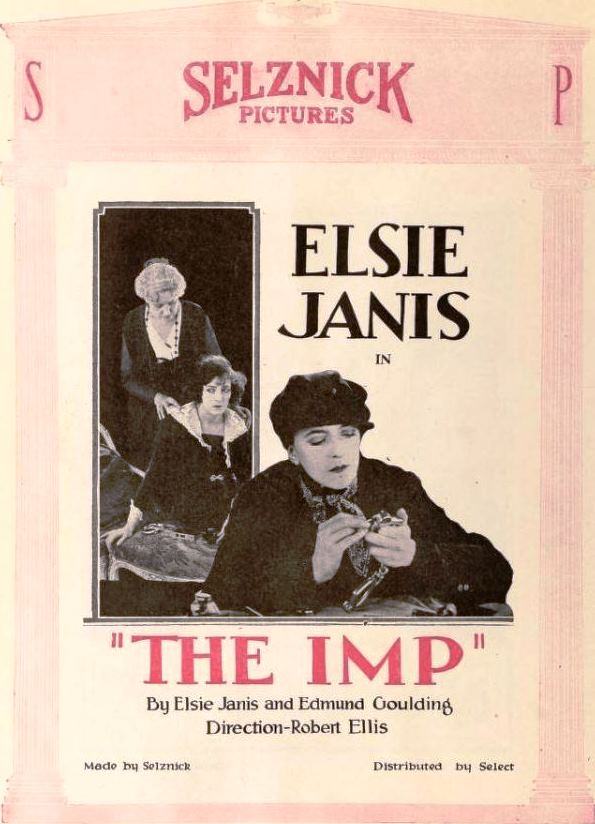
When Jane awakens, the fog of delusion has finally lifted. The shock of the staged shooting, combined with her intense emotional distress, has jolted her back to her true self. She learns that the entire sequence, including the butler's 'shooting,' was an elaborate act designed solely to shock her back to health. The film’s resolution, with Jane and Gregory marrying, is both triumphant and unsettling. It signifies the success of Gregory’s unorthodox methods, but it also leaves the viewer pondering the nature of their relationship. Is it built on genuine love, or on the lingering echoes of a deeply manipulative therapeutic process? The film concludes on a note of romantic fulfillment, yet the journey there is paved with ethical complexities that make 'The Imp' a far more nuanced film than a simple romantic comedy. It leaves a lasting impression, not just for its plot, but for its bold exploration of identity, deception, and the blurred lines between sanity and madness, therapy and manipulation. It’s a compelling piece of early cinema that continues to provoke thought on the human condition and the lengths we go to define and redefine ourselves, and indeed, each other.
'The Imp' represents a fascinating, almost proto-psychological thriller in an era when such genre distinctions were still nebulous. Elsie Janis, not only as the star but as one of the writers, demonstrates a remarkable foresight in crafting a narrative that delves into the internal world of its protagonist with such depth. Her performance as Jane/Annie is a masterclass in portraying duality, shifting seamlessly between the demure socialite and the audacious criminal. Ricardo Cortez matches her intensity, embodying Dr. Gregory with an enigmatic charm that keeps the audience guessing about his true intentions throughout. The film’s audacity in presenting a therapist who actively engages in deception and manipulation for a 'cure' is particularly striking. It anticipates later cinematic explorations of controversial therapeutic practices and the ethical dilemmas inherent in psychological intervention. One could draw parallels to the complex moral landscapes of films like A Fatal Lie or The Right Direction, where characters grapple with choices that have far-reaching, often morally ambiguous, consequences.
The film's exploration of identity is particularly poignant. Jane's transformation into Annie Adams is more than a simple case of mistaken identity; it's a complete psychological takeover, a vivid portrayal of how external events can shatter and reform one's sense of self. This theme resonates even today, reminding us of the fluid nature of identity and the powerful influence of trauma. The use of disguise, both Jane's cross-dressing and Gregory's 'Leopard' persona, further emphasizes this theme, suggesting that identity can be a performance, a costume donned for various purposes, whether for criminal enterprise or therapeutic intervention. The film's setting, from the opulent Morgan estate to the shadowy Chinatown den, provides a rich visual tapestry that enhances the narrative's dramatic shifts. The contrast between Jane's privileged background and her adopted criminal life highlights the societal critique embedded within the story, questioning the superficiality of wealth and the allure of transgression. While not explicitly a social commentary, the undercurrents are undeniable, offering a glimpse into the societal anxieties of the time.
'The Imp' is not merely a historical curiosity; it’s a daring experiment in narrative construction and character development. The writers, Elsie Janis and Edmund Goulding, craft a story that keeps the audience engaged through its twists and turns, consistently challenging expectations. The pacing, for a film of its era, feels remarkably modern, propelling the plot forward with a sense of urgency. The emotional arc of Jane Morgan, from her initial fascination to her complete delusion, through her romantic entanglement, and finally to her recovery, is handled with considerable skill. The supporting cast, including Arthur Marion as her father, Edith Forrest as her mother, and the various denizens of the criminal underworld, provide a robust framework for the central drama. Their reactions to Jane’s bizarre behavior ground the fantastical elements of the plot in a relatable reality, emphasizing the bewilderment and concern of those around her. The narrative, while focused on Jane, also subtly critiques the societal pressures and expectations placed upon women of her standing, which might have contributed to her initial interest in a life of rebellion. The film hints at a desire for agency and excitement beyond the gilded cage of her upbringing, a theme explored in other early films like Méltóságos rab asszony, which often depicted women struggling against restrictive roles.
The film's ending, where Jane and Gregory marry, is a particularly intriguing point for discussion. It suggests a form of 'happily ever after,' yet it’s one built on a foundation of elaborate deception. Does Jane truly forgive Gregory for his manipulative tactics, or does her love for him override any ethical concerns? The film leaves this open to interpretation, inviting viewers to ponder the nature of love, trust, and recovery. In a way, it challenges the simplistic notions of good and evil, painting its protagonists in shades of grey. Gregory, despite his questionable methods, ultimately achieves his goal of restoring Jane's sanity, but at what cost to conventional morality? This ambiguity is one of the film's greatest strengths, allowing it to transcend its era and offer relevant questions about human relationships and psychological intervention. It stands as a compelling example of early cinema's capacity for complex storytelling, proving that even a century ago, filmmakers were unafraid to tackle the intricate, often unsettling, landscape of the human psyche. The film certainly leaves an indelible mark, prompting reflection on the boundaries of therapy and the transformative power of both deception and genuine connection.
IMDb —
1935
Community
Log in to comment.