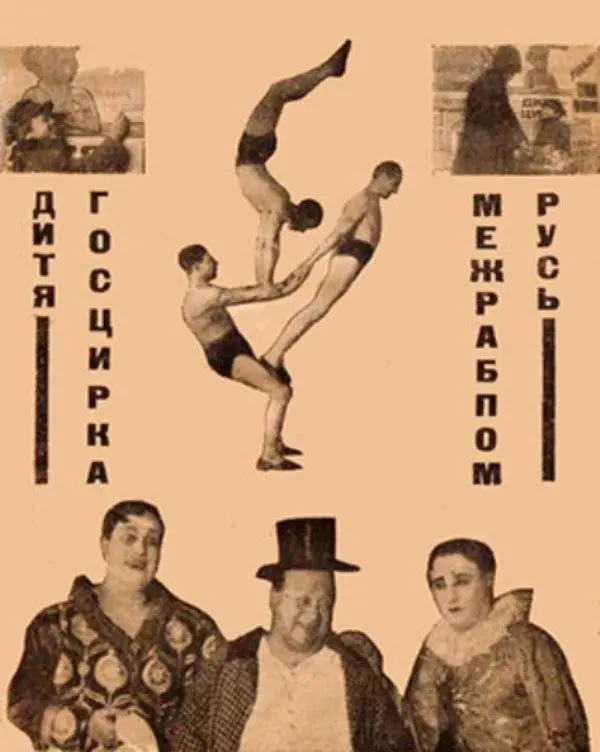
Short answer: yes, but only if you view it as a historical artifact rather than a Friday night popcorn flick. This film is essential for students of Soviet history and silent-era completists, but it will likely frustrate those who require a fast-paced, character-driven narrative.Ditya gostsirka is a film that values th...
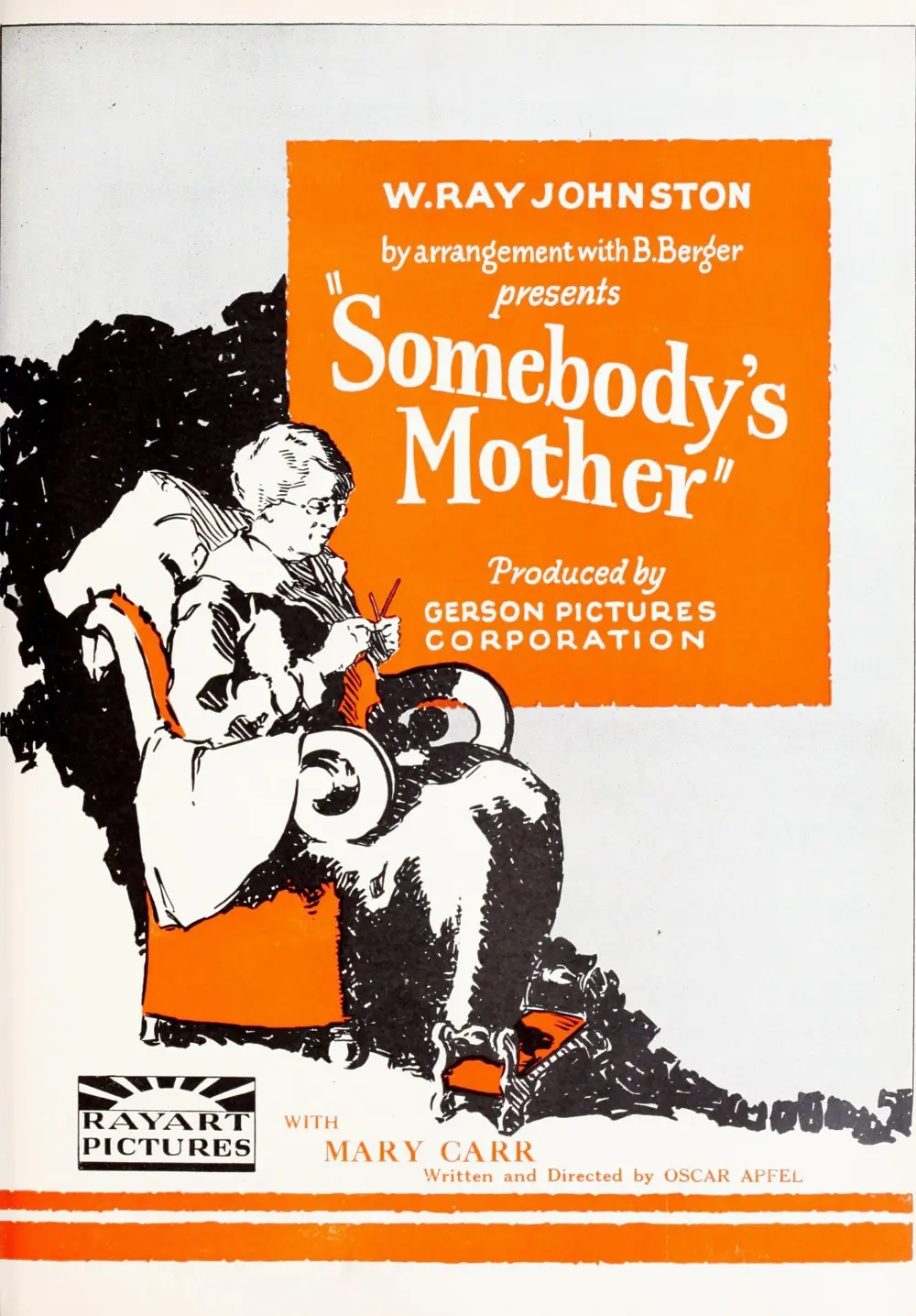
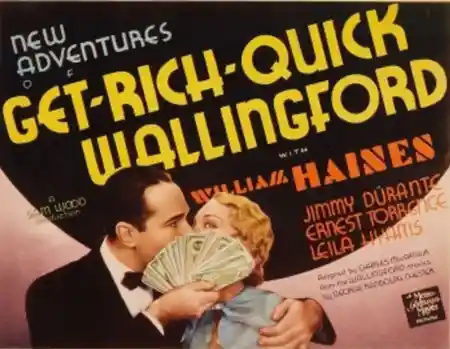
Comparing the cinematic DNA and archive impact of two defining moments in cult history.
Leonid Baratov
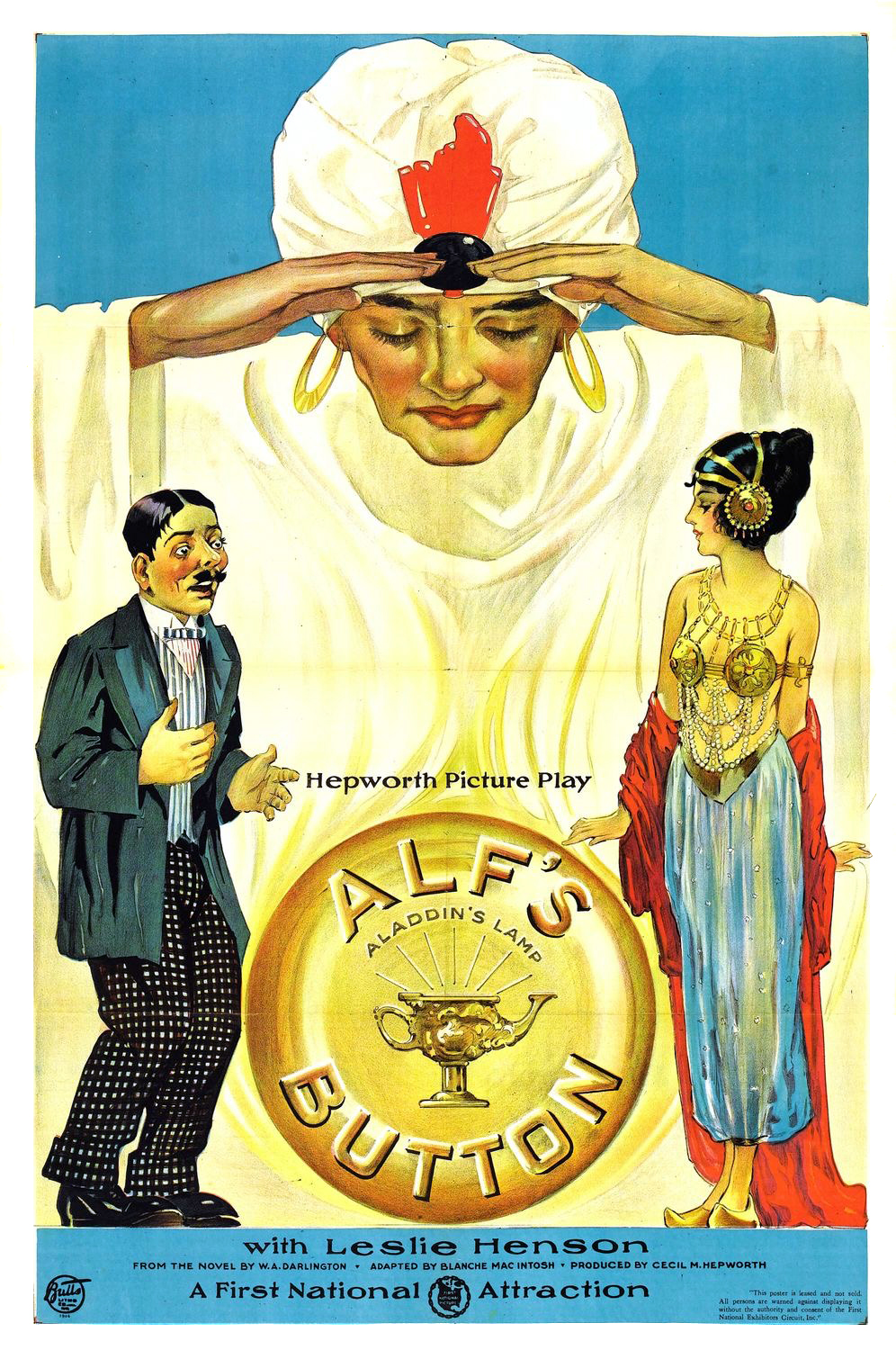
Cecil M. Hepworth
Community
Log in to comment.
"Short answer: yes, but only if you view it as a historical artifact rather than a Friday night popcorn flick. This film is essential for students of Soviet history and silent-era completists, but it will likely frustrate those who require a fast-paced, character-driven narrative.Ditya gostsirka is a film that values the collective over the individual. If you are looking for the sweeping romanticism found in The Four Horsemen of the Apocalypse, you will be disappointed. This is cinema as a social..."
Nikolai Verkhovsky
A. Goldman, Olga Blazhevich
Soviet Union