Summary
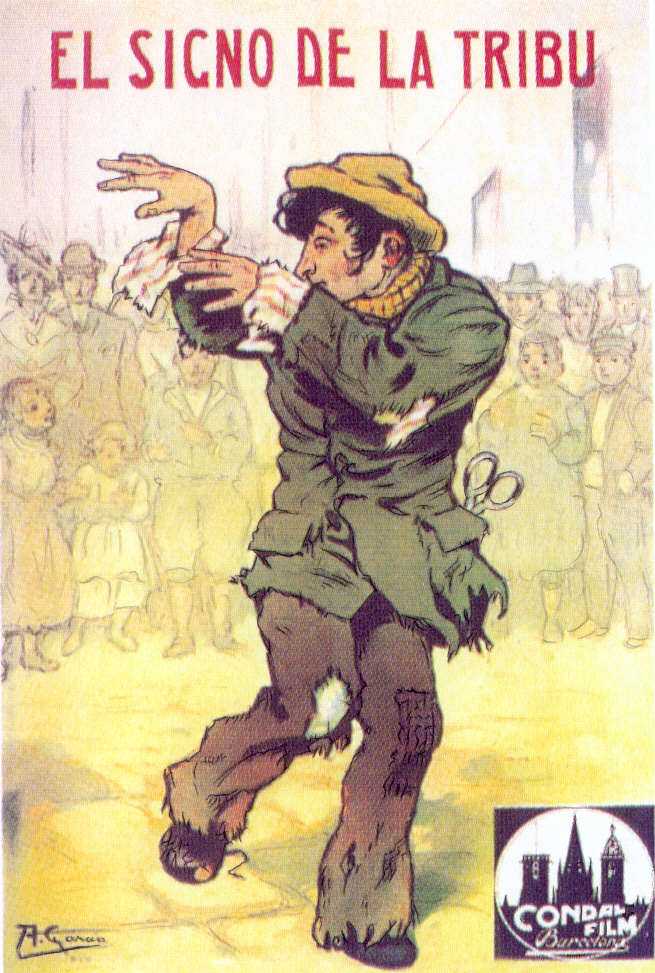
A crimson-shrouded allegory of bloodlines and betrayal unfurls in rural Castilla where Gerardo Peña’s patriarch, half-buried in ancestral shame, clutches a rusted key that unlocks not only a crumbling manor but a genealogy of monsters; Vina de Velázquez drifts through candle-lit corridors like a ghost who has memorised every crime, her mute glances more articulate than the frayed ledgers the men brandish; Héctor Quintanilla’s bastard son arrives on a rain-lashed night clutching a battered violin, its strings tuned to the same frequency as the house’s groaning rafters, and each note he plays peels back a century of sealed wills, illegitimate births, and dagger-buried secrets; Miguel Mas, the local friar, keeps a ledger inked with the same crimson as the family crest, sanctifying incestuous unions while the villagers, faces half-shadowed by torchlight, perform a carnivalesque danse macabre around a bonfire of portraits; Emilio Armengol’s notary, trembling like a leaf in sulphuric wind, reads the final testament while Carmen Villasán’s maidservant, eyes aglow with wolfish hunger, swaps the infant heirs in a basket woven from dried umbilical cords; Emilio Moreno’s doctor dissects a still-beating heart beneath the full moon, whispering that every artery spells the family name in Morse of spurts; José Reiguera’s groundskeeper plants oleander seeds atop unmarked graves, cultivating a garden that will later bloom into a poisoned genealogical tree; when the last reel burns, the tribe’s sign is revealed not as heraldic emblem but as a self-inflicted wound, a stigmata that pulses in the viewer’s retina long after the screen has gone dark.
Review Excerpt
"
The first image that sears itself into the retina is a slow tilt across a threshing floor soaked with ox blood, the camera gliding like a coroner’s scalpel until it finds Gerardo Peña’s face half-submerged in the viscous puddle, eyes wide open yet already milky with ancestral guilt. This is not merely an opening shot; it is a proclamation of method. Director J. Parera, working from a script that reads like a hymnal of curses, refuses the viewer any safe distance. We are baptised in gore and com..."