DbcultAccessing Vault...
Cult Review
Senior Film Conservator
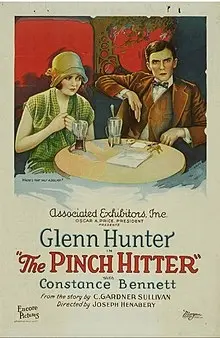
Is The Pinch Hitter (1925) a forgotten gem or a relic best left in the archives? Short answer: For silent film aficionados and those seeking a heartwarming, albeit simplistic, underdog narrative, absolutely. But if you demand complex character arcs or modern pacing, it might test your patience, feeling more like a historical curiosity than a gripping drama.
This film carves out a niche for viewers who appreciate the earnest storytelling of early cinema, particularly those drawn to themes of perseverance and unexpected triumph. It’s for anyone who enjoys seeing a protagonist overcome adversity through sheer, understated grit. Conversely, it is decidedly not for audiences accustomed to the rapid-fire editing, intricate subplots, or psychological depth that contemporary cinema often provides.
This film works because of its sincere, unpretentious portrayal of a societal outcast finding his footing through a single, defining moment. George Cline’s performance anchors the narrative with a quiet vulnerability that is genuinely affecting.
This film fails because its predictability can border on the formulaic, offering few surprises beyond the central character’s inevitable triumph. The supporting cast, while competent, rarely transcends archetypes.
You should watch it if you cherish the foundational narratives of American cinema, enjoy sports dramas where the human element outweighs spectacle, or simply wish to experience a charming piece of 1920s storytelling.
Stepping into The Pinch Hitter (1925) is like opening a time capsule to a particular strain of early American storytelling: the humble, earnest, and ultimately uplifting tale of the underdog. Directed by C. Gardner Sullivan, this silent film doesn’t aim for grandiosity or profound philosophical statements. Instead, it meticulously crafts a narrative around Joel Martin, a character whose initial portrayal as a shy, financially constrained college student evokes immediate, if somewhat generalized, sympathy.
The film leans heavily on the audience's inherent desire to see the downtrodden rise. It presents a world where social standing is cruelly determined by surface-level perceptions – Joel’s perceived 'tightwad' status and his diffident demeanor make him an easy target for the college's more boisterous, less empathetic upperclassmen. This setup, while archetypal, remains effective precisely because it taps into universal feelings of alienation and the longing for acceptance.
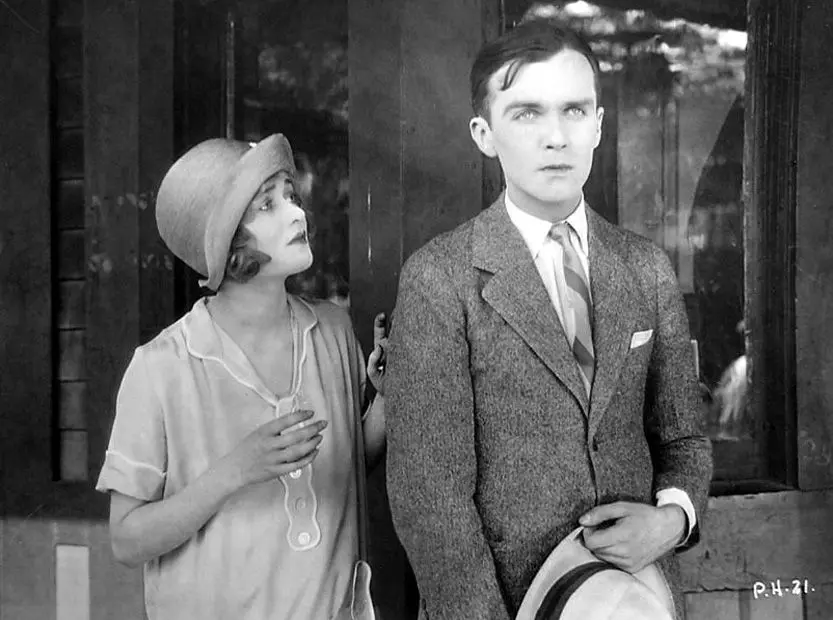
What makes this particular rendition stand out, even amidst a sea of similar narratives from the era, is its quiet confidence. It doesn't scream for attention; it simply presents its story with a straightforward charm that, for the patient viewer, can be surprisingly rewarding. The film understands the power of a single, defining moment to reshape an entire identity, and it builds towards that moment with a deliberate, almost methodical pace.
The plot of The Pinch Hitter is, by modern standards, remarkably linear and uncomplicated. Joel Martin arrives at college, endures ridicule, finds a love interest in Abby Nettleton who believes in him, tries out for baseball, and ultimately delivers the game-winning hit. There are no intricate subplots, no morally ambiguous characters, and certainly no shocking twists. This simplicity, however, is a double-edged sword.
On one hand, it allows the film to focus intensely on Joel’s emotional journey. Every scene, every interaction, is designed to either highlight his isolation or foreshadow his eventual redemption. The hazing sequences, while perhaps exaggerated for dramatic effect, effectively establish the depth of his humiliation, making his eventual triumph all the more satisfying. The narrative, in its purity, serves as a clear conduit for a timeless message: belief in oneself, often sparked by the belief of another, can unlock hidden potential.
On the other hand, this straightforwardness can feel, at times, a little too neat. The progression from bullied outsider to campus hero happens with an almost fairytale-like inevitability. While this aligns with the optimistic spirit of many films from the 1920s, it leaves little room for the nuanced complexities of human struggle. Joel’s transformation, while emotionally resonant, isn't deeply explored; it’s more of a sudden shift than a gradual evolution. This is a film that values the destination over the journey, in terms of character development.
The introduction of Abby Nettleton is a crucial narrative device. She isn't just a love interest; she's the catalyst for Joel's self-discovery. Her encouragement is the pivotal push he needs, underscoring the film's gentle assertion that sometimes, all it takes is one person to see past the surface. This dynamic, though common, is handled with a sweetness that prevents it from feeling entirely clichéd.
The success of The Pinch Hitter rests largely on the shoulders of its lead, George Cline, as Joel Martin. Cline delivers a performance that is both understated and deeply sympathetic. His initial scenes are masterclasses in conveying diffidence through body language alone: the slumped shoulders, the averted gaze, the hesitant movements. He doesn't need intertitles to communicate Joel's profound discomfort and shyness; his physical portrayal speaks volumes.
Consider the scene where Joel first attempts to interact with his peers during the hazing rituals. Cline's wide, almost childlike eyes convey a sense of bewilderment and hurt, making the audience genuinely root for him. When he finally steps up to the plate in the crucial game, his transformation isn't just about hitting a ball; it's about the newfound confidence radiating from his posture and determined expression. It’s a subtle shift, but an effective one.
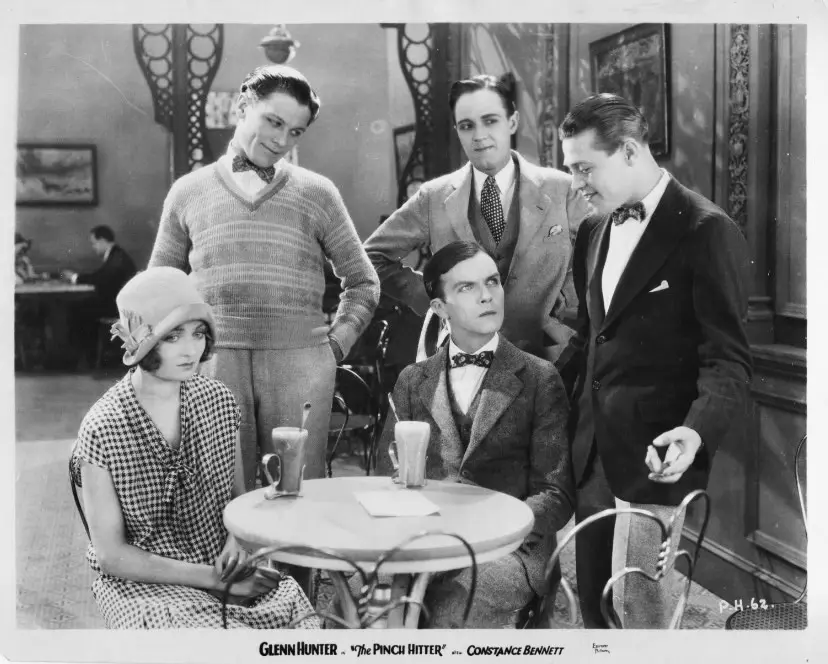
Mary Foy, as Abby Nettleton, provides a warm and grounding presence. Her character avoids the damsel-in-distress trope, instead embodying a practical, encouraging figure. Foy’s performance is less about grand gestures and more about conveying quiet strength and genuine affection. Her scenes with Cline have an authentic chemistry that elevates their relationship beyond mere plot necessity. She is the steady hand, the voice of reason, and the spark of inspiration.
The supporting cast, while functional, largely fills out the archetypes of the era: the boisterous bullies, the stern coach, the supportive teammates. Reginald Sheffield, as one of the upperclassmen, embodies the casual cruelty of the hazers effectively, generating the necessary antagonism for Joel's journey. However, beyond Cline and Foy, the performances don't delve into significant depth, serving primarily to advance Joel's story rather than offering their own complex narratives.
C. Gardner Sullivan's direction in The Pinch Hitter is competent and clear, if not groundbreaking. His approach is functional, prioritizing narrative clarity and emotional impact over experimental aesthetics. The film’s visual language is characteristic of its time, relying on clear framing, well-lit sets, and intertitles to convey dialogue and internal thoughts.
The cinematography, while not pushing the boundaries of the medium like some of its more avant-garde contemporaries, effectively captures the atmosphere of a 1920s college campus and the tension of a baseball game. Long shots are employed to establish the setting, particularly the sprawling baseball field, while closer shots are reserved for moments of emotional intensity, such as Joel’s reactions during hazing or his determined expression at the plate. The use of natural light, or its simulation, gives the outdoor scenes a pleasant, almost nostalgic authenticity.
One might argue that the film’s visual style is its most conventional aspect. It doesn’t experiment with shadow play or dynamic camera movement in the way a German Expressionist film might, nor does it possess the sophisticated editing rhythm of later Hollywood productions. Instead, it adheres to a more classical, theatrical presentation. This isn't a flaw, per se, but rather a reflection of the cinematic conventions of the mid-1920s. For comparison, a film like The Slim Princess (1920), while a comedy, shares a similar straightforward visual approach, focusing on character interaction within well-defined sets rather than cinematic spectacle.
The baseball sequences, in particular, showcase Sullivan’s ability to build suspense within the limitations of silent film. While not as dynamic as modern sports cinematography, the editing during the climactic game is effective in conveying the excitement and tension. Cuts between Joel, the pitcher, and the anxious crowd successfully draw the viewer into the moment, even without sound.
The pacing of The Pinch Hitter is undeniably a product of its era. It unfolds at a more deliberate speed than modern audiences are accustomed to, allowing scenes to linger and emotions to develop gradually. This can be both a strength and a potential hurdle for contemporary viewers.
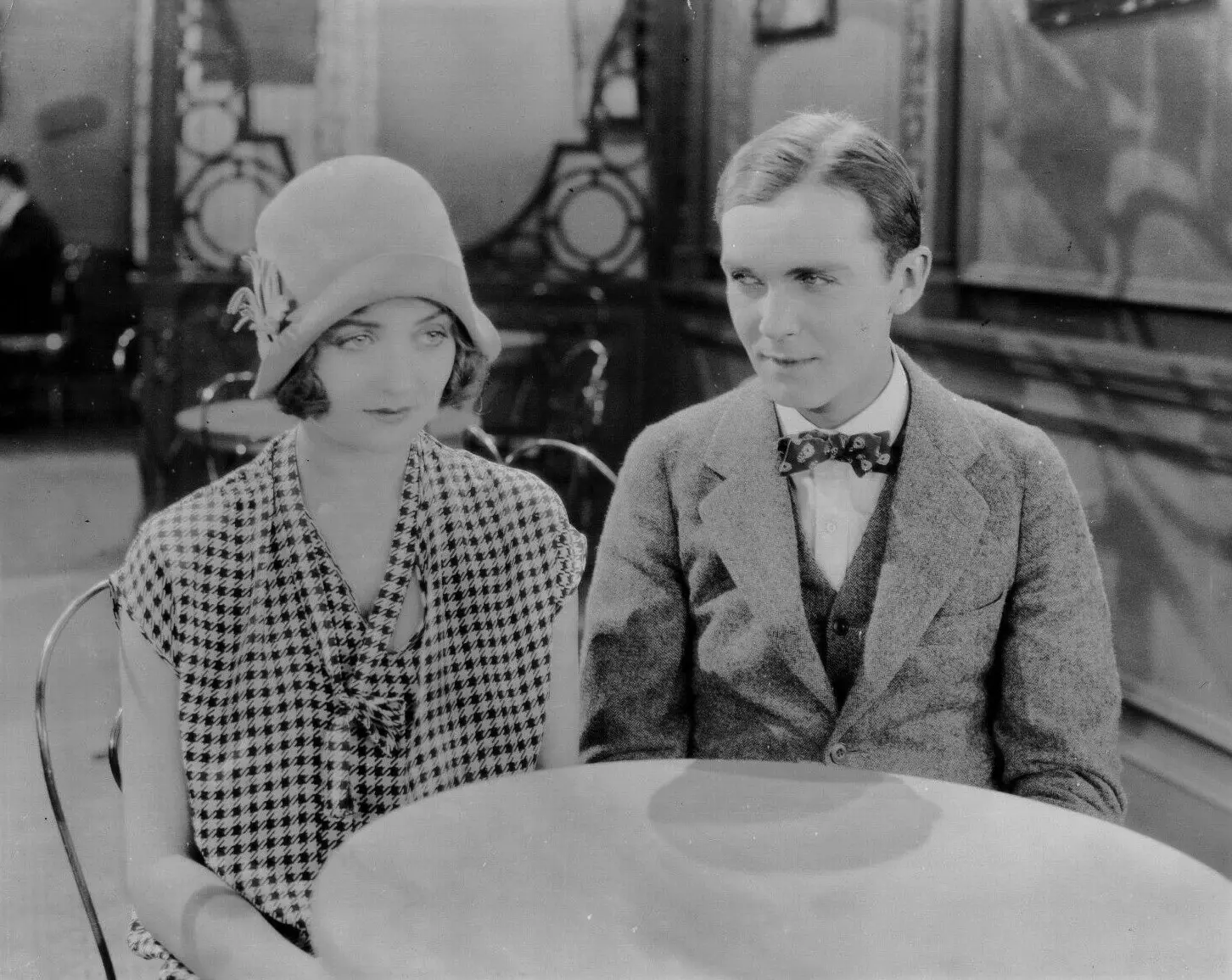
For those willing to adjust to its rhythm, the slower pace allows for a deeper immersion into Joel’s internal world and the social dynamics of the college. The build-up to the climax feels earned, as every moment of Joel's struggle contributes to the weight of his final opportunity. It’s a narrative that takes its time to establish stakes, even if those stakes are relatively simple.
However, for viewers accustomed to the faster cuts and more frenetic energy of today's cinema, the film might occasionally feel sluggish. Some scenes, particularly those establishing Joel’s initial isolation, could be perceived as drawn out. This is where a film like Up in the Air (1920), a different genre entirely, might demonstrate a more varied pacing, though both are constrained by the technical capabilities and stylistic preferences of the period.
The tone of the film shifts from lighthearted, if somewhat cruel, comedy during the hazing episodes to earnest drama during Joel’s personal struggles, culminating in a triumphant, feel-good resolution. This tonal consistency, moving predictably towards a positive outcome, ensures that the film never veers into overly dark or complex territory. It maintains an optimistic outlook, even in the face of adversity, which was a common and appealing characteristic of many films from the 1920s.
Yes, but with caveats. If you are a fan of silent cinema, particularly early sports dramas or classic underdog tales, then The Pinch Hitter (1925) offers genuine charm and a compelling lead performance from George Cline. It’s a valuable historical artifact, showcasing the storytelling sensibilities of its era.
However, if your primary interest lies in modern, fast-paced narratives with intricate plots and deep psychological character studies, this film might not hold your attention. Its deliberate pacing and straightforward plot are characteristic of its time, but can feel dated to contemporary viewers.
Ultimately, its worth depends on your viewing preferences and your appreciation for the foundational elements of cinematic storytelling. It works. But it’s flawed. Consider it a pleasant, if somewhat predictable, journey into film history.
The Pinch Hitter (1925) is a charming, if unsophisticated, piece of silent cinema that delivers exactly what it promises: a feel-good story of an unlikely hero. Its strength lies in its earnestness and George Cline’s compelling performance, which makes Joel Martin’s journey from ridiculed outcast to campus hero genuinely affecting. While its pacing and plot simplicity might not appeal to every modern viewer, its historical value and heartwarming message remain intact.
It’s not a film that will redefine your understanding of cinema, nor does it attempt to. Instead, it’s a comforting, well-intentioned narrative that reminds us of the enduring power of perseverance and the unexpected moments that can change a life. For those with a soft spot for the silent era or a desire for a straightforward, uplifting story, The Pinch Hitter is worth seeking out. It's a solid single, perhaps not a grand slam, but a score nonetheless.
IMDb 6.4
1935
Community
Log in to comment.