Summary
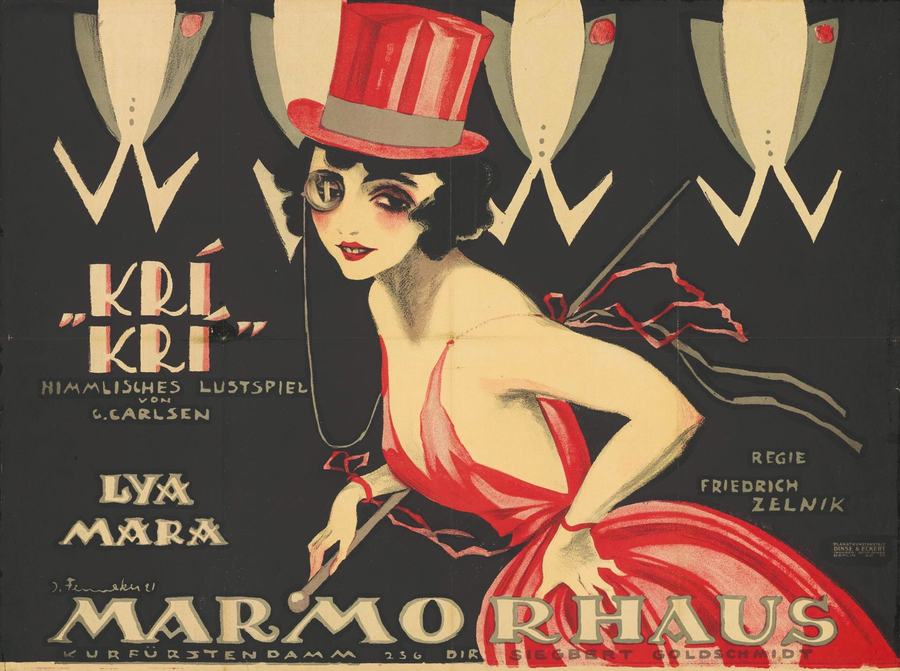
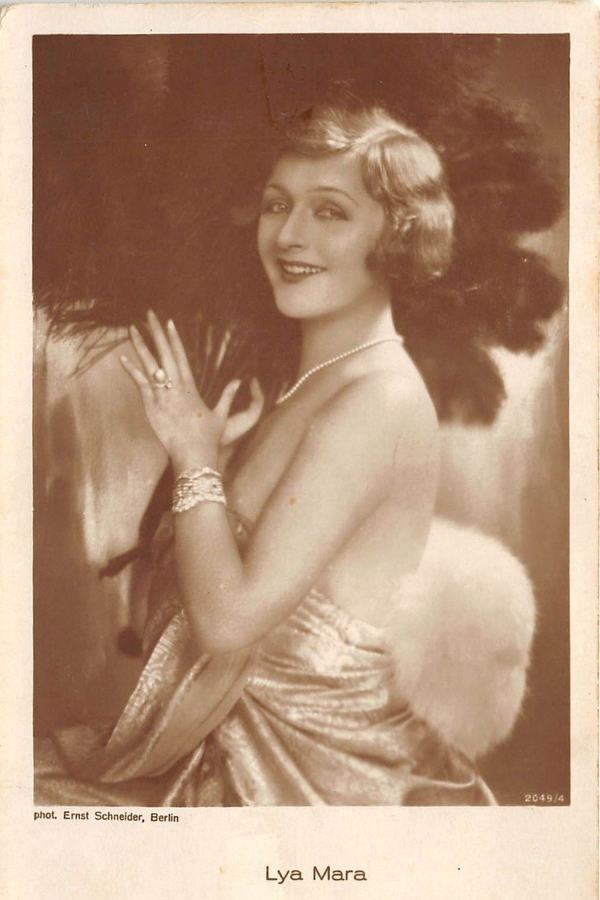
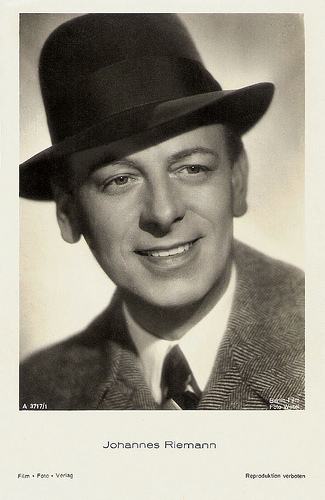
A champagne-bubble of a film in which the porcelain-daintiness of operetta collides with the brass-knuckled farce of Weimar cabaret, Kri-Kri, die Herzogin von Tarabac is the missing link between the powdered wigs of Imperial nostalgia and the smoky mascara of impending modernity. Our eponymous heroine—Kri-Kri, a soubrette whose laughter ricochets like a silver bullet—awakens one Berlin dawn to discover she has been bequeathed the phantom dukedom of Tarabac, a Ruritanian backwater whose chief export is unpaid debts and whose castle is a moth-chewed theater of illusions. Armed with nothing but a moth-eaten coronet, a trunk of second-hand ball-gowns, and a libretto that keeps rewriting itself mid-scene, she boards the night train eastward, sharing a compartment with a bankrupt prince (Johannes Riemann, all cheekbones and counterfeit titles) who mistakes her for a dowager heiress and promptly proposes. Meanwhile, back in the capital, a syndicate of monocled vulgarians—Hermann Picha’s cigar-puffing banker, Karl Platen’s tremulous notary, Wilhelm Diegelmann’s velvet-scoundrel count—plot to seize the duchy’s last remaining asset: a bankrupt opera house rumored to contain a forgotten Verdi aria worth millions on the black market of nostalgia. What follows is a three-act fever dream in which masked identities proliferate like paper snowflakes: Kri-Kri impersonates her own duchess, the prince impersonates her majordomo, and the entire court of Tarabac impersonates solvency. Lya Mara’s camera-worshipped face drifts through ballrooms lit by guttering candelabra, her tears glittering like chandelier shards when she learns that love letters have been forged by candlelight and that every waltz is choreographed on quicksand. In the final reel the opera house itself is auctioned off amid a carnival of confetti and pistol shots; chandeliers crash, a hidden fresco of Venus is unveiled, and Kri-Kri—now stripped of title, fortune, and illusion—steps into the spotlight to sing the lost aria herself, her voice cracking on the high C that signals both ruin and rebirth. The curtain falls not on marriage but on exile: she exits alone, a suitcase in one hand, the dented coronet in the other, walking into a sunrise that looks suspiciously like a celluloid dissolve.
Review Excerpt
"
::selection{background:#EAB308;}h2{color:#C2410C;text-shadow:0 0 4px #000;}a{color:#0E7490;text-decoration:none;border-bottom:1px dotted #0E7490;}a:hover{color:#EAB308;border-bottom:1px solid #EAB308;}
The Mirage of Monarchy
There are films that document history and films that hallucinate it; Kri-Kri, die Herzogin von Tarabac opts for the latter, conjuring a kingdom that evaporates faster than schnapps on a hot saucer. Fanny Carlsen’s screenplay—equal parts sugar-dust and strychnine—treats nob..."