Summary
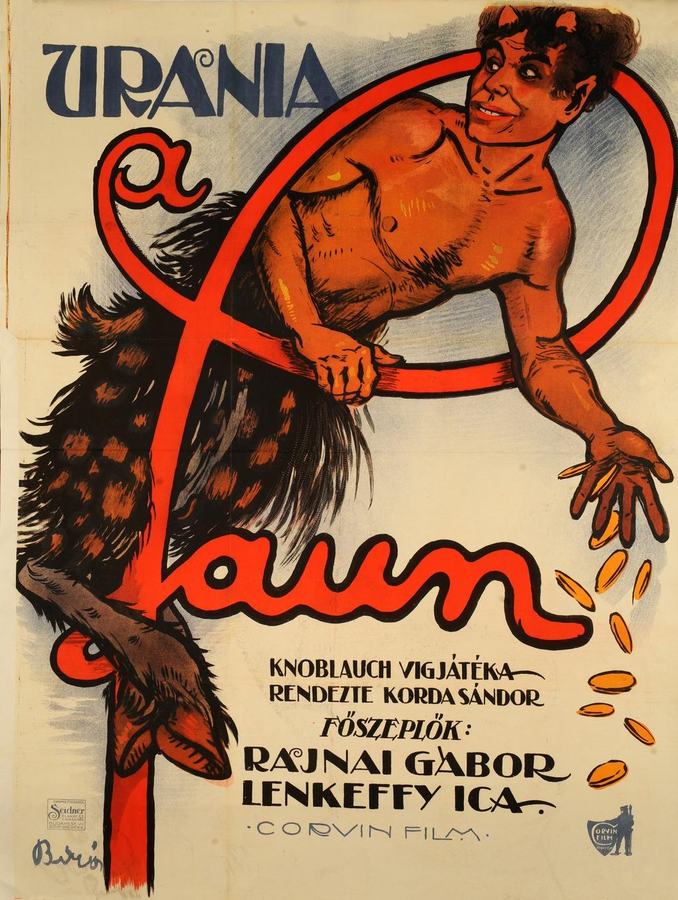
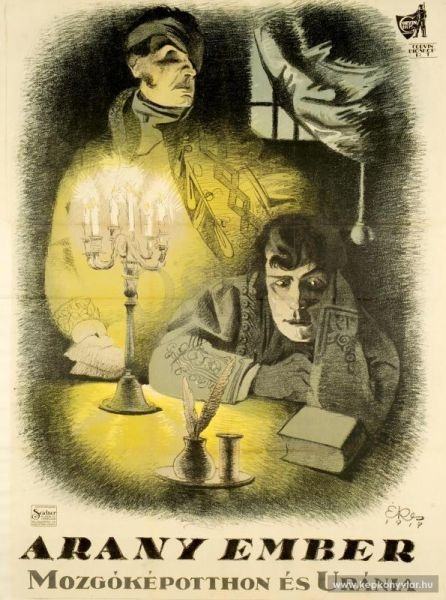
In a Carpathian dusk that smells of resin and superstition, the widowed botanist Géza—equal parts Casanova and grieving Faun—returns to his crumbling ancestral manor to catalogue ferns but instead collides with the spectral silhouette of his late wife, Erzsébet, gliding through corridors like moonlight on spilled mercury. His widowed sister-in-law, Ilonka, a woman whose laughter crackles like pine-knots, has already begun dismantling the house’s memory, auctioning tapestries to Viennese dealers and turning the greenhouse into a cabaret of absinthe and jazz. Between the rust-stained fountain and the abandoned orangery, Géza courts the phantom: he replays her gramophone records at 3 a.m., projects lantern slides of her naked shoulder onto the mist, and stages séances with a violinist whose bow is strung with human hair. Meanwhile, Erzsébet’s look-alike niece, the luminous, fox-eyed Katinka, arrives from Paris wearing men’s trousers and a cigarette tucked behind one ear; she has come to claim an inheritance that may be nothing more than a rumor of rubies sewn into a moth-eaten opera cloak. The local notary, a bow-tied vulture named Kelemen, produces a parchment stipulating that any heir must spend three consecutive nights inside the estate’s pagan shrine, a domed chapel whose frescoes depict satyrs devouring their own shadows. On the first midnight, Katinka hears hoofbeats in the attic; on the second, she finds Géza asleep in the aviary, blood on his collar, nightingales dead at his feet. By the third dusk, the villagers—convinced the land itself is a satyr in disguise—set the forest ablaze, orange halos licking the sky like a copper coin held to the sun. In the final reel, Géza, now wearing antlers of candle-wax and cobweb, dances a frenzied kalocsa with the apparition; the camera pirouettes until hearth, flesh, and film itself seem to combust, leaving only a single frame: Katinka’s gloved hand closing on a key that unlocks either a dowry or a grave.
Review Excerpt
"
A Moonlit Palimpsest of Desire
Imagine a film shot on nitrate so volatile you can almost smell the celluloid burning as you watch: that is Faun, a 1918 Hungarian fever dream suppressed by censors, shelved by war, and presumed lost until a single tinted print surfaced in a Transylvanian monastery in 2019. What unspools is not mere narrative but a pagan rite caught on sprockets—an erotic-gothic incantation that makes Caligari’s angular asylums feel quaint.
Director Mihály Kertész (later Hollywood..."