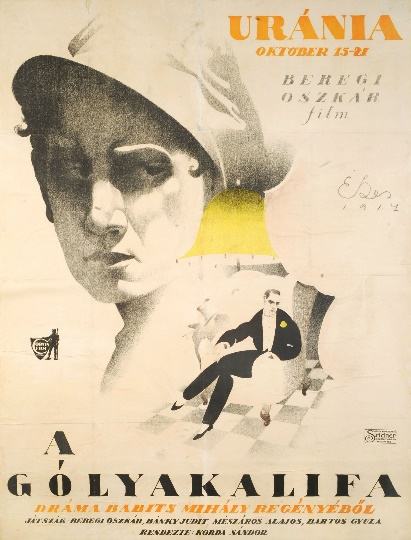
In the annals of Central European cinema, few works possess the haunting, labyrinthine complexity of Gólyakalifa (The Stork Caliph). Released in 1917, during a period of tectonic shifts in both global politics and the nascent art of the moving image, this Hungarian masterpiece serves as a bridge between Victorian me...
Comparing the cinematic DNA and archive impact of two defining moments in cult history.
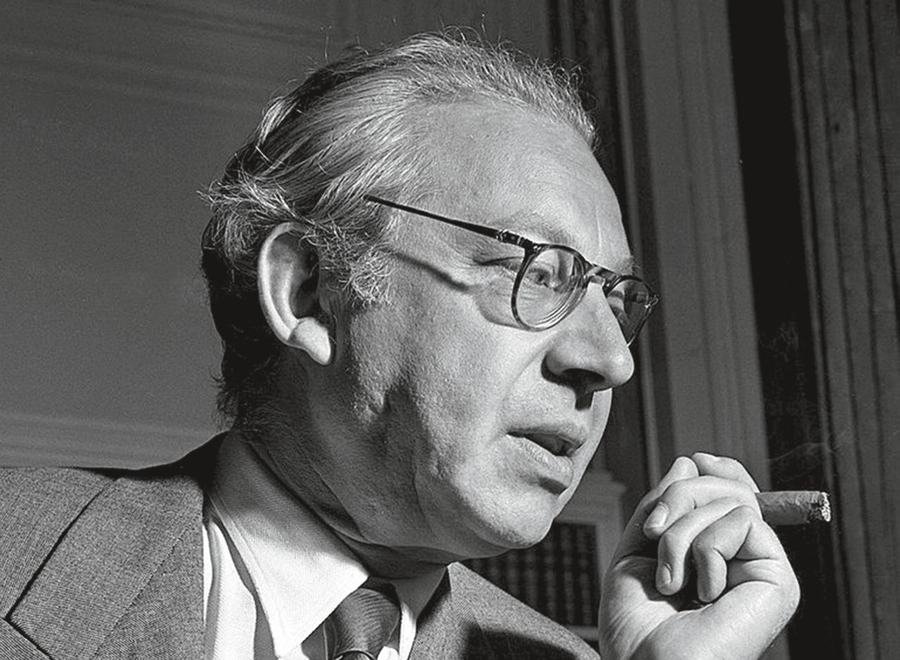
Alexander Korda
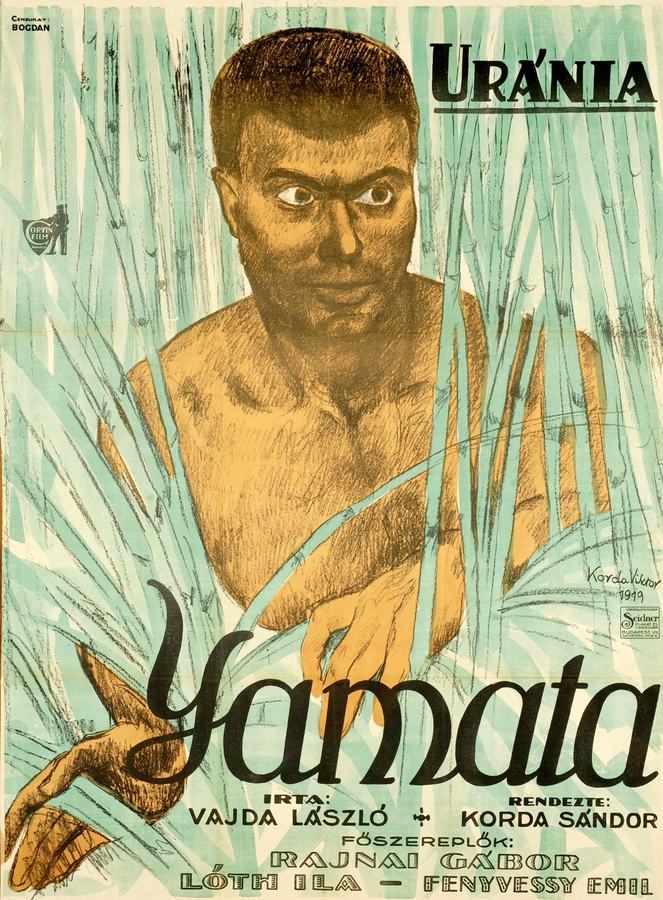
Alexander Korda
Community
Log in to comment.
" In the annals of Central European cinema, few works possess the haunting, labyrinthine complexity of Gólyakalifa (The Stork Caliph). Released in 1917, during a period of tectonic shifts in both global politics and the nascent art of the moving image, this Hungarian masterpiece serves as a bridge between Victorian melodrama and the burgeoning psychological depth of the 20th century. Directed by the visionary Sándor Korda (later Sir Alexander Korda) and adapted from the seminal novel by Mihály ..."