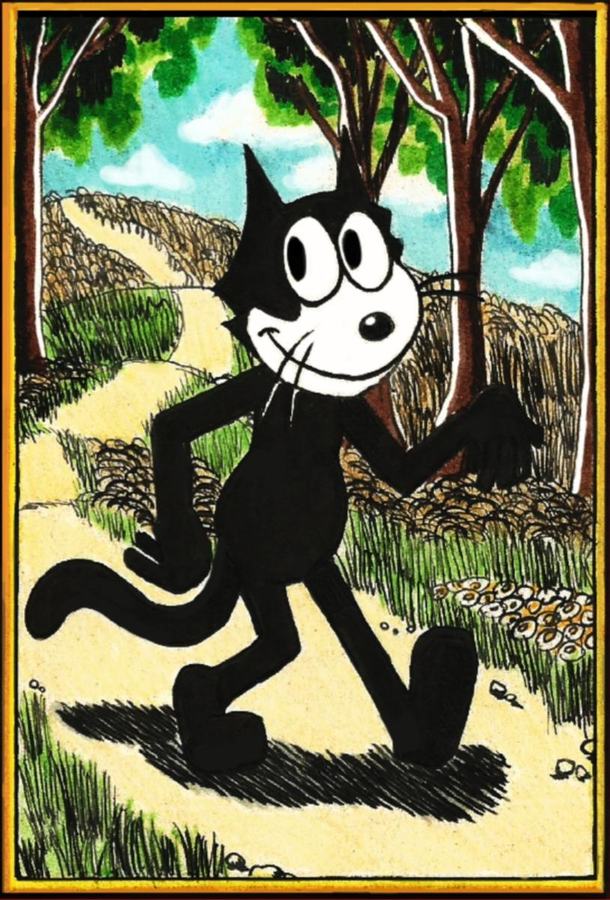
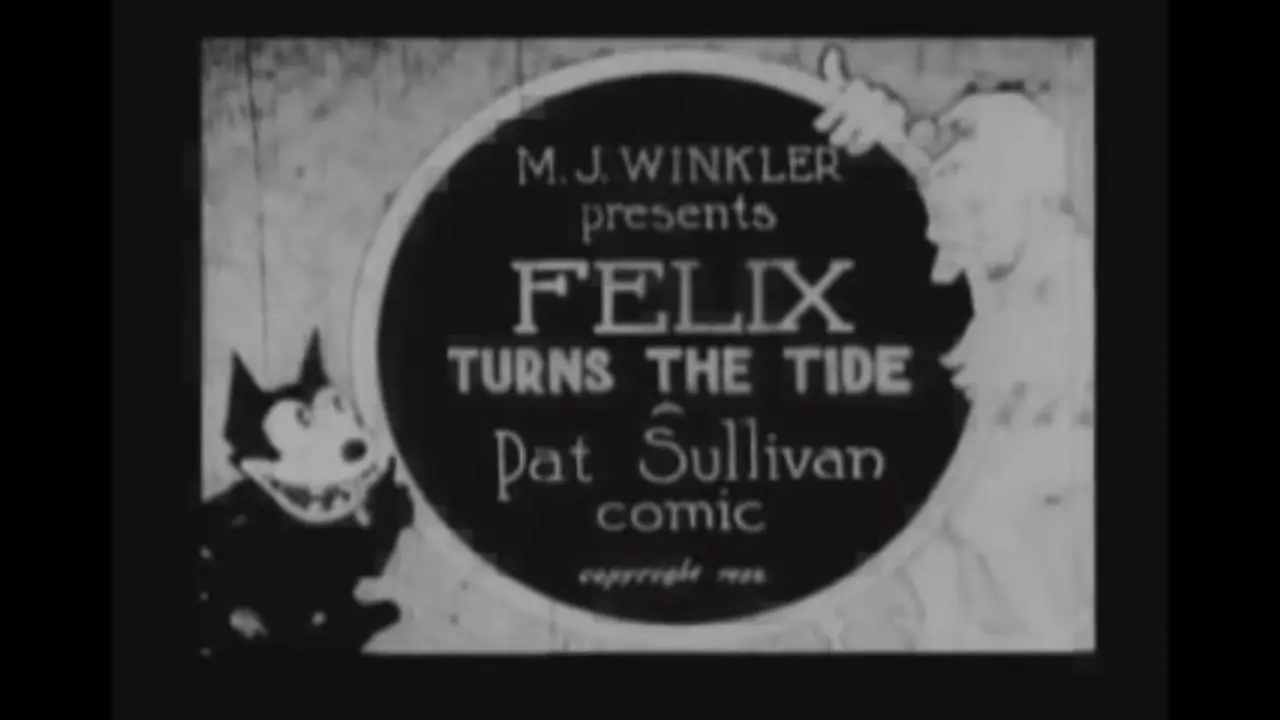
Felix the Cat becomes a soldier when the rats declare war on the cats..
United States
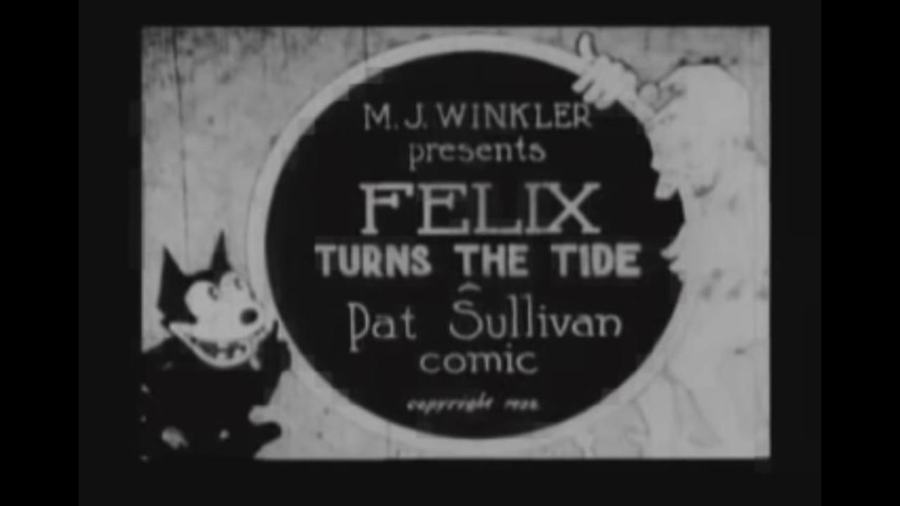
Otto Messmer’s Felix Turns the Tide arrives like a mislived fever dream committed to celluloid, a 1922 ink-stained bulletin from an era when animation was still learning to breathe. Clocking in at barely eight minutes, the short nevertheless detonates a warehouse of visual ideas that many contemporary features never b...
still_frame
still_frame

Comparing the cinematic DNA and archive impact of two defining moments in cult history.
Otto Messmer

Unknown Director
Community
Log in to comment.
" Otto Messmer’s Felix Turns the Tide arrives like a mislived fever dream committed to celluloid, a 1922 ink-stained bulletin from an era when animation was still learning to breathe. Clocking in at barely eight minutes, the short nevertheless detonates a warehouse of visual ideas that many contemporary features never brush against. From the first frame—where a moonlit streetlamp sputters like a drunken sentinel—the film announces itself as both vaudeville and propaganda burlesque, a wartime para..."

Deep dive into the cult classic
Discover similar cinematic experiences
A Directorial Spotlight on Otto Messmer