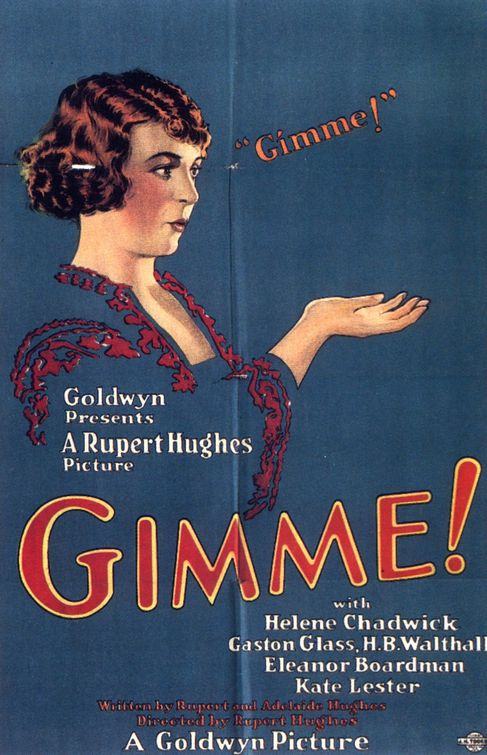
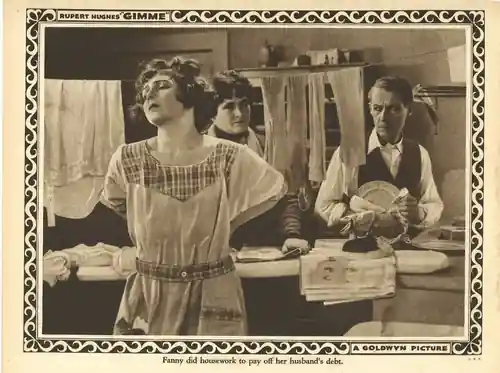
A young woman borrows money from her boss for her wedding dress. After the marriage he asks to be repaid, and she--not liking to ask her husband for money--writes a check on her husband's account.

The silent era of Hollywood was frequently a playground for simplistic moralities, yet within the filmography of Rupert Hughes, one finds a recurring fascination with the internecine conflicts of the modern household. His 1923 offering, Gimme, stands as a remarkably prescient exploration of financial autonomy—or the la...
publicity

still_frame
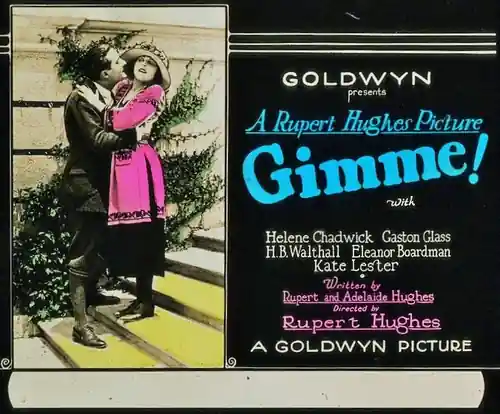
publicity
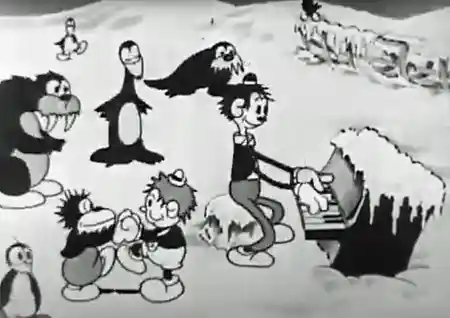

Comparing the cinematic DNA and archive impact of two defining moments in cult history.
Rupert Hughes
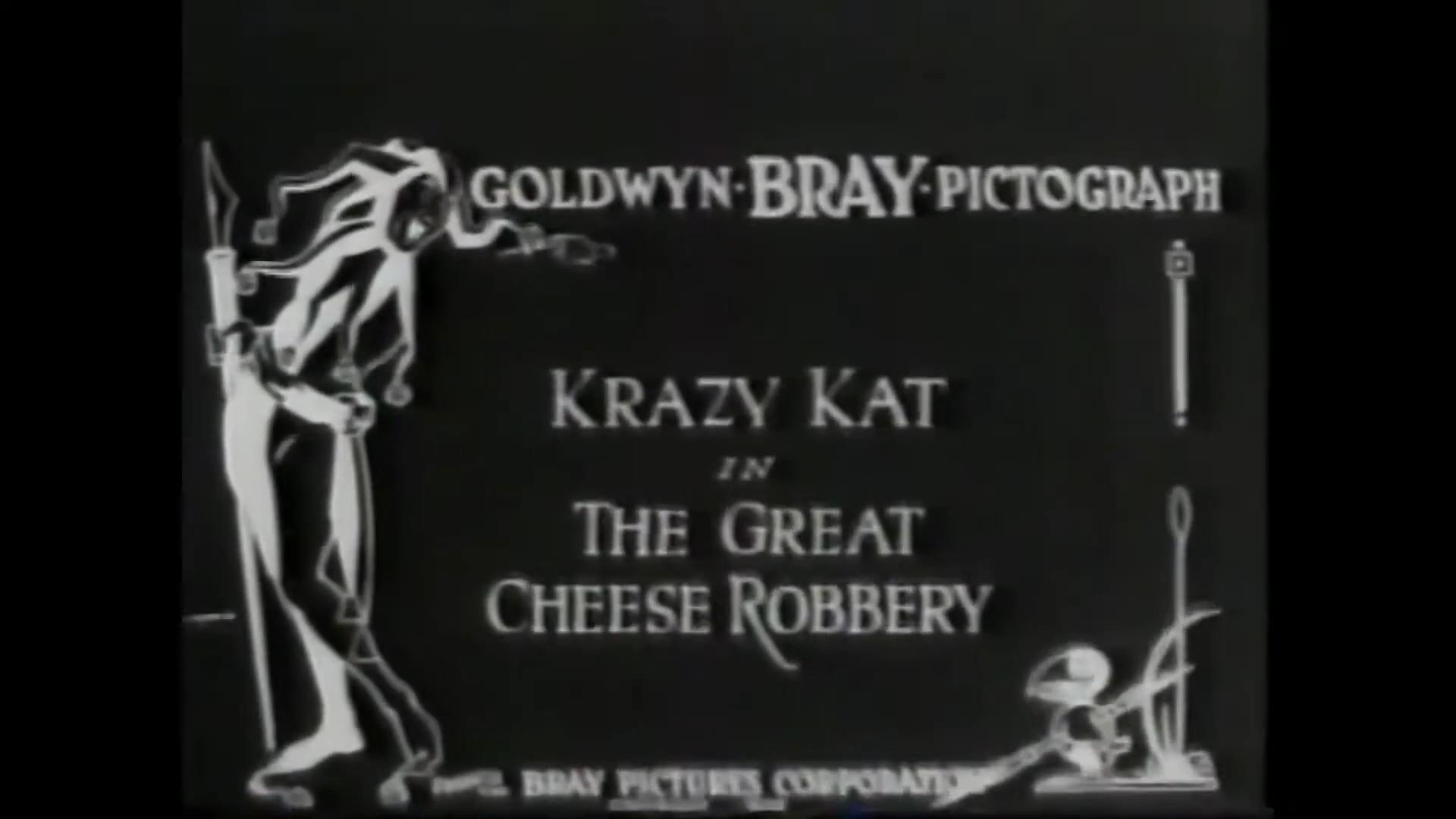
Vernon Stallings
Community
Log in to comment.
"The silent era of Hollywood was frequently a playground for simplistic moralities, yet within the filmography of Rupert Hughes, one finds a recurring fascination with the internecine conflicts of the modern household. His 1923 offering, Gimme, stands as a remarkably prescient exploration of financial autonomy—or the lack thereof—within the marital bond. While contemporary audiences might view the protagonist's dilemma through the lens of antiquated social norms, the film’s core tension remains u..."
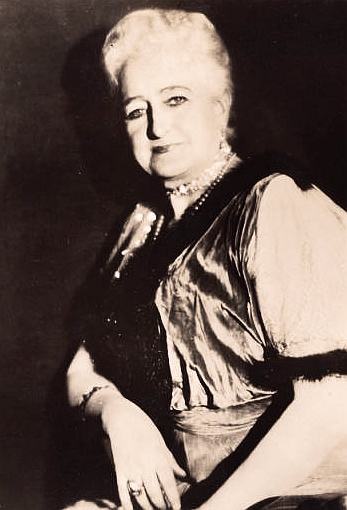
Rupert Hughes, Mrs. Rupert Hughes
United States