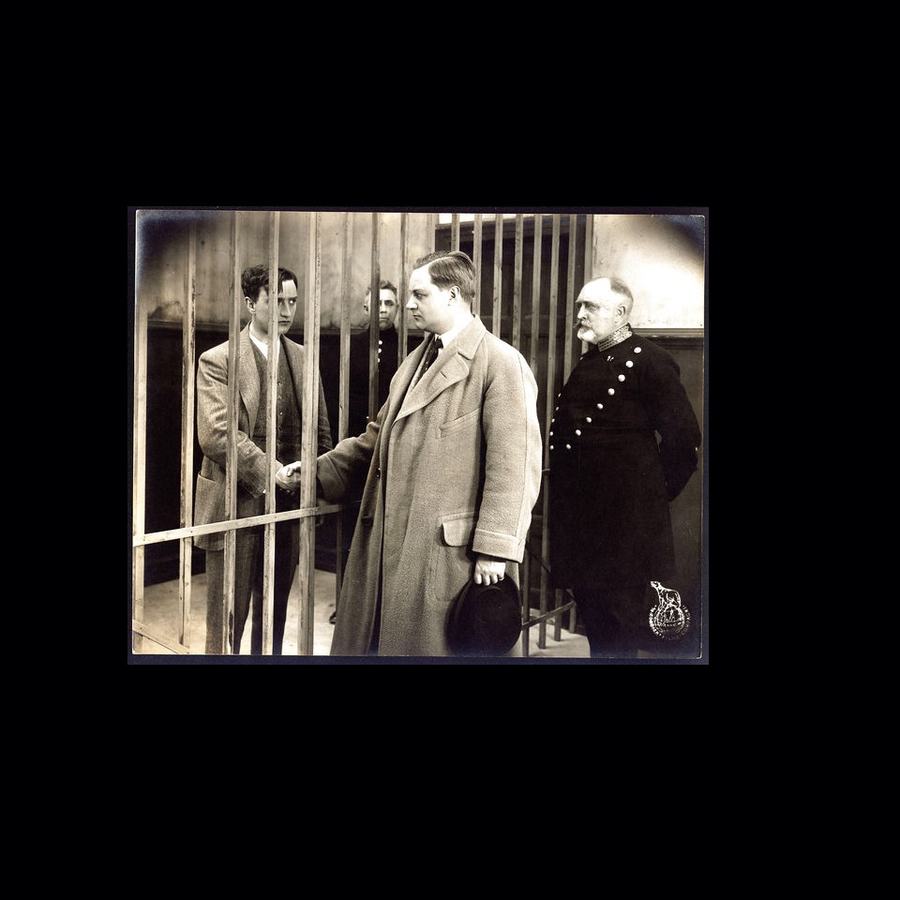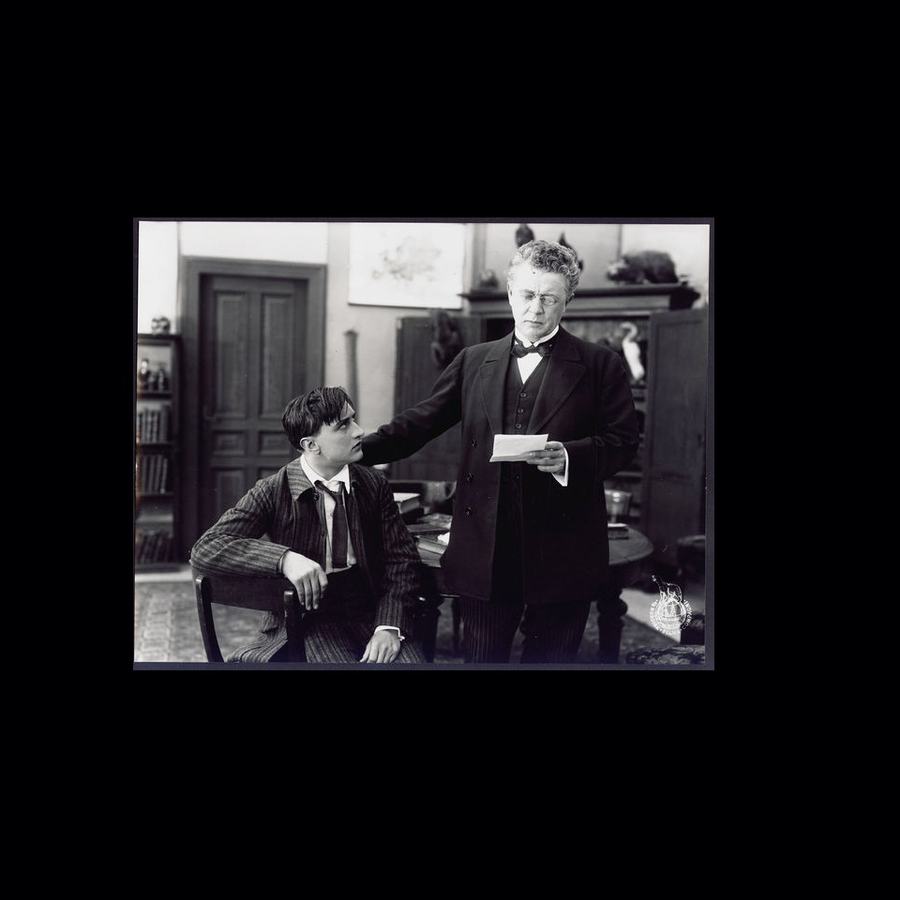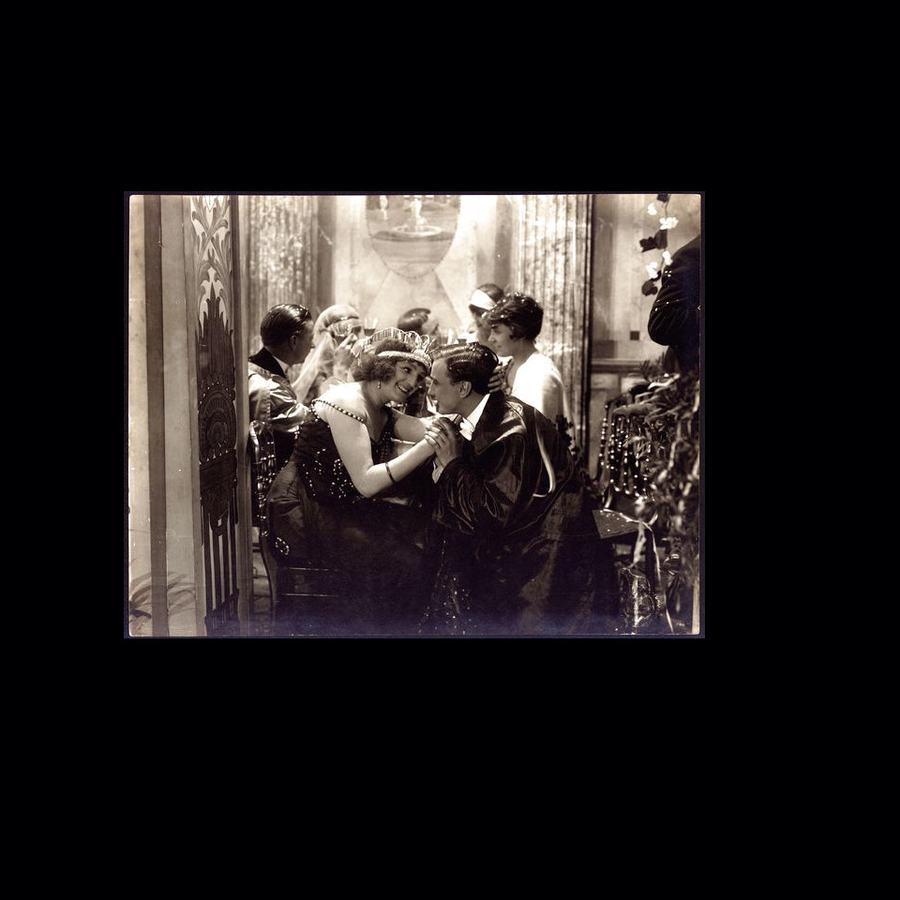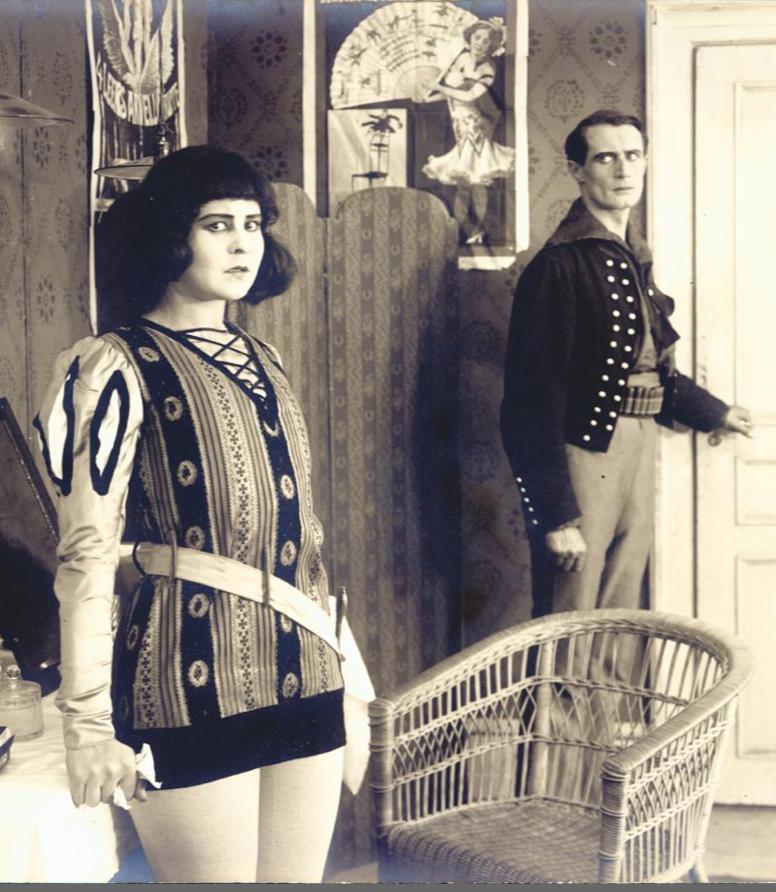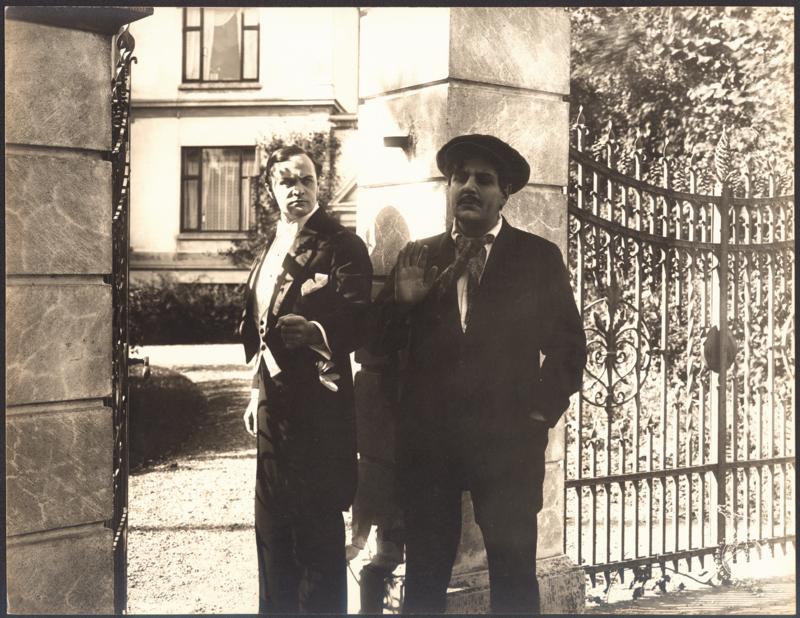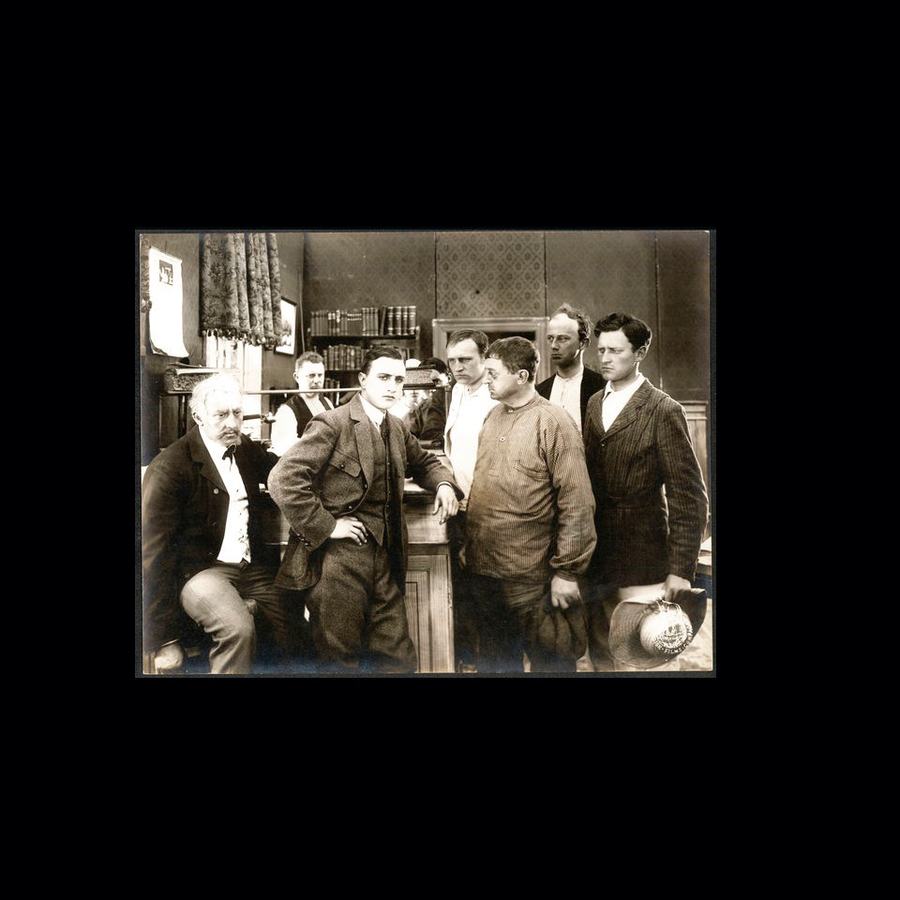
There are films you watch; then there are films that watch you—quietly, relentlessly, like a bailiff of the soul. Godsforvalteren belongs to the latter breed, a 1915 Danish chamber piece so frostbitten it could have been carved from the very ice that greases the fjords. Yet beneath its monochrome stillness seethes a g...
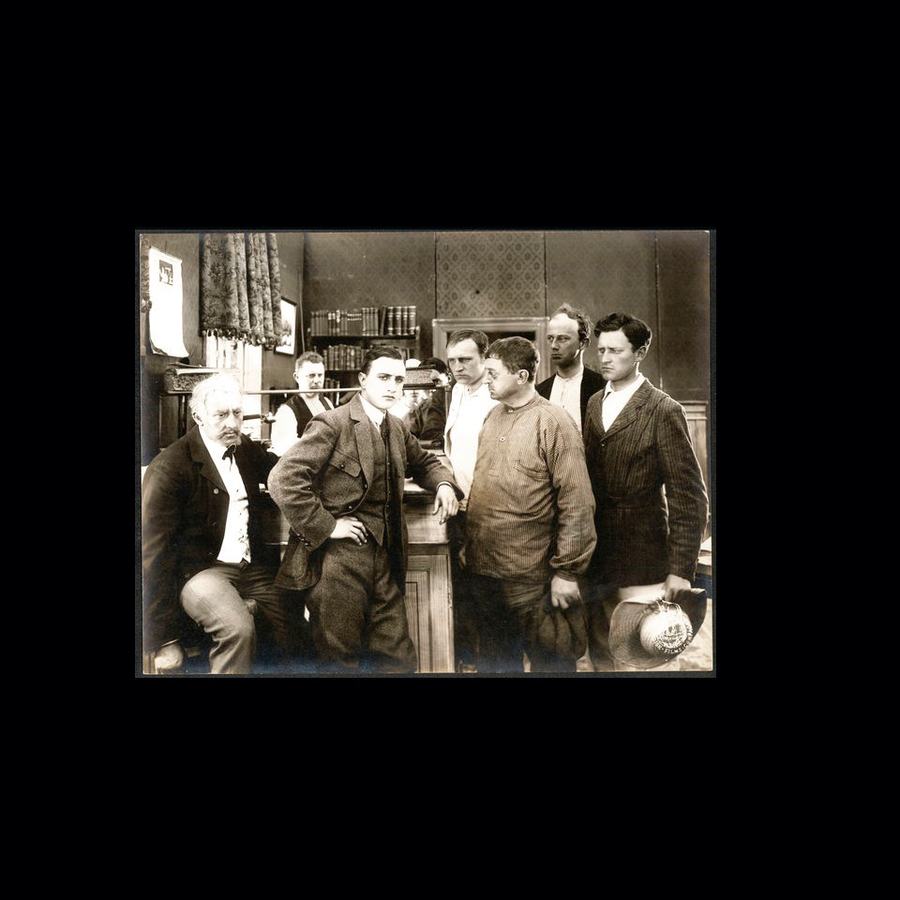
still_frame


Comparing the cinematic DNA and archive impact of two defining moments in cult history.
Hjalmar Davidsen
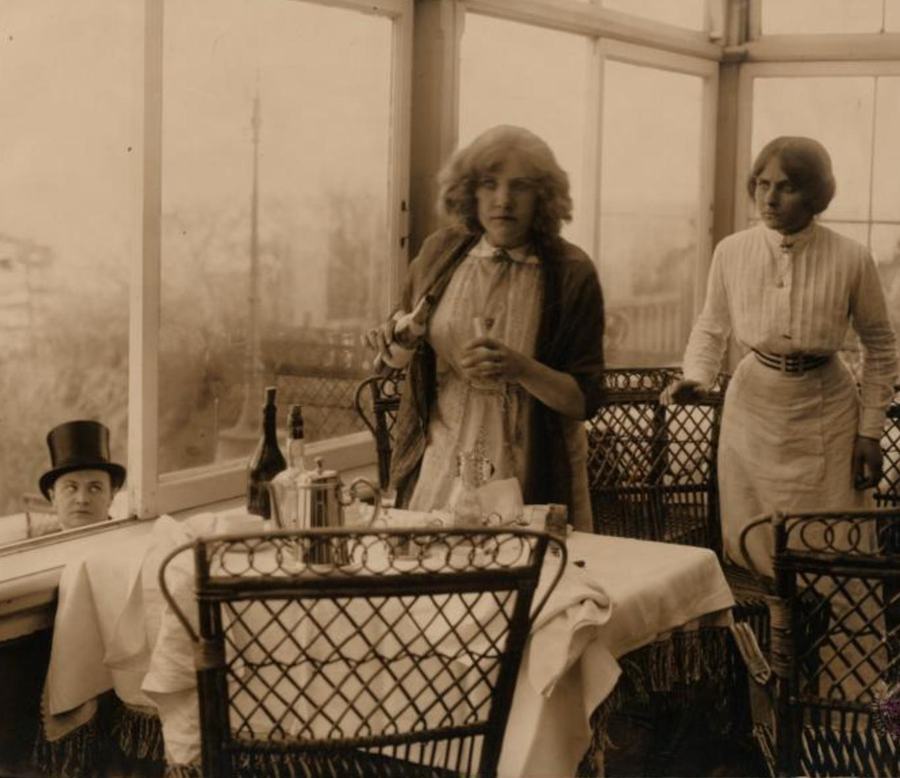
Hjalmar Davidsen
Community
Log in to comment.
" There are films you watch; then there are films that watch you—quietly, relentlessly, like a bailiff of the soul. Godsforvalteren belongs to the latter breed, a 1915 Danish chamber piece so frostbitten it could have been carved from the very ice that greases the fjords. Yet beneath its monochrome stillness seethes a gothic bonfire: bastardy, usury, and the queer economics of parental love. Ellen Ferslev’s directorial hand is invisible in the best possible way; she stages the manor as a vertebr..."
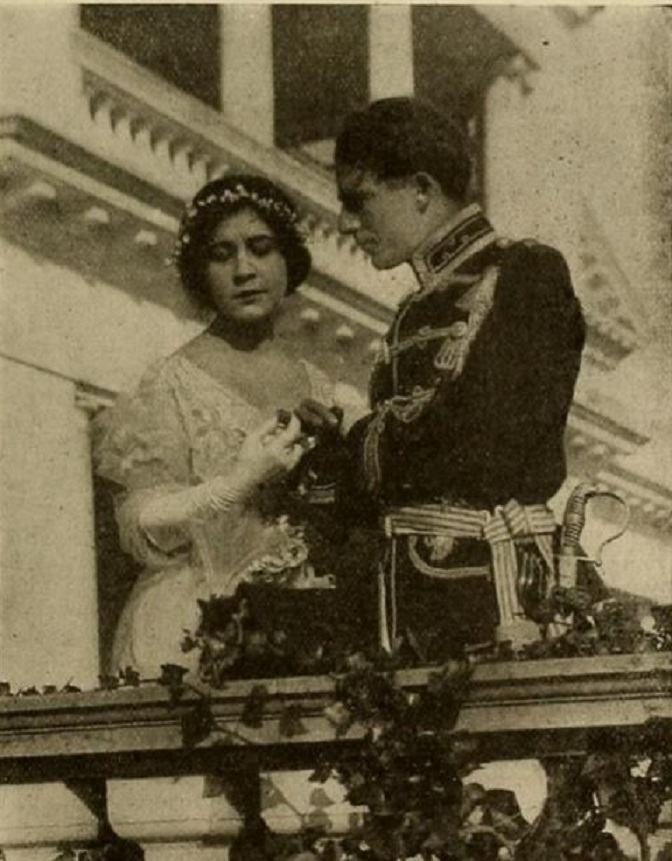
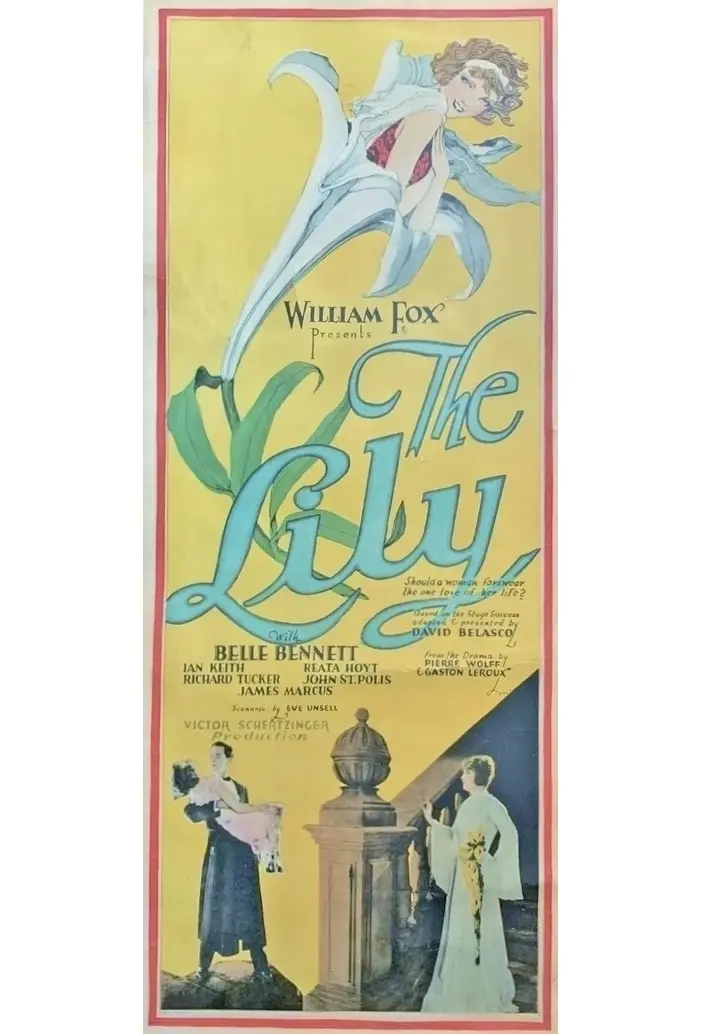
Deep dive into the cult classic
Discover similar cinematic experiences
A Directorial Spotlight on Hjalmar Davidsen