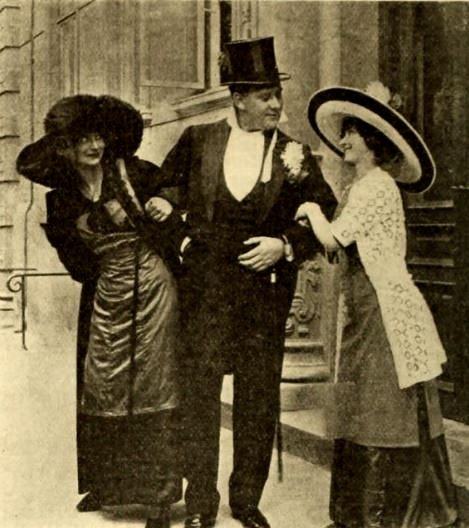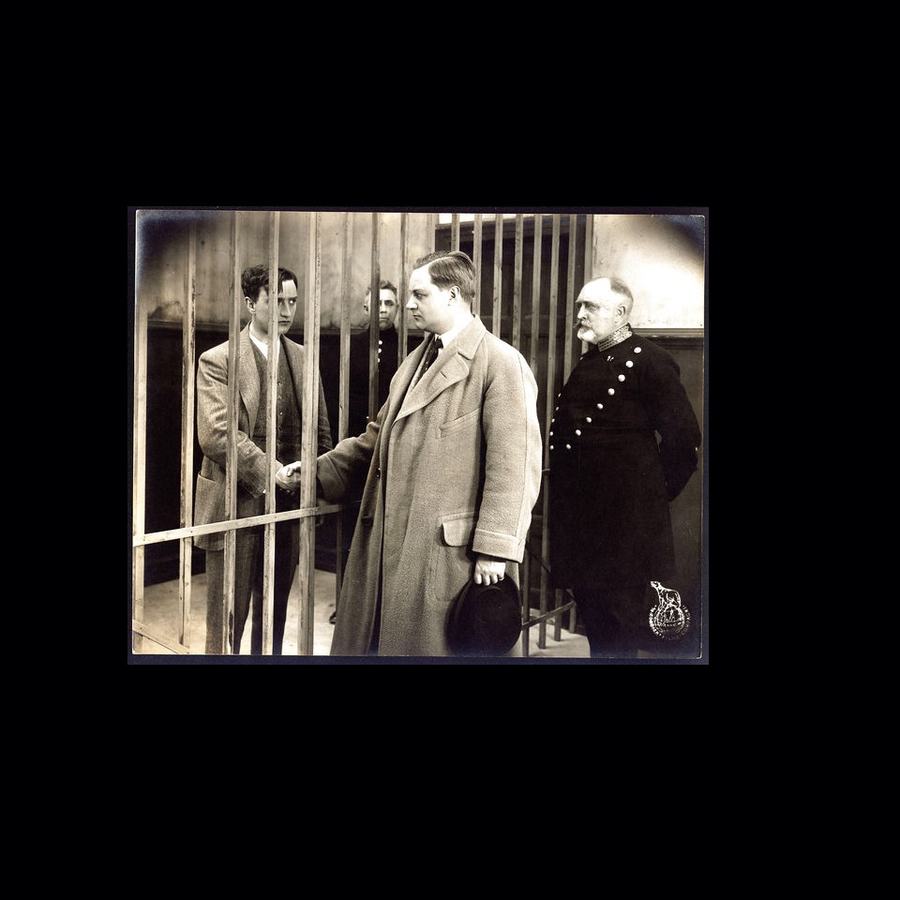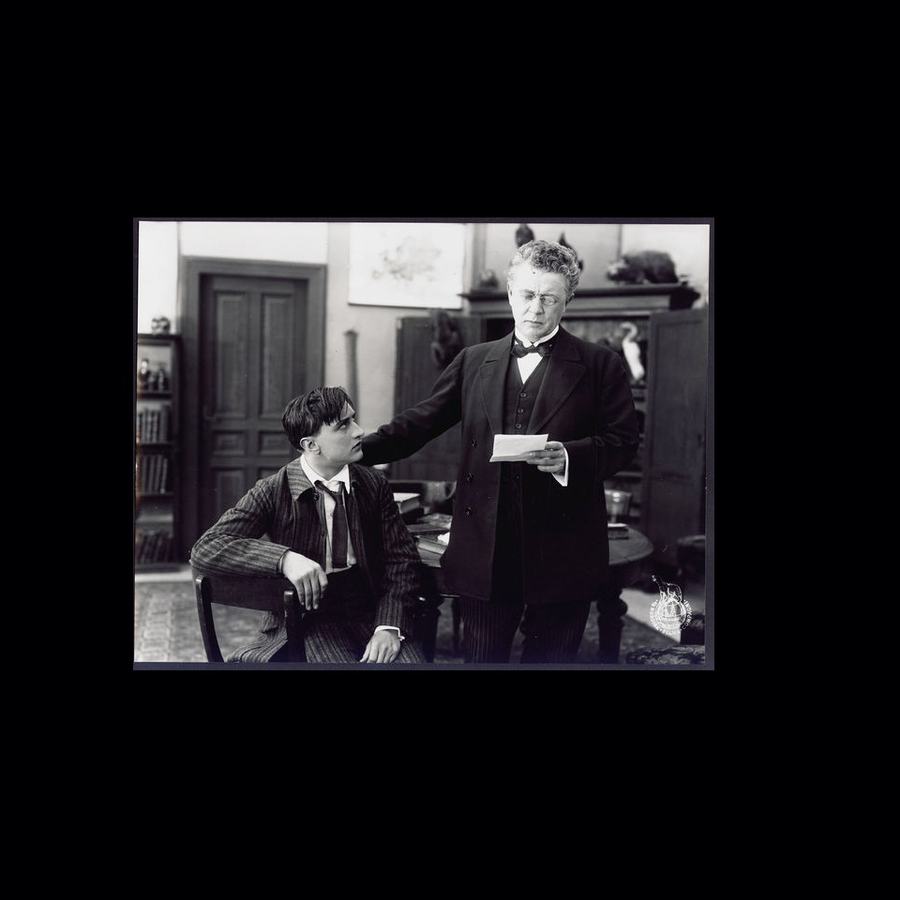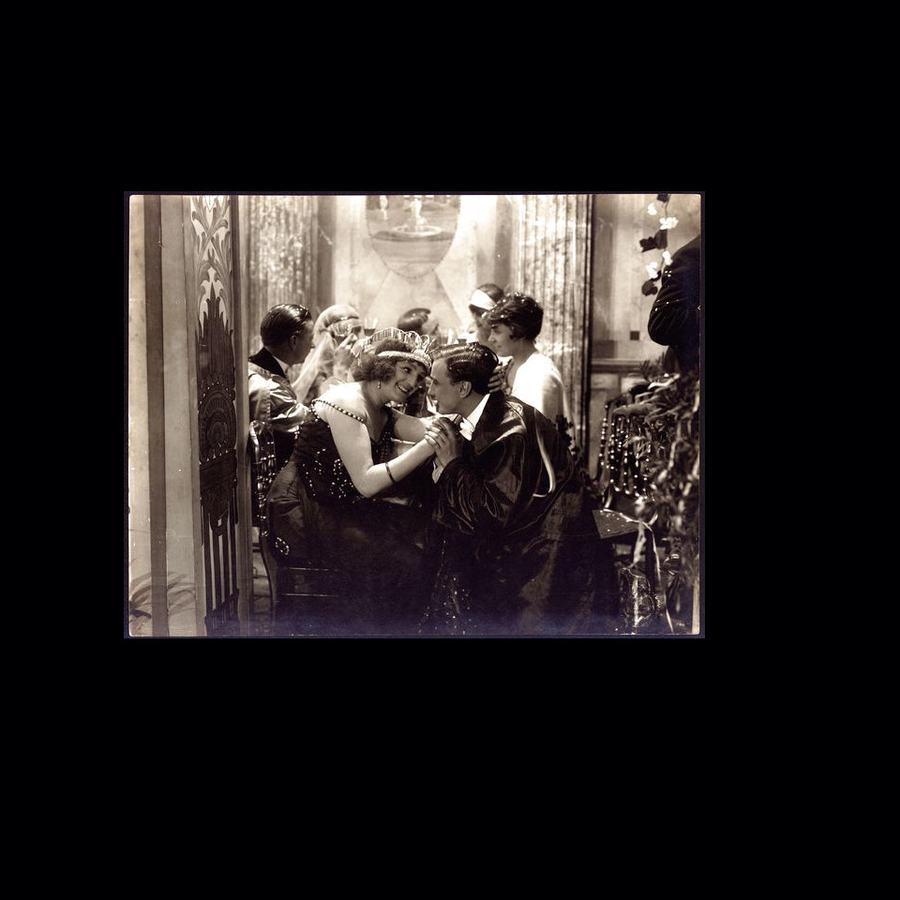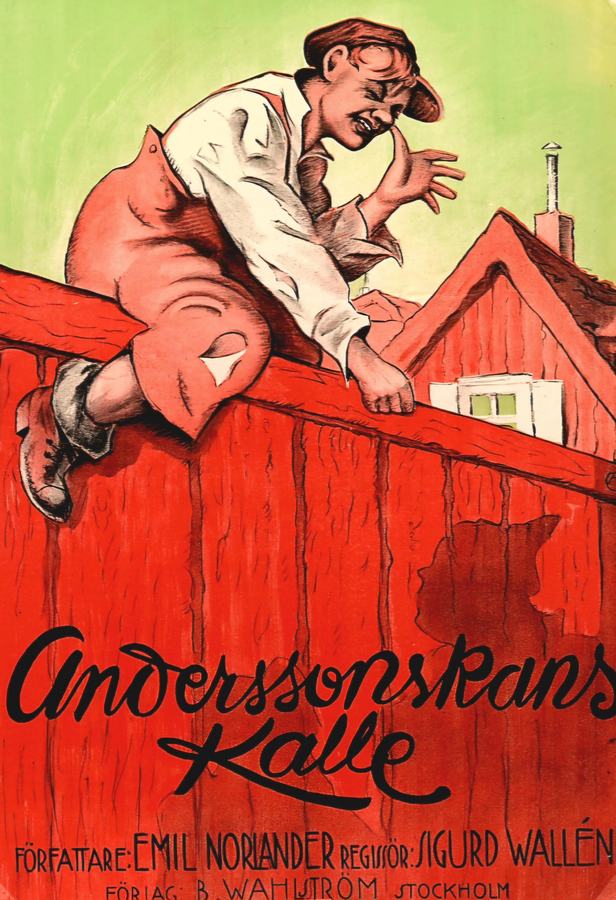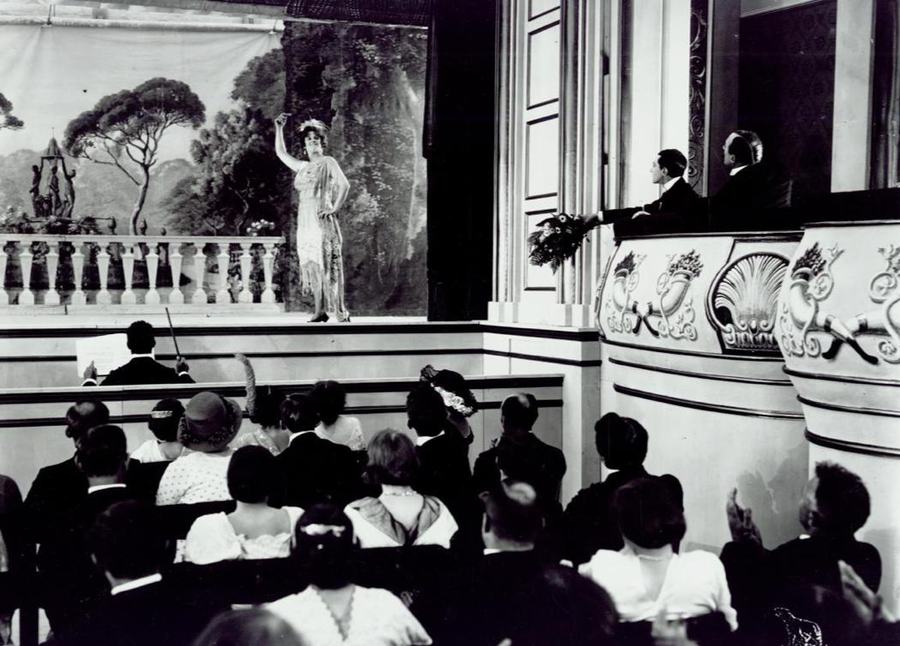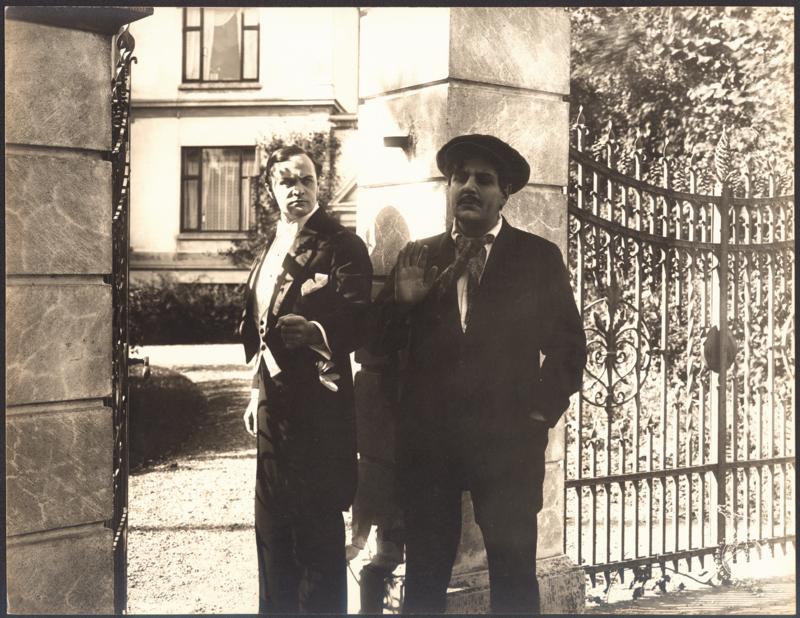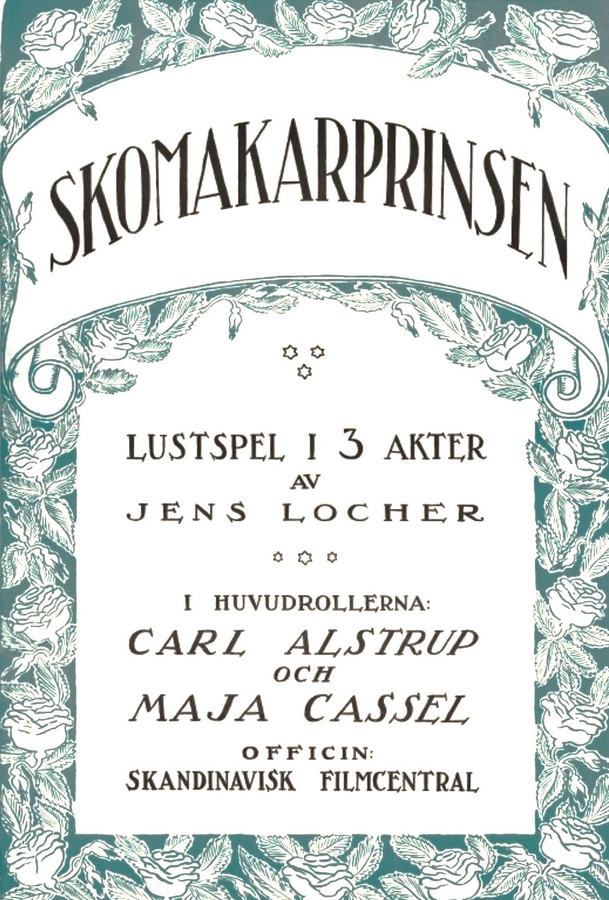
The prince of a small state amuses himself by switching roles with a shoemaker, partly to avoid a visit from a princess, to whom his minister wants to marry..
The projector hums like a distant beehive; then, through a veil of nitrate shimmer, Skomakarprinsen strides into the torchlight of rediscovery, boots still caked with century-old mud. What sounds like a trifling switcheroo—monarch and maker trading places—becomes, in the hands of director Viking Ringheim, a razor-sha...
Comparing the cinematic DNA and archive impact of two defining moments in cult history.
Hjalmar Davidsen

Hjalmar Davidsen
Community
Log in to comment.
" The projector hums like a distant beehive; then, through a veil of nitrate shimmer, Skomakarprinsen strides into the torchlight of rediscovery, boots still caked with century-old mud. What sounds like a trifling switcheroo—monarch and maker trading places—becomes, in the hands of director Viking Ringheim, a razor-sharp dissection of Scandinavian hierarchies teetering on the cusp of democratic modernity. A Kingdom Sewn Together by Wax Thread Forget rose-strewn Renaissance fairs; this duchy is..."
Jens Locher, Ludvig Holberg
Sweden

Deep dive into the cult classic
Discover similar cinematic experiences
A Directorial Spotlight on Hjalmar Davidsen